
Reviewed · TRAIN EXPERIENCES
Cagliari: Conti Vecchi Salt Flats Train and Tour
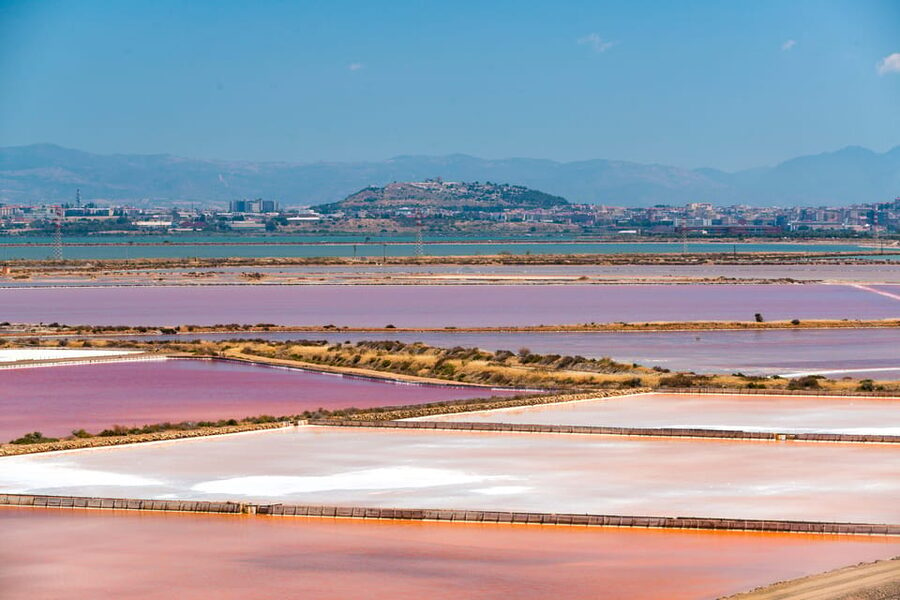
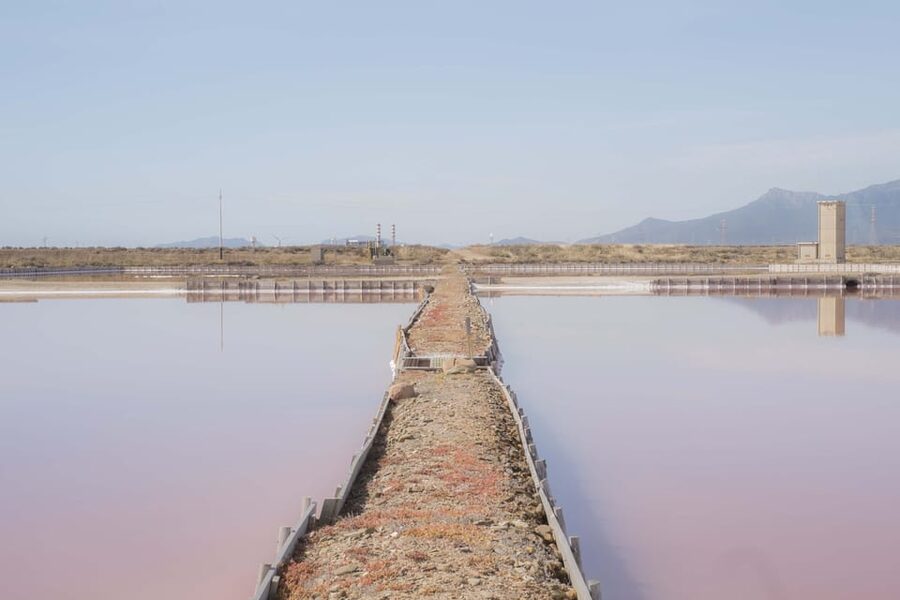
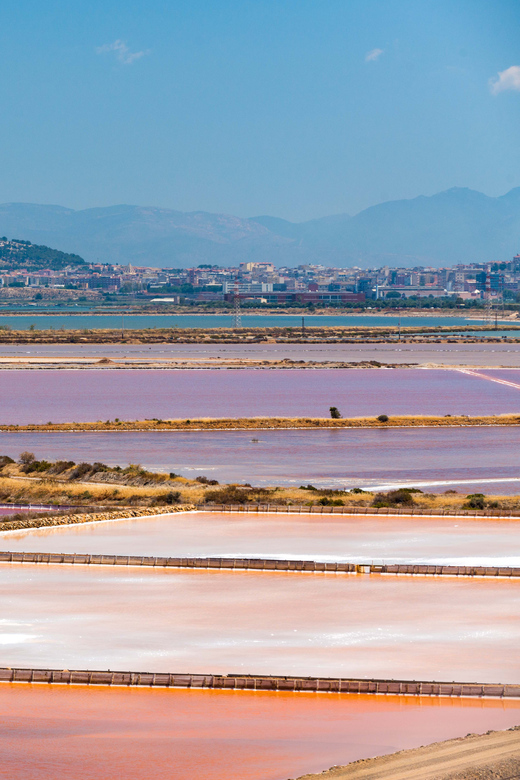
The pink flamingos are the headline act, but the salt is the real story. At Conti Vecchi, you ride into the Santa Gilla Basin, pass salt pans and huge white piles of harvested salt, and see an industrial site that still helps explain how Cagliari grew. It is part nature visit, part working-history lesson.
I like the unusual mix of wildlife and industry, and I like the price: at $14, the two-hour visit gives you a museum, old work buildings, films, a guide, and a one-hour train ride. The main drawback is language. The live tour is in Italian, and the English explanation on the train may be brief or hard to hear.
Key points to know before you go
- Flamingos in the Santa Gilla Basin: Bring a camera and watch the water carefully. The birds are seen in their natural wetland habitat.
- A working salt plant with a human story: You learn about Luigi Conti Vecchi, the salt workers, and the economic growth tied to salt production.
- One hour on a land train: The train carries you through the salt pans, production areas, and natural area without requiring a long walk.
- Museum details beyond the scenery: Documents, tools, a vintage workshop, and a restored chemical laboratory add substance to the visit.
- Italian is the live tour language: Films can offer English subtitles, but the spoken commentary may not be enough for English-only visitors.
- Easy access by car: Free parking is available in the Assemini and Macchiareddu industrial area, followed by a walk to the bookshop at the entrance.
Why these salt flats matter to Cagliari
The Conti Vecchi Saltworks are not just a pretty place to see birds. They show how a basic product, salt, could shape work, transport, engineering, and daily life around Cagliari.
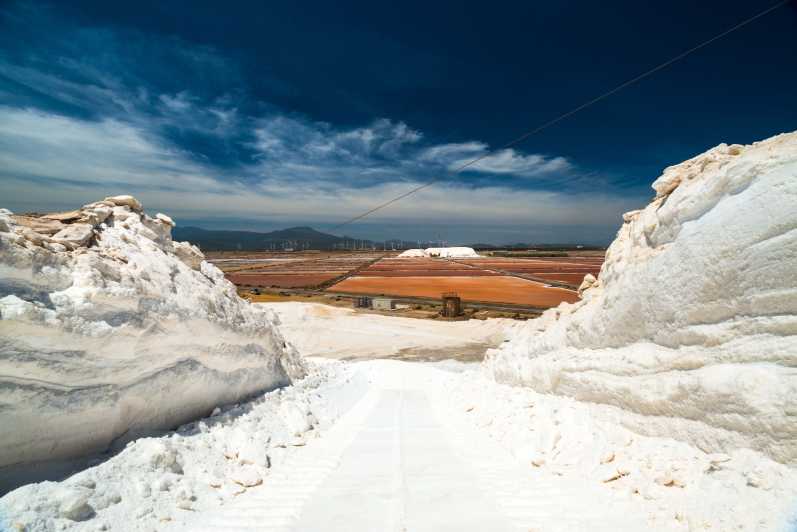
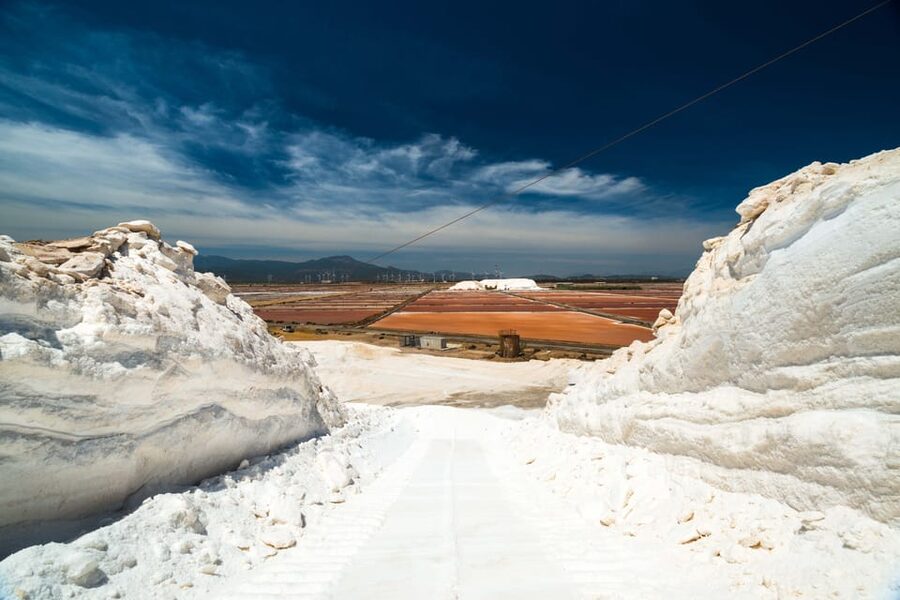
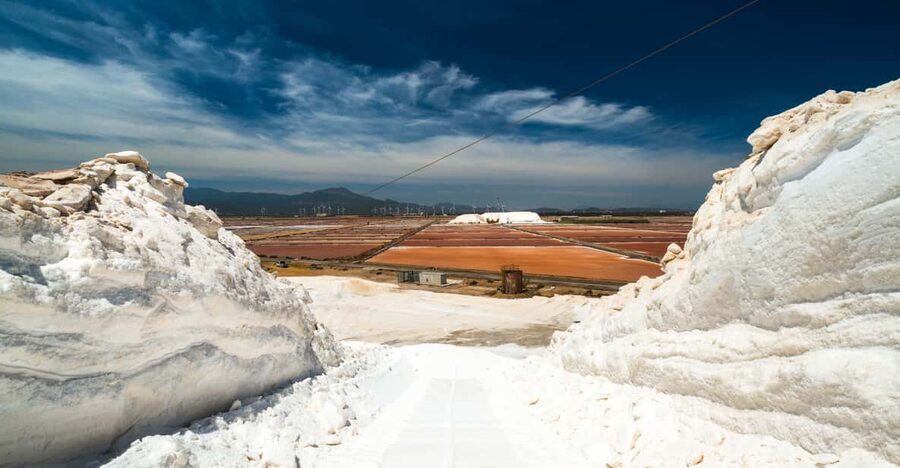
Salt was once called white gold because it was valuable, useful, and difficult to produce on a large scale. At this site, you see how seawater was moved through a chain of salt pans, slowly concentrating until crystals formed. The giant white mounds make the process visible in a way a museum display alone could not.
The site also tells the story of Luigi Conti Vecchi, the engineer linked to the development of the saltworks. His work helped turn a difficult wetland area into an organized industrial center and supported wider economic growth in the region.
That context gives the visit more weight. You are not simply passing a white pile of salt on a train. You are seeing the result of planning, labor, machinery, and years of adjustment to water and weather.
More train trips in Cagliari:
- Bernina Red Train, Swiss Alps & St Moritz From Milan
★ 5.0 · 2,954 reviews - Swiss Alps Bernina Red Train and St.Moritz Tour from Milan
★ 4.5 · 2,369 reviews - Sorrento: Skip-the-Line Pompeii Express Tour by Train
★ 4.8 · 2,038 reviews
Arriving at Macchiareddu
The saltworks are in the industrial area identified as Assemini and Macchiareddu, outside central Cagliari. You enter the industrial area, leave your car in the free parking area, and walk to the bookshop at the main entrance.
This setting is practical rather than picturesque at first. Do not expect a polished city-center attraction. The point is that you are visiting a real industrial site, with old buildings and an operational salt plant still part of the experience.
Allow a little extra time to find the entrance. The meeting point is not a hotel lobby or a central piazza, and hotel pickup is not included. If you are relying on a taxi or another form of transport, confirm your return plan before you begin.
The site is wheelchair accessible. The train is accessible, and the old building can be visited on the first floor by wheelchair users. The information provided does not promise access to every part of every historic structure, so visitors with specific mobility needs should check the details before booking.
The museum and old saltworks buildings
The visit begins with the saltworks museum and historic buildings. This is where the industrial story becomes personal.
You see documents, tools, and objects connected with salt production. A vintage workshop helps show the practical side of the work, while a restored chemical laboratory points to the testing and technical control needed in a large salt operation.
Two short films add background before the train ride. They explain the saltworks and place the site within the wider story of Sardinia and Cagliari. The films are especially useful if you do not speak Italian, since at least one documentary is available with English subtitles.
I recommend paying attention here rather than rushing toward the train. The later scenery is easier to understand once you know what the workers were doing and why the salt pans are arranged in separate stages.
The museum is not enormous, so this is not a full-day museum visit. Its value comes from the link between the objects inside and the real saltworks outside. You can look at a tool, then see the kind of work it supported from the train.
Meeting the story of the salt workers
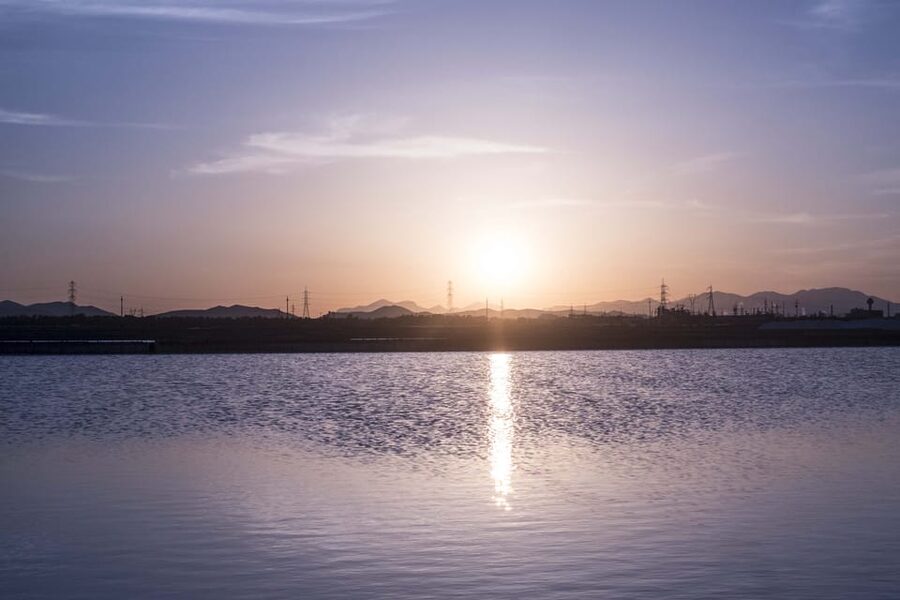
The strongest part of the indoor visit is the focus on ordinary work. Salt production depended on people managing water, machinery, tools, chemicals, and seasonal conditions. The site also includes Macchiareddu, a historic salt-mining village connected with the workers and their daily lives.
This makes the visit more than an engineering display. You get a sense of the community built around the saltworks and the way one industry could organize a settlement.
The guide gives the buildings meaning. Elena, one of the guides associated with the visit, has been praised for an enthusiastic and clear presentation. The exact guide can vary, but the quality of the building tour depends heavily on the person leading it.
The live language is Italian. If you understand Italian, you should receive the fullest spoken explanation. If you do not, the films and the visual setting still help, but you may miss some of the commentary, especially during the moving train ride.
A few other Cagliari mornings to weigh against this
- Cagliari: Underground Cagliari Walking Tour
★ 4.7 · 2,329 reviews - Cagliari: Devil’s Saddle Boat Tour with Spritz and Chips
★ 4.9 · 1,193 reviews - Cagliari: Boat Tour with 4 Swim Stops, Snorkeling & Prosecco
★ 4.9 · 865 reviews - Cagliari: Walking Tour of the Old City
★ 4.8 · 560 reviews
One hour through the Santa Gilla Basin
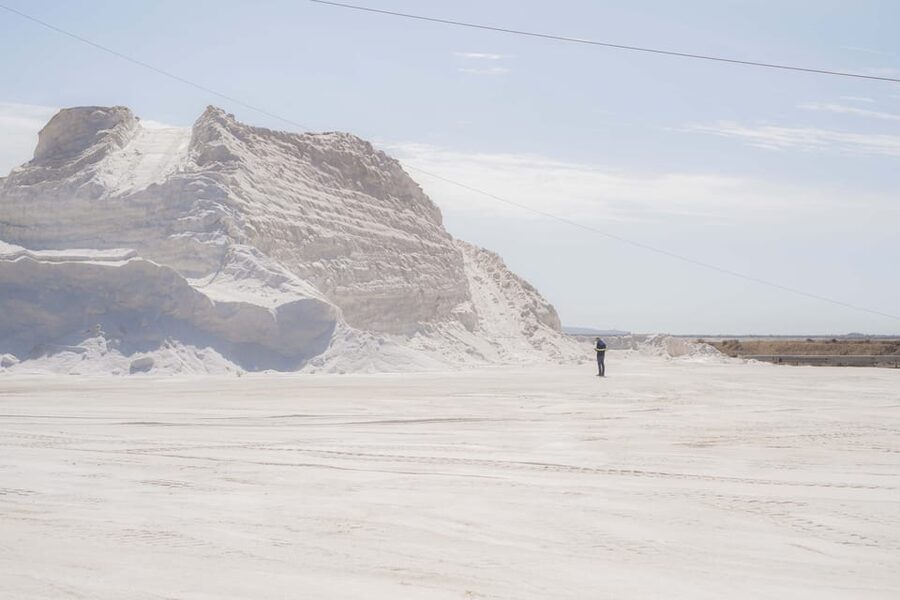
The train ride is the center of the experience. It lasts about one hour and takes you into the salt flats and the surrounding natural area.
This is a land train, not a fast transport ride. That is good news if you want to look around, take photographs, and follow the stages of salt production. The route lets you see the broad arrangement of the pans and the towering mountains of white salt at close range.
You also get a better feel for the scale of the Santa Gilla Basin. From ground level, the saltworks spread out around you, with water, industrial structures, white deposits, and open wetland views forming the setting.
A practical warning: the train can be noisy and bumpy. The speaker in the second wagon may be difficult to hear when the train is moving, and commentary can sometimes arrive after the train has passed the place being described. Sit where you can hear the guide, and treat the ride as a visual tour first, spoken lesson second.
The train is covered and wheelchair accessible. In bad weather, the plastic windows can be closed to keep passengers dry. A thunderstorm once forced an early return, which is a reminder that the outdoor portion depends on conditions.
Flamingos, pink water, and bird watching
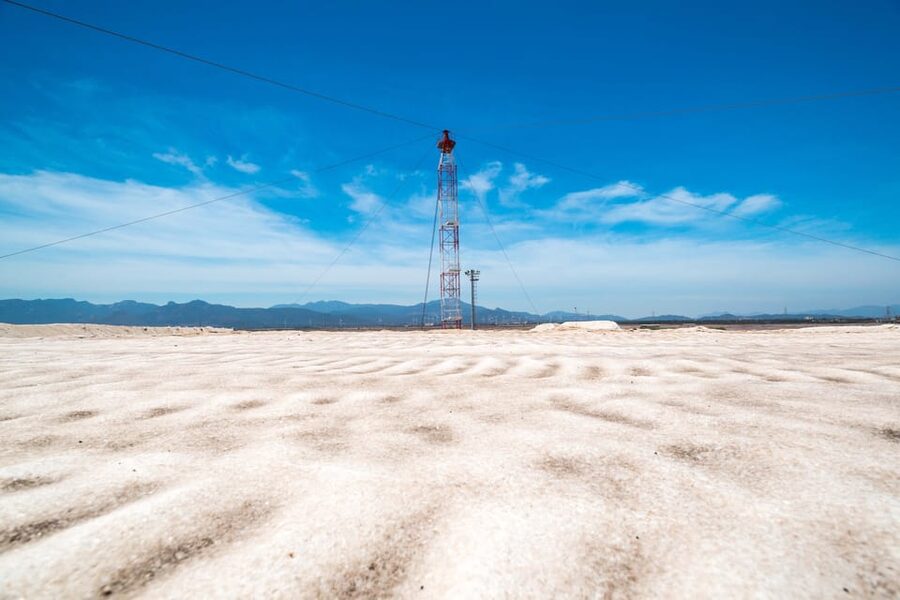
The flamingos are the most memorable part for many people. You may see bright pink birds against the white salt piles or gathered around the shallow water of the basin.
The contrast is striking: pale salt, pink birds, and water that can take on pink or reddish tones. The color comes from the saltworks environment and its natural processes, but the sight still feels surprising when you first see it.
Keep your eyes open for other birdlife too. The Santa Gilla Basin is described as Sardinia’s most important wetland, and the train passes through a natural area as well as the industrial zone.
This is not a dedicated birding trip with long stops and specialist equipment. The train keeps moving, and the amount of time you get to watch birds depends on the route and the guide. If bird photography is your main aim, bring a lens with some reach and set your expectations around a sightseeing ride rather than a wildlife hide.
A few people would prefer time outside the train to experience the salt pans on foot. That option is not part of the standard visit, so you should not book this expecting long, quiet walks beside the water.
The value of a $14 visit
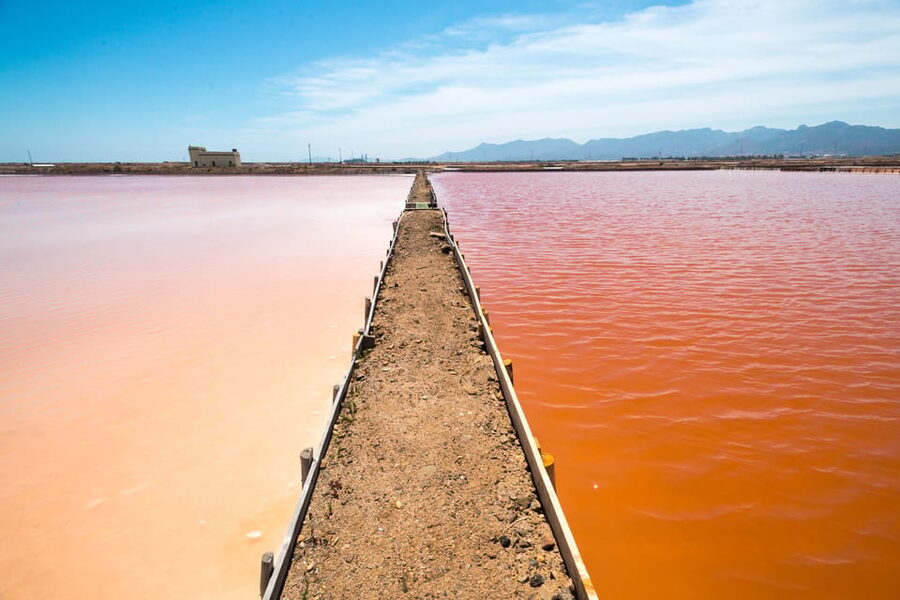
At $14 per person, this is one of the better-value cultural outings around Cagliari. The price includes the guide, entry to the saltworks, the old buildings, two films, and a one-hour train ride.
The value comes from variety. A museum alone might feel brief, and a train ride alone might lack context. Here, the indoor displays explain the outdoor route, while the route gives real scale to the objects and stories inside.
It also fills roughly two hours without demanding a full day. That makes it a useful choice for an afternoon, a short stop between other plans, or a family outing that needs movement as well as information.
The low price does not remove the language issue. English-speaking visitors may find that the experience is less complete if they cannot follow Italian. The films help, but the live explanation may be shorter in English or difficult to hear from some train seats.
For an Italian speaker, the value is especially strong. For an English speaker, I would book it for the setting, films, flamingos, and industrial detail, not for a guaranteed full English lecture.
Who will enjoy Conti Vecchi most
I would recommend this visit to anyone who likes places with a working purpose and a clear local connection. You get far more than a standard photo stop because the saltworks explain part of Cagliari’s economic development.
It suits families well. The train breaks up the museum visit, and the flamingos give children something to watch for. The two-hour length is manageable, though younger children may find the indoor explanations slow if they do not understand Italian.
It is also a good choice for photographers and bird lovers who want an unusual setting. The white salt mountains and pink flamingos offer strong images, especially when the birds gather near the water.
History and industry fans will appreciate the documents, laboratory, workshop, and worker village. If your main goal is a long walk in open nature, this may feel too structured. Much of the visit takes place from the train, and the standard route does not include a free-roaming walk through the salt pans.
Practical tips for a smoother visit
Arrive with enough time to park and walk to the bookshop. The saltworks are in an industrial area, so the entrance may take more attention to locate than an attraction in central Cagliari.
Wear comfortable shoes for the museum buildings and entrance walk. The train reduces the amount of walking, but this is still an outdoor industrial site, not a fully enclosed museum.
Bring sun protection and water during warm months. The salt flats are open and exposed, with little information provided about shade. A hat can also help with glare from the white salt.
If you want to hear the guide, choose your train seat carefully. The second wagon has been difficult for some people because of speaker quality and train noise. If your Italian is limited, sit where you can see the guide and use the films to build your understanding before boarding.
Keep your camera ready but do not count on a long stop for every flamingo sighting. The train ride is continuous, and bad weather can change the route or shorten the outdoor part.
The activity offers free cancellation up to 24 hours before the scheduled start and allows you to reserve while paying later. Starting times vary, so check availability when you choose your date.
Should you book this saltworks tour?
Book it if you want an affordable, different side of Cagliari, especially if flamingos, industrial archaeology, and local history appeal to you. The combination of a working salt plant, old buildings, films, and a one-hour train ride gives the visit more substance than its modest price suggests.
I would be more cautious if you need a full English-language tour. The live guide speaks Italian, and English commentary on the train may be limited or hard to follow. You can still enjoy the views and films, but you should know that language affects how much detail you receive.
For most visitors with a spare two hours and a car, Conti Vecchi is a smart addition to a Cagliari itinerary. It is inexpensive, accessible, visually unusual, and closely tied to Sardinia’s working past. Just go for the complete mix of salt, birds, machinery, and people, not for flamingos alone.
FAQ
Where is the Conti Vecchi Saltworks?
The saltworks are in the industrial area of Cagliari called Assemini and Macchiareddu. You park for free in the industrial area and walk to the bookshop at the main entrance.
How long does the experience last?
The full experience lasts about two hours. The train ride inside the salt flats and natural area lasts about one hour.
What language is the live tour in?
The live tour guide speaks Italian. The films include English subtitles, according to the experience information provided, but English live commentary is not guaranteed.
Are flamingos guaranteed?
No. The Santa Gilla Basin is a natural wetland where flamingos can be seen, but wildlife sightings can vary. Weather and the train route can also affect how much you see.
Is the train wheelchair accessible?
Yes. The train is wheelchair accessible, and the old building is wheelchair accessible on the first floor.
Is hotel pickup included?
No. Hotel pickup and drop-off are not included. You arrange your own transport to the saltworks.
Can I cancel the booking?
Yes. You can cancel up to 24 hours in advance for a full refund. The activity also allows you to reserve now and pay later.
Fresh on the Cagliari list
- Cagliari: Coastline Cruise with Drinks and Snorkeling★ 4.7 · 201 reviews
- Cagliari: Boat Tour with Snorkeling, GoPro & Sardinian Beer★ 4.7 · 207 reviews
- Catamaran tour stops bathing and snorkeling toast with prosecco★ 5.0 · 214 reviews
- Small-Group Food and Wine Tour from Cagliari★ 5.0 · 237 reviews
- Cagliari: 2-Hour Guided E-Bike Tour with Coffee★ 4.7 · 240 reviews
- Cagliari: Devil’s saddle boat tour, 4 stops and prosecco★ 4.8 · 246 reviews
- Boat Tour at Devil’s Saddle: 4 Swim Stops, Snorkeling & Prosecco★ 5.0 · 263 reviews
- Guided Electric Bicycle Tour in Cagliari★ 5.0 · 320 reviews
Train Experiences, compared.
Bernina Red Train, Swiss Alps & St Moritz From Milan
Read our review →
Swiss Alps Bernina Red Train and St.Moritz Tour from Milan
Read our review →
Rome to Pompeii Guided Tour with Wine & Lunch by High Speed Train
Read our review →
Small-Group Lake Como & Lugano by Swiss Train + Boat Cruise
Read our review →
Guided tour of Pompeii skip-the-line and round-trip train
Read our review →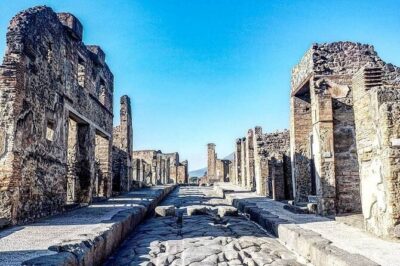
Pompeii Express Guided Tour by Train from Sorrento
Read our review →Browse the lists this tour appears in