
Reviewed · COLOSSEUM & ROMAN FORUM TOURS
Ancient Rome Guided Tour: Colosseum, Forum and Palatine & Pick Up
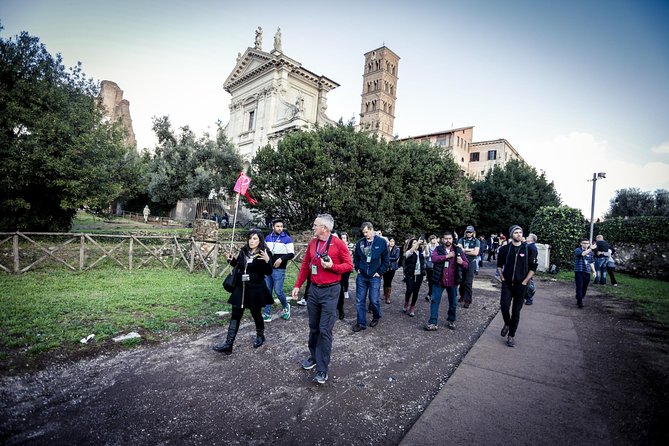
Rome’s ancient center comes alive when you understand how the Palatine Hill, Roman Forum, and Colosseum fit together. This half-day tour gives you that sequence in one visit, with reserved entry and a guide to explain what you are looking at instead of leaving you among a field of weathered stones and broken columns.
I like the hotel pickup, especially if this is your first morning in Rome and you are still learning the city’s streets. I also like the wireless headsets and the chance to hear the story while walking through a large archaeological area. The main caution is that the quality can depend heavily on your guide, and the outdoor route can be hot, bright, and tiring.
Key points to know before booking
- Three major ancient sites in about three and a half hours: You visit Palatine Hill, the Colosseum, and the Roman Forum in one tightly planned outing.
- Hotel pickup can simplify your morning: Be ready in the lobby 45 minutes before departure, or 60 minutes if your hotel is outside the central coverage area.
- The Colosseum entry is reserved: Admission and reservation fees are included, helping you avoid arranging those pieces yourself.
- Guides shape the experience: Rita, Nicoletta, Roger, Alessa, Marcello, and Letty are among the guides praised for clear explanations, humor, pacing, and personal attention.
- Expect real walking on ancient surfaces: Cobblestones, marble slabs, steps, sun, and uneven ground make sturdy shoes and moderate fitness important.
- Bring official identification: Your passport or ID card is mandatory, and names must match the booking details closely.
Why this half-day route works in Rome
Rome’s archaeological zone is not a tidy museum with one entrance and a clear route. It spreads across hills, roads, temples, basilicas, arches, and foundations from different centuries. You can easily spend hours looking at ruins without knowing what mattered or how the pieces connected.
This tour gives you a useful order. You begin on Palatine Hill, look down over the Forum, then visit the Colosseum, and continue through the Forum and along ancient Roman routes. That order helps you see Rome from above before walking through its political center and ending at its most famous arena.
The advertised duration is about 3 hours and 30 minutes, with roughly an hour assigned to the Colosseum and an hour to the Roman Forum. Palatine Hill receives a shorter listed stop, though the total time there can depend on the guide, walking pace, and crowd conditions.
A maximum of 20 people keeps this smaller than a large coach excursion, but it is not a private tour. You still need to stay alert in crowds. Several strong experiences came from guides who counted groups carefully, used a flag, gave clear directions, and paused for water and shade. Those details matter here because the archaeological area is wide and easy to navigate badly.
A few other Rome mornings to weigh against this
- Colosseum, Roman Forum & Palatine Guided Tour
★ 4.7 · 63,148 reviews - Rome: Colosseum, Palatine Hill and Roman Forum Guided Tour
★ 4.8 · 32,814 reviews - Rome: Guided Tour of Colosseum, Roman Forum & Palatine Hill
★ 4.7 · 27,897 reviews
Palatine Hill gives you the best opening view
Palatine Hill is the centermost of Rome’s Seven Hills and rises about 40 meters above the Roman Forum. From its paths, you look across the Forum on one side and toward the Circus Maximus on the other.
This is more than a scenic first stop. Palatine Hill was linked to Rome’s earliest traditions and later became the preferred address of emperors. From the time of Augustus, imperial residences were built here. The word palace itself is connected to the hill’s name, a small detail that helps explain why this place carries such weight in Roman history.
I like beginning here because the elevated view gives you a map before the walking becomes more demanding. When the guide later points out the Sacred Way, government buildings, or the Forum’s temples, you have already seen how the pieces sit together.
Do not expect a quiet garden walk. The ground is uneven, and the sun can be strong. The best guides adjust their stops, using shade where possible and allowing time for water and photos. On a hot day, that is not a minor courtesy. It can determine whether you enjoy the second half of the tour.
The Colosseum is more than an arena
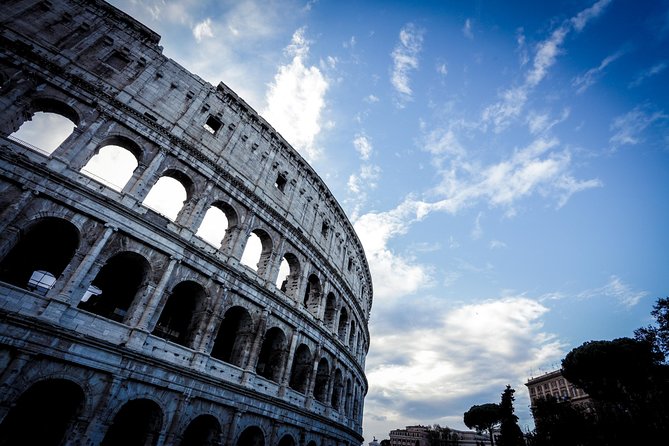
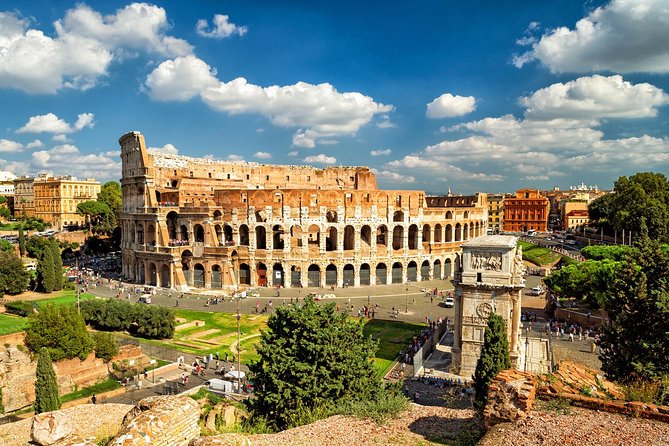
The Colosseum is the tour’s headline attraction, and you spend about one hour inside it. Built from travertine, tuff, and brick-faced concrete, it was the largest amphitheater ever built. Its scale is still startling, even after you have seen countless photographs.
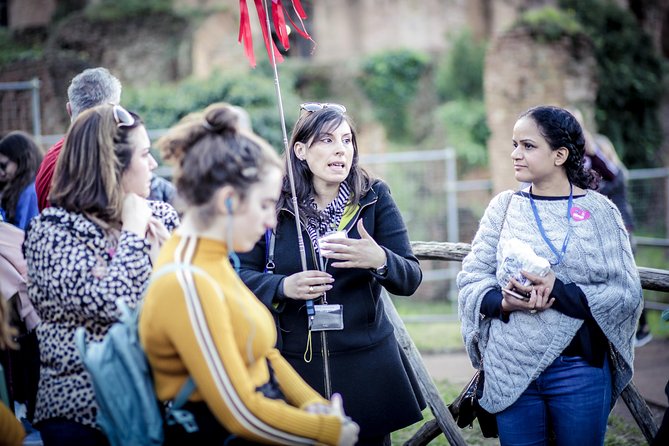
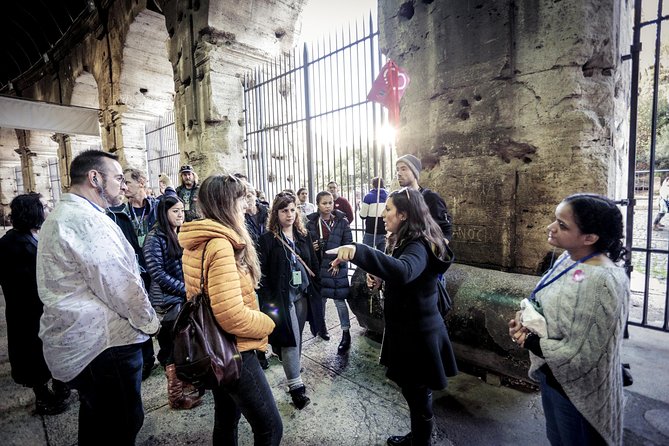
A guide adds the part that photographs cannot provide. You learn how the building functioned as a public venue, how Roman engineering handled enormous crowds, and how the arena fit into civic and political life. The strongest guides use stories, comparisons, and old reconstruction images to help you picture the building as it once appeared.
Rita is especially well suited to families and photo-minded visitors. Her tour style has included showing images of the Colosseum’s earlier appearance and helping each family find a good photo spot. Roger has been praised for clear instructions, water breaks, humor, and keeping tweens involved. Marcello V has also received praise for making people comfortable while packing a great deal of information into three hours.
The reserved Colosseum ticket is a real convenience. The listed admission value is €18 per person, with a €2 reservation fee included. At a total price of $98.86, you are paying far more than the entry itself, but the rest covers the guide, organization, transportation, headsets, and the work of getting a group through one of Rome’s busiest sights.
Do keep your identification handy. The tour requires your passport or ID card, and the full names of all participants must be provided when booking. One visitor encountered trouble because a nickname did not match the passport name exactly. The issue was resolved, but it is wiser to avoid that problem altogether.
If you have a pacemaker, bring the required certificate. Without it, you may not be admitted unless additional screening is completed.
The Sacred Way connects the monuments
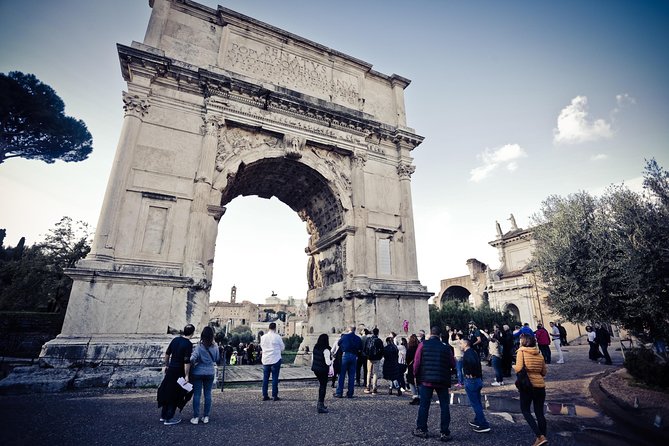
The Via Sacra, or Sacred Way, was ancient Rome’s main street. It ran from the Capitoline Hill through the Forum’s key religious sites toward the Colosseum.
Walking this route gives the tour a sense of movement. You are not simply jumping between isolated ruins. You are following the road used for public ceremonies, religious events, and triumphal processions. The Roman triumph was a formal civil and religious ceremony celebrating a commander’s military success in service of the state.
That context changes the way you view the Forum. A broken arch or broad paving stone becomes part of a route built for display and power. The guide’s job is to help you imagine the people, rituals, and political messages that once filled the street.
This is also where a group can become scattered. Crowds, uneven pavement, and frequent stops make it easy to lose sight of the guide. Choose a place near the front if you need to hear every word, and keep the guide’s flag or group marker in view. The use of wireless audio headsets helps, but it does not solve every problem if people fall behind.
Same city, an entirely different afternoon:
- Vatican Museums & Sistine Chapel Tour with Optional Basilica
★ 4.3 · 67,413 reviews - Vatican Museums, Sistine Chapel & St Peter’s Basilica Guided Tour
★ 4.5 · 39,149 reviews - Rome: Colosseum & Forum with Audio Guide App -Optional Arena
★ 4.2 · 24,770 reviews - Rome: Colosseum, Roman Forum and Palatine Hill Guided Tour
★ 4.5 · 23,903 reviews
The Roman Forum explains how Rome governed
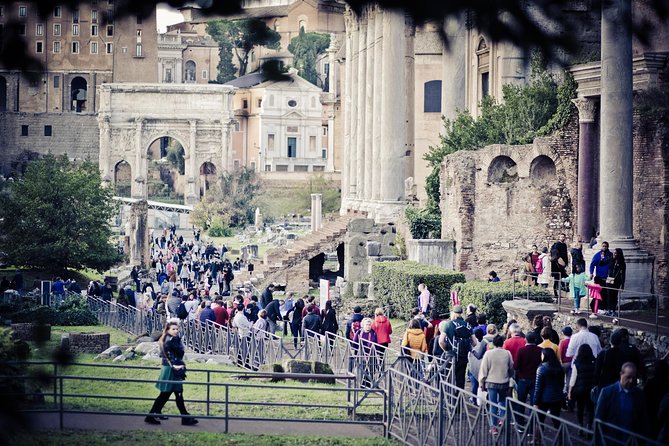
The Roman Forum was originally a marketplace and later became the center of public life. Its rectangular space was surrounded by important government, religious, and commercial buildings.
This is the part of the route where a guide can make or break your visit. Without explanation, the Forum may look like a collection of foundations, columns, and scattered stones. With a clear guide, you begin to understand where public business took place, how religious sites shaped daily life, and why the Forum mattered to ordinary citizens and powerful politicians alike.
The Forum is also physically demanding. You walk over ancient paving, cobblestones, and marble slabs, often in full sun. Wear running shoes or another pair with solid support. Sandals with poor grip are a bad match for the route.
Guides praised for this section include Alessa, whose pacing and explanations have been singled out, and Letty, who has been credited with making ancient Roman history easy to follow. Nicoletta is another strong choice if you value practical care along with facts. She has been praised for answering questions, helping with photos, and making sure people had water.
The experience is not uniformly polished. Some guides have rushed ahead, failed to keep the group together, or spoken too quickly for easy understanding. One guide was criticized for spending too long in the sun and focusing on construction materials rather than the larger story. That inconsistency is the biggest risk of booking a group tour instead of a private guide.
Via dei Fori Imperiali adds a later Roman view
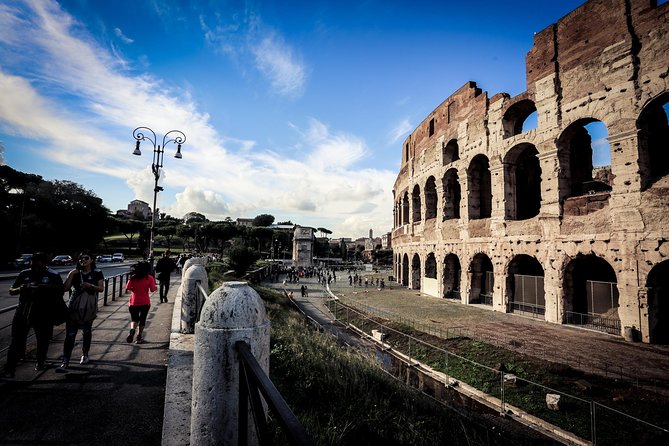
The route also takes in Via dei Fori Imperiali, the broad road running between Piazza Venezia and the Colosseum. Parts of the Forums of Trajan, Augustus, and Nerva can be seen along its course.
The road was created in the modern era over parts of the ancient imperial forums. Archaeological work has continued around it, making this an interesting place to think about Rome as a city built in layers. Ancient political centers sit below and beside modern traffic, sidewalks, and city life.
This portion helps connect the Roman Forum with the wider imperial complex. It also gives you a useful view toward the Colosseum and the surrounding ruins. Your guide may use the area for a final explanation or as a transition, so do not treat it as simple walking between stops.
Hotel pickup is helpful, but allow extra time
Pickup is offered from covered hotels, but it is not a quick doorstep departure. You must be ready in the lobby 45 minutes before departure, or 60 minutes before departure if your hotel is considered non-central.
That early reporting time is important. A pickup scheduled for a short drive can still involve collecting other people, checking coverage, and dealing with Rome traffic. One delayed pickup arrived 45 minutes after the requested lobby time, while another poor experience involved a driver leaving after waiting. The practical lesson is simple: read the pickup instruction carefully and confirm the exact time with reception or the booking office.
If your hotel is not covered, the alternative meeting point is inside Colle Oppio Park, at Via delle Terme di Tito near the corner of Via Nicola Salvi. This location is close to the Colosseum area, but you must arrange your own way there.
Transportation is included, but drop-off is not. Plan your lunch, museum visit, or return journey from the end point rather than expecting to be taken back to your hotel.
What the $98.86 price really buys
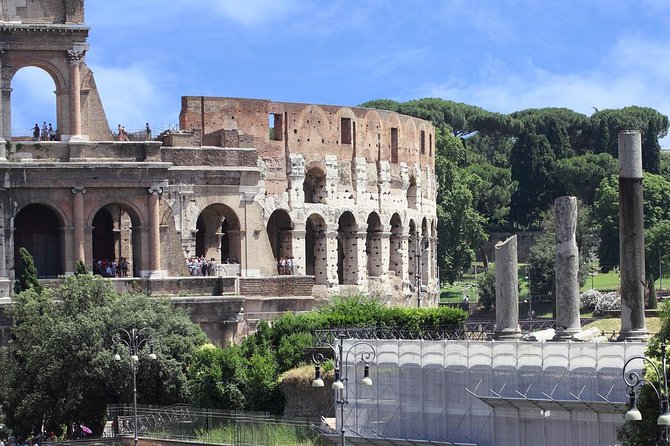
At $98.86 per person, this is not a budget entry ticket. The Colosseum, Forum, and Palatine admission and reservation fees total €20 in the stated breakdown. The remaining cost pays for transport, a professional guide, wireless audio equipment, group coordination, and the convenience of a reserved place.
I would consider the price fair if you want someone else to handle the difficult parts. Rome’s archaeological sites can be confusing, and the Colosseum is one of the city’s most heavily visited sights. Pickup is useful if you are staying in a covered central hotel and do not want to sort out the first leg of the morning.
The value drops if you already know the Forum well, dislike fixed pacing, or want long stretches for photography. Three major sites in half a day means the route is efficient, but not leisurely. You get an organized introduction rather than an unhurried archaeological study.
The small-group limit of 20 is another part of the value. It offers a better chance to hear the guide than a large coach group, though you should not expect the personal attention of a private tour.
Heat, walking, and family comfort
Plan for outdoor conditions. Bring water, sunscreen, and a hat, especially in summer. The most considerate guides look for shade, offer water breaks, and adjust their pace when children or older adults need help.
You need a moderate level of physical fitness. The tour is not recommended for people with impaired mobility, and the ancient surfaces are not designed for easy rolling or smooth walking. Children must be accompanied by an adult.
Families can do well on this tour when the guide uses stories and humor. Roger has been praised for holding the attention of tweens, while Rita has been praised for her energy and patience. Still, parents should be ready for heat, long periods on foot, and limited freedom to stop whenever a child needs a break.
Which guide style suits you best?
The company assigns the guide, so you cannot count on choosing Rita, Nicoletta, Alessa, Roger, Marcello, or Letty. Their strengths show what is possible: strong storytelling, clear English, a steady pace, practical help, and attention to pictures and water.
The less successful experiences show the tradeoff. A guide who rushes, speaks unclearly, or lets the group scatter can make even Rome’s greatest monuments feel flat. A multilingual guide may operate the tour, and the English delivery can vary.
Stay near the guide, listen for instructions, and ask questions early. If you need a slower pace, say so before the group gets deep into the archaeological area. The company has received an overall rating of 4.5 from 540 reviews, which suggests a generally solid product but not a guaranteed perfect guide match.
Should you book this Ancient Rome tour?
Book it if you want the three essential ancient Roman sights in one organized half-day, especially if hotel pickup and reserved Colosseum entry matter to you. It suits first-time visitors, families with older children, and anyone who wants the ruins explained rather than simply photographed.
Think twice if you have limited mobility, need a slow and flexible schedule, or want certainty about the individual guide. The price is sensible for the transport and planning help, but the experience depends on clear communication, good group control, and sensible shade breaks.
Bring your passport or ID card, use your exact official name when booking, wear sturdy shoes, and arrive early for pickup. With those details handled, this tour offers a practical introduction to the ancient heart of Rome.
FAQ
How long does the Ancient Rome Guided Tour last?
The tour lasts approximately 3 hours and 30 minutes.
Which sites are included?
The tour includes Palatine Hill, the Colosseum, and the Roman Forum. It also covers the Via Sacra, the Roman triumph, and Via dei Fori Imperiali as part of the route.
Is hotel pickup included?
Pickup is offered from covered hotels. You must be ready in the hotel lobby 45 minutes before departure, or 60 minutes before departure for non-central hotels.
What happens if my hotel is not covered?
You must travel to the meeting point inside Colle Oppio Park, at Via delle Terme di Tito near the corner of Via Nicola Salvi.
Is transportation included after the tour?
Transportation is included for the pickup service, but drop-off is not included.
Is the tour offered in English?
Yes. The experience is offered in English, though it may be operated by a multilingual guide.
Do I need to bring identification?
Yes. You must bring your passport or ID card on the day of the tour. The full names of all participants are also required when booking.
What should I wear and bring?
Wear sturdy walking shoes and bring water, sunscreen, and a hat. The route includes cobblestones, marble slabs, uneven ground, and areas with limited shade.
Can I cancel for a full refund?
You can cancel at least 24 hours before the experience start time for a full refund. Changes or cancellations made less than 24 hours before the start time are not accepted for a refund.
Fresh on the Rome list
- Exclusive Golf Tour Private VIP with Local & Gelato o Wine★ 5.0 · 500 reviews
- Colosseum, Palatine Hill and Roman Forum with Guided Tour★ 5.0 · 500 reviews
- Rome by Night Walking Tour★ 4.5 · 506 reviews
- Rome Trastevere Pasta Making Class with Eating Europe★ 5.0 · 505 reviews
- Rome: Colosseum Express Tour with Forum & Palatine Access★ 4.5 · 511 reviews
- Rome Food Experience Max 6 People Group Tour | w/Private Option★ 5.0 · 516 reviews
- Rome: Navona Square Underground Ticket with Audio Guide★ 4.0 · 518 reviews
- Rome: Escorted Papal Audience Experience with Entry Ticket★ 4.4 · 518 reviews
Colosseum & Roman Forum Tours, compared.
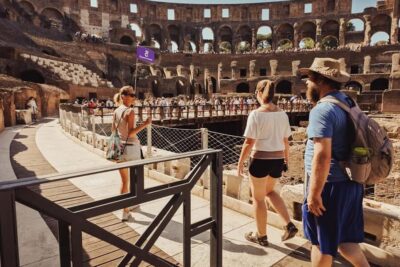
Colosseum, Roman Forum & Palatine Guided Tour
Read our review →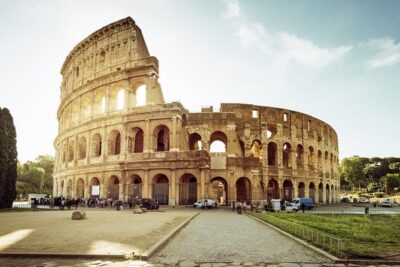
Colosseum, Palatine Hill and Roman Forum Guided Tour
Read our review →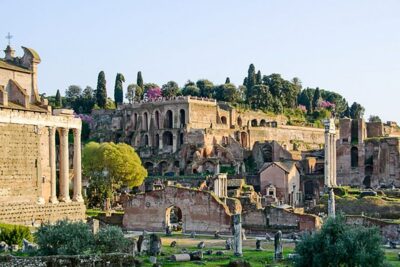
Guided Tour of Colosseum, Roman Forum & Palatine Hill
Read our review →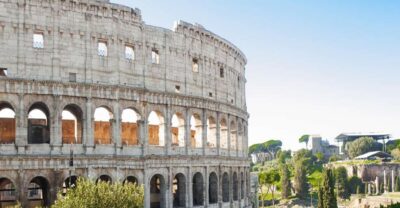
Colosseum & Forum with Audio Guide App -Optional Arena
Read our review →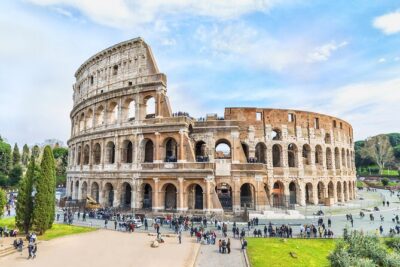
Colosseum, Roman Forum and Palatine Hill Guided Tour
Read our review →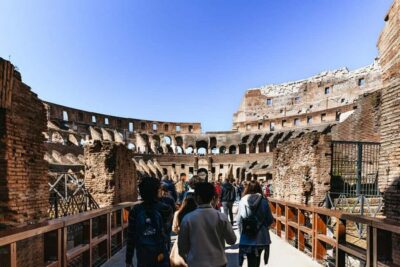
Colosseum, Forum & Palatine Hill Tour & Optional Arena
Read our review →
Colosseum, Roman Forum, Palatine with Multimedia Video
Read our review →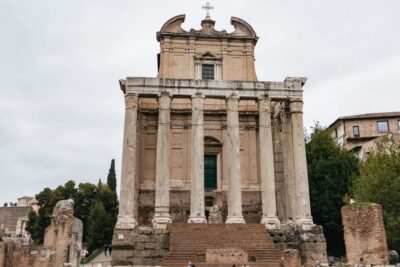
Colosseum, Palatine Hill & Roman Forum Guided Tour
Read our review →Browse the lists this tour appears in