
Reviewed · WALKING TOURS
Venice: Walking Guided Tour of the City Must-See Sites
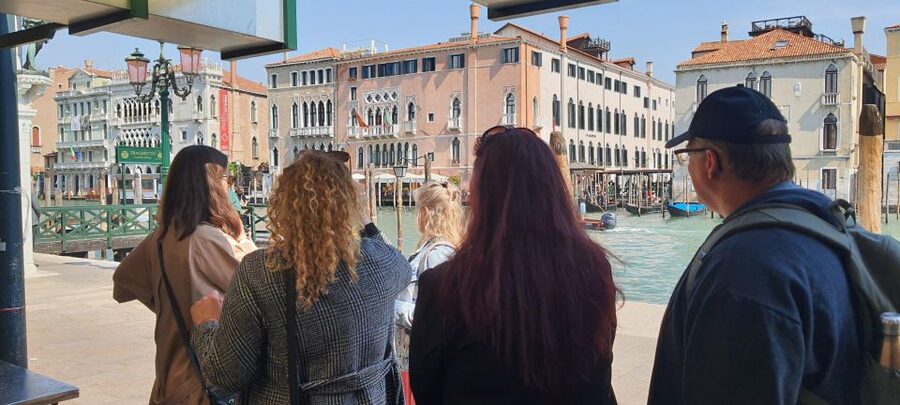
Venice reveals itself best on foot, and this two-hour walk gives you a useful route through its maze of lanes, bridges, and small squares before finishing at St. Mark’s Square. You’ll cross the famous Rialto Bridge, see the outside of important churches and schools, and get context for how Venice works today.
I like the route’s cross-city orientation, from Dorsoduro to San Polo, Rialto, and St. Mark’s. I also like the local angle: guides such as Valentina, Flavia, Julia, Annalisa, and Irene have shared practical advice about restaurants, quiet corners, and using the vaporetto. The main drawback is simple: two hours of walking across Venice can feel tiring, and there are no interior visits or built-in food stops.
Key points to know before you book
- Start near Ca’ Foscari University: Meet at Campiello dei Squilini, by the colored wall in Dorsoduro.
- Cross Rialto Bridge: This is one of the tour’s main visual moments, with time for explanation and sightseeing.
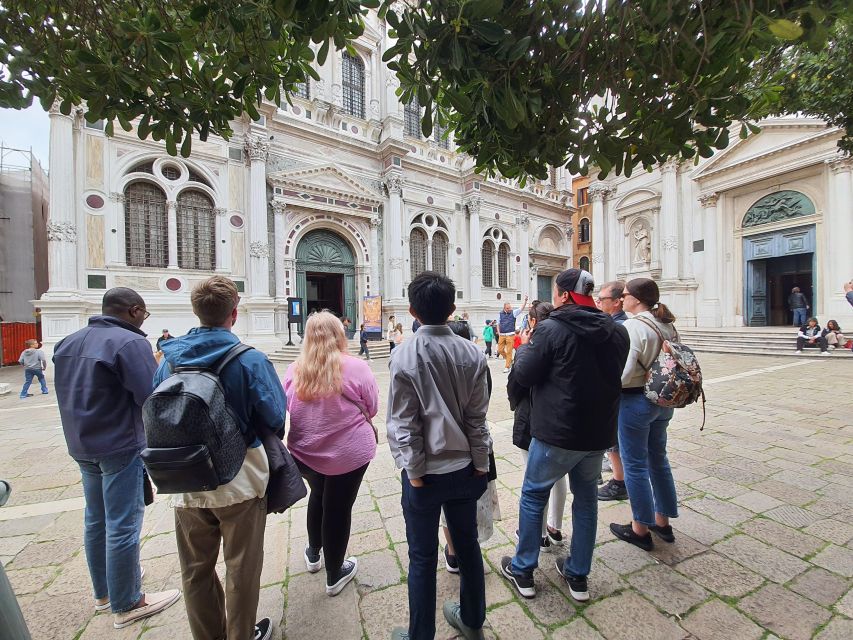
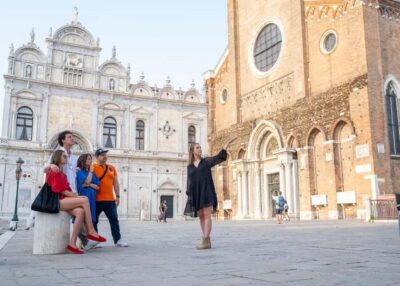
- See major sights from outside: The route includes the Scuola Grande di San Rocco, Basilica dei Frari, and the sights around St. Mark’s Square.
- Learn Venice’s practical side: Guides explain the city’s geography, districts, local habits, and transport, not just dates and grand buildings.
- Finish in a useful location: You end at Piazza San Marco, a good base for continuing your own sightseeing.
- Plan for steady walking: Wear comfortable shoes, bring water, and arrive at least 10 minutes early.
Why this Venice walking tour works as a first-day introduction
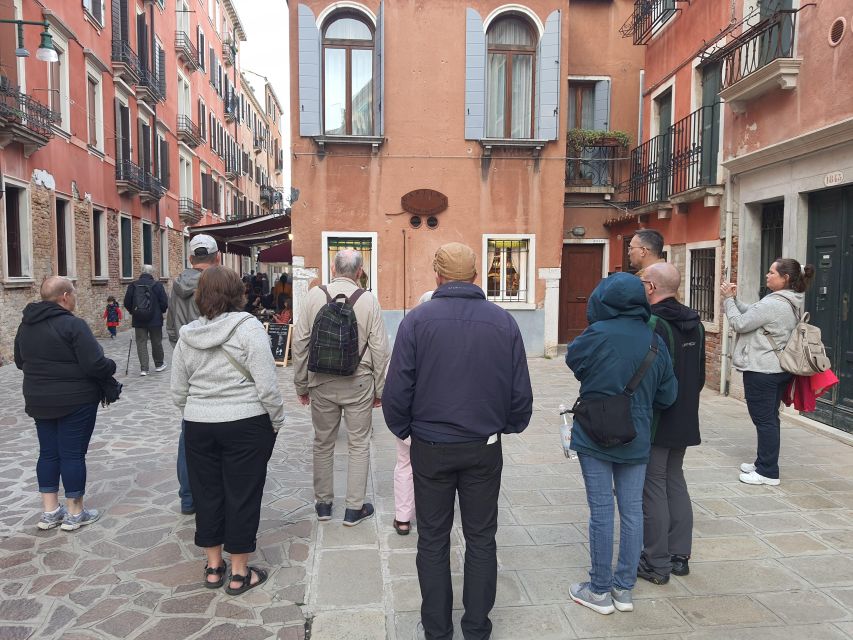
Venice can be confusing even when you have a good map. Streets change names, bridges appear where you least expect them, and a route that looks short on paper may require several detours around canals. This tour helps you build a mental map while explaining what you are seeing.
The walk begins in Dorsoduro, near Ca’ Foscari University. That location puts you away from the most crowded part of central Venice at the start. You meet at Campiello dei Squilini, near the colored wall, then set off with an English-speaking guide.
The tour is especially useful early in your stay. You learn how the central districts connect and finish at St. Mark’s, where you can continue exploring on your own. Several guides also give practical suggestions about where to eat, where to find quieter areas, and how to use the vaporetto. One guide helped explain the number 1 vaporetto, which runs along the Grand Canal and offers a scenic ride for €9.50 per person.
I would not treat this as a substitute for a full Venice history course. It is a brisk introduction with stories, local detail, and orientation. That balance is one of its strengths. You are less likely to forget a useful explanation about a neighborhood or bridge than a long string of dates.
More Walking Tours in Venice
- Venice Walking Tour and Gondola Ride
★ 3.5 · 3,630 reviews - Venice: Rialto Bridge & Offbeat Unusual Venice Walking Tour
★ 4.2 · 3,538 reviews - Private 3 hrs Venice Tour: St Mark’s, Walking tour & Boat tour
★ 4.0 · 3,372 reviews
Dorsoduro and the Scuola Grande di San Rocco
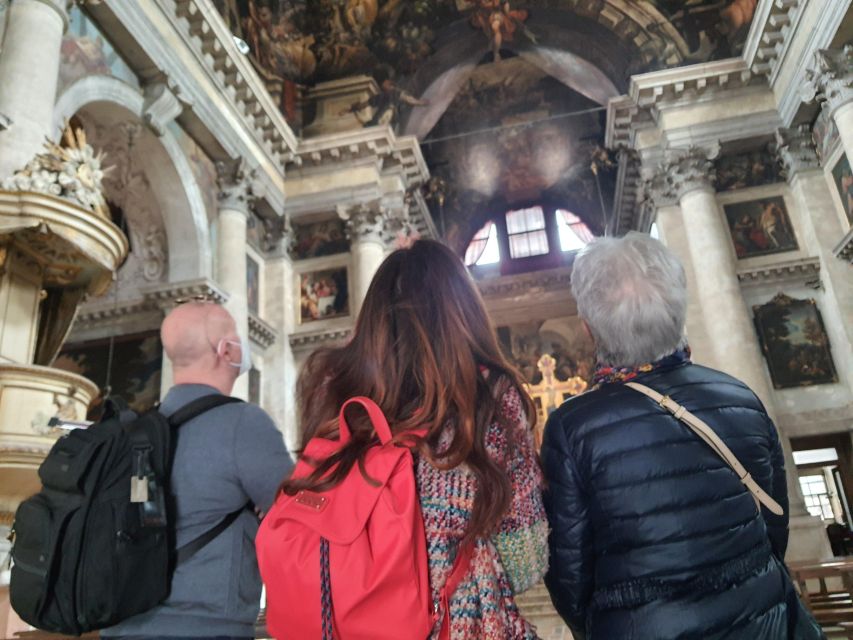
The first major stop is the Scuola Grande di San Rocco, where the guide spends about 15 minutes on guided sightseeing. The building is viewed from outside, so you should not expect to enter or see its interior art during this activity.
Even from the street, the Scuola Grande di San Rocco gives the guide a good opening point for explaining Venetian society, religious charities, and the role of grand civic institutions. The stop also helps set the tone for the rest of the walk: look closely, listen to the story behind the facade, and notice how Venice fits major buildings into narrow urban spaces.
This is also a good place to get used to the pace. You will stop to listen, then continue through the streets rather than remaining in one place for a long lecture. Guides have been praised for keeping the walk moving while still allowing time for questions and small details.
If you want to spend serious time inside the Scuola Grande di San Rocco, you will need to return separately and pay any entrance fee. No admission is included.
San Polo, Frari, and the feel of everyday Venice
The route continues toward San Polo, another central district with a 15-minute sightseeing section listed in the schedule. San Polo gives you a chance to see Venice as a lived-in city rather than only a collection of postcard sights.
The tour also passes the Basilica dei Frari from outside. This church is tied to the painter Titian, who is buried there, giving the guide a natural way to explain Venice’s artistic past and the people connected with it. Again, the value here is the context. You are not simply pointed toward a facade. You get a reason to remember it.
The fish market has also been part of the route described by participants, adding a more everyday side of Venice to the grand churches and palaces. Details like this matter because the city’s character is not found only in St. Mark’s Basilica or the Doge’s Palace. Markets, small lanes, neighborhood squares, and working routes help explain how Venice functions.
I like this middle section because it gives the walk some variety. You move from an impressive historic institution to a major church and then through ordinary city streets. The drawback is that the schedule is tight. If you stop often for photographs, you may need to listen while standing rather than wander at your own pace.
Rialto Bridge and Venice’s central crossing
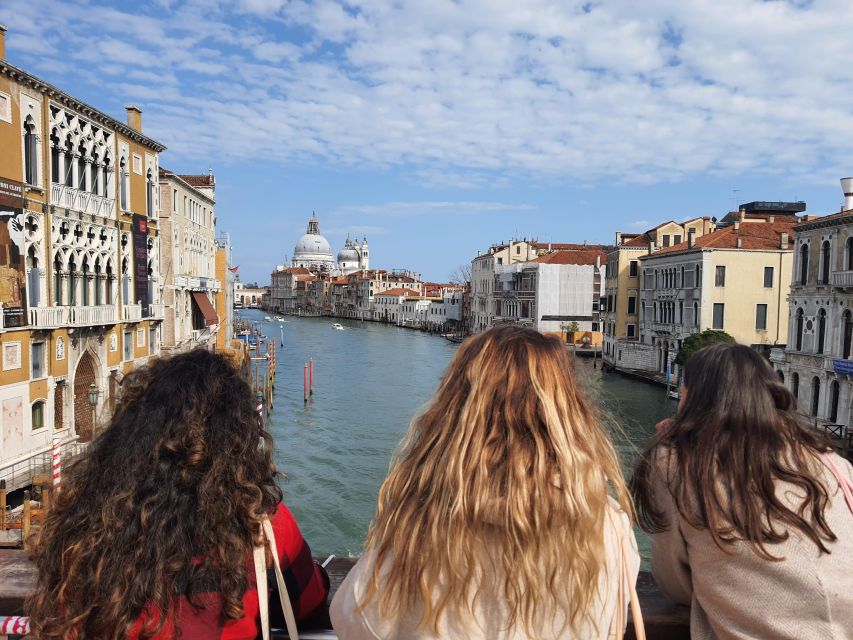
Rialto is one of the clearest highlights. The tour includes a guided stop of about 15 minutes, including a crossing of Rialto Bridge. You get the classic view and a practical sense of why this bridge is so important to Venice’s movement between districts.
The bridge can be crowded, so the guide’s timing and positioning matter. Several guides have been praised for moving groups through busy areas without lingering too long. That is helpful here. You want enough time to understand the bridge and enjoy the view, but not so much time that the group becomes stuck in the crowd.
Rialto also works as a lesson in Venice’s layout. The bridge connects important parts of the city and sits near the market area, making it a useful point for talking about commerce and daily movement. You get more from the stop if you pay attention to the surrounding canals and routes rather than treating the bridge as a quick photo opportunity.
The crossing is not difficult in the sense of a long hike, but Venice requires constant attention to steps, bridges, and uneven paving. If you have heart problems or another serious medical condition, this activity is not recommended. Wheelchair users should also choose a different tour because the walk is not suitable for wheelchair access.
Same city, an entirely different afternoon:
- Venice: Doge’s Palace Reserved Entry Ticket
★ 4.6 · 42,716 reviews - Venice: Grand Canal Gondola Ride with App Commentary
★ 4.1 · 18,908 reviews - Boat Trip: Glimpse of Murano, Torcello & Burano Islands
★ 4.3 · 15,699 reviews - Venice: Grand Canal by Gondola with Live Commentary
★ 4.1 · 13,681 reviews
Cannaregio and the Jewish Ghetto connection
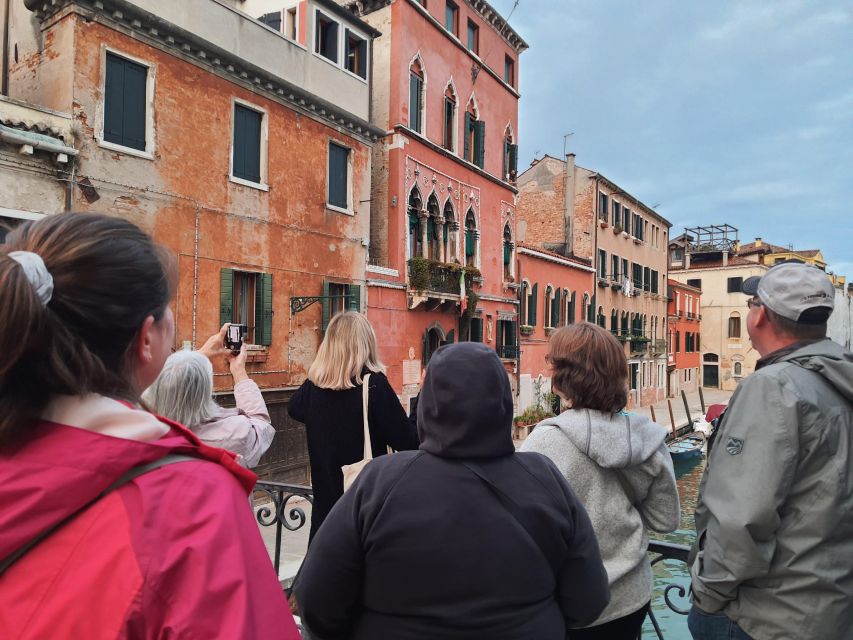
The route description includes Cannaregio and its Jewish Ghetto among the districts explored. The exact amount of time spent there can depend on the guide and the day’s walking conditions, but this part adds a useful social and cultural layer to the tour.
Cannaregio is important because it takes you beyond the narrow circuit of Rialto and St. Mark’s. The Jewish Ghetto also gives the guide a chance to explain a part of Venice’s religious and civic story that can be missed when you focus only on the biggest monuments.
Do not expect an entrance visit or a detailed museum tour here. This is an outdoor walk. The guide’s explanations and anecdotes are the main experience, so you should choose this tour if you enjoy learning through conversation and observation.
The local guides are a major part of the value. Valentina has been praised for her energy, humor, city knowledge, and practical restaurant suggestions. Flavia has been noted for her warmth and advice about dinner. Julia, described as a local Venetian, has answered detailed questions and helped point people away from crowded areas. Annalisa has brought social context and small observations about her home city. The exact guide is not guaranteed, but the repeated strength of the guiding team is an important reason to consider the tour.
St. Mark’s Square, the grand finish
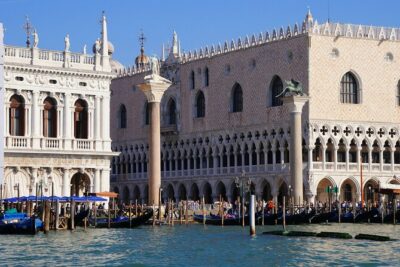
The walk ends at Piazza San Marco, Venice’s most famous public space. From here you can admire the Basilica di San Marco and Palazzo Ducale from outside. The ending is well chosen because you are placed beside two of the city’s essential sights without using tour time on a formal interior visit.
The square can feel very different from the quieter lanes earlier in the walk. Your guide can help you understand the relationship between the basilica, the Doge’s Palace, and the ceremonial heart of Venice. You will not enter either building, so plan a separate visit if you want to see the interiors.
Finishing here also gives you flexibility. You can continue sightseeing, arrange an interior visit, walk toward the waterfront, or make your way to another part of Venice. I like tours that end in a useful place rather than returning you to the starting point, especially in a city where every crossing takes time.
What the guiding style adds
The strongest feature is the guide’s delivery. This is not designed as a silent march from one landmark to another. The guide explains Venetian history, local customs, geography, and small details that are easy to miss when you walk alone.
The best feedback has focused on guides who make the information feel personal. Irene began with basic geography and used visual material to make the city easier to understand. Other guides have used humor, local stories, and restaurant advice to keep the walk lively. One guide regularly pointed out tiny features that would have passed unnoticed, while another made an effort to find shade in hot weather.
The tour is conducted only in English. You should be comfortable listening to spoken English while walking and standing outdoors. If you have questions, this format can work well because the guides are used to explaining Venice and answering them along the way.
Some departures have used headsets, which can make it easier to hear in busy streets. Do not rely on this as a guaranteed feature unless it is confirmed for your booking.
Price, pace, and practical value
At $44 per person, the tour is reasonably priced for two hours with a local expert and a small group. The value comes from the route and the explanations, not from admissions, meals, or transport. You are paying for orientation and interpretation.
That makes the tour a better buy for a first visit than for someone seeking a long, specialized art tour. You cover several districts and major sights, but you do not enter the Scuola Grande di San Rocco, the Frari, St. Mark’s Basilica, or the Doge’s Palace. Add those admission costs separately if they are part of your plan.
The walk covers a lot of ground in two hours. The pace has generally been described as comfortable but active, with enough stops for explanations. Still, this is not a gentle stroll with frequent café breaks. You should be ready to walk continuously through Venice’s lanes and over bridges.
Bring water because the tour cannot add unscheduled stops. Wear shoes with good support, and dress for the weather. Rain can make the paving wet, while summer heat can make a cross-city walk tiring. The guide may seek shade or adjust the pace, but the tour remains outdoors.
The meeting point deserves careful attention. Campiello dei Squilini is near Ca’ Foscari University in Dorsoduro, by the colored wall. Venice’s maze can make a time-sensitive meeting surprisingly difficult, so allow extra time to find it. Arrive 10 minutes early. The operator says the group can wait no more than five minutes after the scheduled start, and late arrivals cannot join once the walk is under way.
Free cancellation is available up to 24 hours before the activity for a full refund, and you can reserve now and pay later. A private group option is also available if you prefer a more personal format.
Who should book this walk
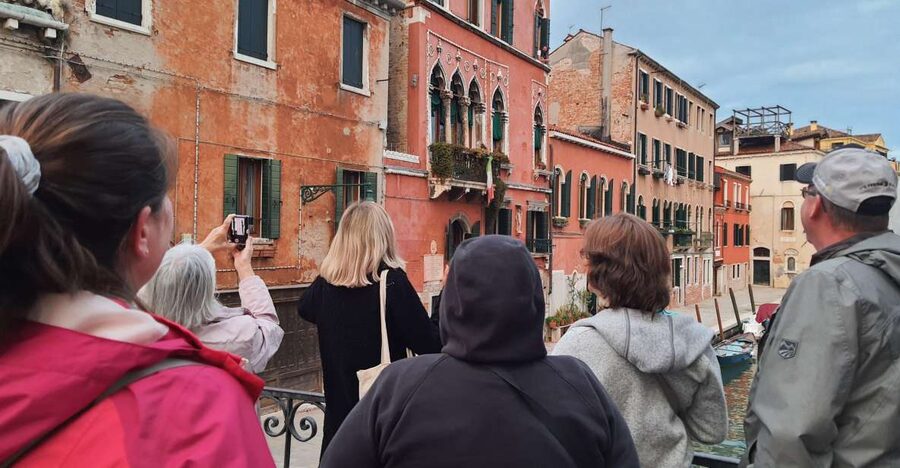
I would recommend it to a first-time visitor who wants to understand Venice before tackling the major interiors. It is also useful for solo visitors, couples, and families with older children who can keep up with a steady two-hour walk.
You will get the most from it if you enjoy stories, local explanations, and practical advice. It is less suitable if you want a museum visit, a food tour, a slow photography walk, or a fully accessible route.
The 4.7 rating from 1,095 reviews reflects a consistently strong experience, with the guides receiving the most praise. The main issues are the demanding meeting point, the outdoor format, and the lack of included admissions. Those are easy to accept if you know what you are booking.
Should you book the Venice Must-See Sites walk?
Book it if you want to get your bearings fast, cross Rialto Bridge, see key landmarks from outside, and learn how Venice fits together from a local English-speaking guide. Schedule it near the start of your stay, then use the advice you receive to plan your own meals, vaporetto rides, and interior visits.
Skip it if you need wheelchair access, cannot manage two hours of walking, or want to spend the whole tour inside Venice’s famous churches and palaces. For most first-time visitors who value practical orientation over formal admissions, $44 is a fair price for a lively introduction to the city.
FAQ
How long is the Venice walking tour?
The tour lasts two hours.
What language is the tour conducted in?
The tour is conducted only in English.
Where does the tour begin?
The meeting point is Campiello dei Squilini near Ca’ Foscari University in the Dorsoduro district, by the colored wall.
Where does the tour finish?
The tour finishes in St. Mark’s Square, also called Piazza San Marco.
Does the tour enter St. Mark’s Basilica or the Doge’s Palace?
No. The tour is outdoors, and entrance fees are not included.
Does the tour cross Rialto Bridge?
Yes. Crossing Rialto Bridge is one of the main parts of the route.
What should I bring?
Bring comfortable shoes, weather-appropriate clothing, and a bottle of water.
Is the tour suitable for wheelchair users?
No. The activity is not suitable for wheelchair users.
Can I cancel the booking?
Yes. You can cancel up to 24 hours in advance for a full refund. Reserve now and pay later is also available.
Fresh on the Venice list
- Murano: Glass Blowing Demonstration and Artistic Glass Gift★ 4.6 · 507 reviews
- From Venice: Dolomites, Lake Misurina, and Cortina Day Trip★ 4.6 · 508 reviews
- Venice Islands: Murano Glass & Burano Colors Guided Visit★ 4.5 · 510 reviews
- The Majestic Teatro La Fenice: Guided Tour in Venice★ 4.3 · 513 reviews
- Real Venetian Kayak – Tour of Venice Canals with a Local Guide★ 4.5 · 518 reviews
- Venetian Carnival Mask Making Class in Venice, Italy★ 4.5 · 525 reviews
- Half Day Murano and Burano Island Tour by Private Boat★ 4.5 · 529 reviews
- Venice Trilogy: Murano, Burano & Torcello by Lagoon Boat★ 4.5 · 532 reviews
Walking Tours, compared.
Guided Walking Tour & Last Supper Visit with Ticket
Read our review →
Rialto Bridge & Offbeat Unusual Venice Walking Tour
Read our review →
Private 3 hrs Venice Tour: St Mark’s, Walking tour & Boat tour
Read our review →
Skip the line: Uffizi and Accademia Small Group Walking Tour
Read our review →Browse the lists this tour appears in