
Reviewed · MUSEUMS
Venice: Natural History Museum Entry Ticket
Venice’s Natural History Museum has one of the city’s best surprises: a 13th-century palazzo filled with dinosaurs. Inside, you’ll find around two million objects, from fossils and zoological specimens to ethnographic pieces, all arranged through rooms that feel more like a cabinet of curiosities than a standard modern museum.
I like the excellent value at $11 and the calm break it gives you from Venice’s packed lanes. I also like the Grand Canal setting, the courtyard and garden, and the mix of hands-on displays and old-school taxidermy. The main drawback is that English explanations are not guaranteed, so an audio guide or translation app can help.
Key points to know before you go
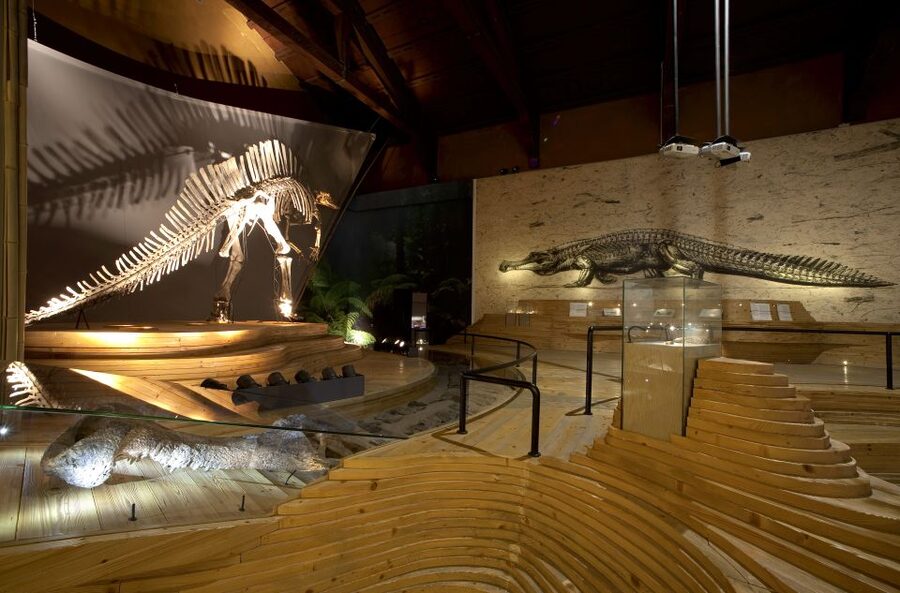
- See a 7-meter Ouranosaurus nigeriensis among the museum’s most impressive prehistoric displays.
- Study the skull of a Sarchosuchus imperator, a giant prehistoric crocodile found in Africa.
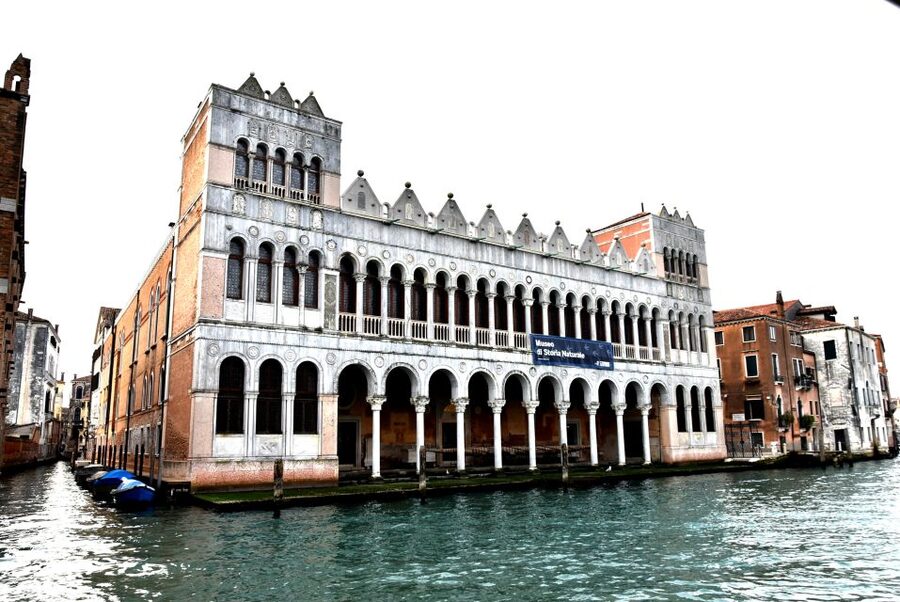
- Explore a 13th-century Grand Canal palazzo, complete with an internal courtyard, garden, and terrace.
- Expect around two million objects, with the strongest sections devoted to fossils, paleontology, and zoology.
- Plan 40 minutes to several hours, depending on how closely you read and how much your family enjoys the displays.
- Use an English voice guide or translation app, since room labels and exhibit notes may not always be available in English.
A natural history museum in a Venetian palazzo
You reach the museum on the edge of the Grand Canal, where its old Venetian architecture is part of the experience. Before you even enter, take a moment to look at the building from the water and photograph the facade. It is a more theatrical arrival than the plain entrance of many city museums.
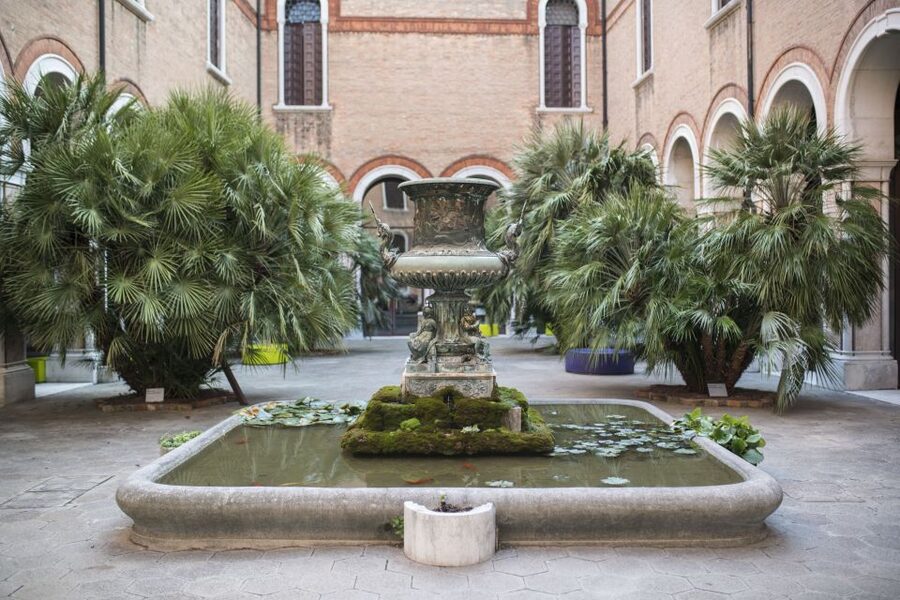
Inside, the setting continues to do much of the work. Rooms open into a courtyard and garden, and the building gives the museum a quiet, slightly mysterious mood. The displays are not all arranged in bright, modern galleries. Some rooms have a traditional museum feel, with specimens and objects presented in a more historic style.
That mix is important. You are not simply walking through a new science center. You are seeing natural history through the eyes of collectors, explorers, and museum keepers from earlier generations. For some people, that atmosphere is the museum’s greatest pleasure. For others, it can feel old-fashioned.
The museum is wheelchair accessible, and there are toilets and lockers for storing a backpack. A small shop is useful if you are visiting with children, particularly if they want a book or a science-themed souvenir.
More Historical Tours in Venice
- Venice: St. Mark Basilica Ticket, Audioguide+History Gallery
★ 3.9 · 4,780 reviews - Venice’s Best: Basilica, Doge’s Palace, Gondola & History Gallery
★ 4.5 · 2,478 reviews - Venice: City Center Historical Guided Walking Tour
★ 4.2 · 1,873 reviews
The fossil rooms are the main event
If you have limited time, head upstairs toward the dinosaur and prehistoric animal displays. This is the part I would put first on your route, especially if you are visiting with children or older teenagers.
The centerpiece is a skeleton of Ouranosaurus nigeriensis, more than 7 meters long. Its size gives you the proper sense of scale that a picture in a book cannot. The museum also displays the skull of Sarchosuchus imperator, a huge prehistoric crocodile discovered in Africa.
These specimens give the museum a clear focus. You are not just looking at small fragments behind glass. Large bones and skulls make the story of prehistoric life physical and easy to grasp. Even children who lose interest in written explanations usually stop for the dinosaur.
The paleontology rooms are presented in a more modern way than some of the traditional galleries. The layout helps you follow the broad story of life on Earth, from ancient creatures and fossils to later stages of human and animal development. You might still find that some labels require patience, but the objects themselves are strong enough to carry much of the visit.
One practical point: do not assume the dinosaur room is the entire museum. It is the obvious draw, but the zoological and historical collections continue well beyond it. If you only rush upstairs, you will miss much of what makes this museum different from a small dinosaur exhibit.
From whales to taxidermy animals
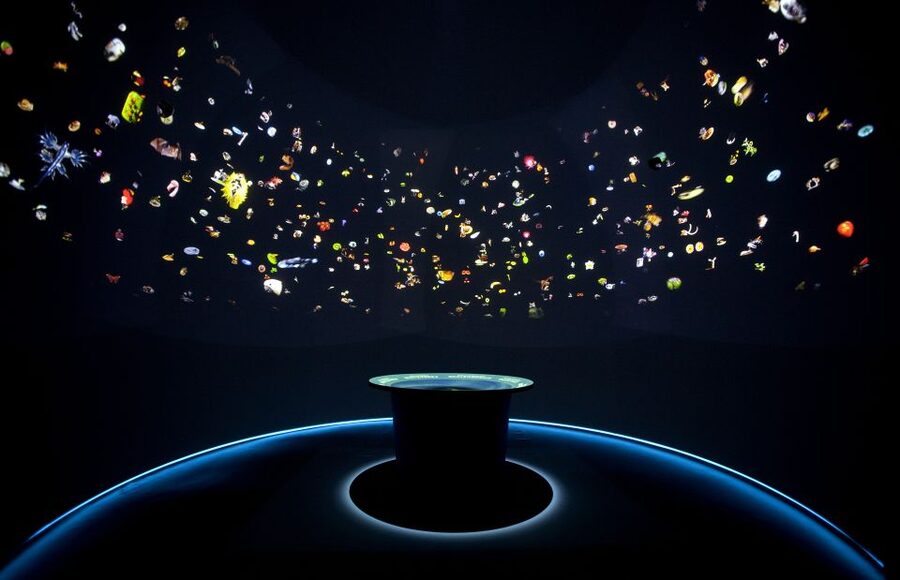
The natural history displays cover a wide range of animals and specimens. You may see rooms filled with mounted animals, skeletons, preserved examples, and objects connected with the natural world.
A whale skeleton is especially effective because it shows the animal’s true size. A photograph of a whale often fails to communicate its scale. A full skeleton hanging or displayed in a museum room makes the point at once.
The museum also includes a display about the dangers facing whales. It adds a present-day concern to what could otherwise be a collection of old specimens. That contrast works well: you look at the structure of a massive animal, then think about the pressure modern wildlife faces.
The taxidermy is part of the museum’s traditional character, but it may not suit every visitor. Some children will find the animals fascinating. Others may be unsettled, particularly in the trophy room. If your family is sensitive to mounted animals, you can move through those rooms quickly and spend more time with fossils, interactive material, or the outdoor spaces.
I appreciate that the museum does not try to hide its older collecting traditions. Still, some displays could use a more thoughtful update, especially for visitors who are uncomfortable with trophy hunting or older forms of specimen presentation.
A cabinet of curiosities and rooms of collected objects
One of the museum’s pleasures is its sense of accumulation. You move from room to room and find that the collection is much larger than the headline dinosaur display suggests.
The total collection contains around two million historical objects, including zoological specimens, fossils, and ethnographic material. You will not see all two million, of course. The number helps explain why the museum can feel full of discoveries even after you have already seen the main attractions.
A cabinet of curiosities room is particularly atmospheric. These old collection rooms were built around the idea of gathering unusual, rare, or impressive things in one place. The result is less tidy than a single-topic gallery, but that is also the point. You get a sense of how people once tried to understand the world by collecting it piece by piece.
Some galleries feel traditional, with many objects arranged in sequence. Others are more interactive and modern. A few items can be touched, which helps younger children stay involved. I would not plan the visit around constant hands-on activity, but these moments add variety.
The museum rewards curiosity more than speed. You might skip a room that does not interest you, then spend ten minutes in the next one because a single specimen catches your eye. Since the ticket is valid for one day, you have more freedom than you would with a timed guided tour.
More Museums in Venice
- Venice: Leonardo Da Vinci Museum Entrance Ticket
★ 4.5 · 3,560 reviews - Venice: Vivaldi’s Four Seasons Concert & Music Museum Visit
★ 4.8 · 2,065 reviews - Charming Gondola Ride on the Grand Canal & Gondola Gallery™
★ 4.0 · 1,313 reviews - Venice: Bell Tower & St Mark’s Square History Gallery Ticket
★ 4.3 · 910 reviews
The library, courtyard, garden, and terrace
The library contains more than 40,000 books. It is not just a number added to the description. It helps show the museum’s role as a place of study, research, and collecting, not only a sightseeing stop.
You may not be able to browse it like a public reading room, but the collection adds depth to the visit. Natural history depends on careful records, drawings, books, and long-term research. The library represents that quieter side of the institution.
The courtyard and garden are a welcome change after the indoor galleries. Venice can feel crowded and noisy, especially around the central sights. Here, you get a chance to sit, slow down, and look at the building from inside its own walls.
A terrace also adds to the appeal. The Grand Canal views give you a different angle on Venice. Instead of seeing the city from a bridge or vaporetto, you look out from a historic museum building. If the weather is pleasant, allow a few extra minutes for this part.
This outdoor space also helps explain why the museum works well on a hot day. You can move between shaded or quieter areas and the galleries rather than spending the entire afternoon in the open sun.
How much time should you allow?
The official duration is one day, but most people will not need a full day unless they read every label and take a very slow approach.
A quick visit can take about 40 to 60 minutes. That is enough for the dinosaur and fossil highlights, a fast look at the animal rooms, and a brief pause in the courtyard. If you have children, this may be the right length for their attention span.
I would allow two hours for a comfortable first visit. That gives you time for the major fossils, the zoological displays, the cabinet of curiosities, and the Grand Canal views without turning the museum into a race.
Plan longer if you enjoy natural history, museum collections, or old scientific displays. One visitor needed more time than expected because the museum kept revealing new rooms and objects. That is easy to understand. The collection is broad, and the building itself encourages you to keep looking.
The museum is also a useful rainy-day plan. Venice has plenty of outdoor beauty, but damp weather can make a long walk tiring. This ticket gives you a substantial indoor activity without the cost of a major guided tour.
Language and interpretation
This is the main practical weakness. English information is not always available for every exhibit, and some visitors have had to use a translation app to understand selected labels.
You can still enjoy the museum without perfect English. Dinosaur bones, whale skeletons, animal specimens, and large fossils do not require much translation. But if you want to understand the explorer’s story, the scientific background, or the finer details of a specimen, language matters.
An English voice guide has been available for an additional charge of about $10. It is not included with the admission ticket, so check the current arrangement before you go. If you prefer not to add that cost, download a translation app and keep your phone charged.
The museum is self-guided. No guide is included, and there is no group itinerary pushing you from room to room. That gives you control, but it also means you need to choose your own route and decide how much context you want.
Is the $11 ticket good value?
At $11 per person, I consider this a strong-value Venice activity. The ticket includes admission for one day, and you receive access to a major collection in a historic building on the Grand Canal.
The price is especially fair for families. Children under five enter free, as do Venetian citizens and residents. Disabled people also receive free admission under the stated conditions. A family can spend an hour or two indoors for less than the cost of many large attractions.
The museum is not as polished in every room as a newly built science center. Some displays feel dated, and limited English information may reduce the value for visitors who want detailed explanations. But the low admission price balances those limits.
I would not buy this ticket for the dinosaur alone if your schedule is extremely tight. You can see the major prehistoric highlights fairly quickly. I would buy it when you want a broader museum visit, a quiet break, a family activity, or a place where adults and children can follow different interests at their own pace.
Opening times and arrival advice
The museum is closed on Mondays. The published schedule says it opens from 9:00 AM to 5:00 PM, with last admission at 4:00 PM, until May 31. From June 1, the stated hours are 10:00 AM to 6:00 PM, with last admission at 5:00 PM.
Opening times can change, so check the official Civic Museums of Venice website before setting out. This matters because the ticket is non-refundable, and arriving after the last admission time would be an expensive mistake.
The meeting point is simple: go to the main entrance of the Natural History Museum on the Grand Canal and show your ticket when you arrive. Hotel pickup and drop-off are not included, and no guide accompanies you.
If you are visiting Venice on a date covered by the city’s access-fee rules, check the official cda.ve.it website. On certain days between April 18 and July 27, 2025, day visitors were required to pay the fee unless they qualified for an exemption. That charge is separate from the museum ticket.
Who will enjoy this museum most?
I would choose this museum for families with school-age children, especially on a hot or rainy day. The dinosaur skeleton, prehistoric crocodile skull, touchable items, and shop give children clear points of interest, while the building, library, animal collections, and whale display offer more for adults.
It also suits teenagers. One 16-year-old particularly enjoyed the museum, which is useful to know because many child-focused attractions lose older children quickly. The fossils and modern paleontology displays have enough scale and drama to hold their attention.
Adults who like traditional museums will enjoy the rooms of specimens and the old collecting style. If you prefer only sleek, highly interactive exhibits, parts of the museum may feel dated.
The visit is less suitable if you want a guided lecture in English or a short, tightly organized tour. This is a place for wandering, choosing your own pace, and accepting that not every room will interest you equally.
Should you book the Venice Natural History Museum?
Yes, if you want an affordable, flexible museum with real dinosaurs, a giant prehistoric crocodile skull, traditional animal displays, and a memorable Grand Canal setting. The $11 admission is easy to justify, and the museum gives you a useful break from Venice’s crowds and weather.
Book it with realistic expectations. English labels may be limited, some taxidermy can be unsettling, and the presentation ranges from modern fossil galleries to older collection rooms. Bring a translation app or consider the extra voice guide if detailed explanations matter to you.
For a quick family outing, allow 40 to 60 minutes. For a proper look at the fossils, animals, courtyard, library context, and canal views, give yourself two hours or more. If that sounds like your kind of museum, this is one of Venice’s most worthwhile lower-cost stops.
FAQ
Where is Venice’s Natural History Museum?
The museum is located on the Grand Canal in Venice. Go to the main entrance and show your ticket on arrival.
How much does admission cost?
The listed price is $11 per person. Venetian citizens, residents, children under five, and disabled people receive free admission under the stated conditions.
How long is the ticket valid?
The ticket is valid for one day. The time you spend inside is flexible within the museum’s opening hours.
Is the museum open every day?
No. The museum is closed on Mondays. The stated hours are 9:00 AM to 5:00 PM until May 31, with last admission at 4:00 PM, and 10:00 AM to 6:00 PM from June 1, with last admission at 5:00 PM. Check the official website for changes.
Is the museum wheelchair accessible?
Yes, the activity information states that the museum is wheelchair accessible.
Is a guide or hotel transportation included?
No. Admission to the museum is included, but a guide and hotel pickup or drop-off are not. The visit is self-guided.
More Historic Sites in Venice
- Basilica, Doge’s Palace, History Gallery & Bell Tower Option
★ 5.0 · 586 reviews - Historic Milan Tour with Skip-the-Line Last Supper Ticket
★ 4.5 · 1,976 reviews - Verona: History and Hidden Gems Guided Walking Tour
★ 5.0 · 1,379 reviews - Palermo: Street Food and History Walking Tour
★ 4.9 · 1,294 reviews
Fresh on the Venice list
- Venice Doge’s Palace & St. Mark’s Semi-Private Tour, Max 6 People★ 5.0 · 192 reviews
- Venice: Crimes, Legends, and Mysteries Sunset Tour★ 4.9 · 195 reviews
- Venice Small Group Walking Tour of Most-Famous Sites &Attractions★ 4.5 · 195 reviews
- Murano and Burano Islands Semi-Independent Tour★ 4.0 · 195 reviews
- From Venice: Dolomites Day Trip★ 4.8 · 197 reviews
- 4 hours Private Boat Tour to Murano, Burano with local real guide★ 4.5 · 203 reviews
- St Mark’s Basilica & Doge’s Palace with Secret Passages Access★ 4.5 · 204 reviews
- Murano and Burano half-day trip from Punta Sabbioni Jesolo★ 3.9 · 204 reviews
Museums, compared.

Vatican: Museums & Sistine Chapel Entrance Ticket
Read our review →
Vatican Museums & Sistine Chapel Tour with Optional Basilica
Read our review →
Vatican Museums, Sistine Chapel & St Peter’s Basilica Guided Tour
Read our review →
Skip-The-Line Uffizi Gallery Timed Entry Ticket
Read our review →
Vatican Museums, Sistine Chapel & Basilica Tour
Read our review →
Vatican Museums & Sistine Chapel Skip-the-Line Entry Ticket
Read our review →Vatican Museums, Sistine Chapel & Basilica Tour
Read our review →
Vatican Museums & Sistine Chapel Guided Tour
Read our review →Browse the lists this tour appears in