
Reviewed · FOOD TOURS
From Florence: Tuscany Wine & Food Tour with Guide
Three wineries, a generous spread of Tuscan food, and a stop in Greve make this an easy way to trade Florence’s stone streets for Chianti’s rolling hills. You will learn how the wine is made, taste products from small local estates, and let someone else handle the winding roads.
I like the small-group format, which keeps the day more social and personal than a big coach trip. I also like the mix of stops: working cellars, a hilltop estate, a historic villa, and a village square.
The main consideration is that this is firmly a Chianti red-wine day. White-wine drinkers may enjoy the food and scenery, but about 80 percent of the pours are likely to be red. The roads are curvy, and the cellars involve stairs.
Key points to know before booking
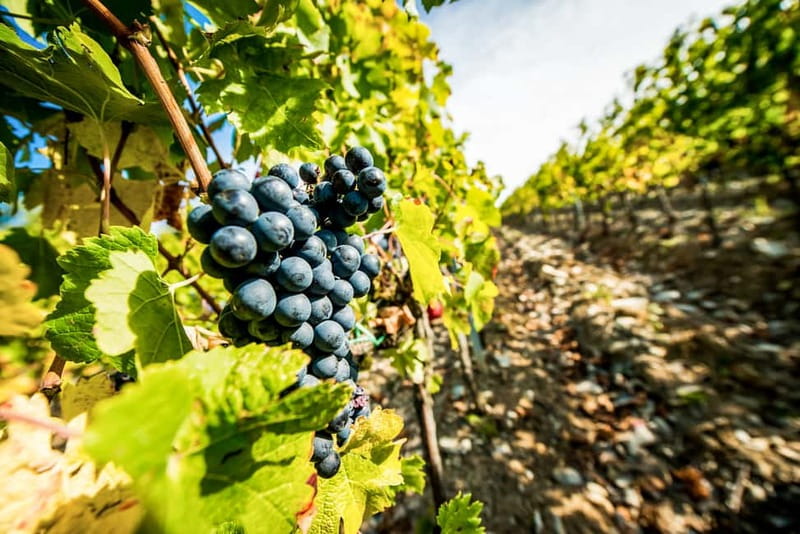
- Three different winery settings: Visit working farms, cellars, a hilltop estate, and a historic family-owned villa.
- A full Tuscan lunch is included: Expect cured meats, cheeses, bruschetta, handmade pasta, dessert, and local wine.
- Greve adds a village break: You get free time in the main square of this representative Chianti town.
- The guide can shape the day: Guides such as Leo, Jason, Jonathan, Suzy, and Matteo have been praised for humor, regional stories, and wine know-how.
- Small means relative: The advertised maximum is 25 people, though the vehicle can still feel fairly full.
- Plan for country roads: Bring a light breakfast, dress for changing weather, and consider your tolerance for motion sickness.
Why this Florence wine tour works so well
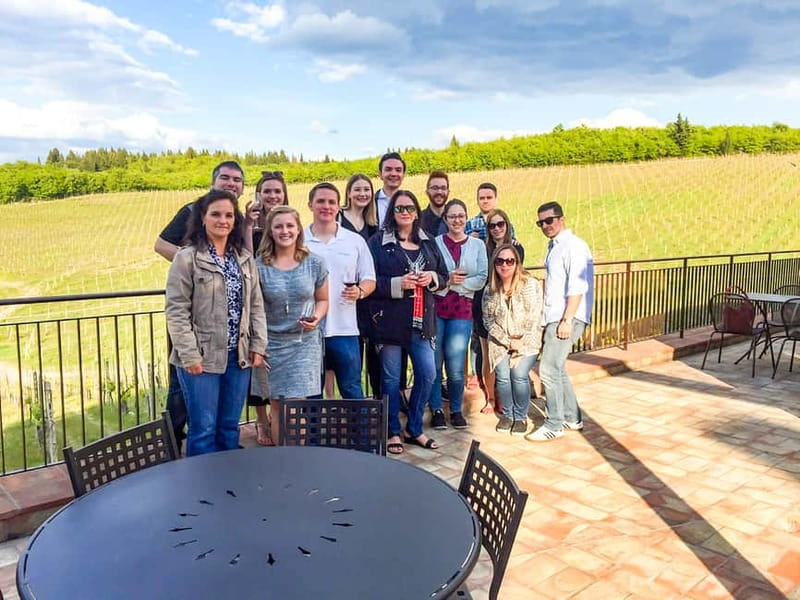
At $175 per person for eight hours, this is not the cheapest way to taste wine in Tuscany. It is a useful package, though, because transportation, three winery visits, tastings, lunch, a guide, and time in Greve are all covered.
The real value is convenience. From Florence, reaching three rural estates on your own would mean renting a car, staying sober, finding each property, and dealing with narrow roads and parking. Here, a driver handles the countryside while your guide fills in the gaps between stops.
I especially like the range of the day. This is not three identical tasting rooms lined up one after another. The visits are intended to show different winemaking families and styles, from farm and cellar work to a villa with a historic garden and views toward Florence.
The format also suits a first wine trip. You do not need to know the difference between Chianti Classico and other Tuscan wines before you arrive. The winery hosts explain the basics, while the guide adds context about Florence, the region, and local traditions.
The tradeoff is time. Three tastings plus lunch and Greve make for a full schedule. You will see several places, but you will not have an entire afternoon to sit at one estate and slowly explore it. If your idea of a wine day is one long lunch at a single vineyard, choose a smaller private tour instead.
More Food Tours in Florence
- Florence: Cinque Terre Park Day Trip with Optional Street Food
★ 4.5 · 3,593 reviews - Small Group Cooking Class & Market Food Tour in Florence
★ 5.0 · 1,574 reviews - Florence: Cinque Terre Day Trip with Optional Street Food
★ 4.5 · 1,315 reviews
Meeting in Florence and heading into the countryside
The meeting point is Piazzale Montelungo, near the bottom of the tallest red-brick building and opposite the parking lot. It is about an eight-minute walk from Florence Santa Maria Novella station.
This sounds simple, but give yourself extra time. If you use Google Maps, do not follow a route through the train station. The exit there is closed, so use the street route around the station instead. Look for the red flag or the Prestige Rent sign at check-in.
Hotel pickup is not included. That matters if you are staying outside central Florence or carrying large bags. For most people staying near the historic center or train station, the meeting point is manageable, but it is not a door-to-door service.
The vehicle is air-conditioned and has Wi-Fi. Depending on the departure, you may be in a smaller bus or van. The small-group limit is listed as 25 people, which is much more comfortable than the standard tours that can run with 50 or 60 people, but do not picture a private car for two.
The drive out is part of the pleasure. Florence gives way to open countryside, hill roads, vineyards, olive groves, and distant views. Guides including Leo, Jason, Jonathan, and others have been praised for keeping the drive lively with stories about Florence, wine, and the villages along the way.
If you get carsick, take the advice seriously. The roads through Chianti twist and climb. A light breakfast is sensible because the first winery can come fairly early, around 10 a.m., and you should not arrive at the first tasting on an empty stomach.
First winery: farm, cellar, and the basics of Chianti wine
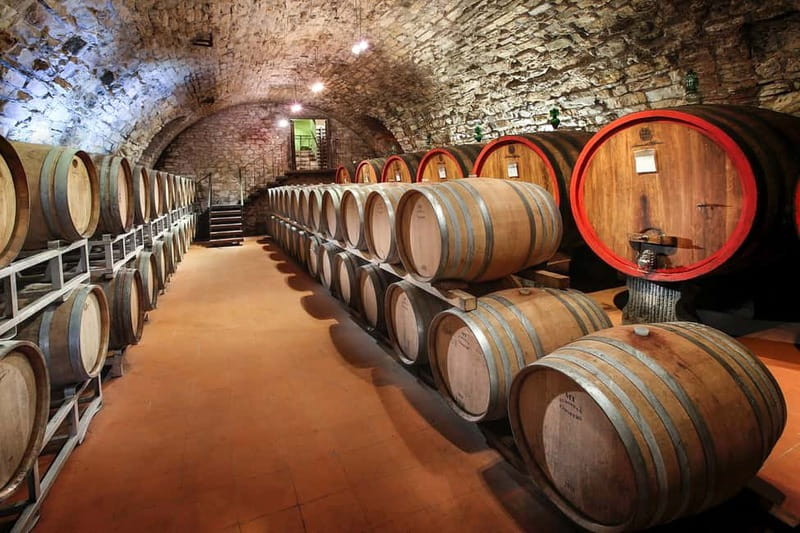
The first stop introduces the working side of winemaking. You visit the farm and cellar, then hear how grapes become the wines you will taste.
This is the right place to ask basic questions. You can learn about the grape-growing process, cellar work, and the local approach to production without needing previous wine knowledge. The region is best known for red wines based primarily on the Sangiovese grape, so expect the tasting to focus on that style.
The estates are described as organic wineries, and the point is not simply to pour a glass and send you on your way. You get a look at the setting behind the bottle and hear about the cultivation traditions that shape the finished product.
Food is usually served alongside the wine at each stop. Bread and small snacks help make the tasting more substantial, though you should still eat breakfast before the tour. The day includes a full lunch later, but the first stop may begin before you feel ready for a large meal.
This first visit can feel instructional, particularly for people new to wine. If you already know Chianti well, the cellar explanation may cover familiar ground. Still, seeing the farm and production space gives the tasting a clear sense of place.
Second estate: hilltop views, tasting, and a Tuscan lunch
The second stop takes you to another selected estate, often described as a hilltop property. Here, a wine expert leads the tasting and adds facts and stories about the winemaking process.
This is the main food stop. Lunch generally includes assorted cold cuts, cured ham, salami, local cheeses, bruschetta, pasta, and dessert, paired with the winery’s own wines. Handmade pasta is commonly served, and the meal uses local ingredients rather than trying to imitate a formal restaurant course by course.
I like this part because wine makes more sense when you taste it with food. Salami, cheese, bread, olive oil, and pasta show how these wines are meant to function at an Italian table. The lunch is also a welcome pause after the first cellar visit and the drive through the hills.
Expect a generous selection of food overall, but do not assume a large restaurant-style portion at every point. Some meals have been described as modest in size, while snacks appear at several wineries. If you have a large appetite, eat breakfast and treat the food as a series of tastings rather than one huge feast.
There is one practical issue to keep in mind: the first two winery stops can feel similar in their explanations and food. The products and setting may differ, but the basic talk about wine, olive oil, and local dishes can repeat. A guide who keeps the conversation moving makes a big difference here.
Vegetarian meals can be arranged if you request one when booking. Do not wait until the morning of the tour, since the meal is planned in advance.
Same city, an entirely different afternoon:
- Florence: Skip-The-Line Uffizi Gallery Timed Entry Ticket
★ 4.5 · 27,832 reviews - Tuscany Day Trip from Florence: Siena, San Gimignano, Pisa and Lunch at a Winery
★ 5.0 · 21,634 reviews - Florence: Timed Entrance Ticket to Michelangelo’s David
★ 4.6 · 16,983 reviews - Florence: Michelangelo’s David Skip-the-Line Entry Ticket
★ 4.5 · 12,764 reviews
Greve in Chianti: a short break in the village square
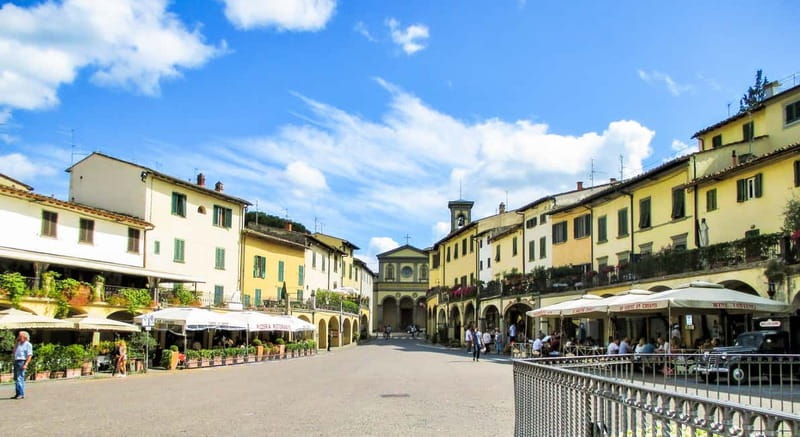
After lunch, the tour pauses in Greve in Chianti. Greve is often treated as the representative village of the Chianti Classico countryside, and the stop gives you time to walk around the main square.
This is not a long town tour. You get free time to look around, take photographs, browse, or find a gelato if your guide points out a suitable option. That shorter pace works well after a food-and-wine lunch. You can stretch your legs and see a bit of village life without turning the day into a history lecture.
Greve is also a useful contrast to the private estates. The wineries show the land and production; the square gives you a public center where the area’s wine culture connects with everyday life.
Keep your expectations in check. This is a quick stop, not several hours of independent exploration. If you want a long lunch or serious shopping in Greve, you may find the time limited. For a brief look at a Chianti village, it breaks up the itinerary nicely.
Final stop: a family villa, olive oil, and views toward Florence
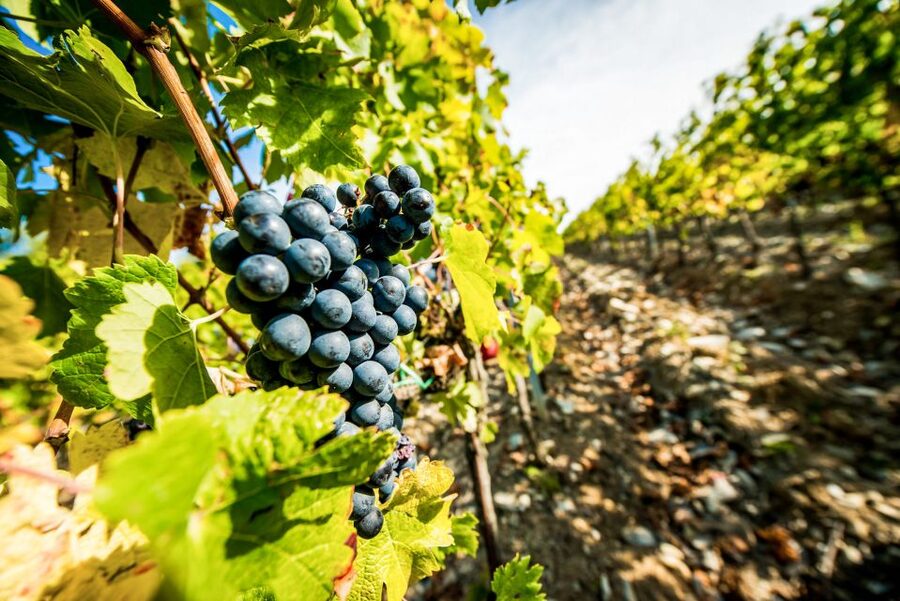
The final winery is a historic family-owned villa and estate. The setting is one of the strongest reasons to book this particular route, since you get views back toward Florence and time to admire an Italian garden.
This stop shifts the focus from wine alone to the wider farm tradition. You taste local products, including olive oil and often balsamic vinegar, made with respect for older cultivation methods. These tastings help you compare the three estates, not only by flavor but by the way each family presents its land and products.
Olive oil is easy to overlook when wine takes center stage, but it is one of the most useful parts of the day. You can taste how different oils work with bread and food, then compare that experience with the wine tastings. Balsamic vinegar adds another local flavor, though Tuscany and nearby regions have their own distinct traditions, so listen closely to the host’s explanation.
The villa and garden also give the day a more visual finish. After cellars, tables, and tasting glasses, a historic home with open views offers a change of mood. If the weather is clear, this may be the best place for photographs. If rain or fog rolls in, the hills can still have a striking atmosphere, but the views will be less certain.
The guides are a major part of the experience
The winery hosts handle the technical presentations, but the Florence guide controls the rhythm of the day. That makes the guide a real part of the value, not just someone who checks names on a list.
Several guides have received especially warm praise. Leo is often described as funny, friendly, and strong on both wine and Florence’s past. Jason has been praised for bringing people together and keeping the bus ride lively. Jonathan is noted for a relaxed pace and clear information, while Suzy and Matteo have also been praised for their regional stories and care with the group.
Names can change by departure, so you should not book solely to meet one particular guide. The consistent point is that a good guide adds stories between tastings, explains what you are seeing from the vehicle, and helps the group feel at ease.
The driver matters too. Chianti’s roads are narrow and curvy, and smooth driving makes the long day more comfortable. Guides and drivers often work as a team, with the guide handling information and the driver focusing on safe progress through the hills.
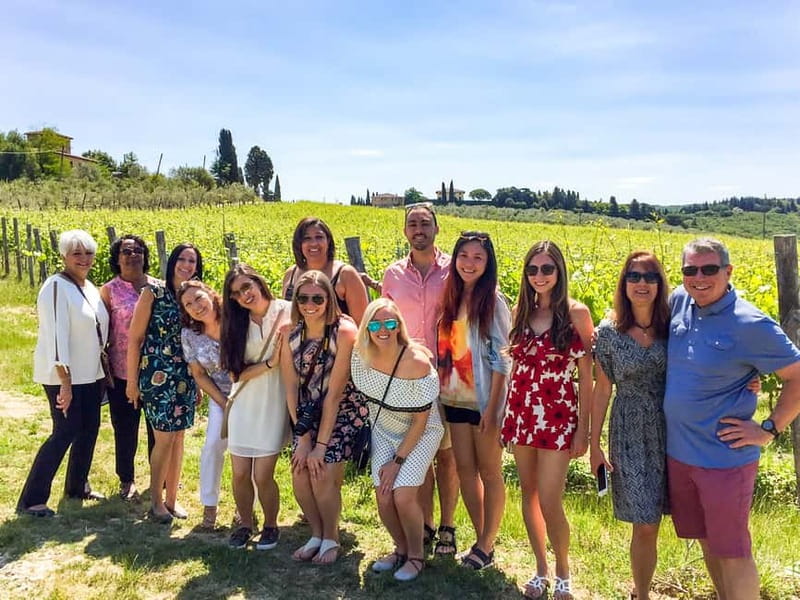
The group can become social. You may meet people from several countries, and the shared tastings make conversation easy. That is a plus if you enjoy company. It is less appealing if you want silence, privacy, or a highly tailored pace.
What the food and wine are really like
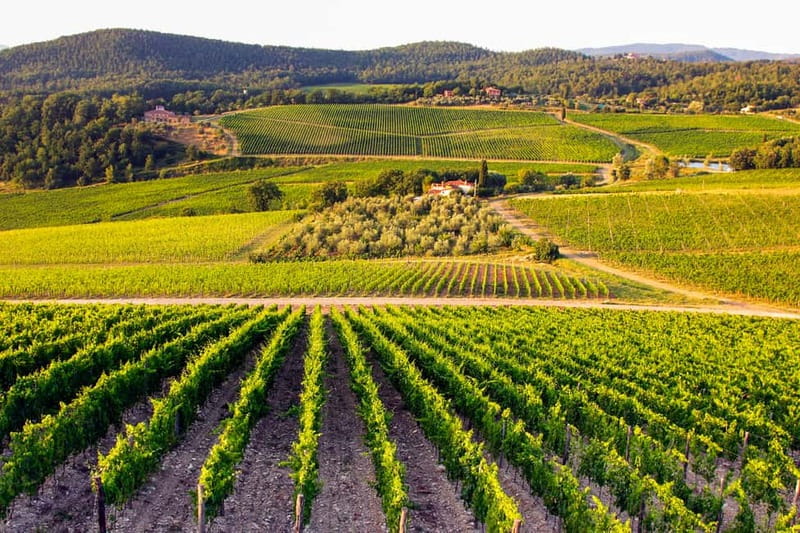
The tasting is built around Chianti, so red wine leads the program. Sangiovese-based wines are the main focus, and one estimate puts the tasting at roughly 80 percent red wines.
White-wine fans are not shut out, but this is not a balanced red-and-white tasting. You are booking a regional wine day, not a broad survey of Italian grapes. The food helps keep the experience enjoyable even if red wine is not your first choice.
Expect local wines at all three wineries, with olive oil and balsamic vinegar included in the broader tastings. Bread, small snacks, cheeses, cured meats, bruschetta, pasta, and dessert appear across the day.
The meal is rustic rather than polished. That is part of its appeal. Tuscan food is at its best when it is simple, local, and made for sharing. Just remember that food service can repeat from one winery to the next, especially with similar cold cuts, bread, and pasta.
Wine purchases may be offered at the estates, and some wineries can arrange shipping to the United States. You are not required to buy anything, but leave room in your budget if you hope to take bottles home.
Who should book this eight-hour tour
I would recommend this tour if you want a full day outside Florence without renting a car. It suits first-time visitors to Tuscany, casual wine drinkers, couples, friends, and people who care as much about food and scenery as the details in the glass.
It also works for people who want an introduction rather than an advanced wine course. The hosts explain the process, and the guide adds enough local context to connect the vineyards, villages, and city.
You should think twice if you have a mobility impairment. Stairs lead to some cellars, and the experience is not wheelchair accessible. Children under 12 are not permitted, and pets are not allowed.
The day runs rain or shine. Wear shoes that can handle uneven ground and dress for changing weather. The tour is conducted in English only, so you will get the most from it if you are comfortable following a full day of English explanations.
For cruise ship passengers arriving at Livorno or La Spezia, the timing is difficult. The drive to Florence can take about two hours each way, and you must arrange your own transport from the port. Check your ship schedule carefully before booking.
Is $175 a fair price?
At $175, the tour offers solid value for a guided eight-hour outing. Three winery visits alone can become expensive once you add transport, tastings, and local meals. The included lunch and air-conditioned vehicle make the price easier to justify.
The value is strongest for visitors without a car. You avoid navigation, designated-driver duties, and the challenge of fitting three rural properties into one day. Wi-Fi on board is a minor bonus, while the guide’s regional commentary adds something you would not get from a self-drive route.
The price is less attractive if you mainly want one long, slow tasting at a single estate. You are paying for variety, transport, and structure. You are not paying for a private sommelier or a custom food itinerary.
Cancellation is free up to 24 hours before the start, and you can reserve now and pay later. Those terms are useful when your Florence schedule is still shifting, but the meeting point and lack of hotel pickup remain your responsibility.
Should you book this Tuscany wine tour?
Book it if you want the easiest balanced introduction to Chianti from Florence: three distinct estates, traditional food, olive oil, balsamic vinegar, Greve, and a guide who keeps the day moving.
I would skip it only if you dislike group touring, need wheelchair access, cannot handle winding roads, or want mostly white wine. For everyone else, $175 buys a well-filled day with plenty of food, attractive countryside, and a clear look at how several Tuscan producers work. Bring breakfast, wear sensible shoes, and save your afternoon for a quiet walk back in Florence.
FAQ
Where does the Tuscany wine tour meet in Florence?
Meet at Piazzale Montelungo, at the bottom of the highest red-brick building opposite the parking lot. It is about an eight-minute walk from Florence Santa Maria Novella train station. Look for a red flag or the Prestige Rent sign.
Is hotel pickup included?
No. You must make your own way to Piazzale Montelungo and return to your accommodation after the tour.
How long does the tour last?
The tour lasts eight hours. Starting times vary, so check availability when booking.
How many wineries do you visit?
You visit three different wineries in the Chianti area. The visits include guided winery presentations and tastings of local wines, olive oil, and balsamic vinegar.
What food is included at lunch?
Lunch generally includes cold cuts, cured ham, salami, cheeses, bruschetta, pasta, dessert, and the winery’s own wines. Vegetarian food can be arranged if requested when you book.
Is the tour suitable for children or people using wheelchairs?
Children under 12 are not permitted. The tour is not suitable for wheelchair users or people with mobility impairments because some cellars require access by stairs.
Are the tastings mostly red wine?
Yes. The wineries are in Chianti, a region best known for red wines made mainly from Sangiovese. Expect the tastings to focus primarily on red wine.
Fresh on the Florence list
- Florence: Uffizi Guided Tour with Skip-the-Line Entry Ticket★ 4.8 · 499 reviews
- Florence: Uffizi Gallery Tickets with Optional Audio Guide★ 4.1 · 503 reviews
- The Best of Florence Walking Tour in a Small Group★ 5.0 · 503 reviews
- Premium Pasta and Gelato Cooking Class in Florence★ 5.0 · 508 reviews
- From Florence: Tuscany & San Gimignano Tour with 2 Tastings★ 4.8 · 511 reviews
- Florence: Guided Tour of Medici Family Secrets and Chapels★ 4.7 · 512 reviews
- Tuscany Vespa Tours Through the Hills of Chianti★ 5.0 · 515 reviews
- Pasta and Tiramisu Cooking Class with optional Local Market Tour★ 5.0 · 515 reviews
Food Tours, compared.
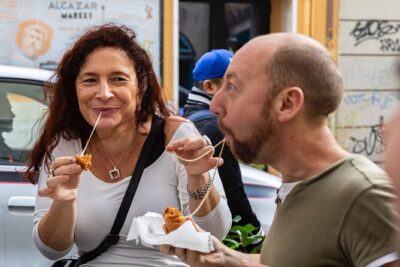
Winner 2025 Rome Twilight Trastevere Food Tour by Eating Europe
Read our review →
Trastevere or Jewish Quarter Street Food Tour
Read our review →
Cinque Terre Park Day Trip with Optional Street Food
Read our review →
Rome Food Tour: Unlimited Tastings with Fine Wine & Barolo
Read our review →
Eat Like a Local: Venice 3-Hour Small-Group Food Tasting Tour
Read our review →
Trastevere Food tour with Free-Flowing Fine Wine
Read our review →
Trastevere & Campo de Fiori Street Food Walking Tour
Read our review →Browse the lists this tour appears in