Reviewed · PRIVATE
Rome Private Tour: Highlights and Hidden Gems
Rome is at its best when a local guide connects the grand monuments with ordinary streets, neighborhood cafés, and small details you would likely walk past. This private tour pairs major sights such as the Pantheon and Colosseum with places in Trastevere, Campo de’ Fiori, and other central districts.
I like the private format, which lets your guide adjust the pace and route to your interests. I also like the choice between walking and Vespa sightseeing, plus the included local drink or snack. The main caution is the short three-hour schedule: you see many sights from outside, but you do not enter the monuments, and a late guide can disrupt the plan.
Key points to know before booking
- Two ways to see Rome: Choose a private walking tour or a Vespa route that covers more ground.
- A useful first-day orientation: The route links central squares, neighborhoods, and major landmarks.
- Personal attention: Only your group and your local guide take part.
- Food is part of the outing: A local drink or snack is included on the walking option.
- Famous sights are viewed from outside: Entrance tickets are not included.
- Guide quality can vary: Guides such as Simone, Stefan, Nico, Paula, and Daniele have received especially warm praise, but communication problems have also occurred.
Why this tour works as a Rome introduction
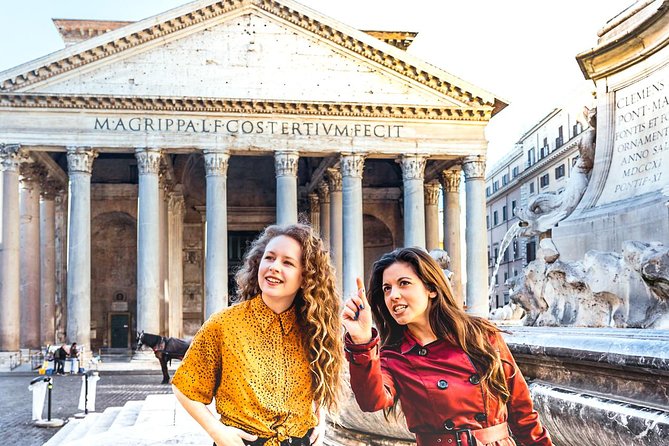
I see this experience as a bridge between a formal monument tour and a casual stroll with a well-informed local. You will not spend three hours studying one site. Instead, you move through several parts of Rome, picking up stories, orientation, restaurant suggestions, and a sense of how the city fits together.
That makes the timing important. Book it early in your Rome stay and you can use the guide’s advice for the rest of your visit. Past participants have used it to find restaurants, gelato, local hangouts, and practical taxi information. One guide even helped a family manage a walking tour during extreme heat by keeping to shaded streets.
The tour is private, so you do not have to follow the pace of a large group. You can ask questions, stop for photos, and tell the guide what you have already seen. Guides including Simone and Stefan have been praised for changing the route around personal interests, while Paula received positive comments for keeping children involved.
Still, this is not a replacement for dedicated tours of the Colosseum or Vatican Museums. The landmarks are generally viewed from the outside, and three hours passes quickly. Think of this as an introduction to Rome’s streets and character, not a full archaeological visit.
A few other Rome mornings to weigh against this
- Rome by Golf Cart Private Tour: Beyond the Landmarks
★ 5.0 · 4,361 reviews - Early Morning Vatican, Sistine, St. Peter’s Semi or Private Tour
★ 5.0 · 3,779 reviews - Rome on a Golf Cart Semi-Private Tour Max 6 with Private Option
★ 5.0 · 2,502 reviews
Walking tour or Vespa tour?
The walking option begins at Piazza di Sant’Apollinare, near Rome’s historic center. It is the better choice if you want time to talk, pause for a snack, take photographs, and notice the details of the streets around you.
Walking also makes it easier to adjust the route. You might spend longer in Trastevere, stop at a food spot, or take a short detour based on your interests. The tradeoff is distance. Rome’s major sights are spread across the center, so you may pass some locations rather than spend much time at each one.
The Vespa option meets on Via in Selci near the Cavour Metro Station. You put on a helmet, get on the scooter, and cover more ground during the same three-hour period. This is useful if you want to connect sights on opposite sides of the historic center or see a wider range of neighborhoods.
The Vespa format is less suited to long explanations at every stop. Traffic, parking, and the need to keep moving shape the experience. If your priority is conversation and food, I would choose walking. If you want a faster city overview and like the idea of seeing Rome by scooter, the Vespa route has a clear advantage.
The tour information describes the Vespa as a scooter experience, but it does not spell out driving qualifications or operating arrangements. Confirm those details before booking if they matter to you.
Trastevere: a local start with real personality
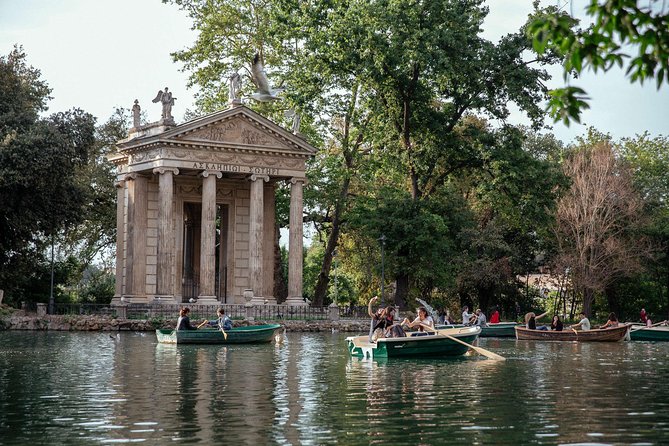
A typical route begins in Trastevere, a district across the Tiber known for its older working-class roots, narrow streets, trattorias, craft breweries, and small shops. The area has a bohemian feel, but it is not simply a pretty backdrop. It gives you a look at Rome beyond the postcard monuments.
This is one of the strongest parts of the experience because a private guide can explain what makes the neighborhood useful for your own evening plans. You may get suggestions for places to eat or drink, along with a better sense of which streets feel residential and which are aimed at visitors.
The drawback is that a short visit cannot cover all of Trastevere. You will get an introduction rather than a thorough neighborhood walk. If you are staying nearby, the tour can also help you understand your own hotel area quickly, as one participant found when taking the tour on arrival day.
Piazza Navona and the center’s grand stage
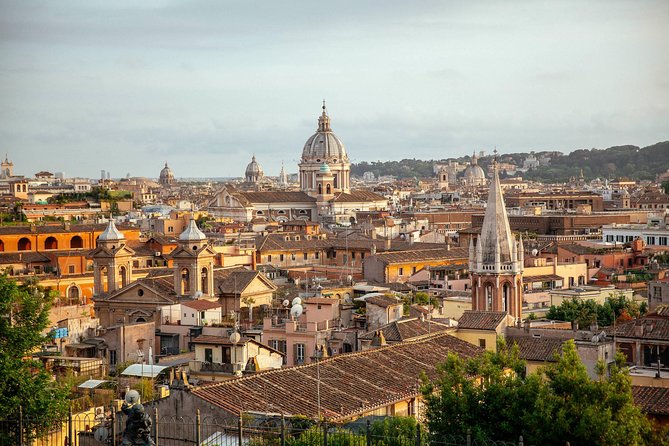
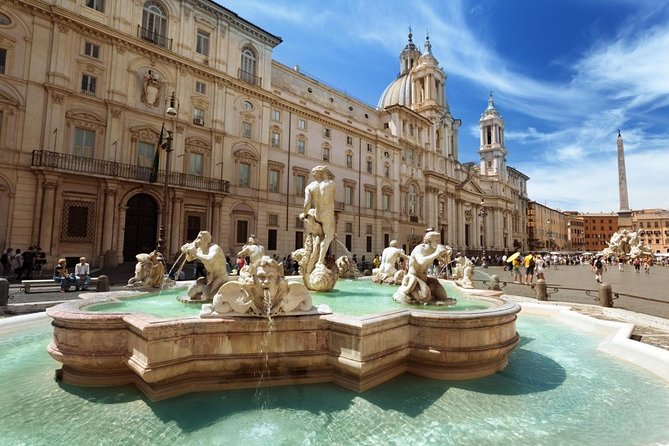
Piazza Navona is one of Rome’s great public spaces. Its long, open shape follows the outline of an ancient stadium, while Bernini’s famous fountains and the surrounding churches give the square its theatrical character.
Your guide can point out the fountains, monuments, churches, cafés, and restaurants around the piazza. This is a good place to learn how Rome layers ancient foundations, later churches, baroque design, and present-day street life into one setting.
Piazza Navona is also a natural pause point. You will find plenty of places to stop for coffee or food, though the most central spots can be expensive. Since the tour includes one local drink or snack, ask your guide where the stop will be made and what is included.
The square can feel crowded, especially at popular times, and three hours leaves little room for a long break. I would treat the snack as a pleasant reset rather than a full meal.
Same city, an entirely different afternoon:
- Vatican Museums & Sistine Chapel Tour with Optional Basilica
★ 4.3 · 67,413 reviews - Colosseum, Roman Forum & Palatine Guided Tour
★ 4.7 · 63,148 reviews - Vatican Museums, Sistine Chapel & St Peter’s Basilica Guided Tour
★ 4.5 · 39,149 reviews - Rome: Colosseum, Palatine Hill and Roman Forum Guided Tour
★ 4.8 · 32,814 reviews
The Pantheon and Piazza della Rotonda
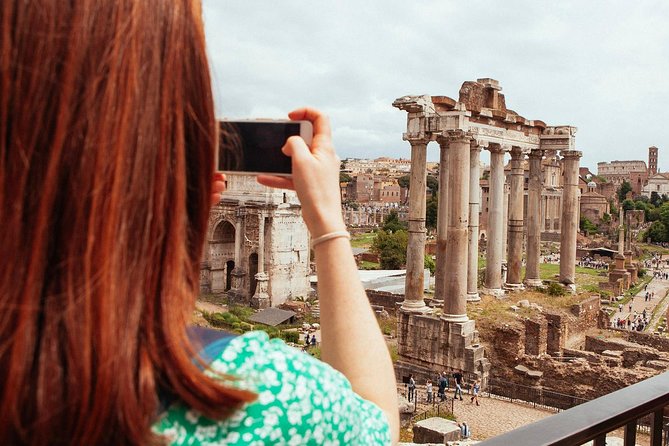
The Pantheon is likely the most important architectural stop on the route. Its huge dome and central opening remain remarkably powerful, even when you are only seeing the building from the outside.
The tour description points to the building’s ancient origins in 27 to 25 BC and its extraordinary construction. A good guide can make the structure easier to read, explaining why the dome matters and how the building appeared to people in ancient Rome.
The nearby Piazza della Rotonda gives you a broader view of the Pantheon’s setting. Rather than rushing straight to the entrance, take a moment to look at how the monument dominates the square while cafés and modern Roman life continue around it.
Entrance is not included. This matters because the tour will not provide a detailed interior visit or replace a ticketed Pantheon stop. If you want to go inside, plan that separately and check current entry conditions before your visit.
Campo de’ Fiori and the everyday city
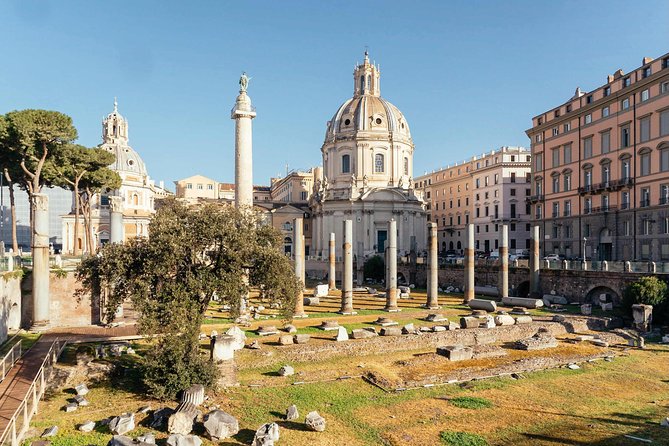
Campo de’ Fiori is a rectangular square south of Piazza Navona, between the Parione and Regola districts. Its name means field of flowers, a reminder that the area has a long identity of its own rather than being just another route between monuments.
The square helps balance the tour’s ancient and baroque highlights with a more everyday urban setting. Your guide may explain nearby streets, restaurants, and the way the district changes during the day.
I would not expect Campo de’ Fiori alone to be a major revelation. Its value comes from the connections your guide makes between the square and the surrounding neighborhoods. This is where personal recommendations can be more useful than a long list of dates.
Spanish Steps and the central shopping district
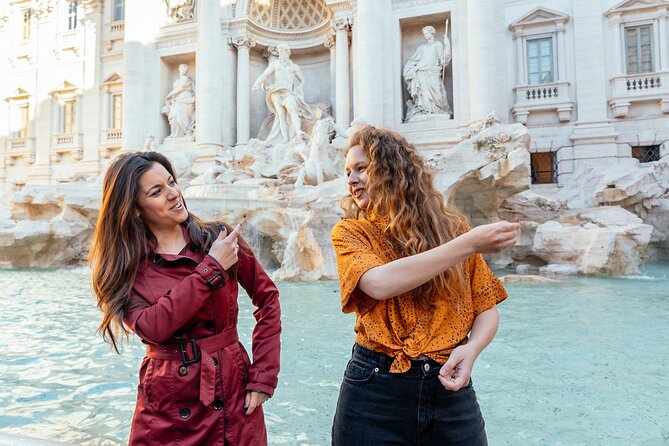
The Spanish Steps climb from Piazza di Spagna to Piazza Trinità dei Monti and the church above. They are one of Rome’s most recognizable views, and the steep staircase gives the stop a clear visual payoff.
On foot, you can appreciate the changing angle as you approach the steps. By Vespa, the guide may use the area as one part of a wider loop through central Rome. Either way, expect a short visit rather than an extended stop.
The steps are not a place to sit and eat as you once could. Rome has rules protecting the monument, and you should follow the guide’s instructions. The square around the base is also heavily visited, so the personal attention of a private guide helps you keep moving without losing the setting.
The Colosseum as a final landmark
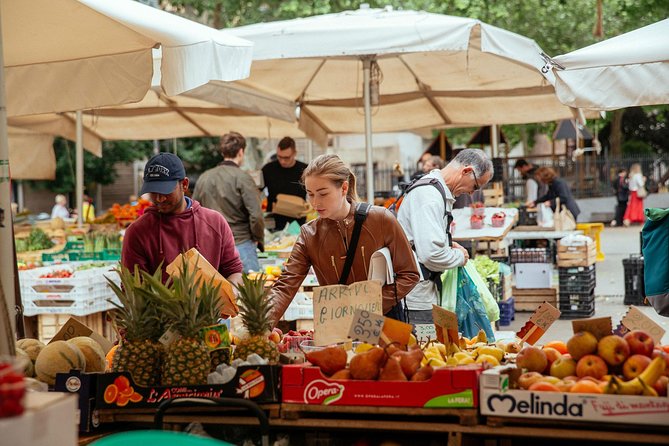
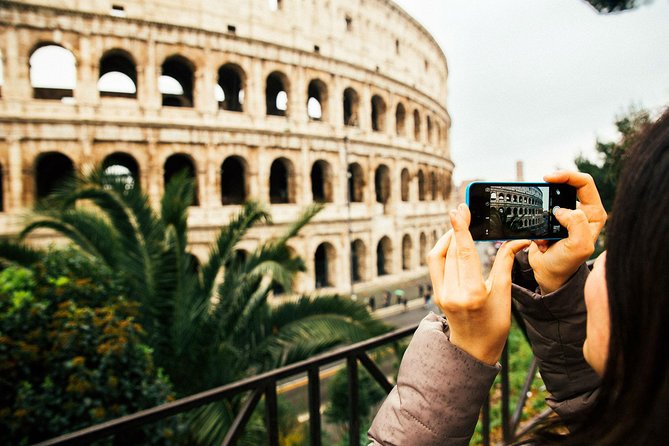
The Colosseum is the tour’s biggest ancient landmark and an effective way to finish a broad orientation of Rome. It is the largest ancient amphitheater ever built and remains one of the city’s clearest symbols.
You will see it from outside, without an entrance ticket. That is enough to understand its size and location beside the Roman Forum, but not enough if you want the underground levels, arena floor, or interior exhibits. Arrange a separate timed visit if the Colosseum is a main reason for your trip.
A guide can give you useful background and help you place the monument within the ancient city. The value here is not skipping the line. There is no included admission. The value is learning what you are looking at before or after your dedicated Colosseum visit.
Smaller stops and flexible detours
The route may also include Isola Tiberina, Palazzo Madama, and other central landmarks. Isola Tiberina gives the tour a change of scenery along the river, while Palazzo Madama adds another layer of Rome’s political and architectural story.
You may pass more than a dozen attractive sites during the three hours. That sounds generous, but it also tells you how quickly the tour moves. If you want detailed explanations at every stop, tell the guide at the beginning and accept that fewer places may fit.
This flexibility is the heart of the experience. Guides such as Simone, Daniele, Eleonora, Frank, Nico, and Stefan have been praised for adjusting the route, explaining history in an engaging way, and stopping for photos. One guide took a family to places they would not have found alone, including local restaurants and historic venues.
Do not assume every guide will deliver the same style. The provider uses independent local guides, and the individual guide shapes the tour. Ask for the guide’s name and contact details before the start if possible, and keep the booking app available for updates.
What the guide adds
The best guides make Rome easier to read. They explain why a square has its shape, how an ancient building was reused, and where locals go for food. They also help you avoid wasting later evenings on poor restaurant choices.
Simone appears repeatedly in the supplied feedback, with praise for his storytelling, flexibility, and ability to match the route to a group’s interests. Stefan is also noted for showing local restaurants and historic places, while Nico offered useful practical help with taxis and dining.
Family groups may appreciate the private format. Paula was specifically praised for staying attentive to children, and shy teenagers were included successfully by a guide who kept checking that everyone was comfortable.
There are two important cautions. One person reported waiting for a guide through a series of changing delay estimates, while another had trouble finding the meeting point because the instructions led to the wrong place. A separate complaint described deeply offensive conduct by a guide, and the provider apologized and requested booking details for investigation.
These incidents appear to be exceptions within a very high overall rating, but they are still worth taking seriously. Confirm the meeting point carefully, arrive with the provider’s app, and contact support quickly if the guide does not appear.
Is $318.19 per person good value?
At $318.19 per person, this is an expensive three-hour activity. The price is easiest to justify for a small private group that values personal attention and wants a tailored introduction rather than a standard group walk.
You are paying for the guide’s time, route flexibility, and the ability to ask questions without competing with a busload of people. If several people share the booking, the private format becomes more sensible than paying for separate individual tours.
The cost is harder to justify if you mainly want monument entry. Tickets are not included, and the major sights are visited from outside. You could spend less on a regular walking tour and then use the savings for a Colosseum or Pantheon visit.
The experience is advertised as carbon neutral through a B Corp provider, which may matter to you if responsible travel is part of your buying decision. Group discounts are available, and the activity is often booked well in advance, with an average lead time of about 43 days. Last-minute availability can exist, but I would not count on getting your preferred format or start time.
Practical planning for your three hours
The walking meeting point is Piazza di Sant’Apollinare, 46. The Vespa meeting point is on Via in Selci near Cavour Metro Station. Check the exact instructions before leaving your hotel, since one booking had a poor meeting-point description.
The tour finishes in central Rome, with no hotel pickup or drop-off. Plan your next activity from the city center rather than assuming you will be returned to your accommodation.
Wear comfortable shoes for the walking option and bring water, especially in hot weather. The route can be adapted, but Rome’s paving and hills still make a three-hour walk a physical activity. The tour is near public transportation, and most people can take part.
Free cancellation is available up to 24 hours before the start time. Inside that window, the amount paid is not refunded, and changes are not accepted.
Who should book it?
I would book this tour for a first or second day in Rome if I wanted a private orientation, local food suggestions, and a quick look at several districts before exploring alone. It also suits repeat visitors who have already seen the main interiors and want streets, restaurants, and less familiar corners.
Families can benefit from the private pace, especially if children need breaks. Couples and small groups may prefer the Vespa option if covering more ground matters more than sitting down for long explanations.
I would skip it if you need a serious Colosseum experience, a Pantheon interior visit, or a low-cost way to see Rome. I would also avoid booking without checking the meeting instructions and keeping the provider’s app ready for communication.
FAQ
How long is the Rome private tour?
The tour lasts approximately three hours.
Can I choose between walking and Vespa sightseeing?
Yes. The experience offers a private walking tour and a Vespa tour. The meeting point and route can differ depending on your choice.
Where does the walking tour begin?
The walking tour begins at Piazza di Sant’Apollinare, 46, 00186 Rome.
Where does the Vespa tour meet?
The Vespa tour meets on Via in Selci near the Cavour Metro Station.
Are entrance tickets to the Colosseum and Pantheon included?
No. Entrance tickets are not included, and the landmarks are visited from the outside.
Is food or a drink included?
One local drink or snack is included. The walking route is more likely to include a pause for this stop.
Is the tour private?
Yes. Only your group and your private local multilingual guide take part.
What is the cancellation policy?
You can cancel up to 24 hours before the start time for a full refund. Cancellations or changes made less than 24 hours before the experience are not accepted for a refund.
Should I book this tour?
Book it if you want Rome explained by one person who can adjust the route to your interests, especially early in your stay. Choose walking for conversation and a snack, or Vespa for broader coverage.
Skip it if the $318.19 price feels high for a tour without monument entry. For the right small group, the private guidance and local advice can make the cost worthwhile. Just confirm the meeting point, keep your phone available, and treat the tour as a city orientation rather than a substitute for Rome’s major interior visits.
Fresh on the Rome list
- Rome: Guided Catacombs Tour & Capuchin Crypt (Audio Guide)★ 4.3 · 191 reviews
- Guided tour of the Colosseum, Roman Forum and Palatine in Spanish★ 4.5 · 191 reviews
- Rome: Borghese Gallery Guided Tour with Skip-the-Line Ticket★ 4.5 · 192 reviews
- Rome: Arena Colosseum Tour with Arena Access★ 4.6 · 193 reviews
- Colosseum, Forum, Palatine Hill with audio guide and Arena or Bus option★ 4.0 · 193 reviews
- Rome: Colosseum & Roman Forum Guided Tour★ 5.0 · 194 reviews
- Rome: Domus Aurea Guided Tour and Virtual Reality Experience★ 4.7 · 194 reviews
- Rome Vintage Fiat 500 car Tour With Photographer★ 5.0 · 194 reviews
Private, compared.
Como & Bellagio with Private Lake Como Cruise
Read our review →
Murano & Burano Islands Guided Small-Group Tour by Private Boat
Read our review →
Rome by Golf Cart Private Tour: Beyond the Landmarks
Read our review →
Early Morning Vatican, Sistine, St. Peter’s Semi or Private Tour
Read our review →
Private 3 hrs Venice Tour: St Mark’s, Walking tour & Boat tour
Read our review →