
Reviewed · WINE TASTINGS
From Florence: Chianti Wine Tour with Tasting
Chianti is at its best when the city slips away and the road begins winding through vineyards, olive trees, and small hill villages. This half-day outing gives you two different winery visits, not just a single tasting room, so you can compare a family-style farm with a larger, more polished estate.
I like the generous spread of local food, especially the cheese, bread, cured meats, olive oil, biscotti, and occasional balsamic vinegar. I also like the guides, who have included friendly, capable leaders such as Martina, Chiara, Frederica, and Celeste, along with drivers who handle narrow Tuscan roads with care.
The main drawback is the group format. You travel by coach, and some groups are large enough to make one winery feel rushed. There is also no bathroom on the bus, a detail worth remembering after several tastings.
Key points to know before booking
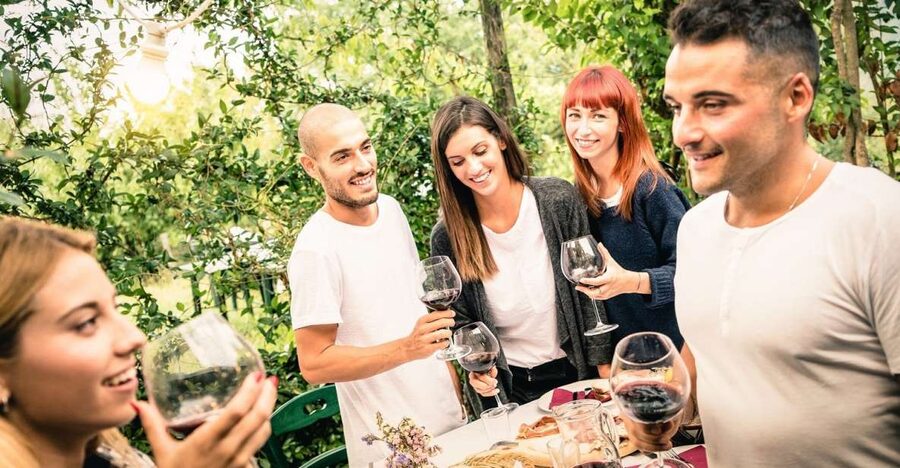
- Two contrasting estates: You visit two wineries, each with its own style, setting, and approach to tasting.
- About 3 to 4 wines per stop: The pours offer a useful introduction to Chianti rather than one quick sample.
- Food comes with the wine: Expect small plates of cheese, salami, bread, olive oil, and other regional products, but not a full lunch.
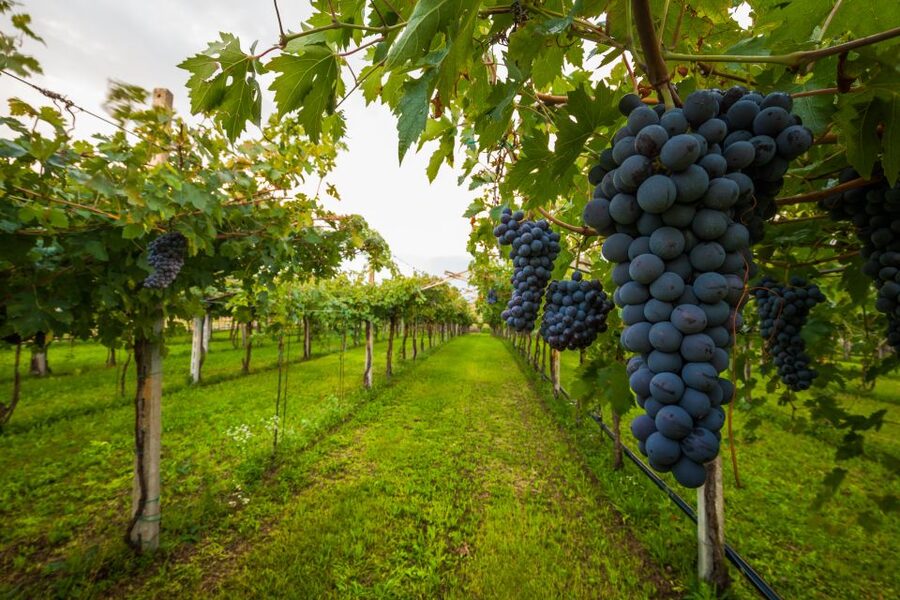
- A scenic escape from Florence: The drive leads into the rolling Chianti hills, with time for photos among vineyards and olive trees.
- Comfortable coach transport: The air-conditioned bus includes Wi-Fi, though it can feel crowded and has no restroom.
- Good value at $41: For 5.5 hours, transport, two estates, several tastings, and food samples, the price is hard to beat.
Leaving Florence for the Chianti hills
The tour begins at a meeting point about a 5 to 10-minute walk from Florence’s Santa Maria Novella train station. Look for a staff member in a fuchsia Ciaoflorence jacket holding a clipboard. That bright jacket is useful in a busy city, so do not wander around looking for a generic bus sign.
There is no hotel pickup or drop-off. You need to reach the meeting point on your own, which is easy if you are staying near the historic center or arriving by train. Bring comfortable shoes, since you may walk around vineyards, farm grounds, and cellar areas.
Once everyone is assigned, you board a fully equipped GT coach. The bus is air-conditioned and has Wi-Fi, and several people have found it clean and comfortable. The drive from Florence takes you away from dense city streets and into the countryside, with the most scenic part coming as the road climbs and bends through the hills.
The coach ride is part of the appeal, but it is not always smooth for people prone to motion sickness. The roads can be winding and steep, so sit near the front if you are sensitive to turns. Drivers have been praised for handling the large coach safely on narrow roads, but the route still feels like Tuscany, not a straight motorway.
Your tour leader gives context during the ride, including information about the region and practical tips for Florence. Some guides, including Jacob and Kenneth Smith, have also helped with photography ideas and restaurant suggestions. The quality of the commentary can vary by guide, and the bus sound system has not always made it easy to hear every word.
More Wine Tastings in Florence
- Tuscany Day Trip from Florence: Siena, San Gimignano, Pisa and Lunch at a Winery
★ 5.0 · 21,634 reviews - Florence: Pisa, Siena, San Gimignano, and Chianti Experience
★ 4.5 · 8,393 reviews - Florence: Chianti Wineries Tour with Wine Tasting
★ 4.5 · 8,301 reviews
The first estate: wine, cellar aromas, and Tuscan snacks
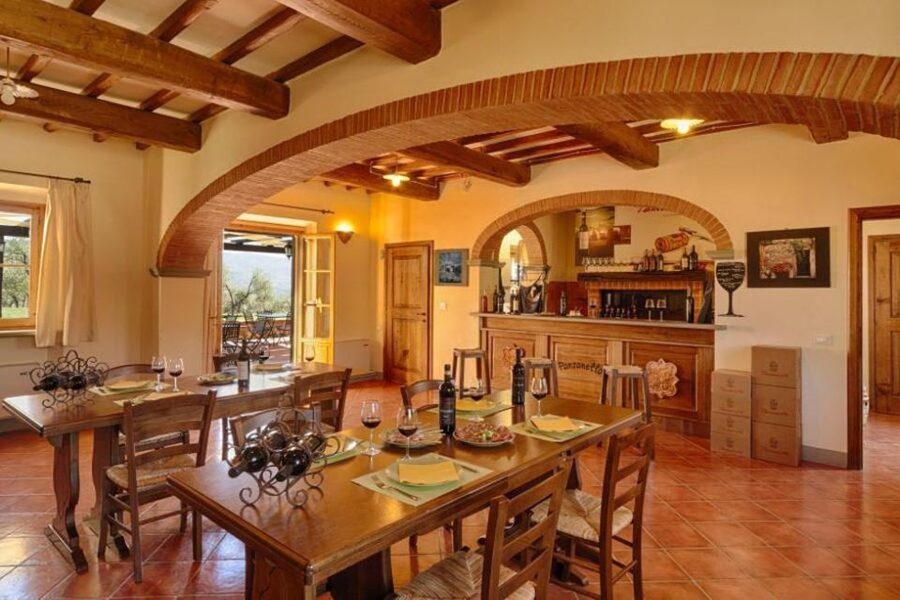
The first winery usually sets the tone for the day. You are welcomed by the estate staff, then shown around the property and its wine-making areas. The exact estate can vary, with past visits including places such as Il Molino di Grace, Teruzzi, Conti Capponi, and family-run farms.
That variety is part of the tour’s character. One stop may feel like a small working farm, where family members explain the wines and oils themselves. Another may have a more formal tasting room, historic cellar, or larger production operation. You should not expect the same visit every time, but you can expect a working wine estate in the Chianti area.
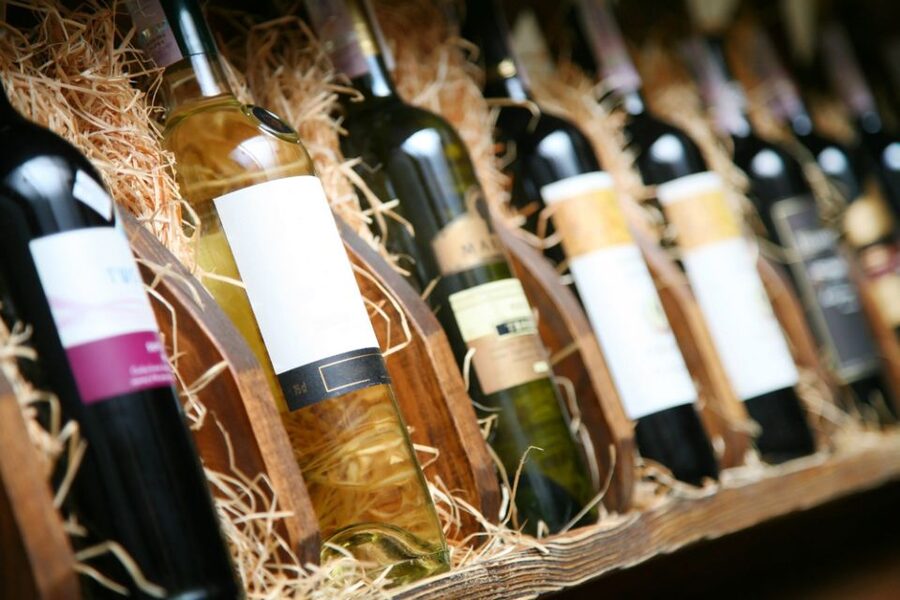
A cellar tour gives the tasting some useful context. You see bottles, wooden barrels, and the spaces where wine is stored and aged. The smell of fermenting wine and oak helps explain why the drink is more than a pretty glass served against a pretty view.
The first tasting includes about three or four wines. You may sample different styles and learn how color, aroma, texture, and finish change from one bottle to the next. This is a good level for beginners: enough glasses to notice differences, but not so much technical detail that you need to know Italian wine terms beforehand.
Small food pairings are served alongside the wine. Expect items such as bread, cheese, cured meats, olive oil, biscotti, honey, or other farm products. These are samples, not a sit-down meal, so eat beforehand if you need a substantial lunch.
The olive oil can be a surprise highlight. At some estates, you taste home-produced oil and learn how it differs from the wine. You may find yourself paying closer attention to peppery, grassy, or fruity notes in the oil than you expected. Bottles of wine, olive oil, honey, and related products are often available to buy at the estates.
The first stop can include time to walk outside and take photos. Use it. The vineyard views are one of the strongest reasons to leave Florence for the afternoon, and the open space gives you a break from tasting-room conversation.
The second winery: a different taste of Chianti
After the first visit, you return to the coach for another short ride, often around 20 minutes according to one detailed account. The second property is designed to show you a different side of the region rather than repeat the first stop.
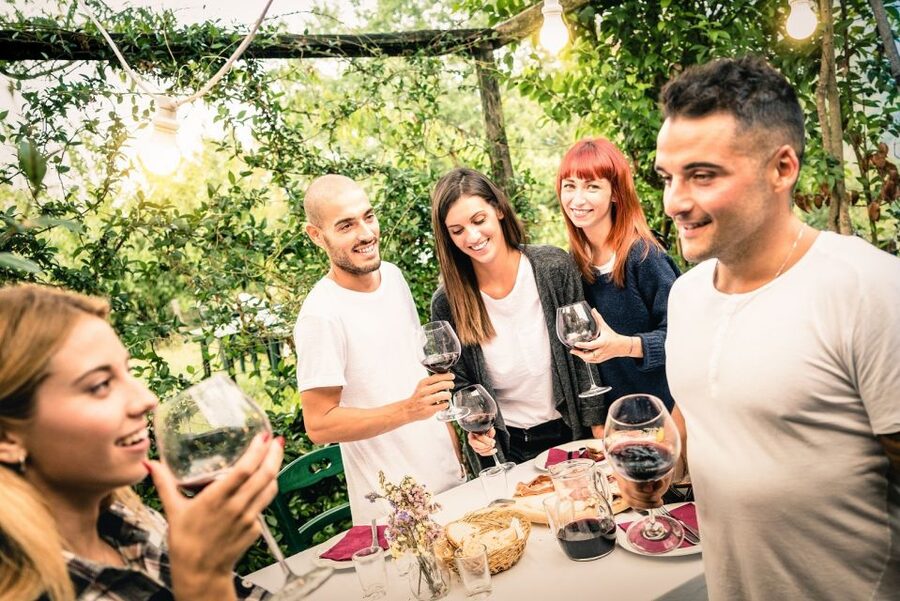
Some second stops have felt more polished and high-end, with carefully presented wines and plated snacks. Others have offered a livelier host, a more relaxed garden setting, or a stronger focus on the production process. At places such as Poggio ai Laghi, the tasting has included two reds and two sparkling wines, along with balsamic vinegars.
The second tasting also includes about three or four wines, although the number and pour size can vary. This is worth keeping in mind when comparing the tour with a private tasting. You are paying for a broad introduction, not a guaranteed sommelier-led appointment tailored to your personal preferences.
A good guide turns this stop into a lesson without making it feel like school. Chiara, for example, has used flavor-profile games to teach people how to identify aromas and textures. You may have to work for a top-up, but the playful approach helps you remember the basics of tasting wine properly.
The two visits are strongest when they feel different. A small family operation may offer warmer personal contact and a closer look at everyday farm life. A larger estate may explain production more clearly and provide a wider range of products. I would rather have that contrast than visit two nearly identical tasting rooms.
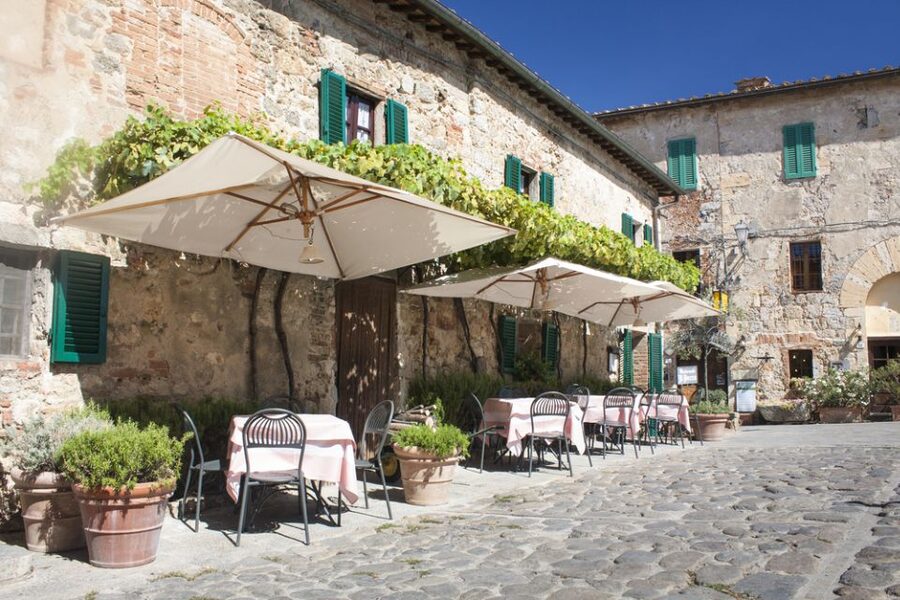
The setting is another draw. You may have time to photograph vineyards, olive trees, gardens, and distant hills. On clear days, some properties have views toward San Gimignano. Weather changes the mood, but even a cloudy day can make the countryside feel calm and spacious compared with Florence.
Some people have found the second visit too quick, especially when the estate is preparing for another large group. That does not happen every time, but it is a fair limitation of a coach tour. If your priority is a slow, intimate conversation with a winemaker, a small private tour would suit you better.
What you actually eat and drink
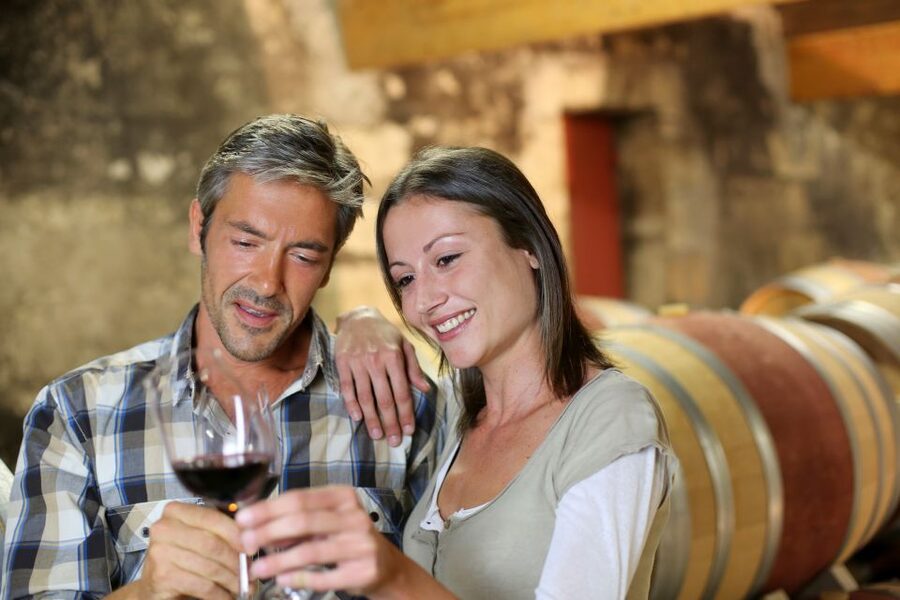
The tour includes food, but you should plan around it correctly. The tastings come with light snacks rather than lunch or dinner. Plates may include cheese, salami, bread, olive oil, biscotti, and other local products, with offerings differing between estates.
That food matters because wine tastes different with and without something to eat. Salty cured meats can soften a wine’s sharper edge, while cheese and bread give you a better sense of how the wine might work at a Tuscan table. The olive oil tasting adds another layer of local food culture.
Dietary needs can sometimes be accommodated. Vegetarian, vegan, and gluten-free provisions have been offered during past visits, and one guide took special care of a person with celiac disease. Still, you should tell the operator about your needs in advance rather than assume every snack will suit you.
Alcohol consumption is spread over two stops, but you still need to pace yourself. Drink water when it is available, eat the snacks, and avoid treating every glass as a challenge. The ride home is when the lack of a bus bathroom matters most, so use the facilities at each winery.
Buying products is optional. You can often purchase wine, olive oil, honey, or vinegar directly from the estates, and some wineries offer shipping. Prices vary, and one estate has been described as making a fairly strong sales pitch with more expensive bottles. Enjoy the tasting first, then buy only what fits your budget.
Same city, an entirely different afternoon:
- Florence: Skip-The-Line Uffizi Gallery Timed Entry Ticket
★ 4.5 · 27,832 reviews - Florence: Timed Entrance Ticket to Michelangelo’s David
★ 4.6 · 16,983 reviews - Florence: Michelangelo’s David Skip-the-Line Entry Ticket
★ 4.5 · 12,764 reviews - The Best tour in Florence: Renaissance & Medici Tales – guided by a STORYTELLER
★ 5.0 · 12,316 reviews
Is $41 a good value?
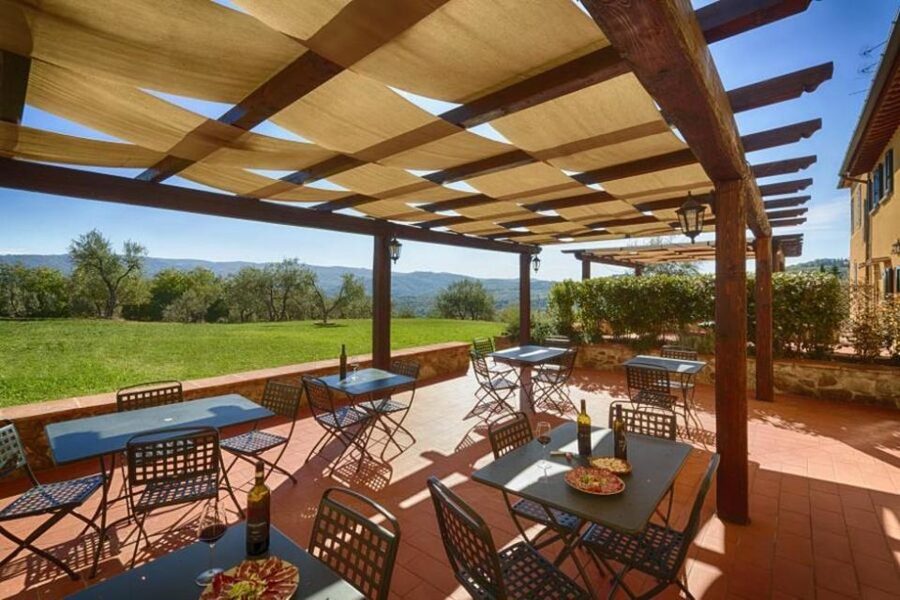
At $41 per person, this is an unusually affordable way to see Chianti from Florence. The price covers transport, a tour leader, two wine estates, roughly six to eight wine samples in total, olive oil, and regional food tastings. It does not include a full meal, hotel transport, or purchased bottles.
The value comes from the combination. A simple wine tasting in Florence can cost a surprising amount before you add a return journey into the countryside. Here, the coach removes the need to drive, the guide provides basic regional context, and the two wineries give you a useful comparison.
There are trade-offs. The low price means a shared coach and a fixed schedule. You cannot linger at one estate for hours, choose every bottle you taste, or expect a private conversation with the producer. Large groups can make check-in, cellar tours, and tastings feel less personal.
For a first visit to Tuscany, I think the calculation works well. You get an introduction to Chianti without spending a full day or arranging a rental car. If wine is your central passion and you already know the region, pay more for a smaller specialist tour.
The practical side of a 5.5-hour outing
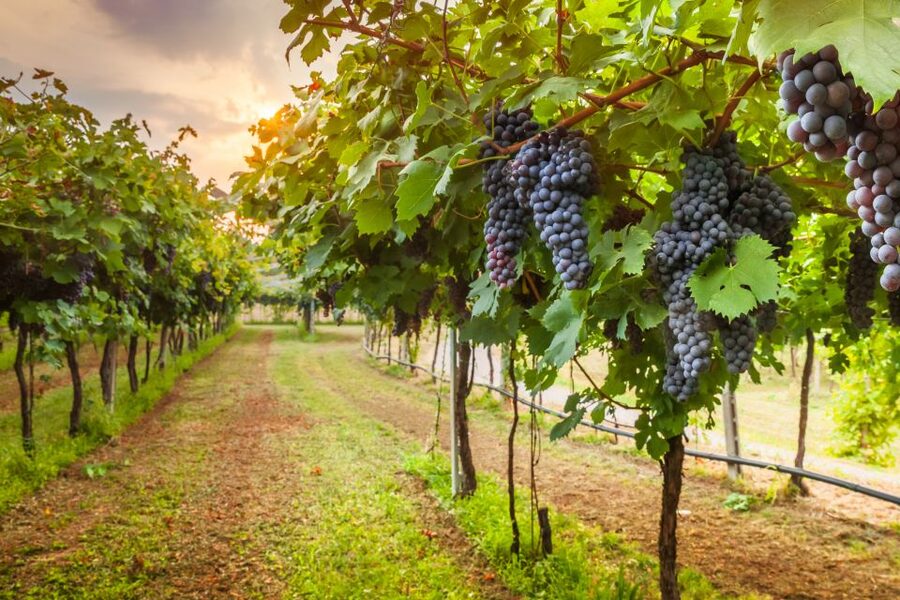
The total duration is about 5.5 hours, making this a manageable addition to a Florence itinerary. An afternoon departure can work especially well in warm weather, since the second estate may be cooler by the time you arrive and you avoid using your entire morning.
You should not bring luggage or large bags. Pets and smoking are not allowed. The wheelchair restriction is important: this tour is not suitable for wheelchair users, and the combination of coach travel, winery paths, and cellar access may be difficult for anyone who has trouble walking.
If you are booking with friends, make sure the reservations are linked or made together. Separate individual bookings do not guarantee that everyone will be assigned to the same bus. That is a small detail that can affect the day.
The tour operates in English with a live guide. Named guides have included Martina, Chiara, Frederica, Celeste, Judy, Roberta, and Kenneth Smith, but the exact person depends on the departure. The best guides make the ride more useful by explaining the area, helping with questions, and keeping the group moving without making the day feel rushed.
Free cancellation is available up to 24 hours before departure for a full refund. You can also reserve now and pay later, which helps if your Florence plans are still shifting.
Who will enjoy this Chianti tour?
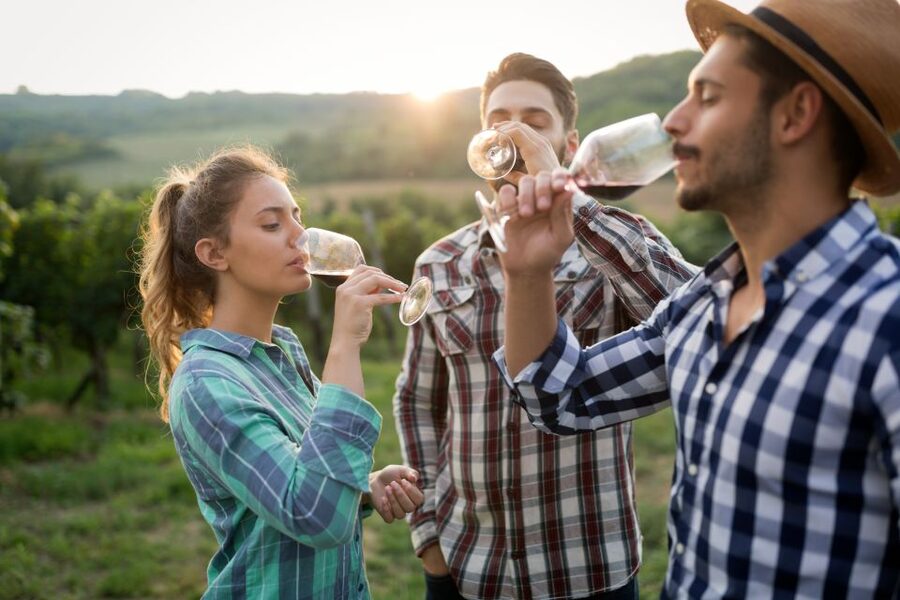
I would choose this tour if you want countryside views, a first taste of Tuscan wine, and a simple way to get beyond Florence. It suits couples, friends, solo visitors, and families with older children. Children are allowed, so parents do not automatically have to skip the outing, although the day is clearly built around adult tastings.
It is also a good choice for people who do not consider themselves wine experts. The guides and cellar staff explain the basics, and the tastings provide enough variety to help you discover what you like. You can enjoy the scenery and food even if wine is not your main interest.
People with dietary restrictions should ask ahead about suitable snacks. The care shown at some departures has been excellent, but provisions can differ between estates.
I would hesitate if you dislike coaches, winding roads, fixed schedules, or group activities. I would also avoid it if you want a full meal, a private tasting, or a guaranteed slow visit at a single family winery.
Should you book this Florence to Chianti outing?
Book it if you want strong value and classic Tuscan scenery in half a day. Two contrasting wineries, multiple tastings, olive oil, local snacks, and a safe ride from Florence give you a lot for $41.
Go with realistic expectations. This is an organized group excursion, not a private wine education. Eat before you go, wear comfortable shoes, use the restroom at each estate, and keep your purchases optional.
For a first introduction to Chianti, I would book it. It gives you the hills, the cellars, the food, and enough wine to understand why this part of Tuscany deserves a place beyond the Florence city center.
FAQ
Where is the meeting point for the Chianti wine tour?
The meeting point is a 5 to 10-minute walk from Santa Maria Novella train station in Florence. Look for a staff member wearing a fuchsia Ciaoflorence jacket and holding a Ciaoflorence clipboard.
How long does the tour last?
The tour lasts about 5.5 hours. Starting times vary, so check availability when booking.
How many wineries do you visit?
You visit two different wine estates. Each stop includes a visit to the property and a tasting.
How much wine is included?
The tour includes about three to four different types of wine at each winery. The exact number and pour size can vary.
Is food included?
Light Tuscan food tastings are included, along with olive oil tasting. Food can include cheese, bread, cured meats, biscotti, and other regional products. A full lunch or dinner is not included.
Is the tour suitable for wheelchair users?
No. The tour is listed as unsuitable for wheelchair users. Comfortable shoes are recommended for walking around the estates and vineyards.
Fresh on the Florence list
- Florence: Uffizi Guided Tour with Skip-the-Line Entry Ticket★ 4.8 · 499 reviews
- The Best of Florence Walking Tour in a Small Group★ 5.0 · 503 reviews
- Florence: Uffizi Gallery Tickets with Optional Audio Guide★ 4.1 · 503 reviews
- Premium Pasta and Gelato Cooking Class in Florence★ 5.0 · 508 reviews
- From Florence: Tuscany & San Gimignano Tour with 2 Tastings★ 4.8 · 511 reviews
- Florence: Guided Tour of Medici Family Secrets and Chapels★ 4.7 · 512 reviews
- Tuscany Vespa Tours Through the Hills of Chianti★ 5.0 · 515 reviews
- Pasta and Tiramisu Cooking Class with optional Local Market Tour★ 5.0 · 515 reviews
Wine Tastings, compared.

Tuscany Day Trip from Florence: Siena, San Gimignano, Pisa and Lunch at a Winery
Read our review →
Pisa, Siena, San Gimignano, and Chianti Experience
Read our review →
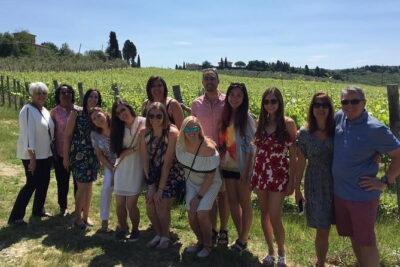
Small-Group Wine Tasting Experience in the Tuscan Countryside
Read our review →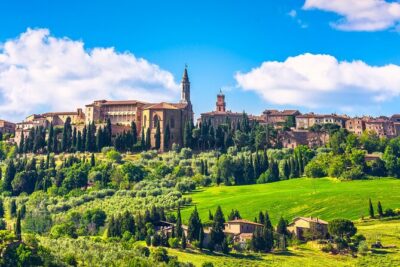
Tuscany & Montepulciano Day Trip with Lunch & Wine Tasting
Read our review →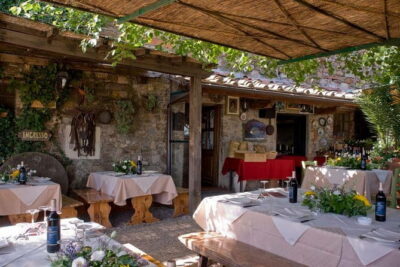
SMALL-GROUP Wine Safaris: Tuscan Wine Tasting Tours from Florence
Read our review →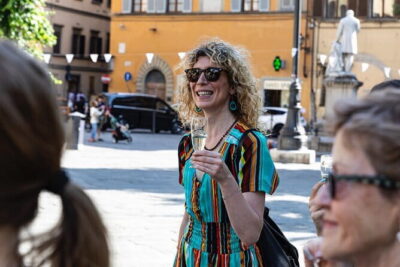
Winner 2025 Florence Sunset Food & Wine Tour by Eating Europe
Read our review →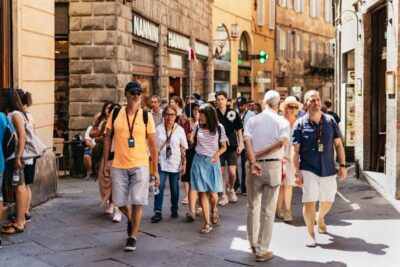
Siena, San Gimignano, Pisa & Lunch at Winery
Read our review →Browse the lists this tour appears in