
Reviewed · LECCE TOURS
Strolling through Lecce
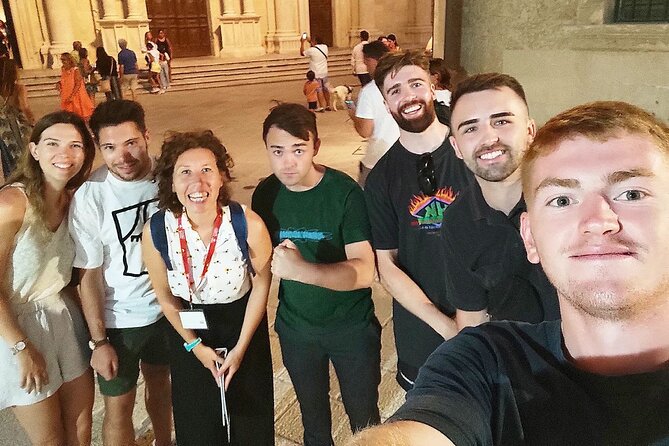
Lecce is the sort of city that can overwhelm you in the best way: pale stone, theatrical church fronts, Roman ruins, and narrow streets packed into a walkable old center. Strolling through Lecce gives you a clear route through that mix, with Sara Bianchi explaining not only what you are seeing, but why it matters.
I like two things right away. The small group, capped at 12 people, should make it easier to hear Sara and ask questions. I also like the balance of major sights and useful local advice, including restaurant and café suggestions. The main consideration is that the $36.30 price covers the guide, not entry to the churches, Roman Theater, or Roman Amphitheatre.
Key points at a glance
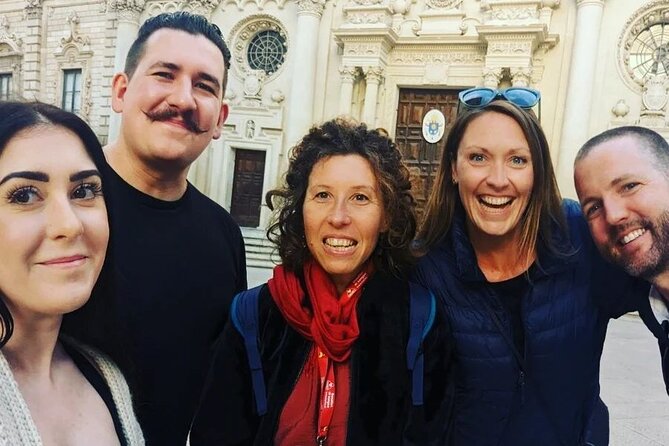
- Sara Bianchi’s lively storytelling: Expect history, architecture, local customs, humor, and practical recommendations in clear English.
- Five central Lecce sights: The route links Porta Napoli, Piazza del Duomo, the Roman Theater, Piazza Sant’Oronzo, and Basilica di Santa Croce.
- A useful first look at the city: Two hours gives you a strong orientation before you explore Lecce on your own.
- A genuinely small group: The maximum of 12 people is helpful in busy squares and around detailed Baroque carvings.
- A walking tour with extra costs: Tickets for the churches, Roman Theater, and Roman Amphitheatre are not included.
- An easy old-town start and finish: You begin at Porta Napoli and end at Piazzetta Gabriele Riccardi.
Why Lecce makes a fine walking tour
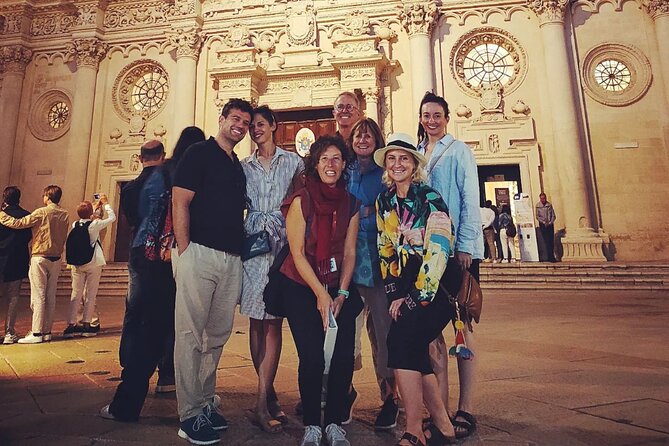
Lecce is often called the capital of Salento, the southern part of Puglia. Its old center mixes Roman remains with the ornate local Baroque style, known for soft honey-colored stone and elaborate carving. A first-time visitor can easily see the beauty without understanding the layers beneath it.
That is where a guide earns the fee. Sara’s approach, based on the tour’s format and the details shared about her guiding, is not just to point at a handsome façade and name it. She explains the city’s past, the purpose of its buildings, the link between local traditions and everyday life, and the stories behind the decoration.
I especially like that she uses old photographs during the walk. Seeing how Lecce looked in earlier periods can help you read the streets more clearly instead of treating the old town as one large outdoor museum.
The pace is also sensible for a first visit. You cover five important places in about two hours, rather than spending the entire morning inside one monument. That makes this a good opening activity, especially if you plan to remain in Lecce afterward and return to the sights that catch your attention.
A few other Lecce mornings to weigh against this
- Lecce: Baroque Architecture and Underground Walking Tour
★ 4.7 · 842 reviews - Small group tour of the caves of Santa Maria di Leuca
★ 5.0 · 806 reviews - 3 Hour Group Tour by Boat to the Caves of Santa Maria di Leuca
★ 5.0 · 472 reviews
Porta Napoli: a strong opening at the city gate
The tour begins at Porta Napoli, at Piazzetta Arco di Trionfo. This large ceremonial gate gives Sara a natural place to introduce Lecce and the wider Salento area before you enter the old town.
You spend about 10 minutes here, and admission is free. That short pause matters because it sets the historical frame for the rest of the walk. You begin with the city as a gateway, then move into the streets where Roman remains and Baroque churches share the same compact center.
Do not expect a long stop with an interior visit. Porta Napoli is an introduction and meeting point, not a major ticketed attraction on this tour. Its value comes from the explanation around it and from helping you understand where the old town begins.
Arrive ready to walk rather than treating this as a photo-only stop. The tour is called Strolling through Lecce for good reason, and the details make more sense when you pay attention to how the gate leads into the historic center.
Piazza del Duomo and Lecce’s Baroque drama
Next comes Piazza del Duomo, with roughly 20 minutes to admire the square and its surrounding buildings. This is one of the most visually striking parts of the route, and it gives you a concentrated look at the style that makes Lecce different from many other Italian cities.
The square is enclosed by Baroque buildings, creating a more composed and dramatic feeling than an open market piazza. Look up as Sara explains the stonework. The appeal is not only the amount of decoration, but the way the buildings work together as a complete setting.
This is a useful place to hear about Lecce’s architecture rather than simply photograph it. The carvings, façades, and formal arrangement can seem almost excessive at first. With context, you get a better sense of how the city presented power, faith, and artistic skill.
The stop is free, but it is still worth setting aside time to return later. A group walk gives you a strong first reading of the square, while an independent visit lets you slow down and inspect details you may miss when the group moves on.
Teatro Romano: a glimpse 2,000 years back
The Roman Theater offers a sharp change of mood. After the pale Baroque stone and grand church façades, you come to a Roman monument that brings Lecce’s ancient past into view.
The scheduled stop lasts about 15 minutes. You learn about the theater and the Roman period, but the ticket is not included in the tour price. That is important when you compare this experience with a walk that includes paid entries.
A 15-minute visit is best understood as an introduction. You should expect an explanation of the site and its place in Lecce, not an extended archaeological visit. If Roman remains are a major reason you came to Puglia, you may want to return independently and spend more time there, subject to the site’s entry arrangements.
I like this part of the route because it keeps the city’s timeline moving. Lecce is not only a Baroque showpiece. The theater reminds you that the city’s story reaches much further back, and Sara’s historical approach helps connect the ancient remains with the streets around them.
Same city, an entirely different afternoon:
- Snorkelling-Tour in Porto Cesareo with typical aperitif
★ 5.0 · 452 reviews - Lecce: Pasta Making Class in 1400s-Era Courtyard with Wine
★ 4.7 · 369 reviews - Lecce: City Highlights Guided Tour by Bike
★ 4.8 · 362 reviews - Tour to 4 Towns of Salento: Otranto, Leuca, Gallipoli, Galatina
★ 5.0 · 360 reviews
Piazza Sant’Oronzo and the Roman Amphitheatre
The walk then reaches Piazza Sant’Oronzo, described as Lecce’s ancient market square. This is another place where several periods of the city meet in one view.
The Roman Amphitheatre is the main draw. Its surviving stonework gives you a direct look at the scale of Roman public entertainment, and the gladiator reference adds a playful note to the stop. You spend around 20 minutes here, enough for a clear explanation and a look at the remains without turning the tour into a full archaeological study.
The amphitheatre ticket is not included. That extra cost is easy to overlook, so keep it in mind if you want to enter any of the paid sites. The tour still works if you stay outside and listen, since the guide’s explanation gives you the setting and purpose of the monument.
Piazza Sant’Oronzo is also a practical orientation point. It helps you understand how Lecce’s public life developed around major civic and religious spaces. Sara’s explanations about culture, tradition, food, and modern habits add value here, since you are not only looking at an ancient structure in isolation.
Santa Croce: the stop that rewards a closer look
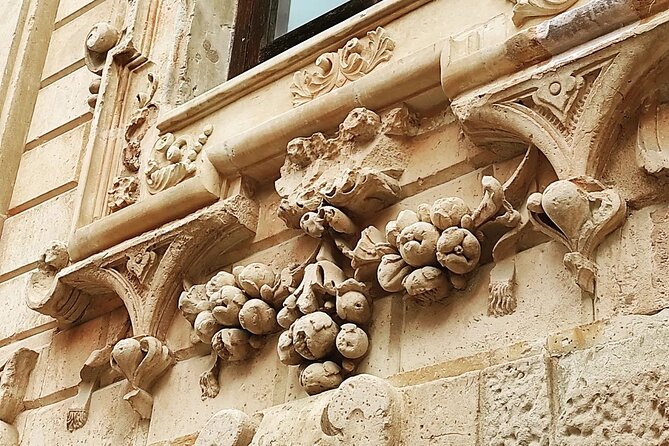
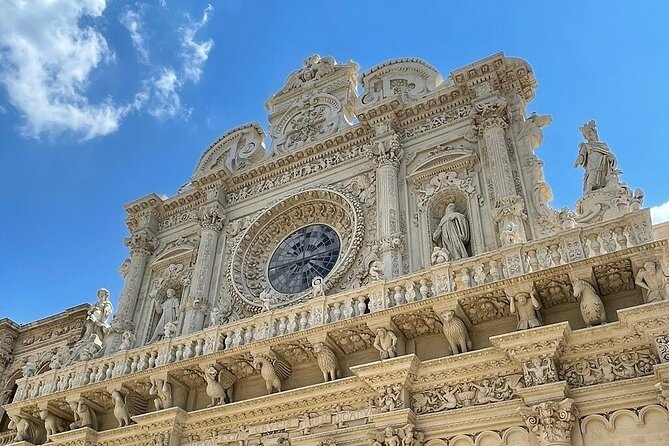
Basilica di Santa Croce gets about 20 minutes, and this is likely to be one of the tour’s visual high points. The church is famous for its ornate façade, where sculpted details compete for your attention.
A quick glance will show you why the building is special. A guide helps you notice the details in a more organized way. Sara’s role here is particularly useful because the façade can feel busy and confusing when you do not know where to look or what the design is trying to express.
The church ticket is not included, so check the entry cost when planning your day. The tour can introduce you to the basilica from outside, but the interior may require separate admission. This is one of the clearest examples of the difference between a guided orientation and a complete monument visit.
Give yourself permission to return after the walk. You may want time to examine the stone carving, take photographs, or sit with the contrast between the church and the surrounding streets. The 20-minute group stop is enough to understand its importance, but not necessarily enough for every detail.
Sara’s style: history with humor and local advice
The guide is the heart of this experience. Sara Bianchi is described as warm, funny, energetic, and easy to talk with. She speaks English well and keeps the group involved without relying on written notes.
That last point matters less because memorized facts are impressive than because it suggests a flexible walk. You can ask questions, connect a story to something you have just seen, and get explanations that feel spoken rather than recited.
I also like the attention to the why behind Lecce. Many city walks give you names, dates, and a few amusing anecdotes. Sara’s approach goes further into the reasons buildings look as they do, how the city’s history shaped local culture, and how older traditions connect with present-day habits.
Food advice is another practical bonus. The tour is not a cooking class and meals are not included, but Sara can point you toward restaurants and cafés. One especially useful example from the guiding experience is a recommendation for local cappelli pasta. Write down food suggestions as you go, since the best advice often gets forgotten by lunchtime.
The small group limit of 12 supports this style. Lecce’s carved façades require people to gather close enough to see and hear the explanation. A smaller group also gives you a better chance to ask about a restaurant, a neighborhood, or a detail you noticed along the way.
What the two-hour format does well
Two hours is long enough to provide structure without taking over your day. You move from the city gate to the cathedral square, then through Roman sites and on to Santa Croce. The route gives you a mental map of the center and a short list of places to revisit.
I would schedule this tour near the start of your stay in Lecce. You can use Sara’s orientation to decide which buildings deserve a second look, where to eat, and how to spend the rest of your time. If you have only a few hours in the city, the route also covers a strong set of central sights.
The trade-off is depth. Five stops in two hours means the time at each place is limited. You will not get a long interior visit at every church or an extended archaeological session at the Roman monuments.
That is not a flaw if you want a lively overview. It matters if your main aim is detailed art study, photography, or slow exploration. In that case, treat the tour as your first pass, then return independently.
Price, tickets, and practical value
At $36.30 per person, the tour is priced as a guided orientation rather than an all-inclusive sightseeing package. You are paying for Sara’s time, explanations, local knowledge, and route planning. The listed price does not cover tickets for the churches, Roman Theater, or Roman Amphitheatre.
For me, the value depends on how you use the two hours. If you would otherwise walk through Lecce seeing only attractive stone and ornate façades, the guide adds real meaning. You also gain restaurant and café suggestions, historical context, and a clear sense of what to revisit.
Budget a little extra if you want to enter the ticketed sites. The exact entry charges are not provided here, so check them before booking or at the monuments. You can still take the tour without entering every site, but anyone focused on interiors should plan for additional admission.
The mobile ticket is convenient, and confirmation comes at booking. The start point is Porta Napoli, and the walk ends at Piazzetta Gabriele Riccardi. Since the tour stays in Lecce’s old center, you should not need a separate sightseeing transfer between stops.
Who should book Strolling through Lecce
I would choose this for a first visit, especially if you want a human explanation of Lecce rather than a self-guided route. It suits people who enjoy history, architecture, and local stories, but it is also approachable if you simply want to understand what you are seeing.
It is a good fit for:
- First-time visitors who want to get oriented quickly
- Couples and families who prefer a small group
- History and architecture fans who want more than short facts
- English-speaking visitors
- Anyone who wants local food and café suggestions
- People with only part of a day in Lecce
You should think twice if you dislike walking tours, want guaranteed entry to every monument, or prefer to spend a long time inside one church or archaeological site. The experience is built around movement and explanation, not extended time at a single attraction.
Most people can participate, and service animals are allowed. The tour is near public transportation, though the supplied details do not specify a particular bus or train connection. Since the group is outdoors and the experience requires good weather, comfortable walking shoes and a weather check are sensible, even though those items are not listed as formal requirements.
Booking timing and weather considerations
This experience is booked, on average, about 33 days ahead. That does not guarantee that every date sells out, but it suggests you should reserve before your trip if Sara’s small-group format is important to you.
The tour requires good weather. If poor weather forces cancellation, you are offered another date or a full refund. A minimum group size also applies, and if that minimum is not met, you receive the choice of another date or experience, or a full refund.
You can cancel for a full refund up to 24 hours before the start time. Cancellations or changes inside that 24-hour window are not accepted for a refund, and all cut-off times use Lecce’s local time.
These terms are fairly simple, but they matter if your Puglia schedule is tight. Leave some flexibility around the walk if possible, especially in a season when rain could affect outdoor sightseeing.
Should you book this Lecce walking tour?
I would book Strolling through Lecce if you want a well-paced introduction led by a guide who connects architecture, ancient remains, food, and present-day life. Sara’s strongest qualities are her clear English, humor, enthusiasm, and ability to explain the meaning behind the sights.
The $36.30 fee is reasonable for a two-hour small-group walk, but remember that paid entries are extra. Book it early if you are visiting during a busy period, and place it near the beginning of your Lecce stay so you can use the advice afterward.
Skip it only if you want to explore entirely at your own pace or plan to spend most of your time inside the monuments. For nearly everyone else, this is a smart way to see the old center, learn how its Roman and Baroque layers fit together, and leave with a better plan for the rest of your visit.
FAQ
How long does Strolling through Lecce last?
The tour lasts approximately two hours.
Where does the tour begin?
The meeting point is Porta Napoli, at Piazzetta Arco di Trionfo, 73100 Lecce, Italy.
Where does the tour end?
The tour ends at Piazzetta Gabriele Riccardi, 73100 Lecce, Italy.
Is the tour offered in English?
Yes. The experience is offered in English.
Are monument entry tickets included?
No. Tickets for the churches, Roman Theater, and Roman Amphitheatre are not included. The tour guide is included.
How many people can join the tour?
The tour has a maximum of 12 participants.
Fresh on the Lecce list
- Ostuni, Alberobello and Polignano a Mare. Departing from Lecce★ 5.0 · 195 reviews
- Lecce: Street Food Tasting and Sightseeing Tour★ 4.8 · 197 reviews
- Orecchiette Cooking Class and Wine Pairing in Lecce★ 4.5 · 205 reviews
- Porto Selvaggio kayak tour + cliff diving + cold spring immersion★ 5.0 · 227 reviews
- Lecce guided tour with underground discoveries★ 4.5 · 230 reviews
- 3-hour Boat Tour in Santa Maria di Leuca★ 5.0 · 233 reviews
- Lecce: City Highlights Guided Tour by Rickshaw★ 4.8 · 236 reviews
- Santa Maria di Leuca: Capo di Leuca Boat Tour★ 4.8 · 245 reviews
Lecce Tours, compared.
Baroque Architecture and Underground Walking Tour
Read our review →
Small group tour of the caves of Santa Maria di Leuca
Read our review →
3 Hour Group Tour by Boat to the Caves of Santa Maria di Leuca
Read our review →Snorkelling-Tour in Porto Cesareo with typical aperitif
Read our review →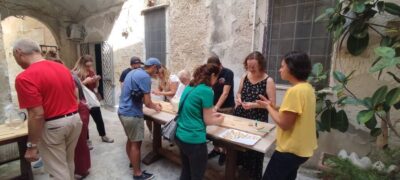
Pasta Making Class in 1400s-Era Courtyard with Wine
Read our review →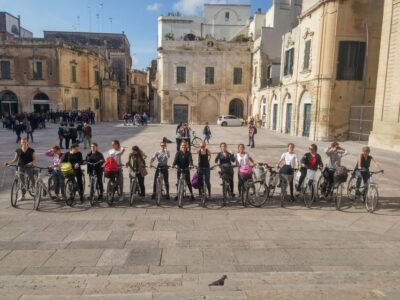
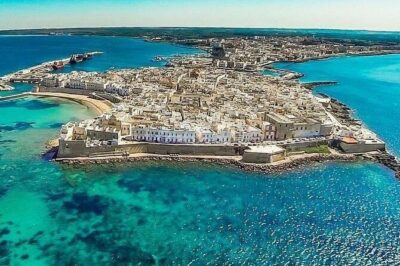
Tour to 4 Towns of Salento: Otranto, Leuca, Gallipoli, Galatina
Read our review →
Cooking class, dinner and wine tasting near Lecce
Read our review →Browse the lists this tour appears in