
Reviewed · FOOD TOURS
Rome: Trastevere & Campo de Fiori Street Food Walking Tour
Rome’s best food lessons often happen beside a bakery counter, not in a formal restaurant. This 2.5-hour Trastevere and Campo de’ Fiori walk takes you from Piazza San Simeone across two of the city’s most atmospheric neighborhoods, pairing Roman street food with stories about the people and traditions behind it.
I like the generous tasting portions, which can add up to a full light meal, and the way the route mixes food with sights such as Santa Maria in Trastevere, Ponte Sisto, and Piazza Farnese. The main consideration is dietary: vegetarian choices are available, but the tour is not suitable for vegans or people with gluten intolerance.
Key points to know before booking
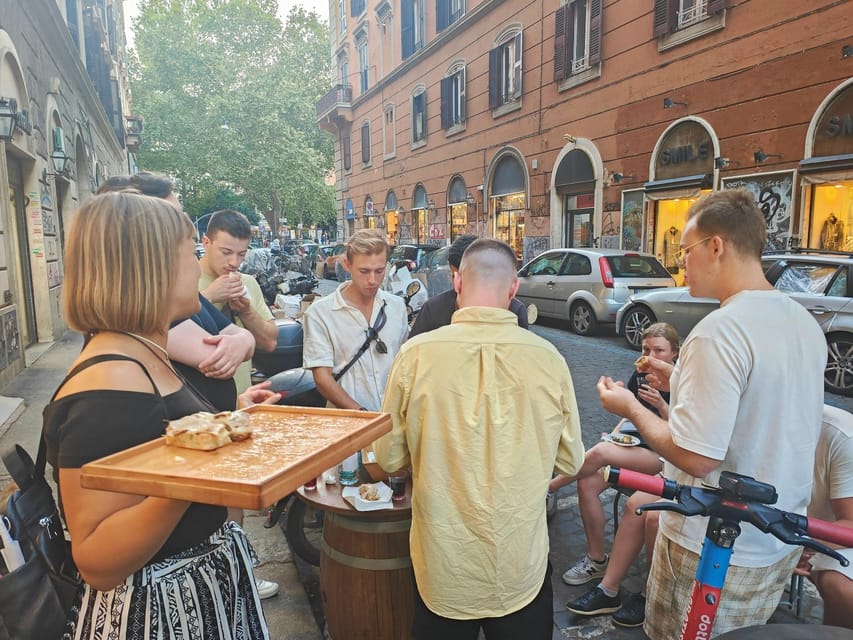
- Roman classics, not just nibbles: Expect pizza, supplì, a traditional sandwich, gelato, and possibly specialties such as porchetta and maritozzo.
- A useful first-day activity: Guides such as Daniele, Leonardo, Alessandra, and Fiammetta regularly share restaurant tips for the rest of your stay.
- Two neighborhoods in one walk: The route links Campo de’ Fiori with Trastevere and crosses the Tiber at Ponte Sisto.
- Small-group feel: Groups are limited to 14 people, with private options also available.
- History comes with the food: Santa Maria in Trastevere and the surrounding streets provide a cultural frame for the tasting stops.
- Plan around your diet: Vegetarian arrangements are supported, but vegan and gluten-free visitors should choose another tour.
Why this Roman food walk works so well
At $51 per person, this tour sits in the reasonable middle range for a guided food experience in central Rome. You are paying for more than a succession of samples. The fee includes a licensed guide, the food tastings, neighborhood walks, and enough context to help you make better choices later in your trip.
The food is also substantial. The scheduled tastings last about 15 minutes at several stops, and the tour finishes with a 15-minute gelato stop. Several dishes are served in portions large enough to feel like lunch or an early dinner, so I would not eat a full meal beforehand.
The strongest reason to book is the guide. Daniele is repeatedly praised for combining local Roman knowledge with archaeology, humor, and visual explanations on a tablet. Leonardo is noted for his energy and restaurant advice, while Alessandra and Fiammetta are described as warm, engaging hosts who make it easy for a group to talk and share food.
Guide assignments can change, of course. Still, the pattern is clear: this tour depends heavily on the person leading it, and the available guides have a strong record of making the history lively rather than turning it into a lecture.
More Food Tours in Rome
- Winner 2025 Rome Twilight Trastevere Food Tour by Eating Europe
★ 5.0 · 5,157 reviews - Rome: Trastevere or Jewish Quarter Street Food Tour
★ 4.8 · 3,839 reviews - Rome Food Tour: Unlimited Tastings with Fine Wine & Barolo
★ 5.0 · 3,365 reviews
Starting at Piazza San Simeone
Your meeting point is the fountain in the middle of Piazza San Simeone. This is a practical starting place because the square sits near the historic center and puts you quickly into Rome’s narrow streets.
The route first passes the Chiostro del Bramante, with about three minutes for that portion. You do not get a full visit to the cloister, so think of it as an architectural reference rather than a museum stop. That is typical of this experience: the sights provide setting and atmosphere, while the food remains the main event.
After a short three-minute walk, you reach the first local restaurant for a 15-minute tasting. The exact dish can change, but this is where the guide begins introducing Roman food in a direct, practical way. You learn not only what you are eating, but also how the dish fits into everyday city life.
Pizza, supplì, and the stories behind Roman food
The next walking stretch takes about five minutes and leads to a less obvious food stop. This 15-minute visit is described as a secret stop, with street food and regional samples.
Roman food is built around simple ingredients handled well. Pizza is usually crisp and thin rather than soft and thick, and supplì are fried rice balls with a crunchy shell and a warm center. The guide helps you notice those differences instead of simply handing you a snack and moving on.
You may also encounter porchetta, mortadella, maritozzo, or other local specialties. The precise selection depends on the day, season, and holiday schedule. That flexibility is useful for keeping the food fresh, though it means you should not book with the expectation of receiving one fixed menu.
A bakery dating to 1870 is part of the food story, particularly for crunchy Roman-style pizza. The age of the business matters less than the chance to connect a familiar food with a long-running local trade. You are seeing how Roman eating habits survive through bakeries, market stalls, bars, and family-run food shops.
Campo de’ Fiori after the first tastings
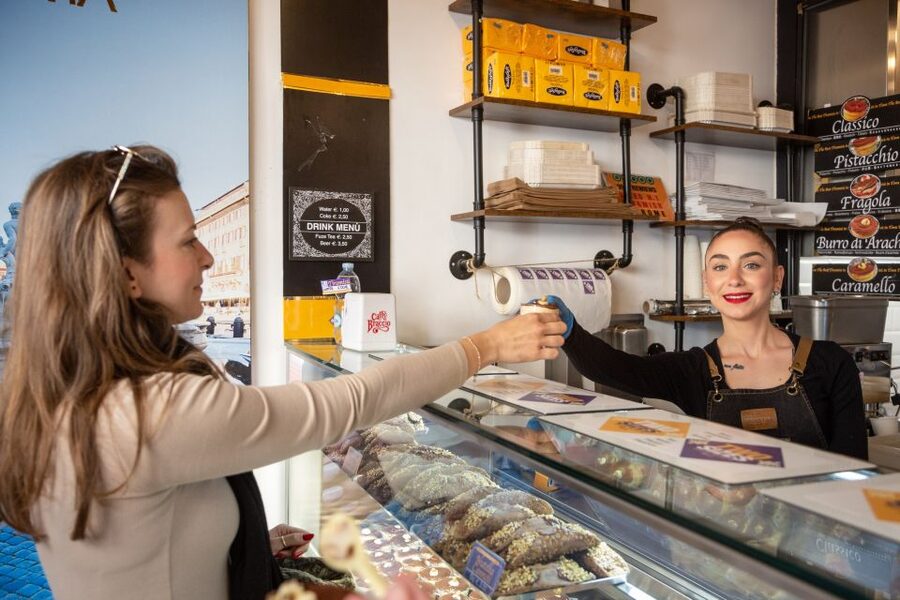
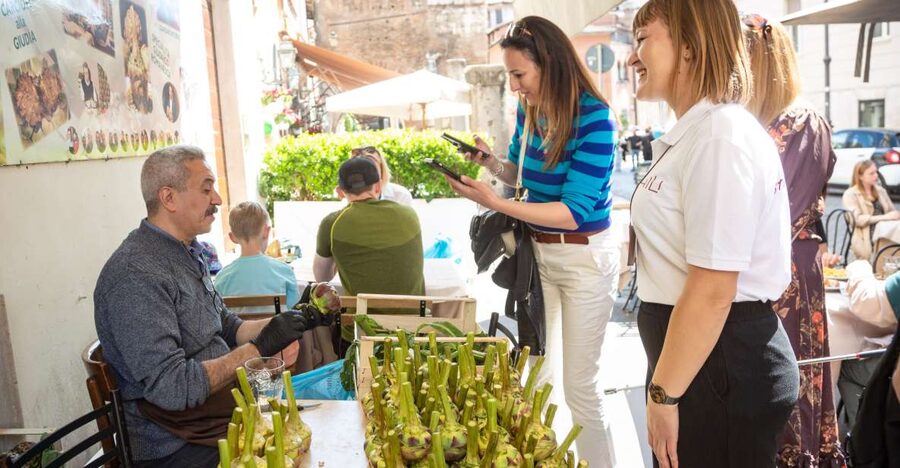
A ten-minute walk brings you to Campo de’ Fiori, one of central Rome’s best-known outdoor markets. The market visit lasts about 25 minutes, giving you time to look at the stalls and hear how Romans use this part of the city.
Campo de’ Fiori is a busy sightseeing stop, but it also works well on a food tour because the market gives you a visual lesson in ingredients. You can connect the prepared foods you have tasted with the produce, herbs, and pantry items that support Roman cooking.
The guide also points out where to find fresh handmade supplì. That advice is valuable because supplì can vary greatly in quality, and a local recommendation saves you from choosing a mediocre version simply because it is convenient.
The drawback is that outdoor markets change with the calendar. Holiday periods and seasonal supply can affect both the stalls and the route. The tour provider warns that the itinerary and tastings may change, so treat the market as a living part of the city rather than a guaranteed display.
More Walking Tours in Rome
- Rome: Paranormal Night Walking Tour & Secret Backstreets
★ 4.9 · 1,921 reviews - Rome by Night Walking Tour – Legends & Criminal Stories
★ 4.5 · 1,003 reviews - Rome: Guided City Center Evening Sightseeing Walking Tour
★ 4.4 · 953 reviews - Best of Rome Walking Tour including Trevi Fountain
★ 4.5 · 923 reviews
Piazza Farnese and the walk across the Tiber
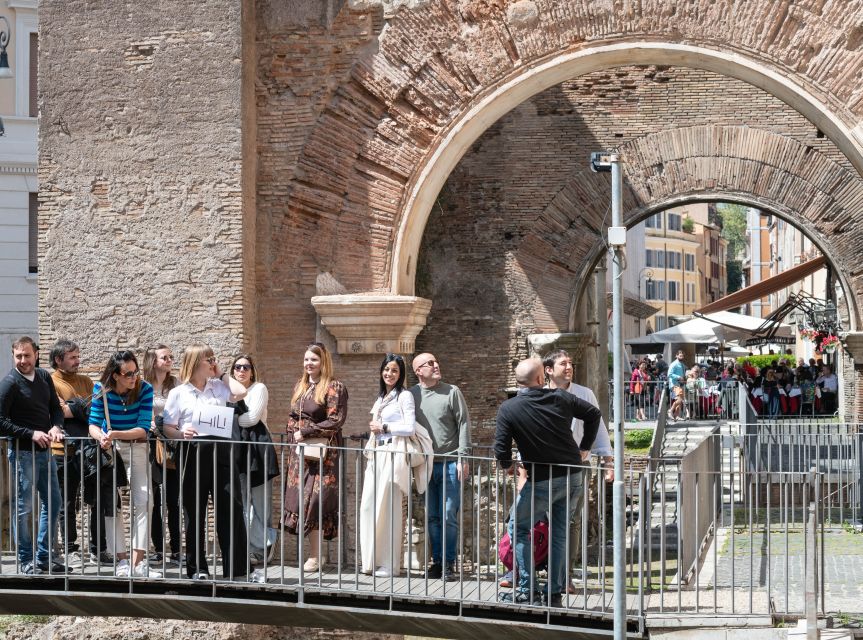
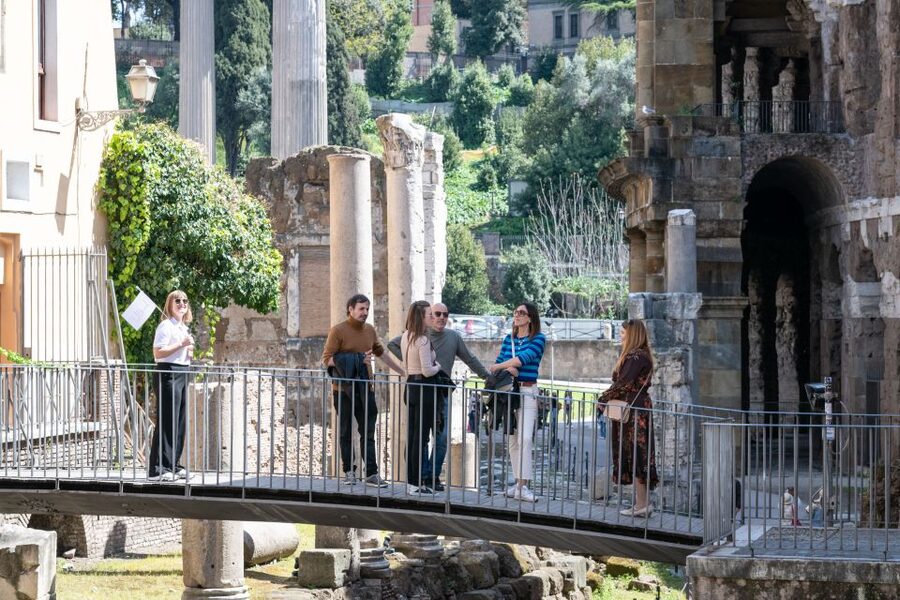
From Campo de’ Fiori, the group passes through Piazza Farnese. The stop is brief, about five minutes, but it adds one of Rome’s grand urban spaces to the route.
Then comes a ten-minute walk toward Ponte Sisto. This is one of the most pleasant parts of the tour because you are not simply moving between restaurants. You are walking through central Rome, taking in the changing feel of the streets and the views along the way.
Ponte Sisto carries you across the Tiber toward Trastevere. The bridge section is listed as a scenic walk, and it gives the route a clear shape: Campo de’ Fiori and the old center on one side, Trastevere on the other.
You should wear comfortable shoes. The distance is manageable, but this is a real walking tour with several short transfers. Rome’s paving can be uneven, and the group stops often enough that the pace is easy, but not stationary.
Piazza Trilussa and the heart of Trastevere
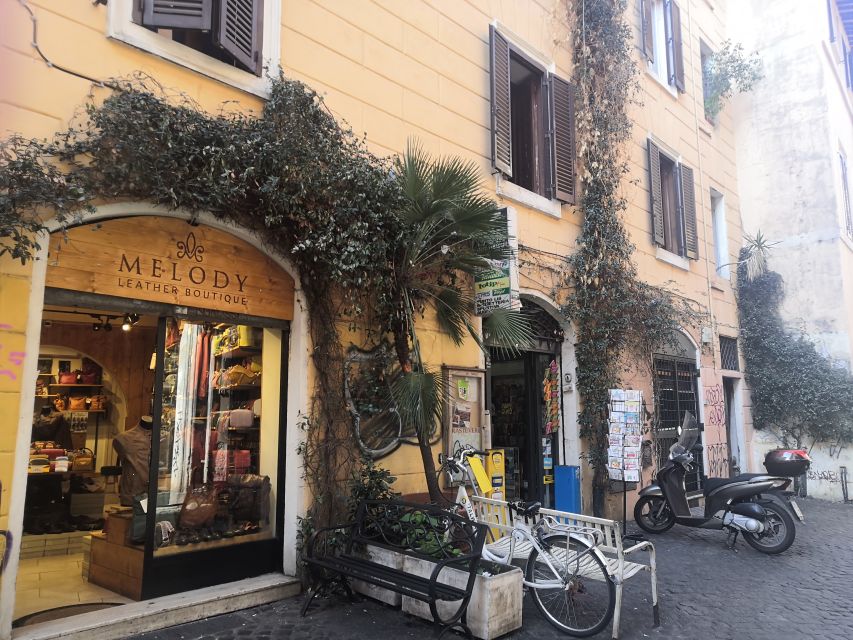
On the Trastevere side, the route passes Piazza Trilussa before continuing toward another local restaurant. Piazza Trilussa is a natural meeting place in the neighborhood and helps you feel the change from formal central Rome to a more local social district.
The next food stop lasts around 15 minutes. Here you may try another Roman specialty, such as a sandwich or porchetta. Several tastings are served across the tour, and the portions are reported to be more generous than expected.
That matters if you are comparing this experience with a standard food crawl offering tiny samples. You should still expect shared tasting portions rather than a seated, multi-course meal. The payoff is variety: you can try several foods in one afternoon or evening without committing to a single restaurant.
The guide also introduces the trasteverini, the vendors and artisans who have lived and worked in the area for generations. This is the part that gives the tour more character than a simple list of recommended eateries. Food becomes a way to understand who keeps the neighborhood going.
Santa Maria in Trastevere and the final gelato
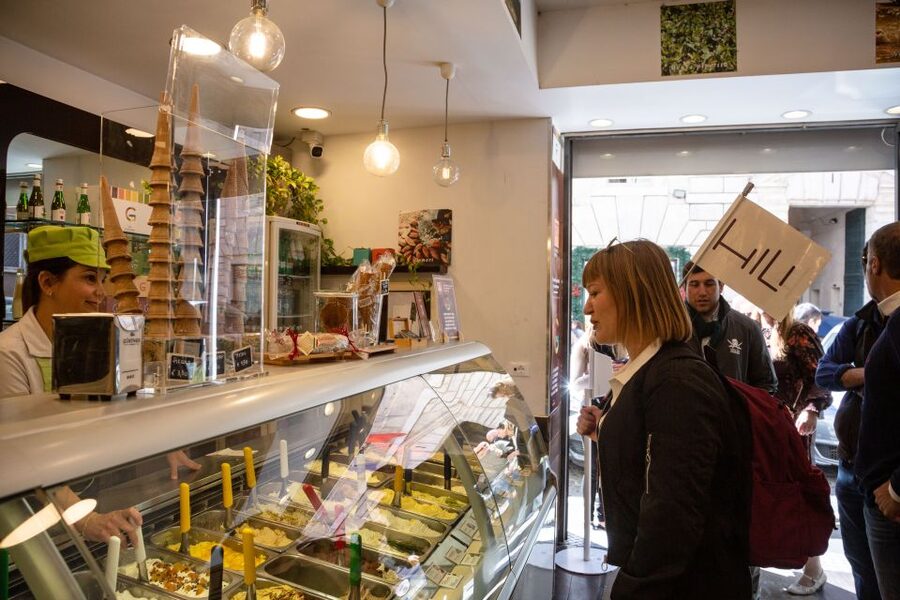
The group then spends about ten minutes walking through Trastevere before reaching Gelateria Regusto. The final 15-minute stop is devoted to artisanal gelato.
Gelato is a fitting finish because it gives you a sweet change after the salty foods. The stop is not just an afterthought. The guide can explain what to look for in a good local gelateria and how the dessert fits into Roman daily life.
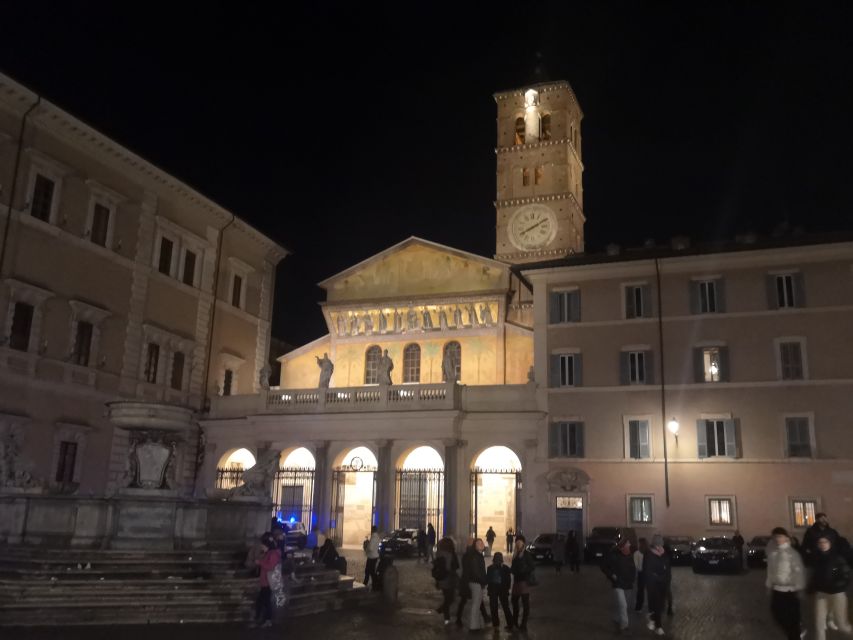
The tour includes an exploration of Santa Maria in Trastevere, an ancient Byzantine-style church. The church adds visual depth to the neighborhood walk, especially after you have heard about food traditions and local religious customs.
The precise amount of time spent at the church is not listed as a separate stop, so you should not expect a full guided church tour. Instead, it forms part of the neighborhood explanation while you move through Trastevere.
The official finish is Piazza di San Giovanni della Malva. This gives you a useful location for continuing dinner, drinks, or an evening walk in Trastevere, though drinks are not included in the tour price.
How much food do you actually get?
You can expect more than one or two token bites. The listed foods include pizza, supplì, gelato, and a traditional Roman sandwich, while additional examples from the tour include porchetta and maritozzo.
The exact number of tastings is not fixed in the description. One guide-led version included five different food items, and other visits included a broad range of samples. I would plan for a filling food walk, not a replacement for a large dinner.
Drinks are not included. Some tour experiences may offer wine or another drink choice at a stop, but you should not assume that every booking includes beverages. Bring money if you want to purchase drinks along the way.
The food is best approached with curiosity. Roman street food is not designed to be precious. Supplì can be messy, pizza is meant to be eaten fresh, and a sandwich stop may be more satisfying than polished. That informality is part of the point.
Group size, language, and dietary limits
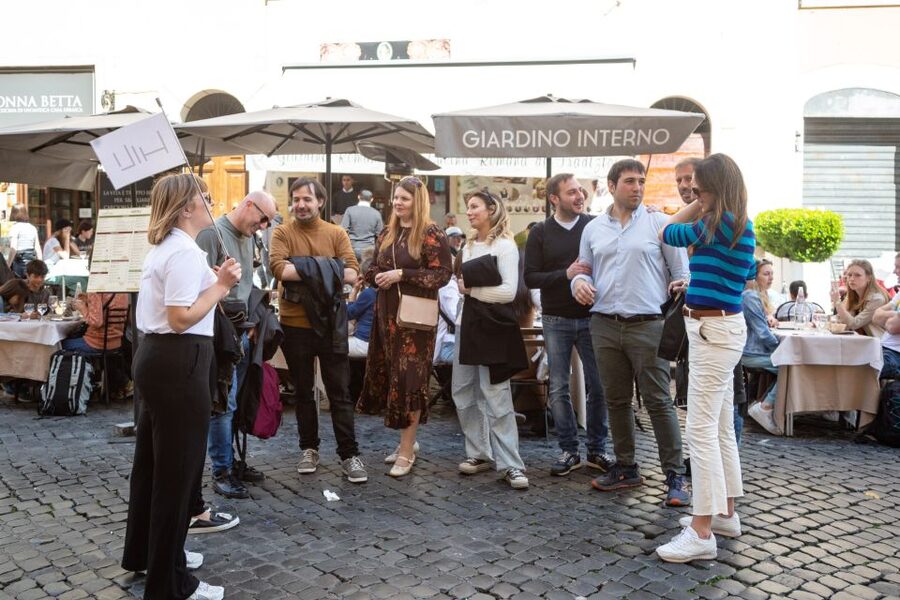
The standard group is limited to 14 people. That is small enough for questions and conversation without turning the walk into a private tour. Private and small-group options are also available if you want more control over the pace or a more personal setting.
Tours are offered in English and Portuguese. The English guides named in the available information include Daniele, Leonardo, Alessandra, Fiammetta, Caterina, Simone, Emilio, and others. You cannot choose a particular guide unless the booking option allows it, but the guide’s style will shape the experience.
Vegetarians can be accommodated if dietary needs are provided when booking. You should report allergies and restrictions in advance rather than waiting until the first tasting.
This tour is specifically not suitable for vegans or people with gluten intolerance. That is an important limitation because pizza, fried rice balls, sandwiches, and bakery items form the backbone of the experience. If you need a strictly vegan or gluten-free menu, this is not the right choice.
When should you schedule it?
I would book this near the start of your Rome stay. The guides do more than point out food stops. They offer suggestions for restaurants, bars, and sights to visit later, and several guide-led experiences have been useful as a way to get oriented.
An evening departure can work well because Trastevere has a social, after-dark feel, but available starting times vary. Check the schedule for your date.
The tour lasts 2.5 hours, so leave room around it. Do not schedule a major museum visit immediately afterward if you dislike rushing. The walking is spread across short sections, with food breaks that make the pace comfortable.
Free cancellation is available up to 24 hours before the tour for a full refund, and you can reserve now while paying later. Those policies are helpful if your Rome plans are still shifting.
Who will get the most from this tour?
I recommend it for first-time Rome visitors who want a quick introduction to both food and neighborhoods. It also suits families and teenagers, especially with a guide such as Daniele or Flame, whose humor and warm manner have worked well with younger participants.
Food-focused visitors will appreciate the range of Roman staples, but you do not need to be an expert. The guide explains the basics and welcomes questions.
It can also work for repeat visitors. Rome’s major monuments do not reveal every local bakery, market counter, or sandwich shop. A good food route can show you a side of Trastevere that you might miss while simply walking between famous sights.
I would be more cautious if you prefer a quiet, seated meal or dislike sharing food with a group. This is social, mobile, and informal. The group eats together, moves through public streets, and adjusts to local opening hours and seasonal availability.
Is $51 a fair price?
At $51, the tour offers solid value if the included tastings replace a meal or two and you use the local advice afterward. A self-guided walk costs less, but you would need to research the stops, choose the food yourself, and miss the stories connecting the dishes to Rome.
The price is less attractive if you eat very little, need to buy separate drinks throughout, or want a private culinary guide. Food and a licensed guide are included, but drinks are extra and the menu is not fixed.
The small group helps justify the cost. A guide who remembers names, answers questions, and adjusts for a fussy eater gives you something that a printed food map cannot. The best value comes when you schedule the tour early and return to one or more recommended places during the rest of your trip.
Should you book the Trastevere and Campo de’ Fiori food tour?
Book it if you want a filling introduction to Roman street food, a walk through two appealing neighborhoods, and practical dining advice from a local guide. The combination of pizza, supplì, sandwiches, market food, and gelato gives you a broad first taste of Rome.
Skip it if you are vegan, gluten intolerant, or looking for a formal restaurant meal. For everyone else, especially first-time visitors and families, this is a smart early-trip choice. Arrive hungry, wear good walking shoes, tell the provider about allergies, and leave space in your schedule for the restaurant suggestions you will likely want to try later.
FAQ
Where does the tour start?
The guide meets you at the fountain in the middle of Piazza San Simeone.
Where does the tour finish?
The walk finishes at Piazza di San Giovanni della Malva in Trastevere.
How long does the experience last?
The walking tour lasts 2.5 hours.
What food is included?
Included examples are Roman pizza, supplì, gelato, and a traditional Roman sandwich. You may also receive foods such as porchetta and maritozzo, depending on availability.
Are drinks included?
No. Drinks are not included in the tour price.
Is the tour suitable for vegetarians?
Yes. Vegetarian dietary options are available if you tell the activity provider when booking.
Is the tour suitable for vegans?
No. The experience is listed as unsuitable for vegans.
Can people with gluten intolerance join?
No. The tour is listed as unsuitable for people with gluten intolerance.
What languages are available?
The tour is offered in English and Portuguese.
How many people are in a group?
Groups are limited to 14 people. Private and small-group options are also available.
Fresh on the Rome list
- Exclusive Golf Tour Private VIP with Local & Gelato o Wine★ 5.0 · 500 reviews
- Colosseum, Palatine Hill and Roman Forum with Guided Tour★ 5.0 · 500 reviews
- Rome Trastevere Pasta Making Class with Eating Europe★ 5.0 · 505 reviews
- Rome by Night Walking Tour★ 4.5 · 506 reviews
- Rome: Colosseum Express Tour with Forum & Palatine Access★ 4.5 · 511 reviews
- Rome Food Experience Max 6 People Group Tour | w/Private Option★ 5.0 · 516 reviews
- Rome: Navona Square Underground Ticket with Audio Guide★ 4.0 · 518 reviews
- Rome: Escorted Papal Audience Experience with Entry Ticket★ 4.4 · 518 reviews
Food Tours, compared.
Winner 2025 Rome Twilight Trastevere Food Tour by Eating Europe
Read our review →
Trastevere or Jewish Quarter Street Food Tour
Read our review →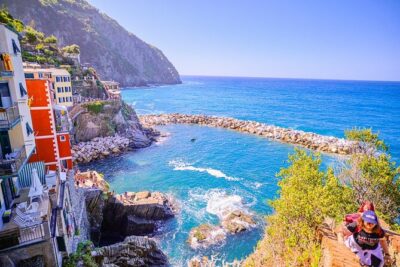
Cinque Terre Park Day Trip with Optional Street Food
Read our review →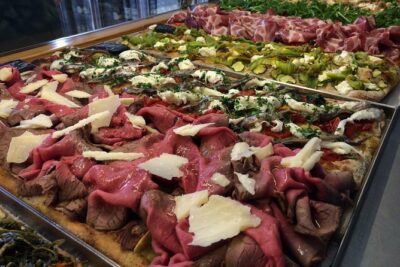
Rome Food Tour: Unlimited Tastings with Fine Wine & Barolo
Read our review →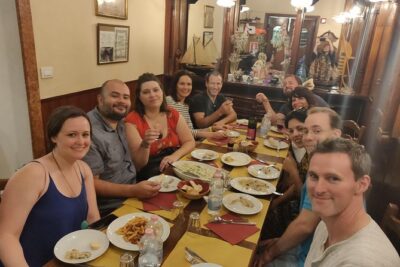
Eat Like a Local: Venice 3-Hour Small-Group Food Tasting Tour
Read our review →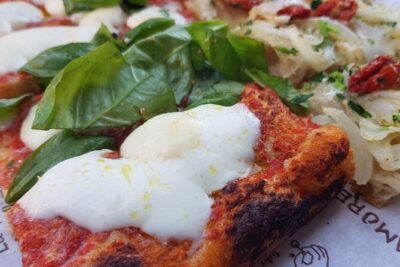
Trastevere Food tour with Free-Flowing Fine Wine
Read our review →
Street Food Tour with a Local Guide and Tastings
Read our review →Browse the lists this tour appears in