Reviewed · ROME TOURS
Rome: La Traviata at St. Paul’s Within the Walls
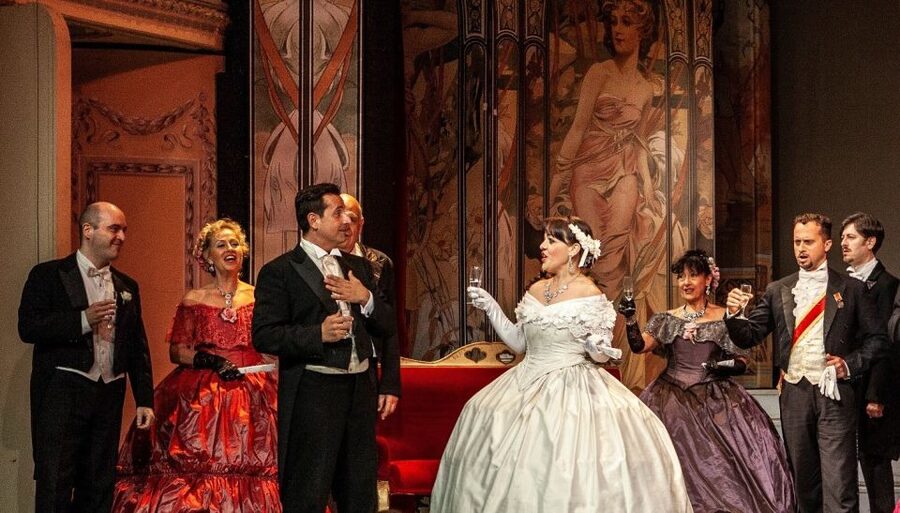
Rome does opera in a setting that feels very different from a grand theater. At St. Paul’s Within the Walls, Verdi’s La Traviata unfolds inside a handsome nineteenth-century church, where the stone and high ceiling give the voices unusual force. The Orchestra I Virtuosi dell’Opera di Roma supplies the music, and the cast performs the complete three-act story with costumes and scenes.
I like the mix of serious musical talent and approachable pricing, with tickets starting at about $47. I also like the intimacy: you are close enough to see the singers’ expressions, and the church’s acoustics can make a powerful aria feel almost personal.
The main caution is practical, not artistic. The seats are on a flat floor, often on wooden benches, so the back rows may have poor views and the two-hour-plus performance can become uncomfortable. If seeing the action matters to you, pay more for a forward seating category and arrive early.
Key points to know before booking
- A complete three-act La Traviata: You get Verdi’s full opera, with costumes, scenes, singers, and live orchestral accompaniment.
- A church instead of a theater: St. Paul’s Within the Walls gives the evening striking architecture and strong reverberation, but not the raised seating or polished stage design of an opera house.
- The orchestra is made up of Italian conservatory professors: I Virtuosi dell’Opera di Roma specializes in the Italian lyrical tradition.
- Front seats are worth considering: The flat floor makes the view from behind less reliable, while forward seats let you see faces and stage movement more clearly.
- Italian-language performance: You do not need prior opera experience to follow the basic plot, but a little preparation will help.
- Good value at $47: The ticket covers a professional performance lasting about 130 minutes, but food and drinks are not included.
Why La Traviata works so well in Rome
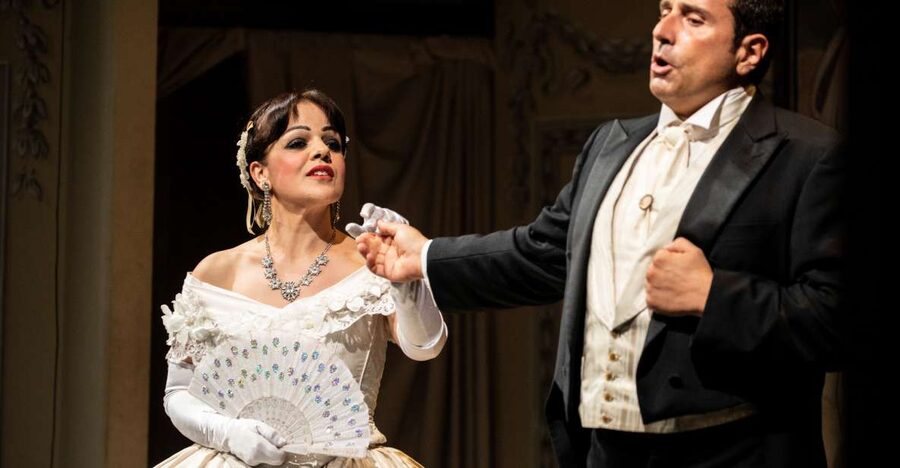
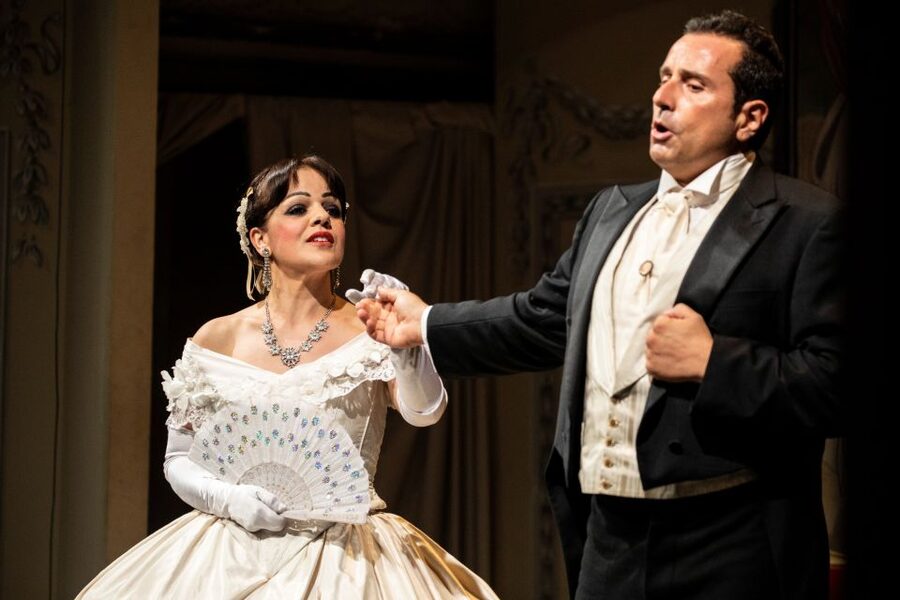
La Traviata tells the doomed love story of Violetta, a celebrated courtesan in Paris, and Alfredo, a young nobleman. Their relationship begins with warmth and hope, then collides with social pressure, illness, sacrifice, and loss.
You do not need to know every line to understand the emotional arc. Verdi gives the main characters clear musical identities, and the three-act structure moves from glittering social life to private conflict and finally tragedy. If this is your first opera, it is one of the better choices because the story is direct and the famous melodies arrive early.
The performance is in Italian. That is the normal language of the work, but it does mean that you should read a short plot outline before arriving if you want to catch every turn. The central story is easy to grasp through the acting, costumes, and repeated emotional cues, though you should not expect spoken explanations in English.
The production presents the opera in a complete version rather than a short collection of famous scenes. That matters. You get the gradual change in Violetta and Alfredo’s relationship, not just the greatest hits. The price is also easier to understand in that light: $47 is reasonable for a 130-minute live performance with orchestra and professional singers in central Rome.
A few other Rome mornings to weigh against this
- Vatican Museums & Sistine Chapel Tour with Optional Basilica
★ 4.3 · 67,413 reviews - Colosseum, Roman Forum & Palatine Guided Tour
★ 4.7 · 63,148 reviews - Vatican Museums, Sistine Chapel & St Peter’s Basilica Guided Tour
★ 4.5 · 39,149 reviews
Inside St. Paul’s Within the Walls
The church is part of the appeal. Its interior gives the evening a solemn, unusual frame, and the architecture becomes part of the performance even though it was not built as an opera venue.
I like the way the setting changes your sense of scale. A singer can seem close one moment, then the sound rolls up into the church space. Several parts of the performance benefit from this effect, especially sustained vocal passages and ensemble moments. The acoustics are often praised for their strength and atmosphere.
There is a tradeoff. Church acoustics create reverberation, and too much echo can soften the words or blur fast musical passages. At times, the orchestra may overpower the singers, particularly from certain seats or during fuller sections. This is not the crisp, carefully controlled sound of a modern theater.
The venue also lacks the visual machinery of a purpose-built opera house. Scenes and costumes are included, but the church setting can make the story’s Parisian locations less vivid. You are watching a compact production shaped around the space, not a lavish staging with elaborate sets, raised platforms, and theatrical scenery.
That difference is important when deciding what you want. If your priority is hearing strong voices in a beautiful historic interior, the church is a major advantage. If you want a fully built Parisian world with changing scenery and perfect sightlines, this may feel more like a smart Roman cultural experience than a major-house production.
The orchestra and vocal performance
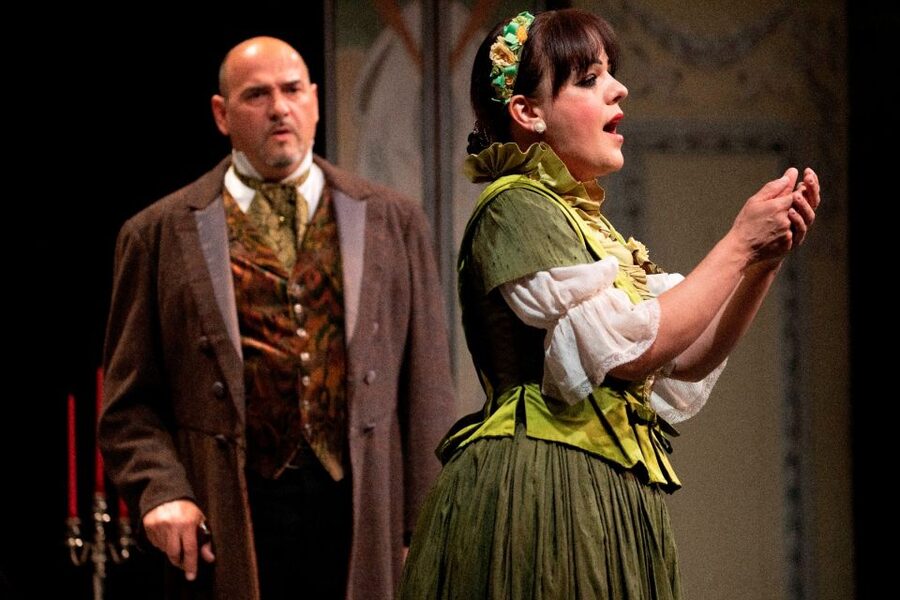
The resident ensemble, I Virtuosi dell’Opera di Roma, is formed by professors from some of Italy’s most respected conservatories. Its focus is the Italian lyrical tradition, so La Traviata fits the group’s repertory well.
You can expect a live orchestra rather than recorded accompaniment. That gives the performance energy and flexibility, especially in moments when the singers and instrumentalists respond to one another. The music carries the familiar Verdi drama, from the social sparkle of the opening act to the darker emotional weight of the final act.
The cast is presented as professional opera singers, and the strongest part of the evening is usually the vocal work. The performance also includes acting, not just concert-style singing. That helps you follow Violetta and Alfredo even if you know little Italian.
The balance between orchestra and singers can vary. Some sections may sound perfectly matched, while others can leave the tenor or another voice fighting through the instruments. The church’s reverberation adds to that problem. I would set your expectations correctly: this is a small-scale performance with real musical skill, but the sound will not be identical from every location in the church.
One particularly charming touch is the reported encore of Brindisi, the drinking song from the first act, with the audience invited to join in. It gives the evening a lighter finish and reminds you that opera does not have to be stiff or intimidating. Still, audience behavior can affect the mood. Staff may ask people to stop filming or using flash, yet phones can remain a distraction. Keep yours away during the performance.
Seating matters more than the ticket price
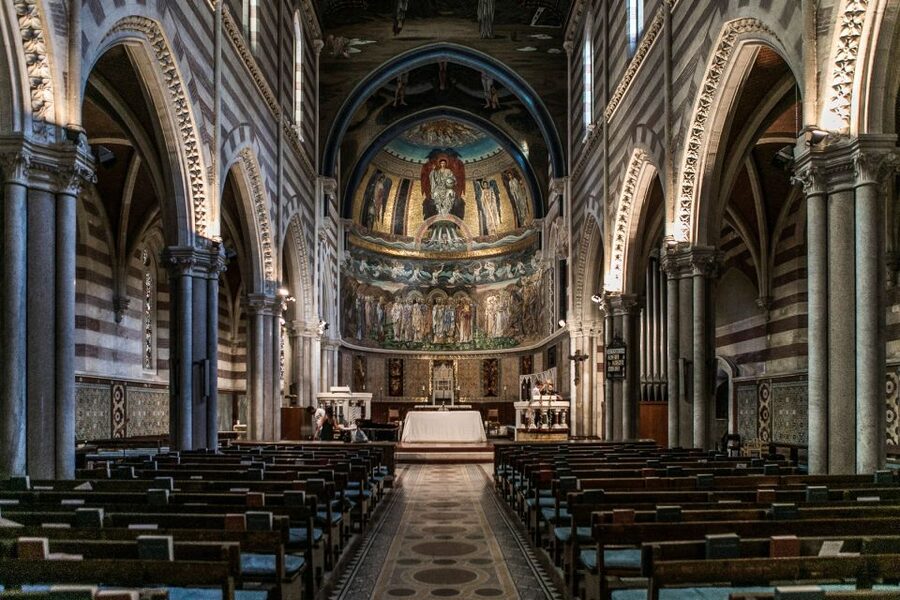
The seating choice is the biggest practical decision. Several seating categories are offered, including VIP or front sections, but exact layouts and prices can vary by date.
The church floor is not sloped like a theater. Everyone sits at roughly the same level, which means a tall person, a tilted head, or a performer positioned behind the piano can block part of your view. Rear seats are the riskiest choice if you want to follow facial expressions and stage movement.
Forward seats cost more, but the extra money can be well spent. You are more likely to see the singers clearly, watch the musicians, and catch the acting that gives the opera its emotional shape. Several people who chose front or VIP seats felt the upgrade was worthwhile.
There are still possible drawbacks near the front. A seat at the far side can have an awkward angle, and the piano or other instruments may obstruct part of the action. So front row does not automatically mean perfect view. Within your chosen zone, arrive early and position yourself as centrally as possible if seating is not assigned in a way that guarantees a particular sightline.
The benches are another consideration. They are functional church seating, not padded theater chairs. During a 130-minute performance, especially after a full day walking around Rome, they may feel hard. Some seating may have cushions, but comfort remains a recurring concern.
I would not let the seating issue cancel the experience, but I would treat it as part of the price calculation. A $47 ticket in a forward area may be better value than a cheaper rear seat where you hear everything but see little. Check the available categories before paying, and choose the best view you can afford.
Same city, an entirely different afternoon:
- Rome: Colosseum, Palatine Hill and Roman Forum Guided Tour
★ 4.8 · 32,814 reviews - Rome: Guided Tour of Colosseum, Roman Forum & Palatine Hill
★ 4.7 · 27,897 reviews - Rome: Colosseum & Forum with Audio Guide App -Optional Arena
★ 4.2 · 24,770 reviews - Rome: Colosseum, Roman Forum and Palatine Hill Guided Tour
★ 4.5 · 23,903 reviews
Timing, temperature, and the two-hour-plus format
The stated duration is 130 minutes. That is long enough to feel like a full night out, but not unusually long for a complete opera.
Breaks are part of the format, and they let you stretch, reset your attention, and take in the church interior. Some people find the pauses useful, while others feel the evening has too many interruptions or runs longer than expected. Plan around the full 130 minutes rather than assuming you will be finished quickly.
The temperature inside can also affect comfort. A warm evening, crowded seating, and hard benches may wear you down. One performance was described as particularly warm, with fans present but not operating. Conditions can differ by season, but I would avoid scheduling a demanding late-night activity immediately afterward.
Food and drinks are not included. This is a performance ticket, not a dinner package, and you should eat beforehand if you want a meal. There is no reason to expect a full theater bar service inside the church.
The event is presented in Italian, and the host or greeter language is also listed as Italian. That is worth knowing if you need detailed assistance before the performance. The music and acting still communicate the broad story, but this is not an English-language production.
Getting there and handling the voucher
Before the performance begins, exchange your voucher at the St. Paul’s Within the Walls ticket counter. Do not go straight to a seat assuming the digital voucher is the final entry document.
The meeting point is at the church itself in central Rome. Allow time to locate the ticket counter, complete the exchange, and enter without rushing. Arriving early also helps with seating within your section, especially because the flat floor makes position important.
The experience is wheelchair accessible. Pets are not allowed. These details are simple, but they can decide whether the evening works for your group.
Cancellation is flexible: you can cancel up to 24 hours in advance for a full refund. A reserve-now-and-pay-later option is also available, which is useful if your Rome plans are still moving around.
Who will enjoy this opera most
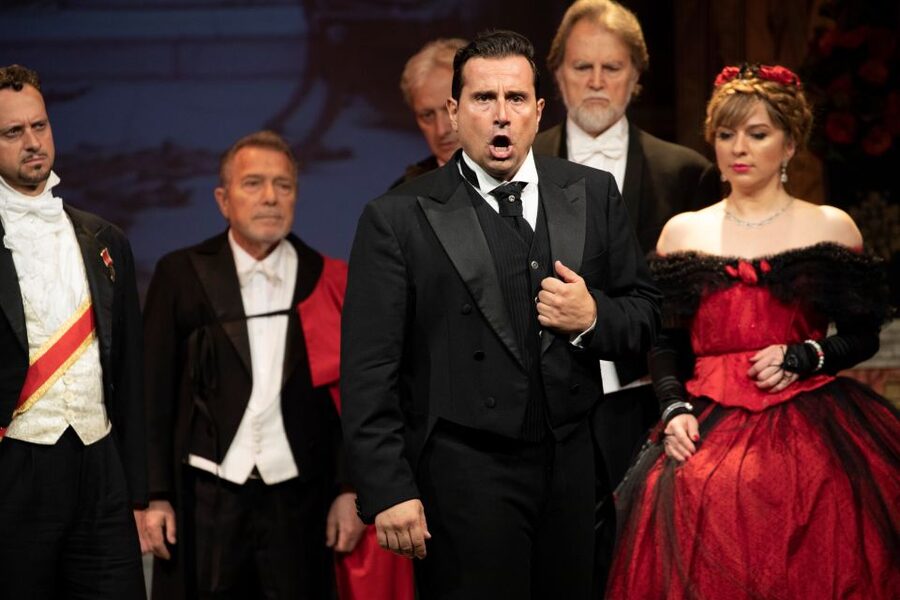
This is a good first opera for someone who wants a manageable introduction without committing to a grand theater production. The familiar story, famous music, costumes, and clear emotional conflict give you plenty to follow.
It also suits people who want an evening connected to Rome’s architecture. You are not merely sitting in a standard auditorium. The church changes the mood, gives the sound a distinctive character, and makes the event feel tied to the city.
I would recommend it to couples, solo visitors, and families with older children who can sit quietly for two hours. It can be a memorable cultural night after sightseeing, provided you are prepared for firm seats and a warm interior.
Opera regulars may want to think more carefully. You may appreciate the singers and orchestra, but you could miss the stagecraft, acoustical precision, subtitles, and tiered sightlines found in a major opera house. The setting is the point, and the limitations come with it.
This is also not ideal for anyone who needs a guaranteed unobstructed view but cannot pay for a forward category. The performance can sound excellent from the rear, yet seeing the action may be frustrating. If visual access is central to your enjoyment, book as far forward as your budget allows.
Is $47 good value?
At around $47 per person, the ticket offers a lot for a Rome evening: a full three-act Verdi opera, live music, professional singers, costumes, scenes, and an unusual central setting. It is not a luxury opera-house production, but it is far more than a short musical sampler.
The real value depends on your seating. A basic ticket may be a bargain if you mainly want the sound and atmosphere. A VIP ticket makes better sense if you care about faces, acting, and the relationship between singers and orchestra.
You should also count the costs you will add yourself. Food and drinks are excluded, and you may want to eat before entering. The 130-minute length means you are buying a full performance, not a quick tourist stop.
For a first opera, the combination of price and accessibility is strong. You can hear Verdi in Rome, see a professional cast, and enjoy the church without paying the cost associated with a major international opera venue.
Should you book La Traviata at St. Paul’s Within the Walls?
Book it if you want a full, affordable opera in an atmospheric Roman church, and you are willing to accept simple seating and occasional sound or sightline compromises. The singers, orchestra, costumes, and intimate scale can make this a deeply enjoyable night.
Choose a forward or VIP category if you can. Arrive early, read the plot first, eat before the show, and expect Italian rather than English. With those points handled, this is a fine way to add live music and a little drama to your Rome schedule.
Skip it if you need theater-style seating, subtitles, elaborate sets, or a guaranteed clear view from an inexpensive rear ticket. For everyone else, the church, the famous score, and the professional performance offer solid value at $47.
FAQ
How long does La Traviata at St. Paul’s Within the Walls last?
The performance lasts 130 minutes, including the opera’s three-act format and breaks.
What language is the opera performed in?
The opera and the listed host or greeter language are Italian.
What is included in the ticket?
The ticket includes entrance to the performance. Food and drinks are not included.
Where do I exchange the voucher?
You must exchange your voucher at the St. Paul’s Within the Walls ticket counter before the performance begins.
Is the venue wheelchair accessible?
Yes, the activity is listed as wheelchair accessible.
Can I cancel the booking?
Yes. You can cancel up to 24 hours in advance for a full refund. A reserve-now-and-pay-later option is also available.
Fresh on the Rome list
- Exclusive Golf Tour Private VIP with Local & Gelato o Wine★ 5.0 · 500 reviews
- Colosseum, Palatine Hill and Roman Forum with Guided Tour★ 5.0 · 500 reviews
- Rome Trastevere Pasta Making Class with Eating Europe★ 5.0 · 505 reviews
- Rome by Night Walking Tour★ 4.5 · 506 reviews
- Rome: Colosseum Express Tour with Forum & Palatine Access★ 4.5 · 511 reviews
- Rome Food Experience Max 6 People Group Tour | w/Private Option★ 5.0 · 516 reviews
- Rome: Navona Square Underground Ticket with Audio Guide★ 4.0 · 518 reviews
- Rome: Escorted Papal Audience Experience with Entry Ticket★ 4.4 · 518 reviews
Rome Tours, compared.
Vatican Museums & Sistine Chapel Tour with Optional Basilica
Read our review →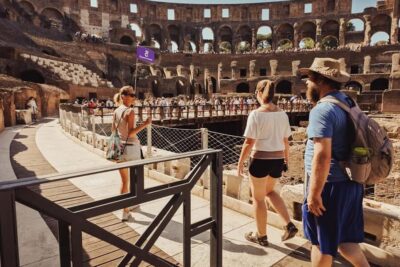
Colosseum, Roman Forum & Palatine Guided Tour
Read our review →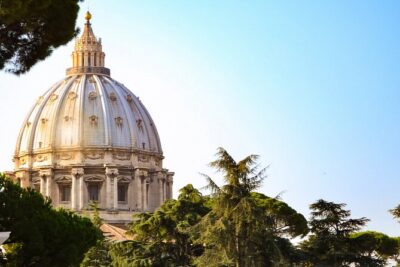
Vatican Museums, Sistine Chapel & St Peter’s Basilica Guided Tour
Read our review →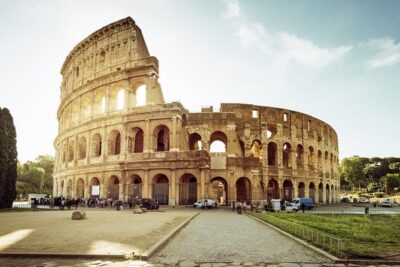
Colosseum, Palatine Hill and Roman Forum Guided Tour
Read our review →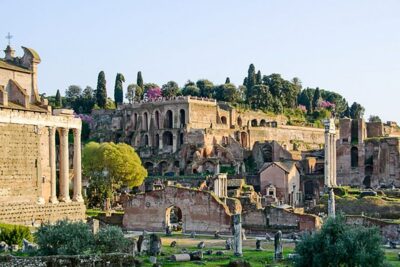
Guided Tour of Colosseum, Roman Forum & Palatine Hill
Read our review →
Colosseum & Forum with Audio Guide App -Optional Arena
Read our review →
Colosseum, Roman Forum and Palatine Hill Guided Tour
Read our review →