Reviewed · ROME TOURS
Rome: The Four Seasons by Vivaldi
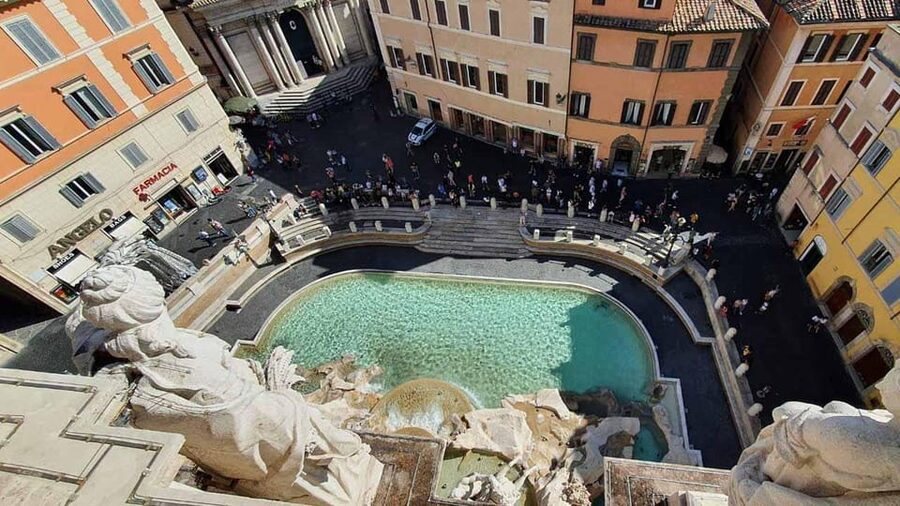
Vivaldi’s Four Seasons is one of those pieces that rewards hearing it live, and this Rome performance adds a fine local touch: Elvin Dhimitri leads from the first violin, guiding a small Opera e Lirica ensemble through bird calls, summer storms, autumn dances, and winter’s icy shivers. I like the intimate scale, where the violin and harpsichord can feel close enough to follow as individual voices. I also like the choice of central venues, especially Sala Dante in Palazzo Poli, with its remarkable position above Trevi Fountain.
The main thing to watch is the venue and seating arrangement. The performance may be held at the Methodist Evangelical Church on Via XX Settembre, Sala Dante of Palazzo Poli near Trevi Fountain, or Horti Sallustiani. Seats are unnumbered and assigned first come, first served, so the setting and your arrival time can affect the experience.
Key points before you book
- Hear all four concertos: The program includes Spring, Summer, Autumn, and Winter, plus additional Baroque works.
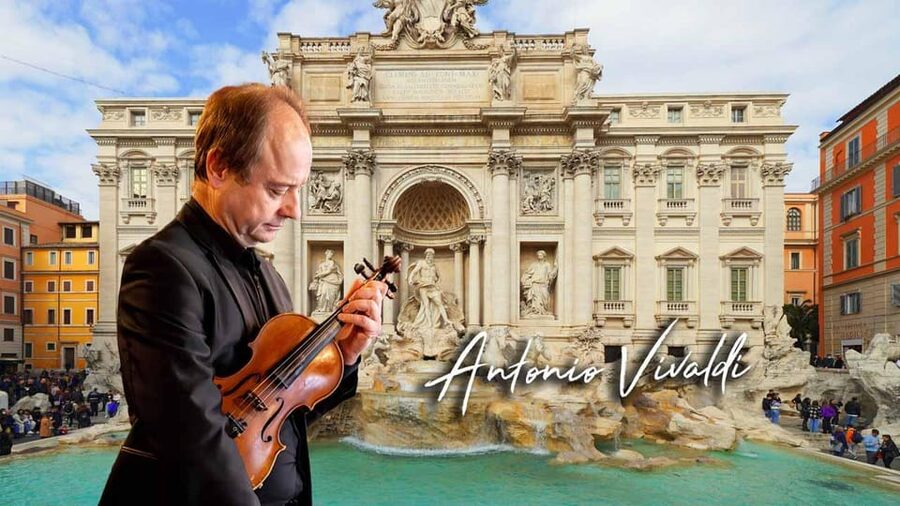
- Elvin Dhimitri leads the ensemble: He serves as first violin and conductor for the Opera e Lirica performance.
- Small-scale chamber music: Strings and harpsichord keep the sound direct and easy to follow.
- Three possible central Rome venues: The church, Palazzo Poli, and Horti Sallustiani each offer a different setting.
- Trevi Fountain may be part of the evening: Sala Dante overlooks the fountain, though you should confirm the venue on your booking details.
- Allow about an hour to 80 minutes: The advertised duration is 80 minutes, while some performances have run closer to one hour.
Why Vivaldi works so well in Rome
I can think of few classical pieces better suited to a first concert in Italy than The Four Seasons. You do not need a music degree, a concert hall habit, or even much patience for long symphonies. Vivaldi gives you clear scenes from the start: birds calling in spring, thunder building in summer, a hunt in autumn, and shivering cold in winter.
The music is part of the Italian Baroque world, a period fascinated by movement, contrast, nature, and theatrical surprise. Vivaldi does not simply label four concertos after the seasons. He turns them into short musical stories, using quick rhythms, sudden shifts, and unusual harmonies to suggest weather, animals, work, sleep, dancing, and fear.
That direct storytelling is the appeal. Spring opens with bright energy and a pastoral dance. Summer grows tense and unsettled, leading to a storm. Autumn brings a peasant celebration, sleepy drunkenness, and the excitement of the hunt. Winter moves from chattering cold to a slow indoor scene and then a restless final movement.
The program also places The Four Seasons among other Baroque pieces, including Concerto per archi RV 127 and RV 151, plus Concerto XI No. 4 in A Major. These extra works give the evening more shape than a single familiar greatest hit. They also let you hear how the strings and harpsichord sound before Vivaldi’s most famous music begins.
A few other Rome mornings to weigh against this
- Vatican Museums & Sistine Chapel Tour with Optional Basilica
★ 4.3 · 67,413 reviews - Colosseum, Roman Forum & Palatine Guided Tour
★ 4.7 · 63,148 reviews - Vatican Museums, Sistine Chapel & St Peter’s Basilica Guided Tour
★ 4.5 · 39,149 reviews
Elvin Dhimitri and the Opera e Lirica ensemble
The musical focus is Elvin Dhimitri, the first violin and conductor. He has held concertmaster and first violin positions with several Italian orchestras, including the Rome Philharmonic Orchestra, and has been part of the Rome and Lazio Symphony Orchestra since 1997.
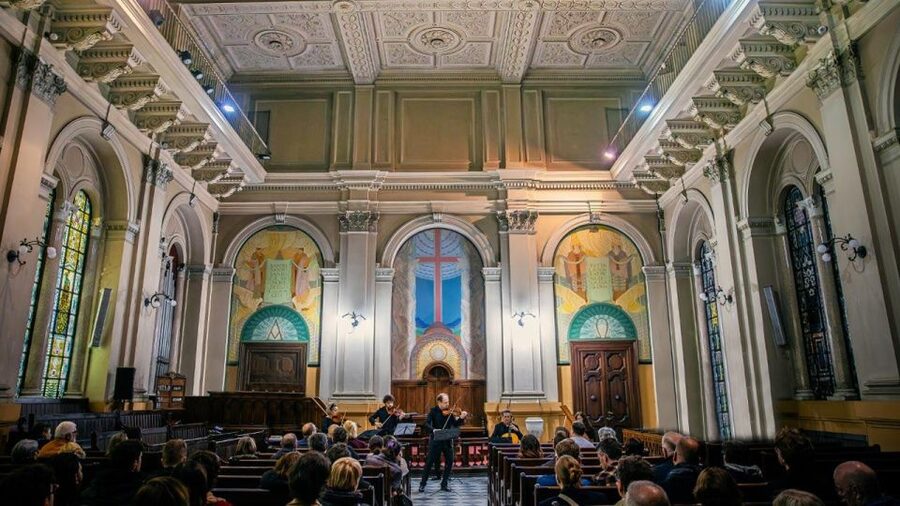
For this performance, he leads a string quintet with harpsichord. That is a smaller group than a full symphony orchestra, and that difference matters. You hear the first violin as the central storyteller, while the other strings provide rhythm, harmony, and answering phrases. The harpsichord adds the crisp, plucked sound that helps define Baroque music.
I especially like this format for Vivaldi because the soloist is not hidden inside a large orchestral body. You can follow the changes in bowing and rhythm more clearly. The music feels like a conversation between the lead violin and the ensemble, rather than a broad wall of sound.
The performances have also been praised for their energy and careful musicianship. The lead violinist may perform much of the program from memory, which adds focus and makes the exchange with the ensemble more immediate. Still, this is a live concert, not a museum piece. Small differences in tempo, room sound, and performance energy are part of the evening.
Choosing between Rome’s three venues
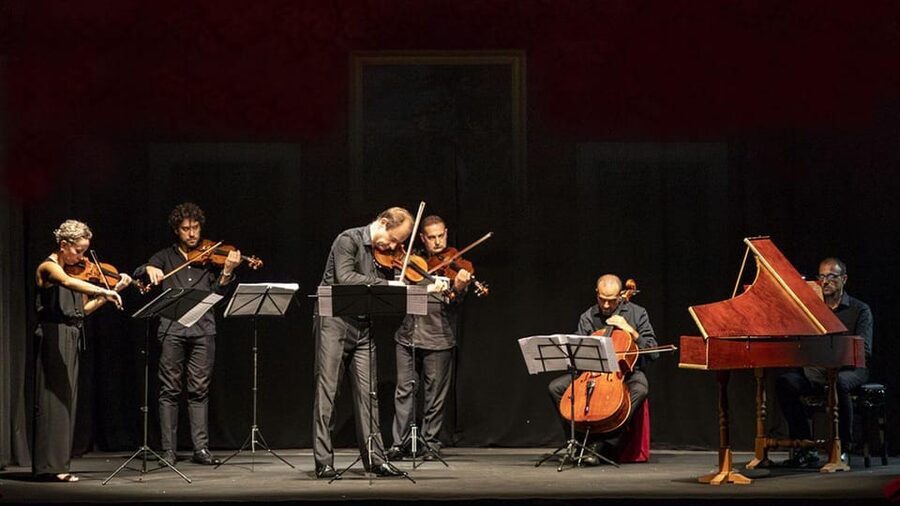
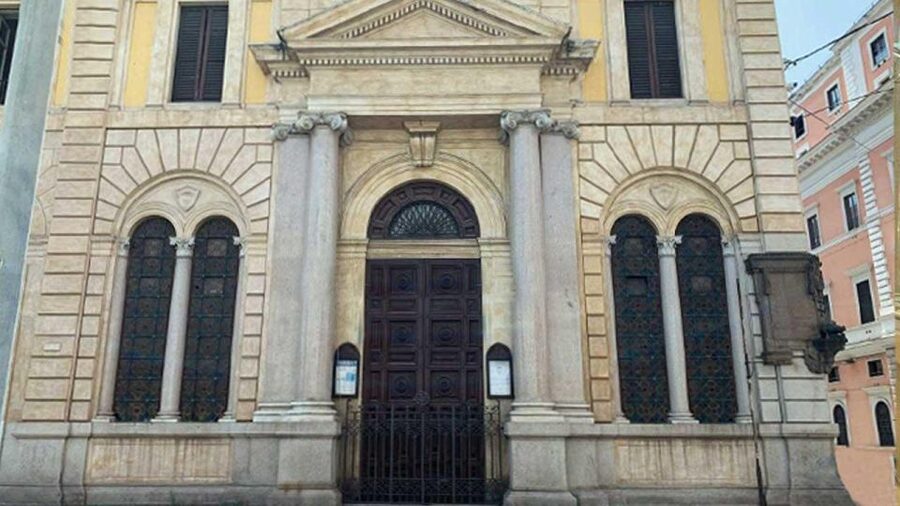
The setting may be just as important to you as the music, so check the exact address before setting out. The stated meeting point is the Chiesa Evangelica Metodista at Via XX Settembre 122 c, but performances can also take place at Sala Dante of Palazzo Poli at Via Poli 54 or Horti Sallustiani at Piazza Sallustio 21.
Chiesa Evangelica Metodista on Via XX Settembre
The church offers the most traditional concert setting of the three. Its interior gives the strings room to breathe, and the reverberant sound can make the violin feel especially expressive. Several performances have taken place in a small church atmosphere, which suits a compact Baroque ensemble.
Acoustics can vary in any church. A few concerts have had less clear sound than expected, and the room may become warm in summer or chilly in cooler months. Bring a light layer if you are sensitive to temperature, and do not assume that an evening performance will feel cool.
The seating is not numbered. Arrive early if seeing the musicians clearly matters to you, since rows are not necessarily staggered in a way that gives everyone a perfect view. The sound remains the main event, but a blocked sightline can be frustrating if this is your first violin concert.
Same city, an entirely different afternoon:
- Rome: Colosseum, Palatine Hill and Roman Forum Guided Tour
★ 4.8 · 32,814 reviews - Rome: Guided Tour of Colosseum, Roman Forum & Palatine Hill
★ 4.7 · 27,897 reviews - Rome: Colosseum & Forum with Audio Guide App -Optional Arena
★ 4.2 · 24,770 reviews - Rome: Colosseum, Roman Forum and Palatine Hill Guided Tour
★ 4.5 · 23,903 reviews
Sala Dante of Palazzo Poli
Sala Dante offers the most distinctive setting. It is part of Palazzo Poli, the building beside and behind the Trevi Fountain, and the room can provide views over the fountain. That gives the night a strong Rome identity: Baroque music inside a historic palace, with one of the city’s most famous sights just outside.
The view is not guaranteed to be part of every performance, since venue arrangements can change. If the Trevi Fountain setting is the reason you are booking, confirm the address and room on your current booking information rather than relying on a general description.
This venue can also change how you plan the evening. You are already in central Rome, close to the fountain and a short walk from rooftop bars and other places for a drink afterward. The concert itself is short enough to fit neatly between dinner and a late stroll.
Horti Sallustiani on Piazza Sallustio
Horti Sallustiani is another central Rome location, at Piazza Sallustio 21. The schedule can include two concerts there, at 7:00 pm and 9:00 pm. That gives you a useful choice if you want to dine before or after the music.
The venue may feel different from the church or Palazzo Poli, so treat the location as part of the date-specific details. The performance is the constant: Dhimitri, strings, harpsichord, and the Vivaldi program. The room, atmosphere, temperature, and sightlines can vary.
What the 80-minute program includes
The advertised duration is 80 minutes. Some past performances have lasted about an hour, so I would keep your evening plans flexible rather than scheduling a tight dinner reservation immediately afterward.
The program begins with additional concertos for strings, including RV 127 and RV 151. It also includes Concerto XI No. 4 in A Major, with its Allegro non molto, Largo, and Allegro movements. These pieces set up the sound of the ensemble and help you hear the Baroque style beyond the four seasonal scenes.
Then come the four concertos:
- Spring, RV 269: Bright Allegro passages suggest birds and outdoor celebration, followed by a slower Largo and a pastoral dance.
- Summer, RV 315: The mood becomes more strained, with the famous storm sequence moving between calm and sudden force.
- Autumn, RV 293: A peasant dance and song lead to sleeping drunkards, then the excitement of the hunt.
- Winter, RV 297: Fast, tense music suggests cold and discomfort, while the Largo offers a quiet indoor pause before the final Allegro.
You will recognize parts of the music even if you do not know the names of the movements. That familiarity makes the concert easy to enjoy, but the live strings reveal details that recordings can smooth over. Listen for the contrast between the solo violin and the supporting players, especially when the music shifts from a single image to a full scene.
The sound, sightlines, and room comfort
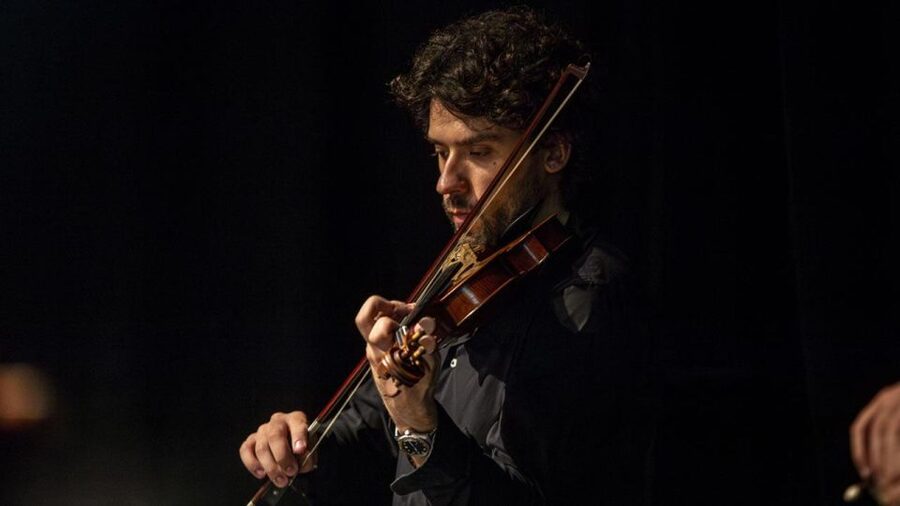
The small ensemble is a major strength. You are close to the musicians, and the harpsichord gives the lower texture a clear, dry pulse beneath the strings. In a good room, the sound can be both intimate and full.
The church setting has produced especially pleasing acoustics, though not every seat or performance will sound identical. Some rooms can become warm, and one hall has felt short on fresh air during the concert. In summer, dress lightly and carry a small fan if heat bothers you. In cooler weather, a sweater is sensible.
Lighting can also shape the mood. The concert is intended to feel atmospheric, but some performances have seemed brighter than ideal. I would trade a little visual drama for a clear view of the musicians, especially when the first violin is doing the expressive work.
Because seats are first come, first served, arrive with enough time to choose. The exact recommended arrival time is not provided, so I would not treat a late arrival as risk-free if you want a central seat. The activity is listed as wheelchair accessible, but the changing venues mean you should confirm the specific location if access details are important to you.
Is $35 a fair price?
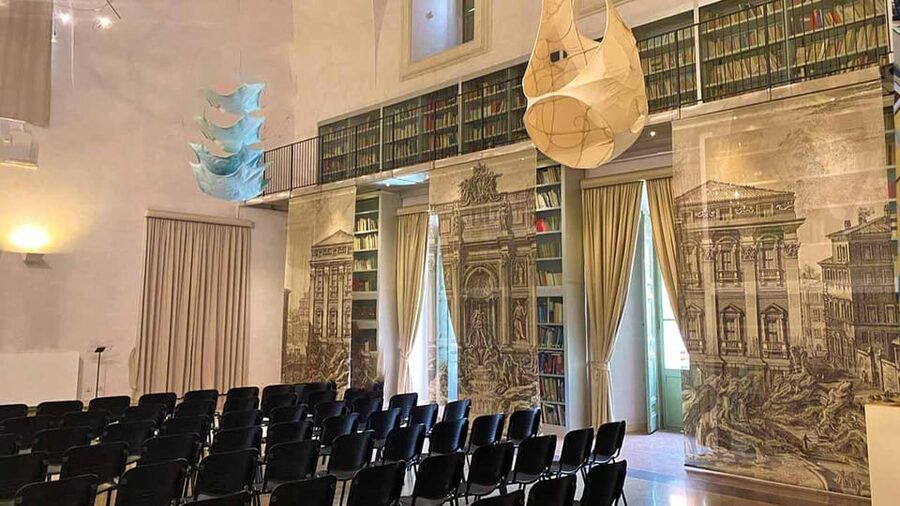
At $35 per person, this is not the cheapest way to hear music in Rome, but it can be good value for a central evening experience. You receive a concert ticket for a program that includes the complete Four Seasons, additional Baroque concertos, a named soloist, strings, and harpsichord.
The value improves if you care about the setting. A performance in a church gives you atmosphere and acoustics. Sala Dante may add the Trevi Fountain view. Horti Sallustiani gives you a central location and, on some dates, a choice between 7:00 pm and 9:00 pm.
I would not book it expecting a grand opera production or a large orchestra. This is a compact instrumental performance. If you want spectacle, elaborate staging, or a long concert, you may find the format modest. If you want a manageable introduction to live classical music, the price is easier to justify.
The one point I would clarify before paying is the venue. The strongest setting may be the reason you choose this concert, but the address can vary. A last-minute move from a church to another hall has disappointed some patrons in the past. That does not cancel the value of the music, but it changes the overall evening.
Who will enjoy this concert most
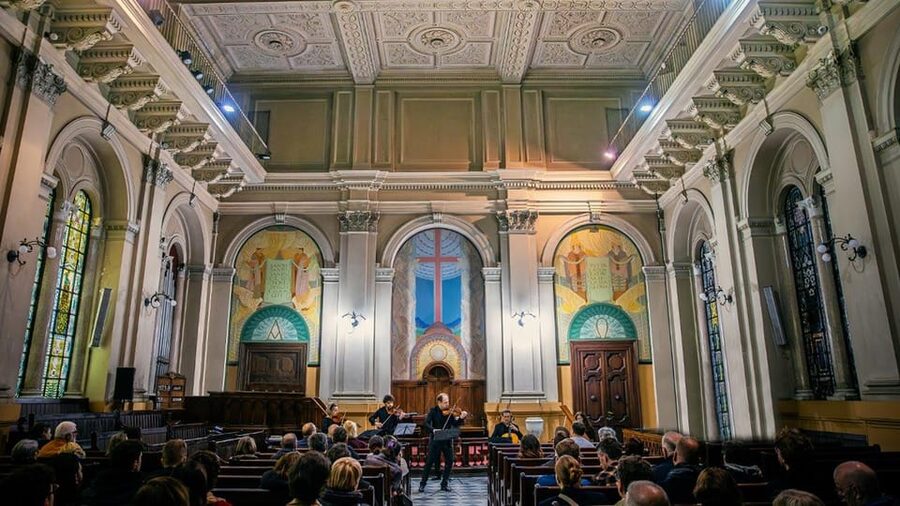
I would recommend this performance to several kinds of visitors:
- First-time classical concertgoers: The Four Seasons has an obvious narrative and lasts no more than a long dinner.
- Families with older children: Children ages 4 and 8 have managed the roughly one-hour format, though every child is different.
- Couples seeking an evening activity: The central locations make it easy to pair the concert with dinner or a walk.
- Vivaldi fans: You hear the full four-concerto cycle, not just selected movements.
- Visitors who prefer small ensembles: The solo violin and harpsichord remain easy to hear and follow.
- People watching the budget: At $35, it offers a polished cultural activity without the cost of a major opera production.
I would think twice if you need guaranteed seating, cool air, a fixed venue, or a precise running time. The unnumbered seats and changing locations require a little flexibility.
A practical plan for the evening
Start by checking the venue on your confirmation. Do not head automatically to Via XX Settembre if your date is assigned to Palazzo Poli or Horti Sallustiani.
If you have the 7:00 pm Horti Sallustiani performance, dinner afterward may be simplest. With a 9:00 pm performance, eat first and leave enough time to reach Piazza Sallustio. At Sala Dante, you can combine the concert with Trevi Fountain, but remember that the fountain area can be crowded and slow to cross.
At the church, allow time to find the entrance and choose a seat. Since there are no numbered places, you have more control if you arrive early. Pick a position with both a clear view and a comfortable distance from the ensemble, especially if you want to watch Dhimitri’s bowing.
Keep the rest of the night open by at least a little. The official length is 80 minutes, but some performances have ended closer to the one-hour mark. That is good news if you are tired after sightseeing, and it gives you time for a drink or walk afterward.
Should you book Rome’s Four Seasons?
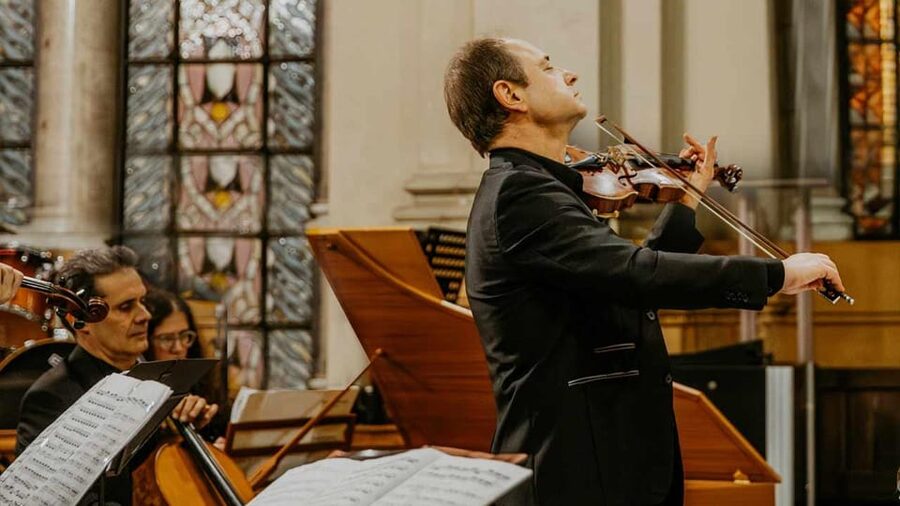
I would book this if you want a focused, accessible concert in central Rome and you like the idea of hearing Vivaldi in a small room rather than a huge theater. The strongest reasons are the complete Four Seasons program, Elvin Dhimitri’s role as soloist and conductor, the clear Baroque sound of strings and harpsichord, and the chance of a Trevi Fountain view at Sala Dante.
I would book with two conditions in mind: confirm the venue and arrive early for seating. If you can accept an unnumbered seat, possible temperature issues, and a running time that may be nearer an hour than 80 minutes, the $35 price is reasonable.
For a first taste of classical music in Rome, this is a practical choice. You get famous music, a manageable time commitment, and a setting that can feel distinctly Roman. Just make the room part of your decision, not an afterthought.
FAQ
How long is the Vivaldi concert?
The advertised duration is 80 minutes. Some performances have run closer to one hour, so allow roughly an hour to 80 minutes.
What music is performed?
The program includes Vivaldi’s four concertos known as The Four Seasons: Spring, Summer, Autumn, and Winter. It also includes Concerto per archi RV 127 and RV 151, along with Concerto XI No. 4 in A Major.
Who performs the concert?
Elvin Dhimitri is the first violin and conductor. He performs with an Opera e Lirica string quintet and harpsichord.
Where does the concert take place?
Possible venues include Chiesa Evangelica Metodista at Via XX Settembre 122 c, Sala Dante of Palazzo Poli at Via Poli 54, and Horti Sallustiani at Piazza Sallustio 21. Check your booking details for the venue assigned to your date.
Can I see Trevi Fountain during the concert?
Sala Dante of Palazzo Poli overlooks Trevi Fountain. A Trevi Fountain view is connected specifically with that venue and is not guaranteed if your performance is held elsewhere.
Are seats reserved?
No. Seats are unnumbered and allocated on a first come, first served basis.
Is the concert suitable for children?
The roughly one-hour format has worked for children ages 4 and 8. The activity is a seated classical concert, so you should use your own judgment based on your child’s comfort with live music.
Is the activity wheelchair accessible?
Yes, the activity is listed as wheelchair accessible. Since several venues may be used, confirm the specific location if you need detailed access information.
What does the ticket include?
The ticket includes admission to the concert. The price provided is $35 per person.
Fresh on the Rome list
- Exclusive Golf Tour Private VIP with Local & Gelato o Wine★ 5.0 · 500 reviews
- Colosseum, Palatine Hill and Roman Forum with Guided Tour★ 5.0 · 500 reviews
- Rome Trastevere Pasta Making Class with Eating Europe★ 5.0 · 505 reviews
- Rome by Night Walking Tour★ 4.5 · 506 reviews
- Rome: Colosseum Express Tour with Forum & Palatine Access★ 4.5 · 511 reviews
- Rome Food Experience Max 6 People Group Tour | w/Private Option★ 5.0 · 516 reviews
- Rome: Navona Square Underground Ticket with Audio Guide★ 4.0 · 518 reviews
- Rome: Escorted Papal Audience Experience with Entry Ticket★ 4.4 · 518 reviews
Rome Tours, compared.
Vatican Museums & Sistine Chapel Tour with Optional Basilica
Read our review →
Colosseum, Roman Forum & Palatine Guided Tour
Read our review →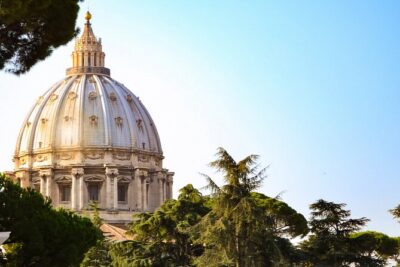
Vatican Museums, Sistine Chapel & St Peter’s Basilica Guided Tour
Read our review →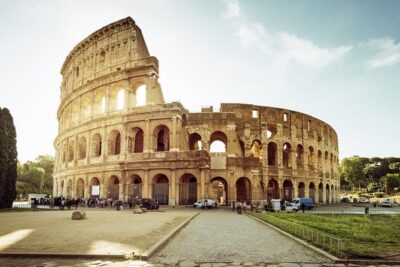
Colosseum, Palatine Hill and Roman Forum Guided Tour
Read our review →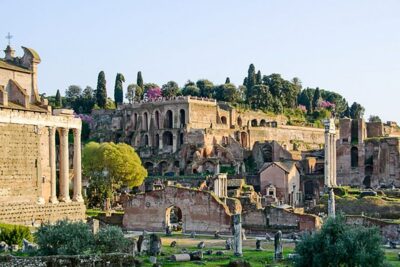
Guided Tour of Colosseum, Roman Forum & Palatine Hill
Read our review →
Colosseum & Forum with Audio Guide App -Optional Arena
Read our review →
Colosseum, Roman Forum and Palatine Hill Guided Tour
Read our review →