
Reviewed · VATICAN & SISTINE CHAPEL TOURS
Sistine Chapel and Vatican Museums Small Group Tour
The Vatican Museums are a glorious overload of art, faith, politics, and old Rome. This 2.5-hour guided tour gives you a sensible route through the vast museum complex, ending with Michelangelo’s Sistine Chapel rather than leaving you to wander its endless halls alone.
I like two things right away: the early-morning option, which helps you enter before the crowds reach their full force, and the guides, who turn walls of paintings into stories you can follow. Guides named Barbara, Federica, Simona, and Gigi receive especially strong praise for their humor, clear explanations, and ability to keep a group moving.
The main catch is important: St. Peter’s Basilica is not a guided part of the tour. You may be able to enter after the museum visit through the suggested route, but you explore the basilica on your own. The chapel or other museum areas can also close unexpectedly, with no guaranteed refund for those changes.
Key points to know before booking
- Early entry at 7:30 a.m. can make a major difference, especially at a site that draws millions of people each year.
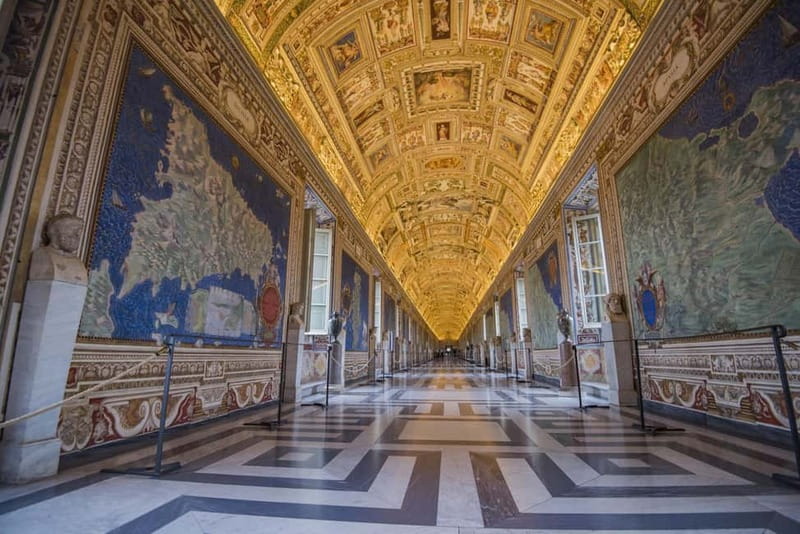
- The Vatican Museums route covers major galleries, including the Candelabra Gallery, Gallery of Tapestries, and Gallery of Maps.
- Your guide helps you make sense of the art, pointing out important works instead of sending you into an enormous collection without direction.
- The Sistine Chapel is guided from the outside, with explanations about what to notice before you enter. Silence is required inside.
- St. Peter’s Basilica is available for independent exploration, but do not book this expecting a full basilica lecture.
- The price is about $80.87 per person, a reasonable rate if skipping the ticket line and having a strong guide are priorities.
Meeting your guide near the Vatican walls
You meet in Piazza della Città Leonina, in front of Bar Leonina. This is close to the Vatican entrance, but allow time to find the guide and group. The early tour is particularly time-sensitive.
One useful tip is to arrive earlier than the stated meeting time. The listed instruction may say to arrive at 7:15 for a 7:30 start, but one early group began walking at 7:15. I would aim for 7:00 a.m. if you choose that departure. It is better to wait a few minutes than to chase a group through one of Rome’s busiest visitor zones.
Your guide may first walk you outside the Vatican Museums and explain what you are about to see. This short introduction matters. The Vatican can feel like a giant art warehouse at first, and a little orientation helps you understand the order of the galleries and the importance of the final chapel visit.
You also receive a headset, so you can hear the guide while walking through crowded rooms. Keep close and follow directions. The group needs to maintain a steady pace, and stopping for every photograph can leave you behind.
More Museums in Rome
- Vatican Museums & Sistine Chapel Tour with Optional Basilica
★ 4.3 · 67,413 reviews - Vatican Museums, Sistine Chapel & St Peter’s Basilica Guided Tour
★ 4.5 · 39,149 reviews - Rome: Vatican Museums, Sistine Chapel & Basilica Tour
★ 4.3 · 13,872 reviews
Why the early morning tour is worth considering
The early option is the strongest choice for most people. It does not make the Vatican empty, but it can give you a calmer start and a better chance to see key rooms before the day becomes more crowded.
The difference is practical, not magical. You still pass through airport-style security, walk with other groups, and share the museum with many people. Yet entering near opening time is much easier than arriving after the museum has been operating for hours.
An early start also leaves more of Rome available later in the day. After the tour, you can continue to St. Peter’s Basilica if access is available, eat lunch in the surrounding area, or move on to another sight. The late-morning option works for a slower morning, but you should expect the museum to feel busier.
The start time depends on availability, so check the exact option before paying. If you are visiting in a busy season, I would choose the earliest departure that fits your schedule.
Walking through the Vatican Museums
The Vatican Museums hold one of the world’s great art collections, but the sheer quantity can be tiring. A guide gives you a route and selects details that would be easy to miss on your own.
The first galleries may include ancient sculptures and religious art, along with works collected from across Italy and the former Roman world. You will not see every room in the museum during a 2.5-hour visit. That is not a flaw so much as a fact of Vatican touring. The complex is too large for a short visit to cover every collection properly.
The value of the guide is in the selection. A good guide can explain why a sculpture matters, connect an image to Catholic tradition, and show you where to look in a crowded gallery. Several guides, including Federica, Simona, Barbara, and Gigi, are praised for keeping the historical information lively rather than turning the visit into a list of dates and names.
Families can benefit from this structure. One guide named Simona made an effort to involve young children, including an energetic nine-year-old and younger children in another group. That does not mean the entire route is easy for small children, but a lively guide can make a long museum visit more manageable.
The pace may feel brisk. That is partly because the route must stay with the group and partly because the Vatican has so much to show. You will have time to appreciate major works, but this is not the tour for lingering alone in every room.
The Candelabra Gallery and ancient collections
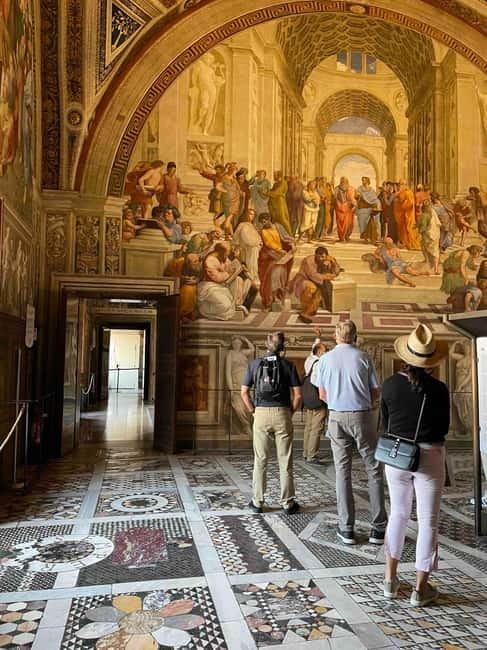
The Candelabra Gallery is divided into six rooms and contains works found in different parts of Italy. Its name comes from the marble candelabra placed along the route, but the real interest is the mix of sculpture, decorative art, and objects linked to the ancient Roman world.
This is where a guide can provide useful scale. Rome’s ancient art is not just a collection of attractive statues. It reflects changing ideas about gods, emperors, power, the human body, and public life. Your guide can help connect those themes to the works in front of you.
The gallery also shows how the Vatican collection was assembled over centuries. You are seeing art in a religious institution, but the collection reaches well beyond Christian painting. Ancient Roman material, Renaissance art, maps, and textiles all appear within the same broad museum system.
Do not expect a quiet, private viewing. Groups move through the rooms, and other guides may be speaking nearby. The headset helps, but you still need to concentrate.
A few other Rome mornings to weigh against this
- Vatican Museums & Sistine Chapel Skip-the-Line Entry Ticket
★ 4.4 · 13,838 reviews - Rome: Vatican Museums, Sistine Chapel & Basilica Tour
★ 4.7 · 13,217 reviews - Skip-the-Line Group Tour of the Vatican, Sistine Chapel & St. Peter’s Basilica
★ 4.5 · 12,779 reviews - Rome: Vatican Museums & Sistine Chapel Guided Tour
★ 4.3 · 12,117 reviews
The Gallery of Tapestries and Renaissance stories
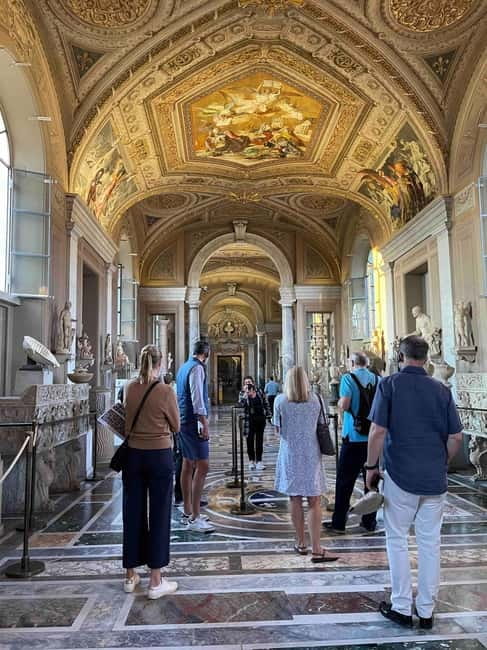
The Gallery of Tapestries brings a different kind of art into the route. Large woven scenes depict Catholic stories and myths, with works connected to Raphael’s circle and Renaissance design.
Tapestries reward a slower look because they are easy to treat as wall decoration. Notice the scale, the crowded scenes, and the way figures and architecture are arranged to guide your eye. Your guide can point out details that are hard to understand from a quick walk past.
This section also helps you see the Renaissance as more than a parade of famous paintings. The period produced sculpture, architecture, wall decoration, textiles, and grand visual programs for churches and palaces. The Vatican route places these forms beside one another.
The drawback is that the museum can feel like a procession. You are moving from one major gallery to another, and the crowd may determine how long you can stand in front of a work. Take mental notes during the tour, then decide if you want to return to a particular section independently, if the rules and timing allow.
The Gallery of Maps gives Rome a wider view
The Gallery of Maps is one of the most memorable stops because it combines art, geography, and old ideas about the world. Roman topographers created large maps showing how Italy and other regions were understood centuries ago.
You can look at these maps as both historical documents and works of art. They reveal what people knew, what they believed, and how political or religious power shaped the way places were represented. A guide can help you read them rather than simply admire their colors.
For many people, this is a welcome change from sculpture and religious painting. If you like science, geography, or old maps, give this gallery your attention. It offers a glimpse into the limits and ambitions of earlier mapmakers.
As with the other rooms, the number of people around you can affect the experience. Your guide’s commentary through the headset helps you stay connected even when the group cannot gather in a perfect semicircle.
Preparing for Michelangelo’s Sistine Chapel
Before entering the Sistine Chapel, your guide explains the major frescoes and tells you what to notice. This preparation is essential because the chapel itself is a place for quiet observation, not a room where the guide can give a running talk.
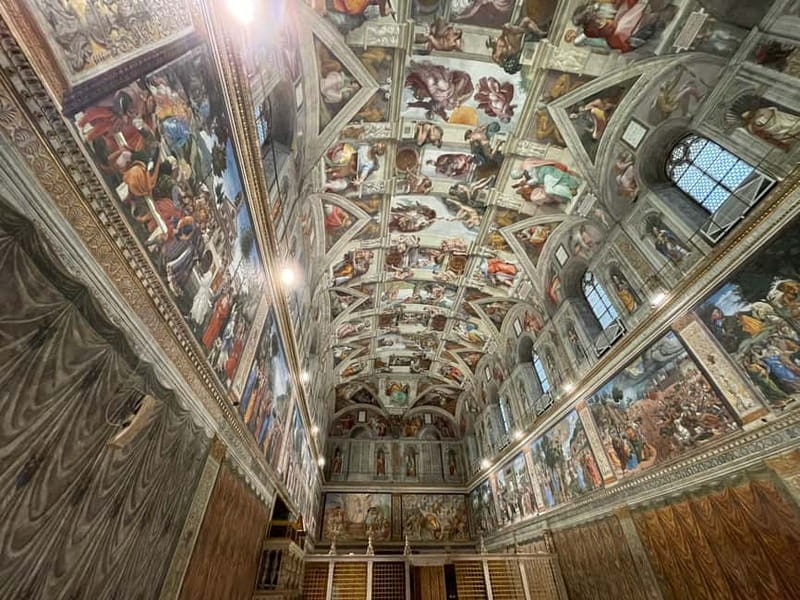
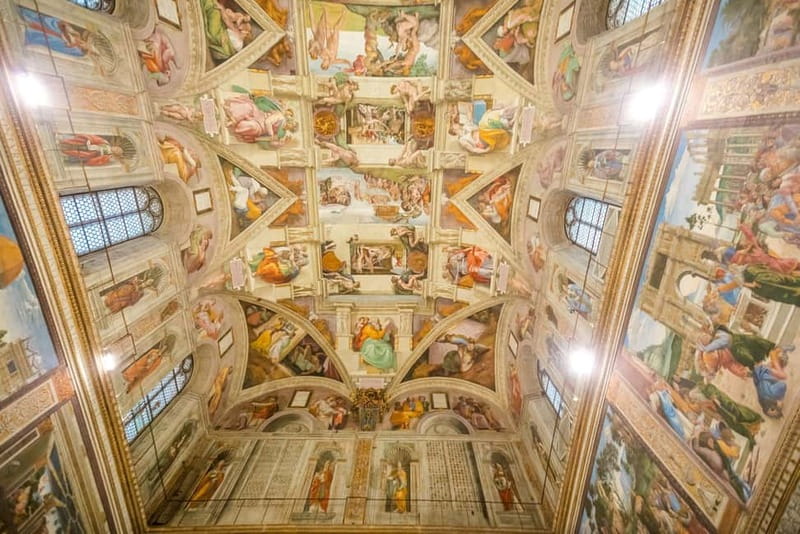
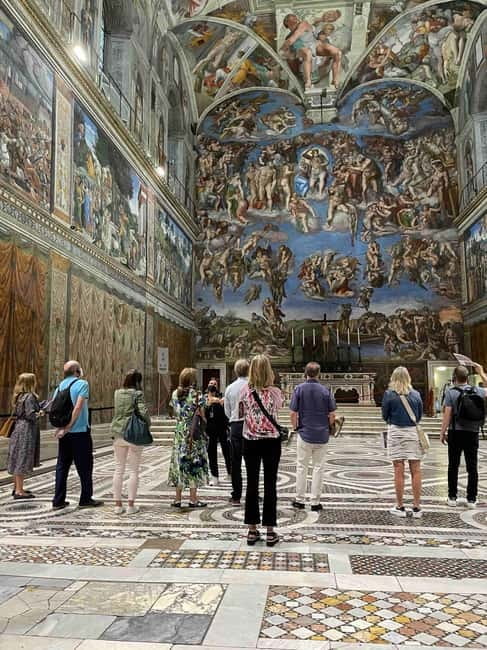
You will see Michelangelo’s famous ceiling and the painted walls, including scenes from the Bible and the Last Judgment. The scale is difficult to understand from photographs. Look up slowly and let your eyes adjust to the crowded composition.
The chapel is also an active religious site, so visitors must follow strict behavior rules. Talking and photography may be restricted or prohibited, and you should listen carefully to the instructions given before entry.
The tour does not promise a private chapel visit. Even with an early start, other groups may be present. The advantage is that you enter with a basic framework, so you can spend the quiet time looking at the art instead of trying to work out what you are seeing.
The guide can answer questions after you exit. That is useful because you may notice details only after you have had a few minutes to take in the ceiling and walls.
St. Peter’s Basilica: useful access, independent visit
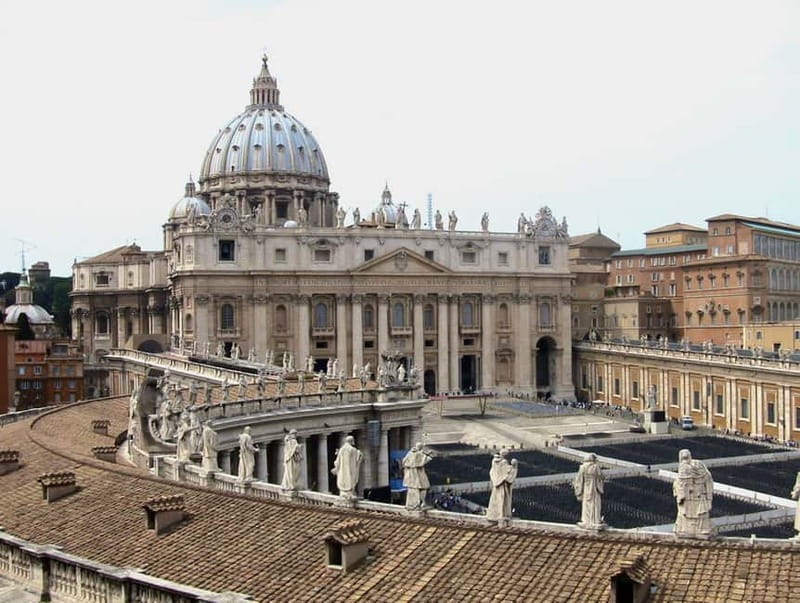
After the museum and chapel portion, you may continue to St. Peter’s Basilica at your own pace. Entry to the basilica is free, and the tour may provide a way to avoid the main entry line after the museum visit.
This part needs careful explanation. The guide can give you basic context and may help you reach the basilica, but there is no full guided tour inside the church. If you want detailed explanations of the interior, you will need to use your own guidebook or arrange a separate basilica tour.
That limitation disappointed some people who expected the basilica to be fully guided. It is not a problem if you mainly want help with the Vatican Museums and a chance to enter St. Peter’s without facing the longest line. It is a real drawback if the basilica is your main goal.
Access can also change because of papal events, ceremonies, or other unforeseen circumstances. One early group could not enter because the pope was speaking, then visited the basilica later. Keep your plans flexible and do not schedule a tight appointment immediately afterward.
How much value do you get for $80.87?
At about $80.87 per person, this is not a bargain in the simple sense. You are paying for admission, a live guide, a headset, and the ability to bypass the regular ticket line. The real question is how much you value time and interpretation.
I think the price is fair for a first Vatican visit, especially if you choose the early departure. The museums are so large that a self-guided visit can become tiring and unfocused. A good guide helps you see the major rooms, understand the best-known works, and avoid wasting time on a route that does not fit your schedule.
The value rises when your assigned guide is strong. Barbara is praised for her passion and command of the route. Federica is described as witty, calm, and full of useful context. Gigi brings humor and strong storytelling, while Simona is especially good at including families. The guide you receive will shape the experience, and the tour does not let you select a particular person.
The value drops if you expect three separate services: a museum tour, a guided Sistine Chapel visit inside the room, and a full St. Peter’s Basilica tour. That is not what you are buying. You get guided museum and chapel coverage, with independent basilica access afterward.
Free cancellation up to 24 hours before the start and the reserve-now, pay-later option also reduce booking risk. Still, closures can occur, and a refund is not guaranteed if the Sistine Chapel or another section becomes unavailable.
Clothing, security, and what to carry
Bring your passport or ID card. All visitors must pass through airport-style security, so allow extra time even when using skip-the-line entry.
Dress for the Vatican’s religious setting. Shorts and sleeveless shirts are not allowed. Choose clothing that covers your shoulders and knees so you are not turned away or forced to find a last-minute solution.
The tour runs rain or shine because the main visit takes place indoors, but you still need to reach the meeting point in all weather. Hotel pickup and drop-off are not included, and food and drinks are also your responsibility.
Wear comfortable shoes. The itinerary involves walking through several museum galleries and keeping up with a moving group. The official duration is 2.5 hours, though some groups have taken closer to three hours depending on the guide and pace.
The tour is offered in English and Spanish. Confirm your preferred language and exact start time when booking.
Who should book this Vatican tour?
I would choose this tour for a first visit, a short stay in Rome, or a family that wants structure. It is especially useful if you do not want to study the museum floor plan in advance or risk losing hours in the regular ticket queue.
It also suits you if art history interests you but you prefer stories and clear explanations to a formal lecture. The best guides keep the group engaged with humor, personal insight, and practical direction.
Families should consider the early start and the steady pace. Younger children may tire, but the guide can make the art easier to follow. Bring realistic expectations: this is a major museum visit, not a relaxed stroll.
I would look elsewhere if you want complete freedom to stop whenever you like, a private guide, or a detailed tour of St. Peter’s Basilica. You may also prefer another option if the Sistine Chapel is the single reason for your visit and you cannot accept the possibility of a temporary closure.
Should you book it?
Book this tour if you want an efficient first look at the Vatican, help with the long entry process, and a guide who can make the art easier to understand. Choose the earliest available time, arrive around 7:00 a.m., and stay close to the group.
Go in knowing exactly what is included: the Vatican Museums and Sistine Chapel are guided, while St. Peter’s Basilica is generally an independent visit after the main tour. At $80.87, the price makes the most sense when you value time, a clear route, and a lively guide more than total flexibility.
FAQ
How long does the Vatican Museums and Sistine Chapel tour last?
The stated duration is 2.5 hours. Some groups may take closer to three hours depending on the guide and pace.
Where does the tour begin?
Meet the guide in Piazza della Città Leonina, in front of Bar Leonina.
Where does the activity end?
The stated end point is back at the meeting point. After the main visit, you may also go to St. Peter’s Basilica independently.
Is the tour available in English?
Yes. The live tour is offered in English and Spanish.
Is St. Peter’s Basilica included as a guided visit?
No. You may visit the basilica afterward at your own leisure, but the tour does not include a guided tour inside the basilica.
Does entry to St. Peter’s Basilica cost extra?
Entry to the basilica is free.
Does the tour skip the regular ticket line?
Yes. Skip-the-ticket-line access is included for the Vatican Museums.
What should I bring?
Bring a passport or ID card. You should also wear clothing that follows the Vatican dress rules.
Are shorts and sleeveless shirts allowed?
No. Shorts and sleeveless shirts are not allowed.
Can the Sistine Chapel close during the tour?
Yes. Certain museum areas, including the Sistine Chapel, may be temporarily inaccessible because of unforeseen circumstances. The tour will continue through other museum areas, and a refund is not guaranteed.
Can I cancel for a full refund?
Yes. You can cancel up to 24 hours before the activity for a full refund. The reserve-now, pay-later option is also available.
Fresh on the Rome list
- Exclusive Golf Tour Private VIP with Local & Gelato o Wine★ 5.0 · 500 reviews
- Colosseum, Palatine Hill and Roman Forum with Guided Tour★ 5.0 · 500 reviews
- Rome Trastevere Pasta Making Class with Eating Europe★ 5.0 · 505 reviews
- Rome by Night Walking Tour★ 4.5 · 506 reviews
- Rome: Colosseum Express Tour with Forum & Palatine Access★ 4.5 · 511 reviews
- Rome Food Experience Max 6 People Group Tour | w/Private Option★ 5.0 · 516 reviews
- Rome: Navona Square Underground Ticket with Audio Guide★ 4.0 · 518 reviews
- Rome: Escorted Papal Audience Experience with Entry Ticket★ 4.4 · 518 reviews
Vatican & Sistine Chapel Tours, compared.
Vatican: Museums & Sistine Chapel Entrance Ticket
Read our review →
Vatican Museums & Sistine Chapel Tour with Optional Basilica
Read our review →
Vatican Museums, Sistine Chapel & St Peter’s Basilica Guided Tour
Read our review →
Vatican Museums, Sistine Chapel & Basilica Tour
Read our review →
Vatican Museums & Sistine Chapel Skip-the-Line Entry Ticket
Read our review →Vatican Museums, Sistine Chapel & Basilica Tour
Read our review →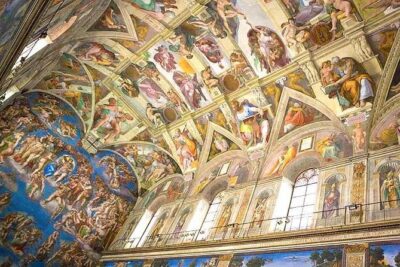
Skip-the-Line Group Tour of the Vatican, Sistine Chapel & St. Peter’s Basilica
Read our review →
Vatican Museums & Sistine Chapel Guided Tour
Read our review →Browse the lists this tour appears in