
Reviewed · MUSEUMS
Rome: Doria Pamphilj Gallery Entry Ticket
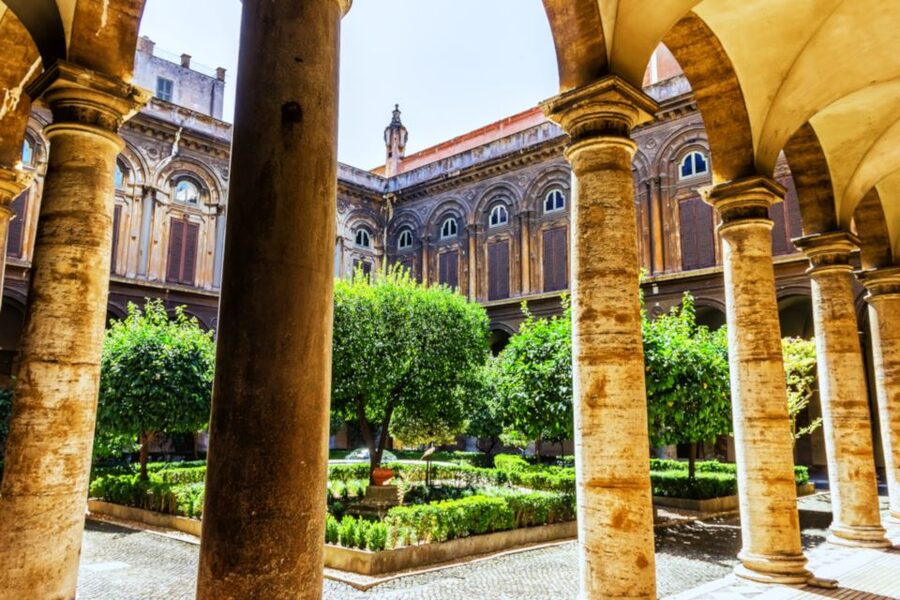
The best surprise here is that the art gallery is only half the show. You enter the Doria Pamphilj family’s former palace and find paintings, sculpture, furniture, tapestries, mirrored rooms, and painted ceilings filling the old apartments and gallery wings. It feels less like a blank museum and more like a private Roman home that happens to contain major art.
I like the exceptional collection, especially the chance to see Caravaggio, Raphael, Titian, Velázquez, Bernini, Bruegel, and Dürer in an intimate setting. I also like the quiet pace. Several people spend two or three hours here without the crush found at Rome’s biggest museums.
The main drawback is value. The online price is about $34 per person, while some people have found a much lower ticket price at the palace desk. The reserved entry and easy redemption may be useful, but you should compare the current direct price before booking.
Key points at a glance
- A palace packed with art: Paintings, sculpture, furniture, tapestries, painted ceilings, and ornate rooms all form part of the visit.
- Three Caravaggio works: The artist’s paintings alone can justify the stop for serious art fans.
- A central Rome address: Pick up your ticket at the Doria Pamphilj Gallery desk on Via del Corso 305.
- Self-guided freedom: Plan on 70 minutes at minimum, but allow two to three hours if you want to listen, look closely, and enjoy the rooms.
- Secret Rooms are optional: Choose independent access or a guided visit, depending on the ticket option you select.
- A quieter museum choice: The gallery is often calmer than Rome’s famous headline attractions, though the palace can feel warm in summer.
Entering Palazzo Doria Pamphilj on Via del Corso
The gallery sits inside Palazzo Doria Pamphilj, a large aristocratic palace on Via del Corso, one of central Rome’s main streets. The entrance is easy to reach once you know the address, though one person found the entry point confusing and discovered that the gallery was on the first floor.
If you book this ticket, take your voucher to the gallery ticket desk at Via del Corso 305. The process is intended to be straightforward. Several people found their names at the counter and walked in without needing to visit a separate redemption office. That matters in Rome, where a ticket that sends you to the wrong street corner can waste a surprising amount of time.
The palace has a calm, private feel once you leave the street behind. You are not simply walking into a modern exhibition hall. You are passing through the rooms of one of Rome’s great families, a dynasty connected to nobility, politics, papal power, and marriage alliances.
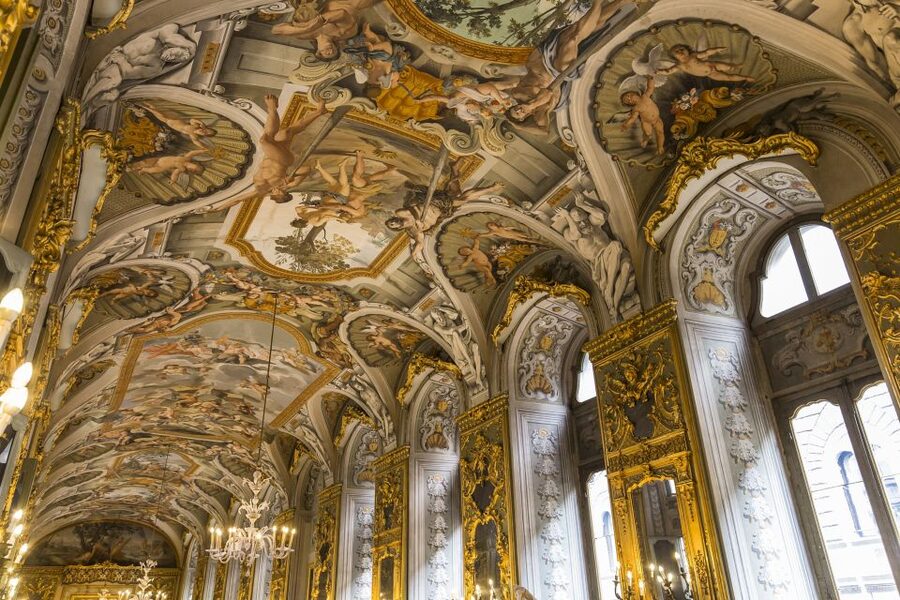
That setting changes how you see the collection. A painting does not sit alone on a white wall with generous space around it. Works cover walls from floor to ceiling, surrounded by furniture, sculpture, patterned decoration, and family interiors. It can feel crowded visually, but that is part of the character of the place.
More Museums in Rome
- Vatican Museums & Sistine Chapel Tour with Optional Basilica
★ 4.3 · 67,413 reviews - Vatican Museums, Sistine Chapel & St Peter’s Basilica Guided Tour
★ 4.5 · 39,149 reviews - Rome: Vatican Museums, Sistine Chapel & Basilica Tour
★ 4.3 · 13,872 reviews
The palace itself is a major attraction
Many people arrive focused on Caravaggio or Raphael and leave talking about the rooms. The architecture includes ornate ceilings, decorated apartments, grand gallery wings, and a famous mirrored hall. The building is artwork before you even begin studying the collection.
I especially like this old-house quality. The rooms help explain how aristocratic families once lived with art. Paintings were not always treated as isolated masterpieces. They were part of daily surroundings, family identity, ceremony, and status.
You will see more than paintings. The collection includes sculpture, furniture, tapestries, and decorative objects, so the visit has variety even if you are not a specialist in Italian painting. One room may reward close attention to a famous canvas, while another works best as a complete interior.
There is also a courtyard and an on-site café. The café and patio have been especially useful on hot Roman days, giving you a place to pause after the rooms. The gallery’s interior can feel warm in summer, although fans are used in many rooms.
Caravaggio, Raphael, and the major paintings
The collection’s headline names are strong. Caravaggio, Titian, Raphael, and other Italian masters form the core draw, with important works by artists from outside Italy as well. You might also encounter paintings associated with Velázquez, Bernini, Bruegel, and Dürer.
The three Caravaggio works receive particular attention. If you have come to Rome hoping to see the artist’s dramatic use of light and human emotion, this is one of the city’s worthwhile stops. The setting feels more personal than a large national museum, and you can spend time looking without being pushed along by a tightly timed group.
Raphael and Titian add a different experience. Their work rewards patience, especially when you are comparing color, composition, and the treatment of faces and fabric. The collection is not arranged as a simple chronological story, so the audio guide can help you understand what you are seeing.
One practical issue deserves attention: labeling is not always as clear as you might expect. Some major works by Caravaggio, Raphael, Vasari, and Titian may not be identified prominently enough for someone who does not already know the collection. If a particular painting matters to you, check the audio guide or ask staff rather than relying only on the wall text.
How the self-guided visit works
The standard experience is not a live guided tour of the main gallery. The information describes an audio guide app with more than 170 points of interest, while the gallery audio guide itself is not clearly included in every ticket description. On-site accounts also describe staff handing out small audio devices in several languages.
Because those details appear inconsistent, check exactly what your selected option includes. Do not assume that a live guide will accompany you through the gallery. The normal format gives you the freedom to move at your own pace, which suits this palace well.
The audio material is useful because the collection can otherwise feel overwhelming. With artworks covering so many rooms, you need some help deciding what deserves five minutes and what deserves only a glance. The guide also presents family history from the Doria point of view, which adds a personal angle to the palace.
I would not try to listen to every one of the 170-plus points on a short visit. Start with the major rooms and famous works, then follow extra explanations if you have time. For a first visit, 90 minutes can give you a good introduction. Two hours feels more comfortable. Three hours works for people who want to examine details, listen carefully, and take breaks.
The audio guide also helps children and casual art fans. One family found that even a 10-year-old enjoyed the visit, partly because the information gave purpose to the rooms. You can keep moving when attention fades, then stop again when a painting catches your eye.
Same city, an entirely different afternoon:
- Colosseum, Roman Forum & Palatine Guided Tour
★ 4.7 · 63,148 reviews - Rome: Colosseum, Palatine Hill and Roman Forum Guided Tour
★ 4.8 · 32,814 reviews - Rome: Guided Tour of Colosseum, Roman Forum & Palatine Hill
★ 4.7 · 27,897 reviews - Rome: Colosseum & Forum with Audio Guide App -Optional Arena
★ 4.2 · 24,770 reviews
A suggested route through the experience
The exact room order can change, so think of this as a useful way to approach the visit rather than a guaranteed itinerary.
Begin by getting your bearings in the palace interiors. Look up before focusing on the paintings. Painted ceilings, mirrors, decorative walls, furniture, and sculpture create the mood of the collection. If you rush straight to the famous names, you will miss what makes Doria Pamphilj different from a standard picture gallery.
Next, use the guide to locate the major works. Give yourself time with the Caravaggio paintings, then compare them with the works by Raphael and Titian. The point is not to race from name to name. Let the rooms show you how different periods and styles were collected together by one family.
After the main masterpieces, examine the supporting pieces. Smaller works, tapestries, portraits, and decorative objects help explain the family’s taste. You may find that an unexpected painting or a lesser-known room becomes your favorite part of the visit.
End with the palace’s grandest interiors and courtyard areas if they are open during your visit. The café provides a natural pause, particularly in hot weather. A quiet break also helps after the dense visual experience of rooms filled from wall to wall.
The optional Secret Rooms
The Secret Rooms are an extra part of the Doria Pamphilj experience, not something every basic entry ticket automatically includes. You can select independent access, allowing you to explore at your own speed, or choose a guided tour that explains the private stories, objects, and family background.
This option suits you if the dynasty interests you as much as the art. The public gallery shows the collection and palace interiors, while the Secret Rooms offer a closer look at the family’s private world. The advertised duration for the full experience can range from about 70 minutes to three hours, depending on the package and how long you spend inside.
Read the ticket option carefully before paying. The Secret Rooms entrance and guided tour are included only when that option is selected. The meeting point can also vary by booking choice, so follow the instructions attached to your specific ticket.
For an art-first visit, the main gallery may be enough. For a stronger sense of how the family lived and what remained private, the Secret Rooms make the higher-priced option more appealing. I would choose the guided version if you want stories and context, and the independent version if you prefer to pause, read, and move without a group schedule.
Timing, crowds, and comfort
The official visit length ranges from 70 minutes to three hours. That wide range is sensible. You can see the main highlights in a little over an hour, but the palace rewards a slower pace.
The gallery is often less crowded than Rome’s most famous museums. That gives you room to study a painting or take in a decorated ceiling without constantly adjusting your position. It also makes the experience a good counterpoint to a busy day at the Vatican Museums or the Colosseum.
Do not mistake quiet for empty. Conditions can change, and popular times may still bring groups. Reserved entry helps with access, but it does not guarantee that every room will be peaceful.
Summer heat is worth planning for. The gallery has fans in many rooms, but it can still feel warm. A morning or later-day visit may be more comfortable, though the available start times depend on the date you choose.
Photography rules are strict. Flash photography, tripods, and selfie sticks are not allowed, and video recording is prohibited inside the gallery. You will need to put the phone away and look properly, which is no bad thing in a collection this dense.
Is the $34 price good value?
At roughly $34 per person, this is not a bargain entry ticket by Roman standards. The value depends on what you want from the booking.
You are paying for reserved admission to an important private collection, not just a quick look at a few famous paintings. The building itself is a large part of the experience, and the visit can occupy 90 minutes to three hours. If your ticket includes the audio material and the Secret Rooms, the calculation changes again.
The concern is the reported difference between the online price and the palace desk. One person found a ticket for about €16 at the office, while another questioned paying around €29 online for the same basic admission. Prices and ticket conditions can change, so check the official direct rate before booking.
The online ticket can still be useful if you value advance planning, reserved entry, clear instructions, and the ability to cancel up to 24 hours ahead for a full refund. You can also reserve now and pay later under the stated booking terms. Those benefits have practical value during a crowded Rome itinerary, but they may not justify a large markup for everyone.
My advice is simple: compare the direct ticket price, confirm whether the audio guide is included, and check whether Secret Rooms access is part of your package. The higher price makes more sense when it saves time or includes extras you actually want.
Who should book this experience?
I would recommend the gallery to anyone who wants a quieter art stop in central Rome. It suits people who enjoy old interiors as much as individual paintings, and it gives art fans a chance to see major names without spending a full day in a huge museum.
It is also good for families who need flexibility. You can skip sections, pause in the courtyard or café, and let children focus on the rooms or sculptures that catch their attention. The audio guide gives younger visitors a reason to look beyond the decoration.
First-time Rome visitors should consider it if they already plan to see the headline sights and want something less predictable. The gallery sits in a central location, so it can fit into a day around Via del Corso and nearby historic sights.
You may be less satisfied if you want a fully guided art-history lecture, crystal-clear labels for every important work, or the lowest possible admission price. The normal gallery ticket is mainly self-guided, and the room-by-room presentation can feel loosely organized if you arrive without a plan.
Practical details before you go
Pick up your ticket at the Doria Pamphilj Gallery ticket desk at Via del Corso 305. The gallery entrance may be on the first floor, so allow a moment to find the correct access point.
Confirm your selected option before arrival. A guided tour is available only with certain choices, and the Secret Rooms can be either self-guided or guided. The main gallery audio information also needs checking because the package details distinguish between an audio guide app and a gallery audio guide.
Allow at least 70 minutes for the highlights. I would set aside two hours if the gallery is a priority, and closer to three if you want the Secret Rooms, listen to many audio points, and stop at the café.
Cancel up to 24 hours in advance for a full refund under the stated policy. You can also reserve now and pay later, which helps if your Rome schedule is still changing.
Should you book the Doria Pamphilj Gallery?
Yes, if you want major art in an unusually personal setting. The Caravaggio works, Raphael, Titian, Velázquez, Bernini, Bruegel, and Dürer give the collection serious weight, while the palace rooms make the visit feel different from a standard museum outing.
Book with care if price matters. Compare the direct admission cost, verify the audio guide, and select Secret Rooms only if that extra material interests you. For art lovers, architecture fans, and anyone seeking a calmer Roman afternoon, this is a strong choice. For a quick, cheap museum stop, the online price may be harder to justify.
FAQ
Where is the Doria Pamphilj Gallery?
The gallery is at Via del Corso 305 in Rome, in the Lazio region of Italy.
How long does the visit take?
The stated duration is about 70 minutes to three hours, depending on the option selected and how much time you spend with the collection.
What does the standard ticket include?
It includes reserved entry to the Doria Pamphilj Gallery. The package information also lists an audio guide app with more than 170 points of interest, but the gallery audio guide is separately noted as not included, so check your exact option.
Is a live guide included?
A guided tour is not included with every ticket. Guided access is available depending on the option you choose, particularly for the Secret Rooms.
Can I visit the Secret Rooms?
Yes, but Secret Rooms access is included only when you select that option. You can choose independent access or a guided tour with reserved entry.
Which artists can I see?
The collection includes works by Caravaggio, Titian, Raphael, and other Italian artists. Works associated with Velázquez, Bernini, Bruegel, and Dürer are also found in the palace collection.
Can I take photographs inside?
Flash photography, tripods, and selfie sticks are not allowed. Video recording is also prohibited inside the gallery.
Where do I collect the ticket?
Pick up the ticket directly at the Doria Pamphilj Gallery ticket desk at Via del Corso 305. The meeting point can vary depending on the option booked.
Is the gallery usually crowded?
The gallery is often less crowded than Rome’s major headline museums, though crowd levels can vary by date and time.
Can I cancel the booking?
The stated policy allows free cancellation up to 24 hours in advance for a full refund. The booking information also says you can reserve now and pay later.
Fresh on the Rome list
- Exclusive Golf Tour Private VIP with Local & Gelato o Wine★ 5.0 · 500 reviews
- Colosseum, Palatine Hill and Roman Forum with Guided Tour★ 5.0 · 500 reviews
- Rome Trastevere Pasta Making Class with Eating Europe★ 5.0 · 505 reviews
- Rome by Night Walking Tour★ 4.5 · 506 reviews
- Rome: Colosseum Express Tour with Forum & Palatine Access★ 4.5 · 511 reviews
- Rome Food Experience Max 6 People Group Tour | w/Private Option★ 5.0 · 516 reviews
- Rome: Navona Square Underground Ticket with Audio Guide★ 4.0 · 518 reviews
- Rome: Escorted Papal Audience Experience with Entry Ticket★ 4.4 · 518 reviews
Museums, compared.
Vatican: Museums & Sistine Chapel Entrance Ticket
Read our review →
Vatican Museums & Sistine Chapel Tour with Optional Basilica
Read our review →
Vatican Museums, Sistine Chapel & St Peter’s Basilica Guided Tour
Read our review →
Skip-The-Line Uffizi Gallery Timed Entry Ticket
Read our review →
Vatican Museums, Sistine Chapel & Basilica Tour
Read our review →
Vatican Museums & Sistine Chapel Skip-the-Line Entry Ticket
Read our review →Vatican Museums, Sistine Chapel & Basilica Tour
Read our review →
Vatican Museums & Sistine Chapel Guided Tour
Read our review →Browse the lists this tour appears in