Reviewed · GUIDED
Rome: Domus Aurea, Nero’s Golden House guide tour
The most striking part of this Rome tour is the virtual reconstruction of Nero’s Golden House. Inside the dark, chilly remains, VR shows how the vast palace may have looked when its walls were bright with decoration and its rooms were built to impress. The contrast between bare ancient brick and lavish digital reconstruction makes the past feel unusually close.
I like the way the tour combines real archaeological remains with modern technology, rather than asking you to choose between the two. I also like the strong guiding component, with guides such as Claudia, Simone, and Nico praised for clear storytelling, good pacing, and humor. The main drawback is practical: finding the meeting point can be confusing, and the guide’s audio may be hard to follow in a large group.
Key points to know before you go
- The VR headset is the tour’s great surprise: It gives you a visual sense of rooms, colors, and scale that the surviving walls alone cannot provide.
- The palace is much larger than expected: Even the preserved section hints at the huge scale of Nero’s original complex.
- Bring warm clothing: Temperatures inside are about 10°C, and the slow pace makes a jacket essential.
- Expect a 90-minute guided visit: The experience focuses on the Domus Aurea site, its restoration, and its former appearance.
- Meeting instructions need care: The starting point is on Via delle Terme di Tito, but the precise meeting location can vary by booking option.
- This suits history-minded adults best: Wheelchair users and people with mobility impairments cannot take part, and the cold, dark setting may not hold young children’s attention.
What Nero’s Golden House reveals about imperial Rome
The Domus Aurea was Emperor Nero’s vast palace complex, built after the great fire of Rome in AD 64. Only part of it survives, but that part is enough to show the ambition behind the project. You walk through rooms that once belonged to a residence designed less as a private home than as a statement of imperial power.
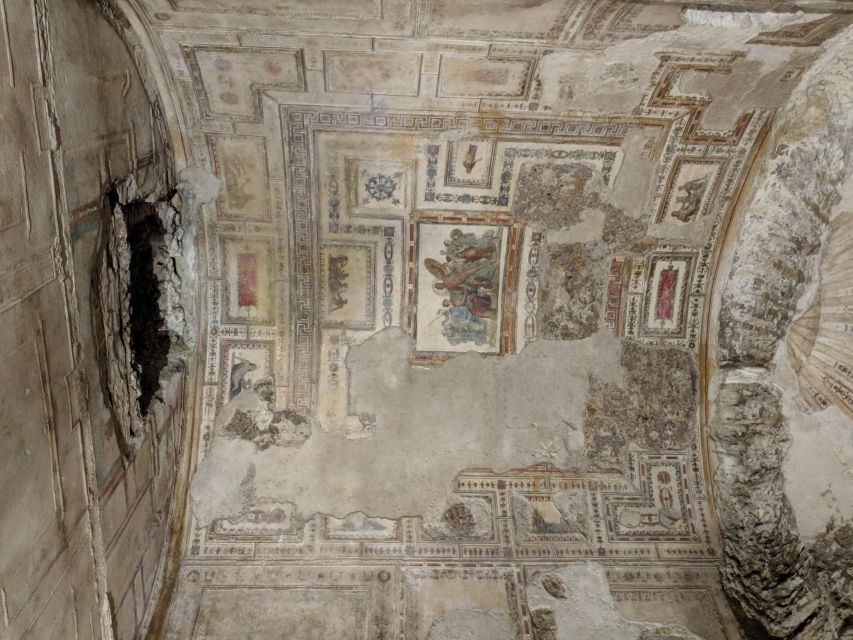
The palace took up a huge area in central Rome. Its name, Domus Aurea, refers to the lavish use of gold and other precious decoration. The surviving rooms do not offer a polished palace today. Instead, you see ancient walls, traces of painted decoration, vaulted spaces, and the careful work of modern conservation.
That gap between what is visible and what once existed is exactly why a guide helps. Without context, some rooms can look like attractive but damaged chambers. With an explanation of Nero’s building program, the architecture becomes a lesson in status, spectacle, and political excess.
I especially value the scale. One visitor described being impressed by the sheer size of the complex, and that is an important point to keep in mind. The surviving section is not a complete palace, but it gives you a strong sense that Nero was thinking on a city-sized scale.
A few other Rome mornings to weigh against this
- Colosseum, Roman Forum & Palatine Guided Tour
★ 4.7 · 63,148 reviews - Vatican Museums, Sistine Chapel & St Peter’s Basilica Guided Tour
★ 4.5 · 39,149 reviews - Rome: Colosseum, Palatine Hill and Roman Forum Guided Tour
★ 4.8 · 32,814 reviews
Starting on Via delle Terme di Tito
The visit begins at one of two listed starting options, both shown as Via delle Terme di Tito. Your meeting point can vary according to the option you book, so read the confirmation carefully rather than relying only on a general map pin.
This is the part of the experience that needs the most attention. The meeting instructions have not always been clear, and the area around the archaeological site can be confusing if you are rushing. If you come by metro, allow extra time to get your bearings around the steps and the entrance area.
You may receive contact by email or WhatsApp before the visit. Keep that information available, since it can help if the guide needs to clarify the meeting point. Arrive early enough to handle the check-in without stress. An express security check is included, but that does not remove the need for correct documents and participant details.
Every participant must provide a first and last name, and you must bring your ID. The entrance guard can refuse admission if the required names are missing, so check the booking information before leaving your hotel.
Walking through the archaeological restoration
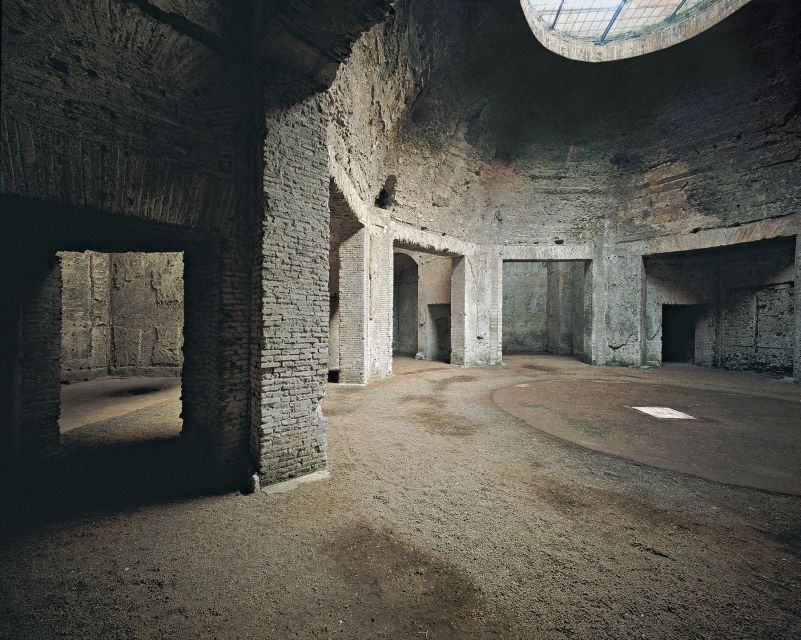
Once inside, the guide leads you through the accessible part of the Domus Aurea. This is not a grand, open-air ruin with broad views and plenty of sunlight. It is an underground archaeological site, with enclosed rooms, dark passageways, and a cool atmosphere.
The temperature is about 10°C. Bring a jacket, even in July or August. Several people also advise a hat and gloves, especially because you move slowly and spend much of the visit indoors. Wear comfortable shoes, since the tour takes place on an archaeological floor rather than a smooth museum surface.
The restoration work is a major part of what you are seeing. The modern additions are designed to protect and present the ancient structure, and details such as doors and windows have been handled with care. You are not simply looking at a ruin frozen in time. You are seeing an active conservation project, with the remains made safe enough to visit while retaining their worn, ancient character.
A guide can point out details that are easy to miss, including traces of wall decoration and the relationship between different rooms. The tour also helps explain how later generations responded to the palace. The Domus Aurea was covered and built over after Nero’s death, and its buried decoration later influenced Renaissance and Baroque artists.
One useful reason to visit before seeing Rome’s grander Baroque interiors is that the Domus Aurea helps you understand the decorative language those later artists admired. The wall paintings and ornamental forms here connect the ancient world with the art you will see elsewhere in the city.
The guide makes the difference
The guide is not an optional extra here. Much of the site’s meaning comes through explanation, since the remains are incomplete and the original furnishings are gone.
Claudia has been singled out for a friendly style, clear pacing, humor, and strong storytelling. Simone and Nico have also received praise for making the visit lively and easy to follow. The best version of this tour gives you archaeological facts without turning the experience into a lecture.
The language options are English, Italian, Spanish, and French. Guide quality can vary from one departure to another, and some people have found the English accent or audio equipment difficult to follow. If you have hearing trouble, stay close to the guide and watch carefully when the guide gestures toward a wall or ceiling.
Group size matters. A group of around 25 can make it harder to see what the guide is pointing at and harder to hear every sentence. Smaller groups would offer a better experience, especially in narrow rooms. Booking early may also help you find a better price or a departure with more comfortable availability.
The strongest guides make the visit interactive. They connect Nero’s palace to the later story of Roman art and explain the restoration in a way that lets you see the site as both an ancient building and a modern conservation effort.
Same city, an entirely different afternoon:
- Vatican Museums & Sistine Chapel Tour with Optional Basilica
★ 4.3 · 67,413 reviews - Rome: Guided Tour of Colosseum, Roman Forum & Palatine Hill
★ 4.7 · 27,897 reviews - Rome: Colosseum & Forum with Audio Guide App -Optional Arena
★ 4.2 · 24,770 reviews - Rome: Colosseum, Roman Forum and Palatine Hill Guided Tour
★ 4.5 · 23,903 reviews
How the VR reconstruction changes the visit
The VR section is the tour’s main selling point, and it earns that attention. After seeing the actual remains, you use a VR device to view a reconstruction of the palace as it may have appeared during Nero’s time.
This matters because archaeological remains can be difficult to read. A bare wall does not automatically tell you where a doorway led, how a room was decorated, or how light and color shaped the space. The headset supplies that missing visual information.
The experience is not just a film. The VR view lets you look around the reconstructed setting, which creates a strong sense of scale and movement. You can compare what you see digitally with the physical structure around you. That makes the technology useful rather than decorative.
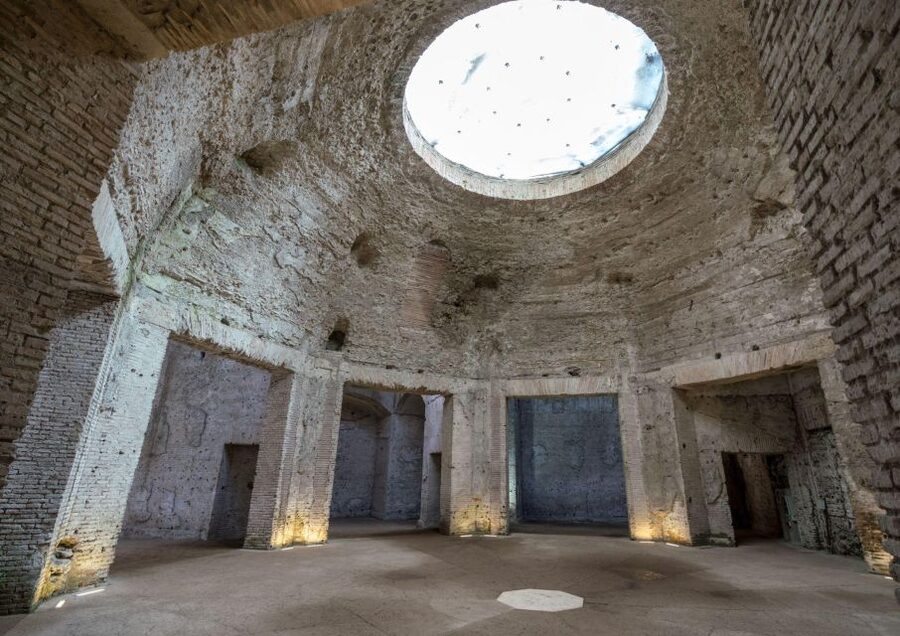
The visual impact seems especially strong in the larger rooms. One suggestion has been to place the VR experience in the octagonal room, where the architecture could make the reconstruction even more powerful. Even without that arrangement, the VR portion gives you a clearer picture of Nero’s extravagant design than the ruins alone can provide.
Video narration and interactive animation support the guided explanation. Used together, these tools create a short but effective trip between two moments: the damaged palace you can visit today and the lavish imperial residence of 2,000 years ago.
Technology can sometimes get in the way at historic sites. Here, it has a clear job. It helps you understand what restoration cannot fully rebuild and lets you picture the decoration without pretending the original palace is still intact.
Is the $59 price fair?
At $59 per person, this is not a cheap Rome attraction. The cost includes the Domus Aurea admission, a professional guide, taxes and fees, and the VR equipment. You are paying for a focused archaeological visit rather than a full-day pass or a large collection of sights.
I think the price is fair if you care about ancient Rome and want help reading a difficult site. The VR headset adds something you cannot get from wandering around the ruins alone, and the guide provides the historical framework that makes the damaged rooms meaningful.
The value is less convincing if you are mainly looking for a quick look at famous Roman monuments. The visit lasts about 1.5 hours, and the palace is not presented as a fully restored interior. You will see a limited archaeological section, not a complete reconstruction that you can freely explore.
Book early if possible. Prices and availability can change, and last-minute premium pricing may make the experience feel expensive. Also remember that the activity is non-refundable, so confirm your schedule, names, contact details, and meeting point before paying.
Who should take this Domus Aurea tour?
I would choose this for adults who enjoy Roman history, archaeology, architecture, or the way modern technology can explain the past. It is particularly good for anyone who wants more than the familiar Colosseum view of ancient Rome.
The tour also suits people who have already visited Rome’s Baroque churches and palaces. The Domus Aurea helps you recognize ancient decorative ideas that later artists borrowed and reshaped.
It is less suitable for young children unless they already have a strong interest in history. The cold underground setting, slow walking pace, and detailed commentary may feel demanding. The experience is also not suitable for wheelchair users or people with mobility impairments.
You should be comfortable wearing a headset and following a guide through enclosed archaeological rooms. Food and drinks are not allowed inside, and large bags or luggage are prohibited, so arrive with only what you need.
Practical tips for a smoother visit
Wear a warm layer, regardless of the season. The 10°C interior is the single most repeated practical warning, and the cool air is more noticeable because the tour moves at a measured pace.
Bring your ID and make sure the booking contains each participant’s first and last name. Keep your email or WhatsApp contact accessible in case the operator sends a last-minute meeting instruction.
Use comfortable shoes and avoid bringing large bags. Do not count on sitting around before entry, since security staff may not permit visitors to wait inside the entrance area.
If your phone is older, check in advance whether any required app will work on it. One past visitor had trouble because an older phone could not download the app. The VR equipment is included, but the wider check-in process may still involve digital confirmation.
Finally, read about Nero and the Domus Aurea before you go. You do not need a textbook, but a little background will help you understand why the palace was built, why it disappeared from view, and why its decoration mattered to later European art.
Should you book the Domus Aurea VR tour?
Book it if you want an atmospheric, history-focused visit that combines real Roman ruins with a strong digital reconstruction. The restoration is impressive, the palace is larger than you may expect, and the VR section gives you a rare chance to picture the building in its original form.
I would not book it as a casual stop between outdoor sights if you dislike cold rooms, enclosed spaces, or guided commentary. The meeting point also deserves careful attention, and the audio can be frustrating in a large group.
For the right visitor, this is one of Rome’s most unusual archaeological experiences. It does not replace the city’s major monuments. It explains a less visible part of them, and it gives Nero’s vanished palace a physical and visual presence.
FAQ
How long does the Domus Aurea tour last?
The guided visit lasts 1.5 hours. The time includes the visit to the archaeological site and the guided presentation with VR devices and video narration.
What languages are available?
Live guides are available in English, Italian, Spanish, and French.
Is the VR equipment included?
Yes. VR devices are included in the activity price, along with the entrance ticket, professional guide, fees, and taxes.
How cold is the Domus Aurea?
The temperature inside is around 10°C. Bring a jacket and wear suitable clothing, even when Rome is warm outside.
What documents do I need?
You must bring your ID. You must also provide the first and last name of every participant, or the entrance guard may refuse admission.
Is the tour suitable for wheelchair users?
No. The activity is not suitable for wheelchair users or people with mobility impairments. Food, drinks, luggage, and large bags are also not allowed inside.
Fresh on the Rome list
- Guided tour of the Colosseum, Roman Forum and Palatine in Spanish★ 4.5 · 191 reviews
- Rome: Guided Catacombs Tour & Capuchin Crypt (Audio Guide)★ 4.3 · 191 reviews
- Rome: Borghese Gallery Guided Tour with Skip-the-Line Ticket★ 4.5 · 192 reviews
- Rome: Arena Colosseum Tour with Arena Access★ 4.6 · 193 reviews
- Rome: Colosseum & Roman Forum Guided Tour★ 5.0 · 194 reviews
- Colosseum, Forum, Palatine Hill with audio guide and Arena or Bus option★ 4.0 · 193 reviews
- Rome: Domus Aurea Guided Tour and Virtual Reality Experience★ 4.7 · 194 reviews
- Rome Vintage Fiat 500 car Tour With Photographer★ 5.0 · 194 reviews
Guided, compared.
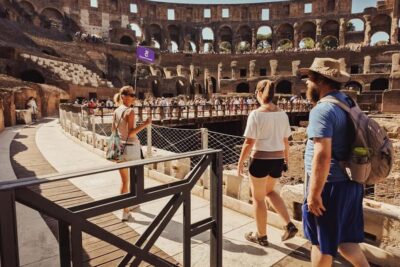
Colosseum, Roman Forum & Palatine Guided Tour
Read our review →
Vatican Museums, Sistine Chapel & St Peter’s Basilica Guided Tour
Read our review →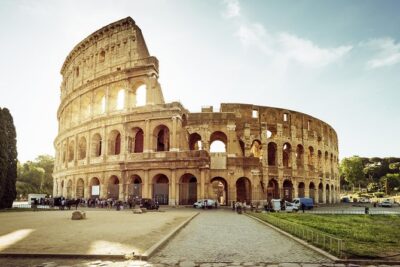
Colosseum, Palatine Hill and Roman Forum Guided Tour
Read our review →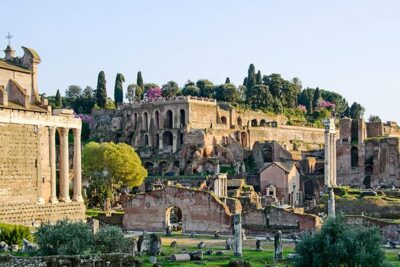
Guided Tour of Colosseum, Roman Forum & Palatine Hill
Read our review →
Colosseum & Forum with Audio Guide App -Optional Arena
Read our review →
Colosseum, Roman Forum and Palatine Hill Guided Tour
Read our review →
Naples Underground Entry Ticket and Guided Tour
Read our review →