
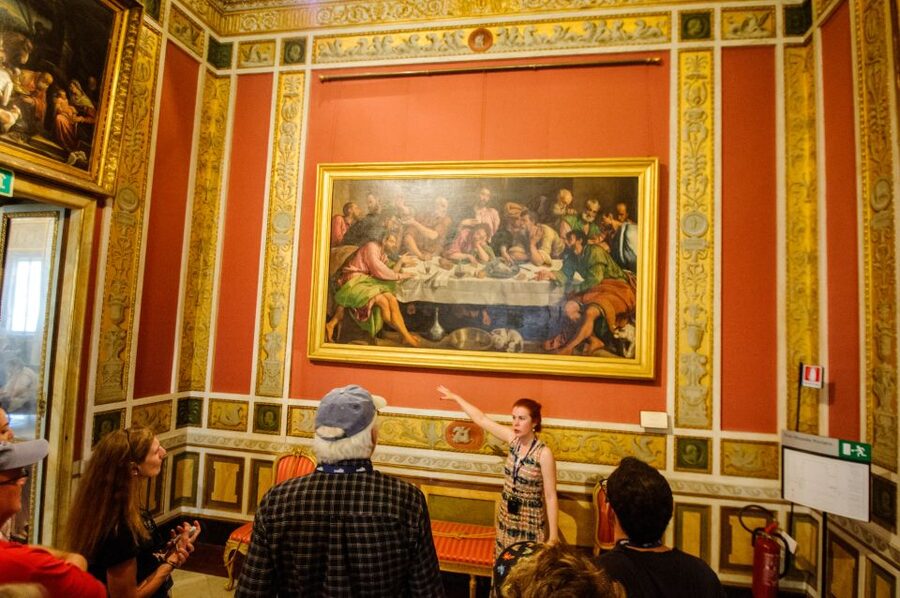
Reviewed · MUSEUMS
Rome: Borghese Gallery and Gardens Guided Small-Group Tour
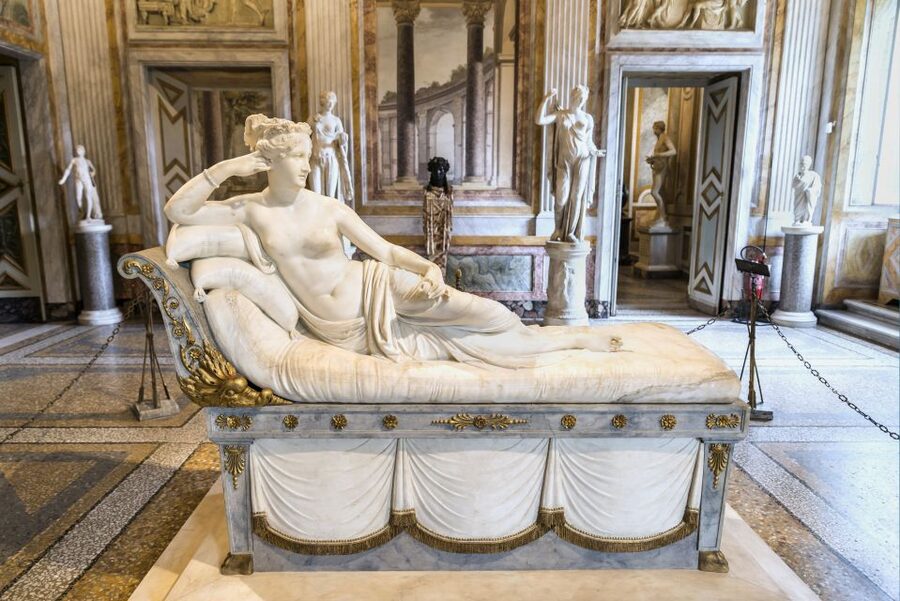
The real treat here is seeing Bernini’s marble figures in the elegant rooms they were meant to fill. Apollo and Daphne, Canova’s Pauline Bonaparte, Caravaggio’s paintings, Titian, and Raphael are not scattered through a huge museum. They sit together in a former villa, making the collection feel personal and wonderfully concentrated.
I like the small group limit of 15, which gives your guide room to explain details without shouting across a crowd. I also like the pre-reserved entry, since Borghese Gallery visits depend on timed admission and are not the sort of thing you want to leave to chance.
The main consideration is pace. Two hours inside can feel short when every room holds a major work, and the garden portion may be brief, especially in hot weather or during the final time slot. You will get a strong introduction, not an unhurried afternoon of museum wandering.
Key points to know before booking
- Bernini gets the attention he deserves: The tour explains how movement, expression, and polished marble work together in sculptures such as Apollo and Daphne.
- A compact collection saves your energy: The gallery is small enough to cover its major works in a focused visit, rather than sending you across endless rooms.
- Your guide makes the difference: Sal, Federica, Fabio, Silvia, Barbara, and others have been praised for clear explanations, humor, and passion for art.
- The group is capped at 15: That is small enough to hear the guide through the included headset and keep the visit more personal.
- The gardens add breathing room: You finish among lanes, fountains, plants, and sculptures in the former private park of Cardinal Borghese.
- Pack light and arrive early: No bags are allowed inside the gallery, and you must arrive 15 minutes before departure.
Why the Borghese Gallery is worth your Rome time
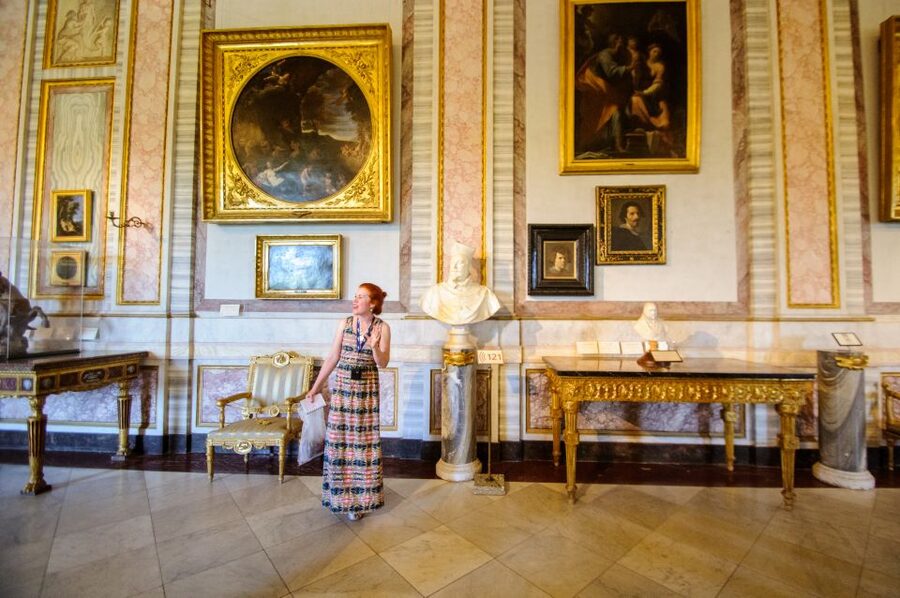
Rome has grand museums that can leave you tired before you reach the best rooms. The Borghese Gallery is different. The collection is packed into a former villa, and the art is displayed in rooms that still feel connected to the family who assembled it.
That setting matters. Cardinal Scipione Borghese was not a passive collector who waited for fine works to come his way. He pursued art with determination, commissioned major pieces, and arranged them in his villa as a statement of taste and power. Your guide uses that story to connect the building, the family, and the art.
I especially value this context because it changes the way you see the sculptures. Bernini was not making isolated museum objects for modern visitors. His work was part of a larger plan, designed to surprise, impress, and sometimes unsettle the people entering these rooms.
The gallery is also manageable in scale. You will not see every artwork in Rome, but you can spend meaningful time with some of the city’s most famous paintings and sculptures. That makes a guided visit useful for a first trip, particularly if you want a clear path through the collection instead of trying to decide what deserves your attention.
More Museums in Rome
- Vatican Museums & Sistine Chapel Tour with Optional Basilica
★ 4.3 · 67,413 reviews - Vatican Museums, Sistine Chapel & St Peter’s Basilica Guided Tour
★ 4.5 · 39,149 reviews - Rome: Vatican Museums, Sistine Chapel & Basilica Tour
★ 4.3 · 13,872 reviews
Reserved entry and a group of 15
The reserved ticket removes one of the most annoying parts of visiting a major Rome museum: wondering if you will get in at all. Entry is controlled, so you join the tour at the stated meeting point in Piazzale del Museo Borghese, directly in front of the gallery.
This is not the same as walking into an empty museum. Security checks can still take time, and extra restrictions may apply. The practical lesson is simple: arrive at least 15 minutes early, carry identification, and do not bring a large bag.
The group limit is another strong point. Fifteen people is not private touring, but it is far more workable than a large crowd. You can follow the guide from room to room without losing the thread of the explanation. Headsets are supplied, which helps when other groups are nearby or when the guide is speaking from a short distance away.
The headsets also let the guide keep a normal speaking voice. That makes the visit feel calmer and helps you concentrate on the art rather than on finding a place close enough to hear.
Two hours with Bernini, Caravaggio, Titian, and Raphael
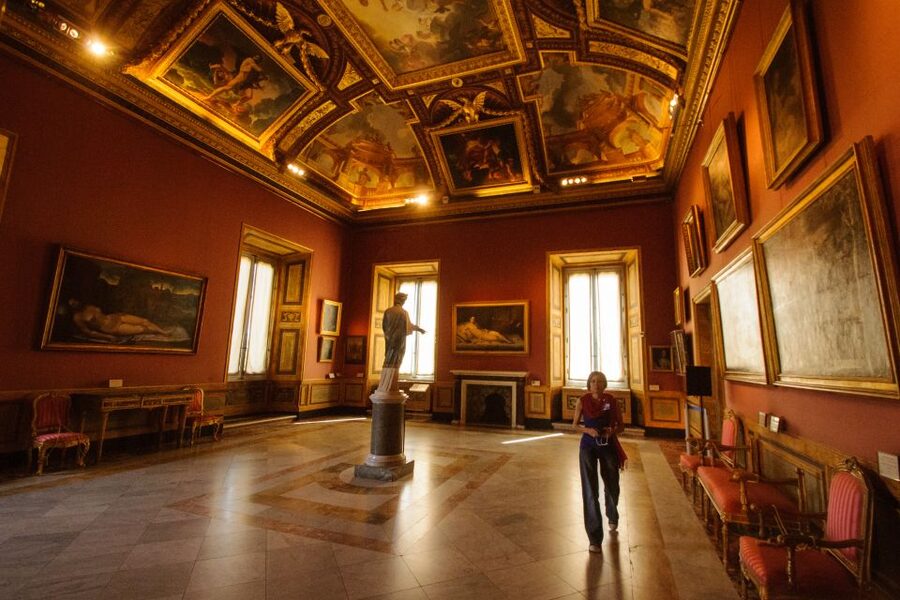
The gallery portion is the heart of the experience. Your guide explains the collection as a connected story, then focuses on the works that make the Borghese famous.
Bernini’s Apollo and Daphne
This sculpture is often the moment when people understand why the Borghese Gallery is special. Bernini captures Apollo in pursuit of Daphne at the instant she begins changing into a laurel tree.
Look closely at the fingertips becoming leaves, the hair flying behind the figures, and the way the bodies twist through space. The sculpture rewards movement around it. From one angle you see pursuit and fear, from another you notice the transformation taking over Daphne’s body.
A good guide will help you slow down. Without explanation, you might admire the polished surface and move on. With context, you start to notice the technical tricks and the emotional drama. Several guides, including Salvatore, Federica, and Fabio, have been praised for bringing these sculptures to life through stories rather than dry dates.
Same city, an entirely different afternoon:
- Colosseum, Roman Forum & Palatine Guided Tour
★ 4.7 · 63,148 reviews - Rome: Colosseum, Palatine Hill and Roman Forum Guided Tour
★ 4.8 · 32,814 reviews - Rome: Guided Tour of Colosseum, Roman Forum & Palatine Hill
★ 4.7 · 27,897 reviews - Rome: Colosseum & Forum with Audio Guide App -Optional Arena
★ 4.2 · 24,770 reviews
Canova’s Pauline Bonaparte
Antonio Canova’s Pauline Bonaparte gives you a different kind of spectacle. She reclines as Venus Victrix, calm and self-possessed, with the polished marble making skin, fabric, and cushions seem almost impossible.
The work also opens a window onto the ambitions of the Bonaparte family. Your guide can link the idealized image to the sitter’s public role and the way powerful families used art to shape how they were seen.
This is one reason a guide is useful even if you already know the basic names. The pleasure is not only identifying the subject. It is noticing how portrait, mythology, social status, and artistic skill overlap.
Caravaggio’s St. Jerome
Caravaggio’s St. Jerome brings a quieter mood. The painting’s force comes from its stripped-down setting and close attention to the aging saint. A guide can point out how light directs your eye and how the physical effort of writing becomes part of the religious image.
Compared with Bernini’s movement, Caravaggio asks you to pause. His figures feel immediate and human, with shadows doing much of the emotional work. The change of mood from room to room keeps the gallery visit from becoming a procession of famous names.
Raphael’s The Deposition and Titian
Raphael’s The Deposition gives the tour a chance to discuss composition, grief, and the movement of figures across the canvas. Titian adds another layer, showing why the collection is not only about seventeenth-century Roman sculpture.
The best guides make these works speak to one another. They explain how artists handled the human body, drama, color, and religious subjects in different ways. Guides such as Alexandra, described as an art historian, and Elisa, praised for storytelling, have been singled out for making those links clear and accessible.
You should not expect a university lecture on every object. The value lies in choosing the right details: a gesture, a material, a patron’s motive, or a visual trick that you might otherwise miss.
The villa setting and Cardinal Borghese’s collecting
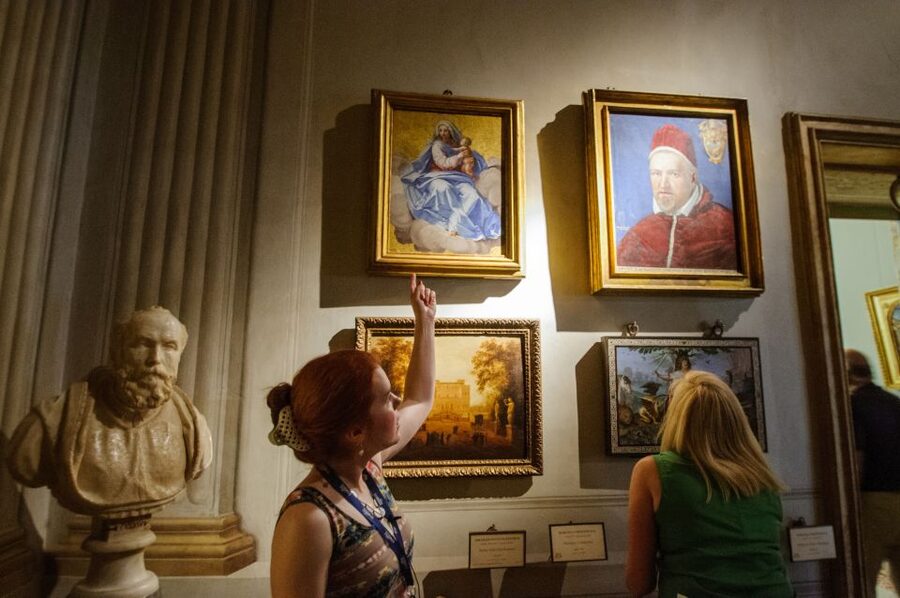
The gallery is impressive partly because it still feels like a home built around art. Cardinal Borghese commissioned the villa and many of the works inside it. His collection was a personal project, not just a public institution assembled over centuries.
That history gives the visit a useful human angle. You hear about a collector who wanted particular works, pursued artists, and shaped the rooms around his taste. The art becomes easier to remember when you understand the person who wanted it there.
I also like that the guide discusses patrons, not only artists. One review praised a guide named Gaga for explaining the connection between artists, patrons, and their motives. That approach is worth seeking in any art museum. Paintings and sculptures do not appear by magic. Money, ambition, family status, religion, and rivalry all helped put them in these rooms.
The gallery’s size works in your favor, but it creates the tour’s chief limitation too. You may feel rushed as the guide keeps the group moving. One visitor found two hours enough to cover the main works but still wished for more time. I would treat that as a fair description: the schedule gives you a strong overview, but not endless time for private study.
A short walk through Borghese Gardens
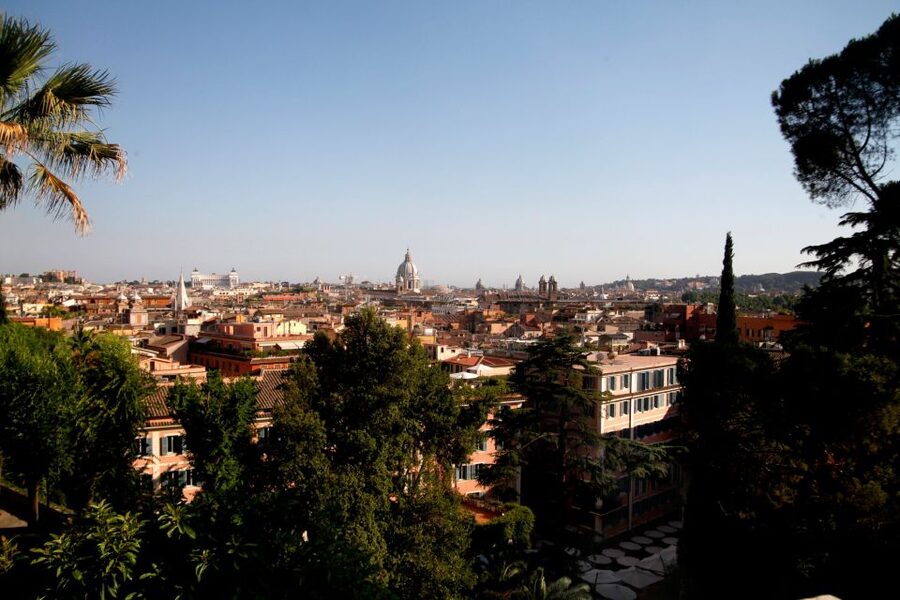
The gardens were once Cardinal Borghese’s private park and are now a public place for strolling and relaxing. The tour includes a guided visit among shady paths, sculptures, plants, and fountains.
This portion changes the rhythm nicely. After concentrating on marble and paint in formal rooms, you step outside into a broader setting. The gardens help you understand the villa as a complete retreat, not just a container for art.
Keep your expectations measured. The listed timing gives the gardens about 30 minutes, while the gallery receives the bulk of the attention. One account described the garden explanation as only about 10 minutes during a late time slot. That may depend on the departure time and the day’s conditions, so book this tour for the gallery first and see the gardens as a useful extra.
Summer heat can also matter. One visitor had to skip the garden section because of the temperature. If you are visiting Rome in July or August, bring water and comfortable shoes, and do not feel guilty about shortening the outdoor portion if you are wilting.
The gardens are free to enter on their own, so this part adds interpretation rather than exclusive access. That is perfectly reasonable. The gallery ticket and expert guidance are the main reasons to book.
Is $60 a fair price?
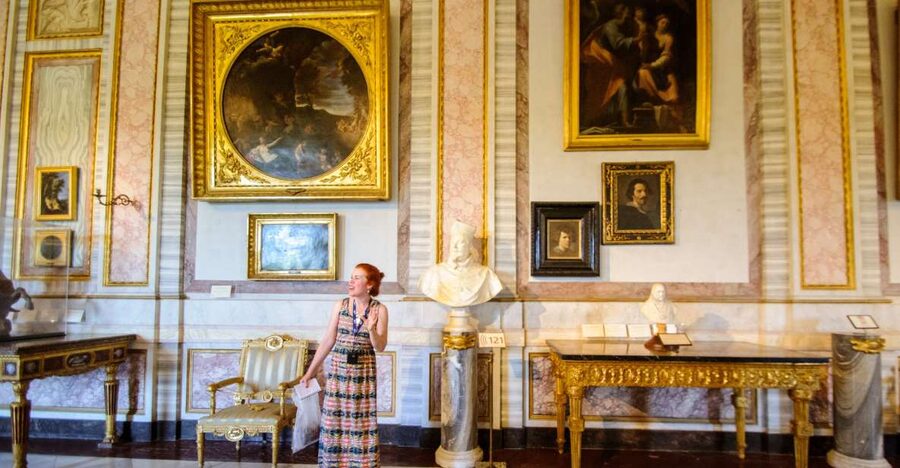
At $60 per person, this is not the cheapest way to see the Borghese Gallery. You are paying for the reserved entry, the English-speaking guide, the small group, the headsets, and the convenience of having someone select and explain the key works.
I think the price is fair if you are new to art museums or want more than a quick look. A self-guided visit can show you the same rooms, but it leaves you to supply the background and decide which details matter. At Borghese, the difference between simply seeing Bernini and understanding what you are seeing is substantial.
The value is also better for visitors with limited time in Rome. Instead of spending hours researching the collection beforehand, you get a focused route through the villa in about two and a half hours.
I would hesitate if you are a serious art student who wants to linger over every painting. The fixed pace may frustrate you, and the two-hour gallery visit cannot cover every detail. You might prefer independent admission if your main goal is quiet, extended viewing and you already understand the collection.
What the guide quality means for your visit
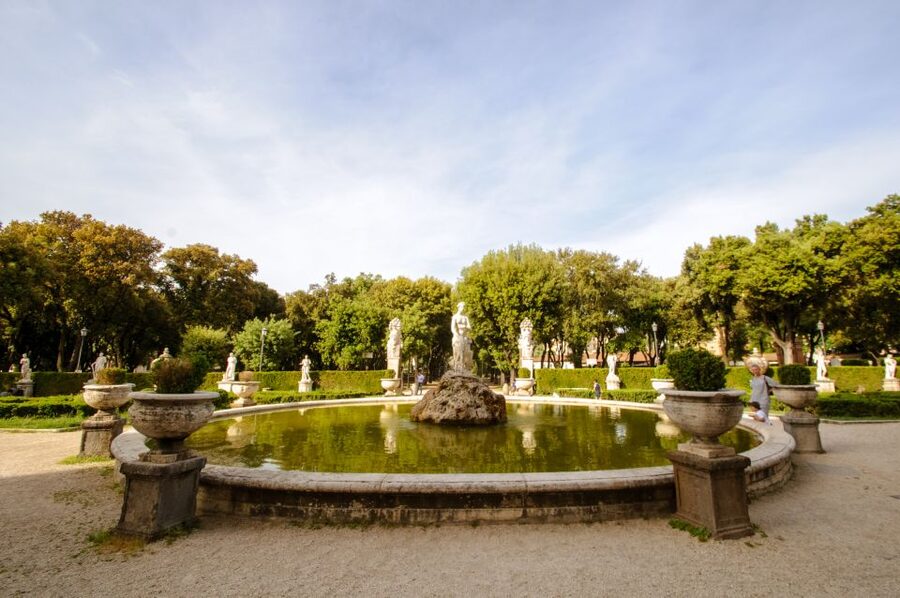
The guide is the biggest variable in any museum tour, and the feedback here is especially strong. Names repeatedly associated with excellent tours include Sal, Salvatore, Federica, Fabio, Silvia, Barbara, Alexandra, Elisa, Eddy, Flavia, and Eduardo.
That does not mean you can request a particular person or that every departure has the same guide. It does tell you what kind of service to expect: clear English, a strong command of art and Roman history, and a willingness to explain rather than recite labels.
Several guides have been praised for humor and for remembering people in the group. That matters during a museum visit because a warm, lively explanation keeps the subject from becoming a list of titles and dates. One family even found the tour held the attention of a teenager who was not initially excited about an art museum.
Still, a guide cannot change the basic conditions. You will be on your feet, mobile phones are prohibited, seating is limited, and the rooms may feel busy despite controlled entry. Comfortable shoes are a must.
Practical details that can make or break the morning
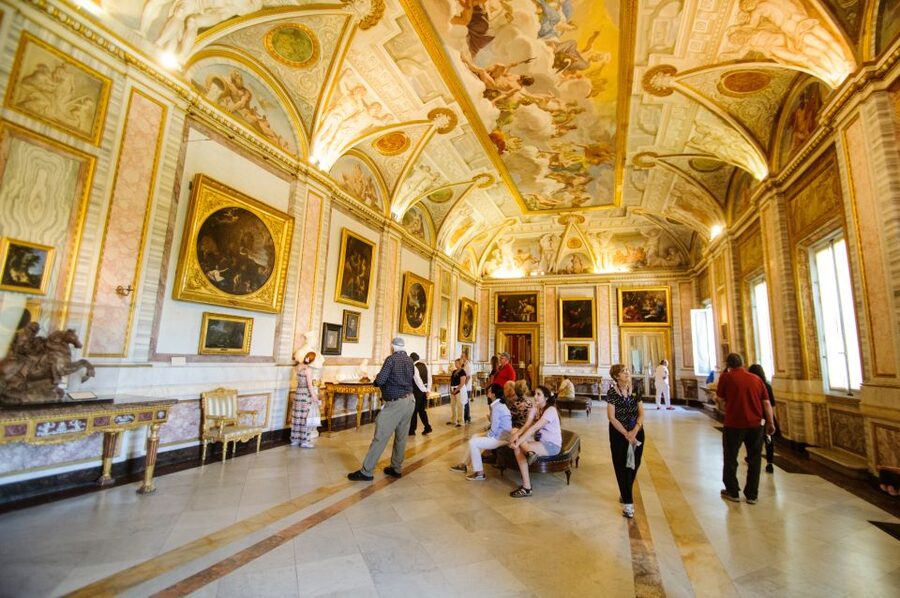
Meet at Piazzale del Museo Borghese, in front of the gallery. Give yourself time to locate the exact spot and identify the tour representative before the scheduled start.
Bring a passport or identity card. Leave luggage, large bags, ordinary bags, strollers, and baby carriages behind, since bags are not permitted in the Borghese Gallery. The tour cannot accommodate wheelchair users or people who require special assistance because of an impairment.
The activity is offered in English with a live guide. It lasts about two and a half hours, though the supplied schedule contains a confusing reference to a separate two-hour self-guided visit in addition to the two-hour guided gallery portion. Since that would exceed the stated duration, check the exact departure details when booking and ask the operator if the timing is unclear.
Cancellation is flexible up to 24 hours before departure for a full refund, and you can reserve without paying immediately. Those terms help if your Rome plans are still shifting, but they do not protect late arrivals. If you miss the departure, the ticket and tour cannot be refunded.
Who should book this Borghese tour?
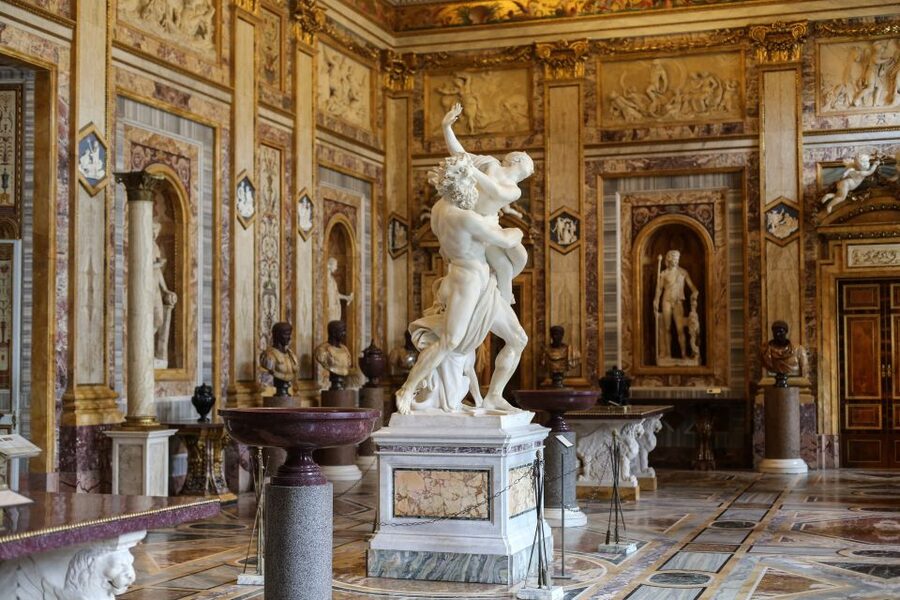
I would choose it for a first visit to the gallery, especially if you have only a few days in Rome. It suits anyone who wants the major works explained in plain English, families with older children, and people who enjoy art more when they understand the story behind it.
It is also a good match for visitors who dislike large museum groups. Fifteen people is a sensible middle ground between a private tour and a crowded procession.
I would think twice if you use a wheelchair, stroller, or baby carriage, since the activity cannot accommodate them. I would also skip it if you want to spend an entire day in the gardens or study each picture at your own pace.
Should you book it?
Yes, if Bernini, Caravaggio, Raphael, Canova, and Titian are high on your Rome list and you want help seeing more than the obvious. The gallery’s concentrated collection, reserved entry, and strong record of engaging guides make $60 a reasonable spend for a focused introduction.
Book with the right expectation: this is a guided highlight tour, not a slow private appointment. Arrive early, carry no bag, wear good shoes, and treat the gardens as a pleasant final chapter rather than the main event. For most first-time visitors, that is a smart way to meet the Borghese Gallery.
FAQ
How long does the Borghese Gallery and Gardens tour last?
The stated duration is 2.5 hours. The visit includes a guided gallery tour and a guided visit to the Borghese Gardens. The schedule also contains a separate two-hour self-guided reference, so confirm the exact timing for your chosen departure.
What is included in the $60 price?
The price includes entry to the Borghese Gallery, a guided gallery visit, an English-speaking expert guide, headsets, a small group capped at 15 people, and a visit to the Villa Borghese Gardens.
Where do I meet the guide?
Meet at Piazzale del Museo Borghese, in front of the Borghese Gallery.
Do I need to arrive early?
Yes. Arrive 15 minutes before departure. Late arrivals cannot be accommodated, and missed tours or tickets cannot be refunded.
Can I bring a bag or stroller?
No. Bags and large luggage are not allowed in the gallery, and the tour cannot accommodate strollers or baby carriages. Wheelchair users cannot join this activity.
Can I cancel the booking?
You can cancel up to 24 hours before departure for a full refund. The reserve-now, pay-later option is also available.
Fresh on the Rome list
- Exclusive Golf Tour Private VIP with Local & Gelato o Wine★ 5.0 · 500 reviews
- Colosseum, Palatine Hill and Roman Forum with Guided Tour★ 5.0 · 500 reviews
- Rome Trastevere Pasta Making Class with Eating Europe★ 5.0 · 505 reviews
- Rome by Night Walking Tour★ 4.5 · 506 reviews
- Rome: Colosseum Express Tour with Forum & Palatine Access★ 4.5 · 511 reviews
- Rome Food Experience Max 6 People Group Tour | w/Private Option★ 5.0 · 516 reviews
- Rome: Navona Square Underground Ticket with Audio Guide★ 4.0 · 518 reviews
- Rome: Escorted Papal Audience Experience with Entry Ticket★ 4.4 · 518 reviews
Museums, compared.
Vatican: Museums & Sistine Chapel Entrance Ticket
Read our review →
Vatican Museums & Sistine Chapel Tour with Optional Basilica
Read our review →
Vatican Museums, Sistine Chapel & St Peter’s Basilica Guided Tour
Read our review →
Skip-The-Line Uffizi Gallery Timed Entry Ticket
Read our review →
Vatican Museums, Sistine Chapel & Basilica Tour
Read our review →
Vatican Museums & Sistine Chapel Skip-the-Line Entry Ticket
Read our review →Vatican Museums, Sistine Chapel & Basilica Tour
Read our review →
Vatican Museums & Sistine Chapel Guided Tour
Read our review →Browse the lists this tour appears in