
Reviewed · SKIP-THE-LINE TICKETS
Milan: La Scala Theatre Skip-the-line Guided Tour
La Scala’s greatest surprise is how much life is packed into one hour. You move from the museum into one of the world’s best-known opera houses, hearing stories about Verdi, Toscanini, Maria Callas, and other artists who shaped Milan’s musical identity. The neoclassical auditorium and huge crystal chandelier are the visual payoff.
I like the fast entry, especially when time in Milan is tight. I also like the guides’ personal approach. Gianluca, Lara, Bea, and others have brought humor, local pride, and opera stories that make the building easier to understand, even if you know little about classical music.
The main catch is that the stage may be hidden during rehearsals, and there is no refund if you cannot see it. The theater can also feel crowded and slightly chaotic when several groups are present.
Key points to know before booking
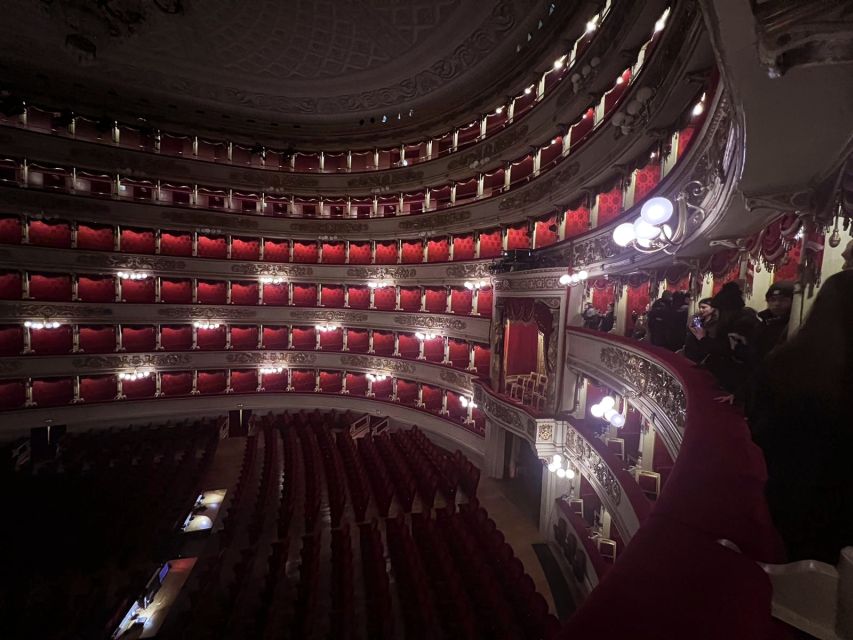
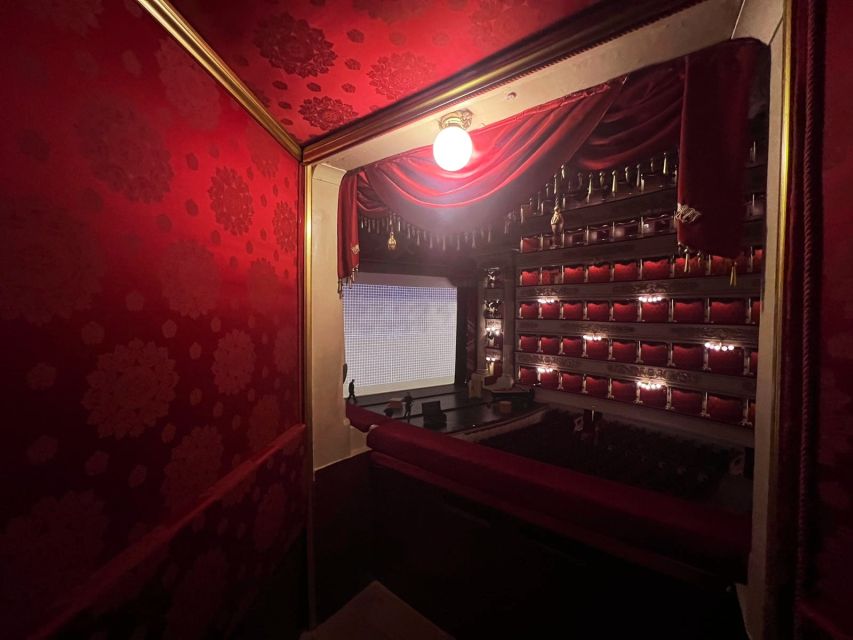
- The auditorium is the highlight: See La Scala’s neoclassical interior, velvet seating, ornate details, and crystal chandelier when access allows.
- A guide adds real value: The stories about singers, composers, and Milan give the museum displays a useful human context.
- The tour lasts one hour: It fits neatly into a morning or afternoon around the Duomo and central Milan.
- Skip-the-line entry saves time: Entrance and reservation fees are included, so you do not handle the regular ticket process yourself.
- Rehearsals can change the visit: The stage might not be visible, and no refund is issued for that limitation.
- It is not suited to mobility impairments: Consider this carefully before booking.
Why La Scala is worth an hour of your Milan day
Milan is often introduced through its cathedral, shopping arcades, and grand art museums. La Scala adds another side of the city: its long connection to opera, musicians, theater design, and public performance.
The theater opened in 1778. Since then, it has been linked with major names including Giuseppe Verdi, Arturo Toscanini, Daniel Barenboim, and Maria Callas. You are not simply looking at an old auditorium. You are visiting a place built around the work of performers, composers, conductors, costume designers, and musicians.
That distinction matters. On your own, you may admire the gold trim and chandelier, then walk through the museum without knowing why one costume or conductor’s baton matters. A live guide gives the objects a story. The best guides keep the pace moving and explain opera without assuming that you can tell a tenor from a baritone.
This is a short tour, not a full opera education. You will get an introduction to La Scala and its cultural importance, along with anecdotes about the people who worked here. If you want detailed musical analysis or a long look at every museum item, one hour may feel brief.
More Skip-the-Line Tickets in Milan
- Milan Duomo & The Last Supper Skip-the-Line Small Group Tour
★ 4.5 · 2,761 reviews - Historic Milan Tour with Skip-the-Line Last Supper Ticket
★ 4.5 · 1,976 reviews - Milan Super Saver: Skip-the-Line Duomo and Rooftop Guided Tour
★ 4.5 · 1,501 reviews
Meeting the guide at Largo Antonio Ghiringhelli
The meeting point is Largo Antonio Ghiringhelli, 1, in front of the ticket office at the Teatro alla Scala Museum. Look for a guide holding a sign with the tour name and the Wander in Italy logo.
This is a useful arrangement because the meeting point is tied directly to the museum entrance, rather than a vague corner somewhere in central Milan. Still, arrive with enough time to identify the sign and settle in. La Scala sits in a busy part of the city, and a few minutes spent checking the exact ticket office is better than arriving flustered.
The activity includes the entrance and reservation fees. You do not need to buy a separate museum ticket for this tour. Food, drinks, hotel pickup, and drop-off are not included, but none of those omissions should surprise you for a one-hour visit in central Milan.
Entering the museum before the theater
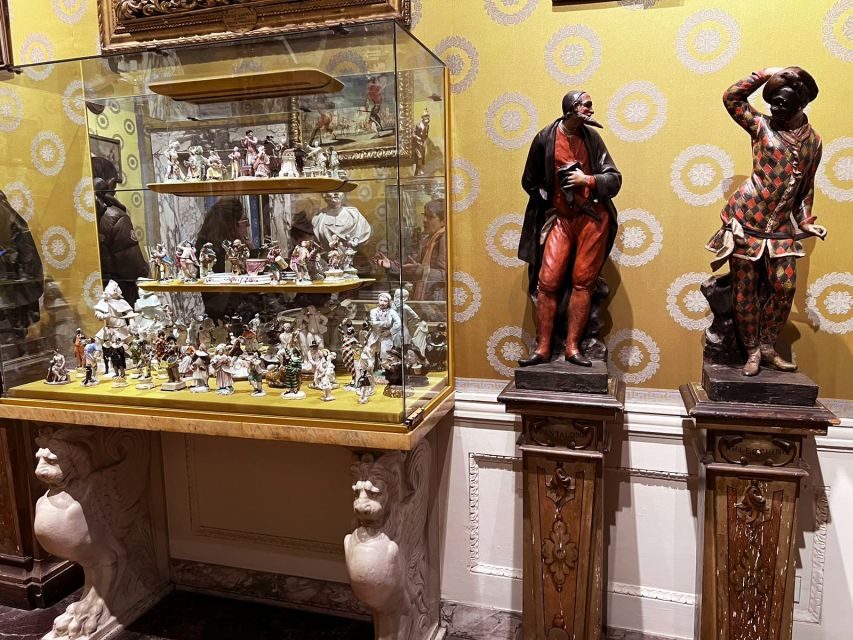
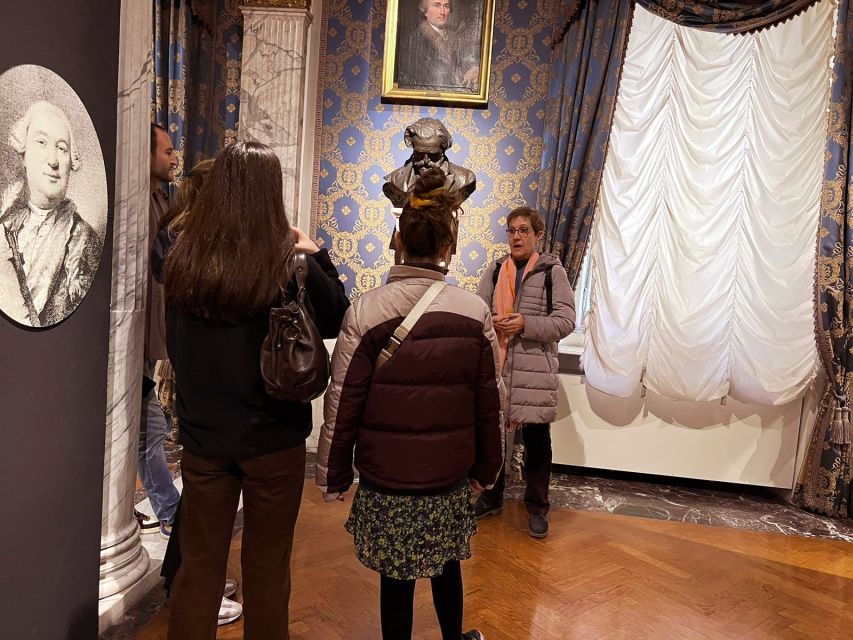
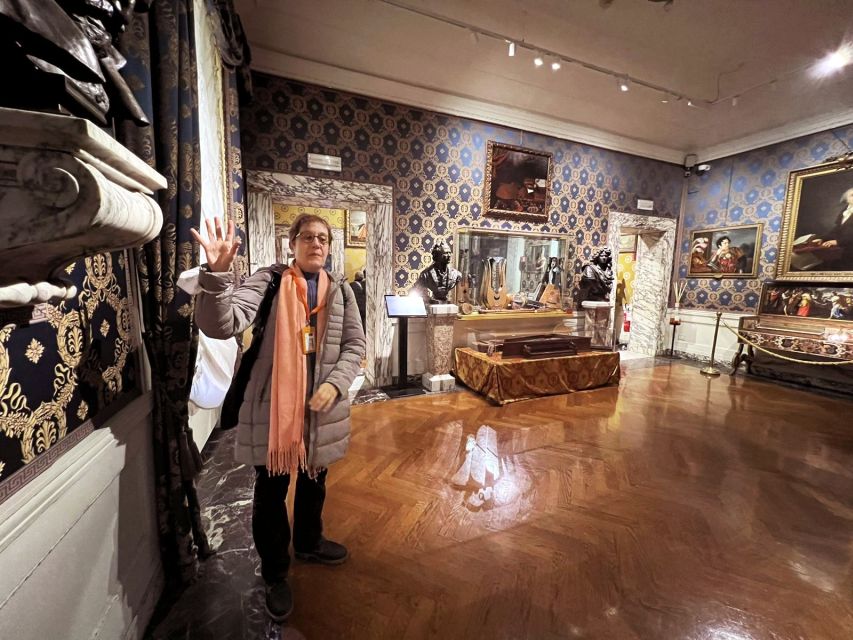
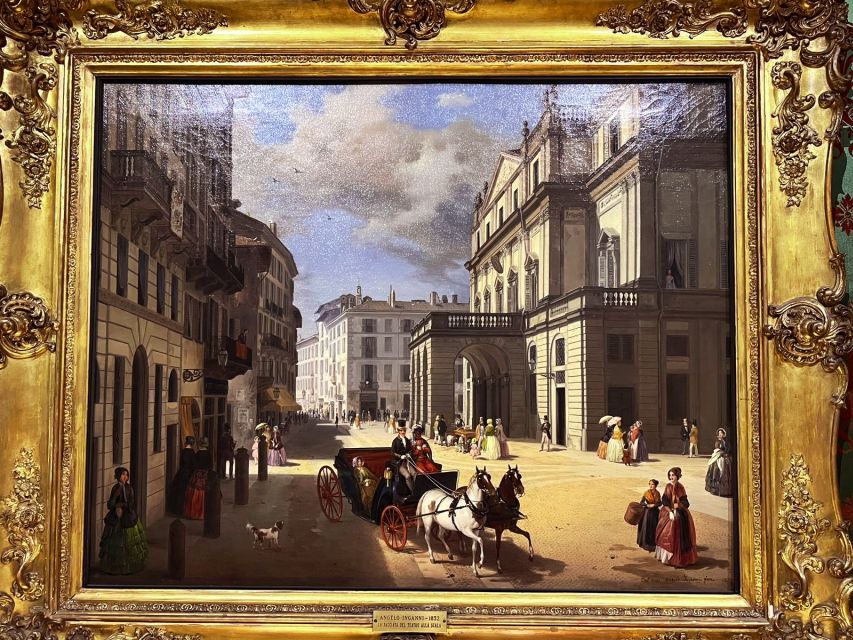
The museum is part of the experience, not just a waiting area. Its collection includes set designs, costumes, musical instruments, portraits, and other material connected with opera and the theater.
This is where a guide can make a major difference. Displays devoted to singers and composers can blur together if you do not know the names. A good explanation gives you a reason to stop. Lara, for example, was praised for making the museum’s Maria Callas material especially engaging. Another guide may focus more on composers, conductors, or behind-the-scenes theater work.
You might see objects connected with the working life of opera rather than only grand decorative pieces. Costumes show how characters are presented on stage. Instruments remind you that La Scala is also a working music institution. Stage designs offer a glimpse of how productions create a visual world around the singers.
The museum has enough material to interest people who are not committed opera fans. At the same time, one past visitor found the museum less appealing than the theater itself. That is a fair warning. If you mainly want the auditorium, the museum section may feel like the slower part of the tour.
Seeing the neoclassical auditorium
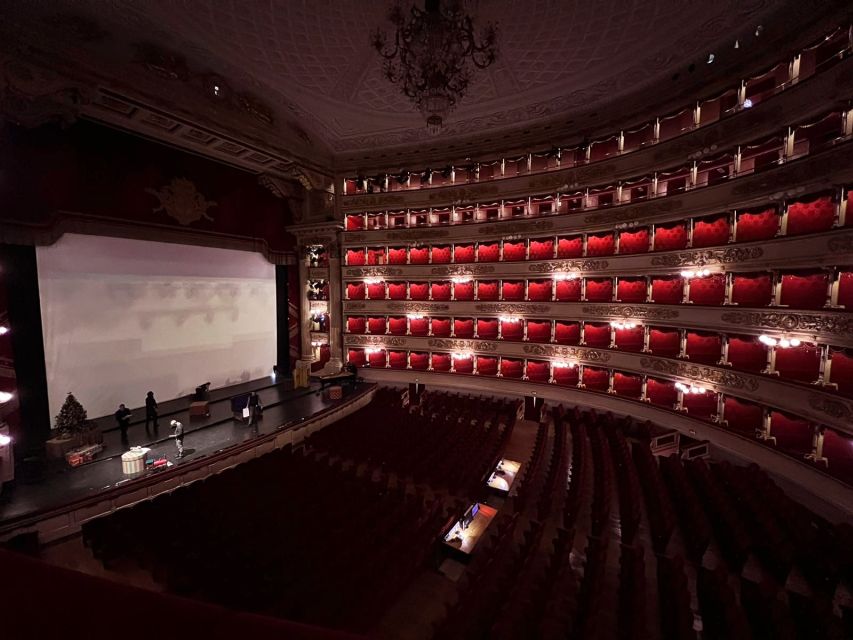
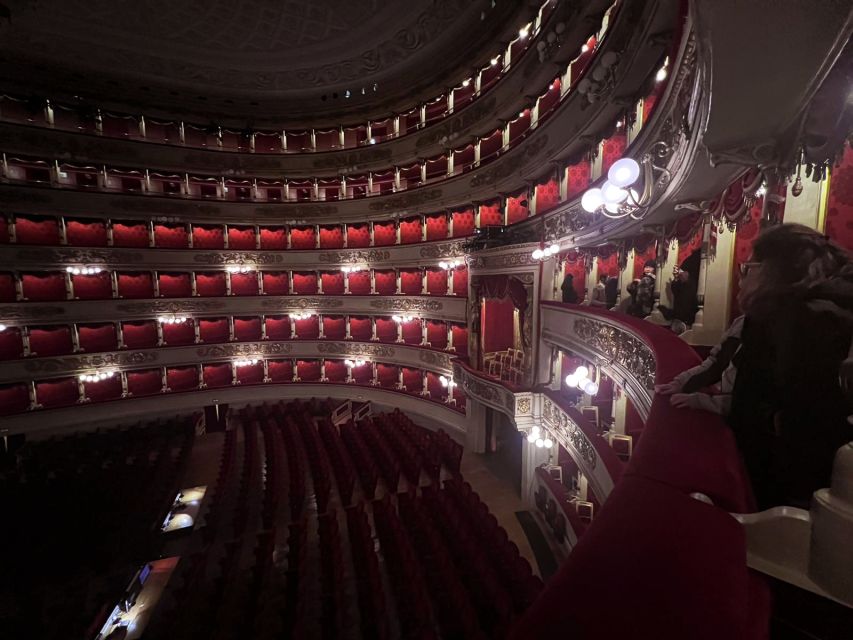
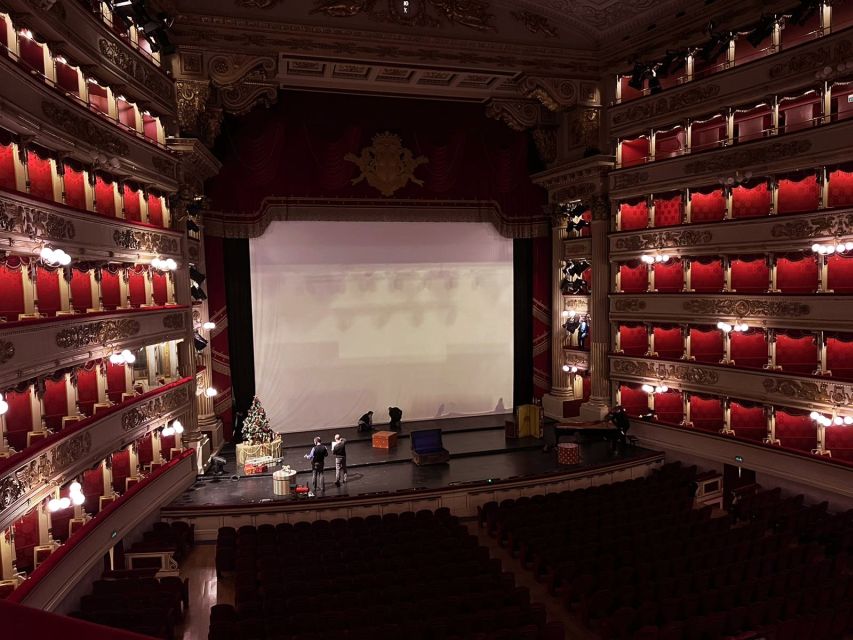
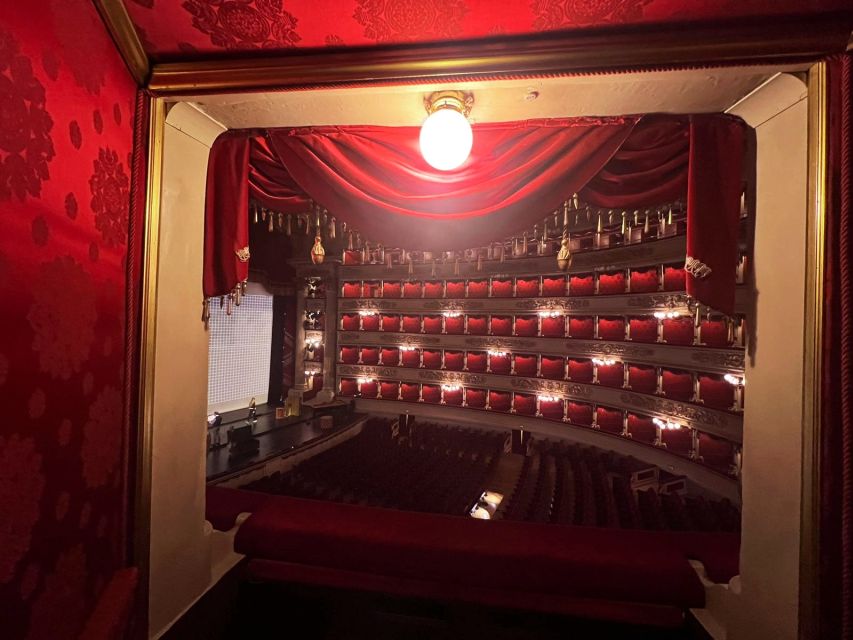
The theater hall is the moment most people are waiting for. La Scala’s interior is neoclassical, with rows of boxes, decorative details, and the famous crystal chandelier. The room conveys the social side of opera as well as the music. It was designed for watching and being seen.
Your viewing position and the amount of time available can depend on theater operations. The stage may be closed during rehearsals, and staff may be moving equipment or preparing the building. Several groups can also be in the auditorium at once, which can make the visit feel less calm than the elegant room suggests.
That does not make the theater uninteresting. It simply means you should not picture a completely empty hall waiting just for your group. One small group of four had an unusually personal visit, while another group found the building busy and somewhat disorganized. Group size can vary, so the atmosphere is not fully predictable.
When the stage is visible, it gives the room its proper scale. You can better understand how the auditorium works as a performance space, not merely as a handsome historic interior. But the booking terms are clear: rehearsals can block the view, and that circumstance does not qualify for a refund.
The chandelier is another small but memorable detail. It draws the eye upward and helps explain why the theater remains such a strong visual stop even for people who do not attend opera.
Same city, an entirely different afternoon:
- Milan: Cathedral and Duomo’s Terraces Entrance Ticket
★ 4.6 · 61,054 reviews - Milan: Da Vinci’s Last Supper Guided Tour
★ 4.7 · 10,143 reviews - Milan: City Sightseeing Hop-On Hop-Off Bus with Audio Guide
★ 4.0 · 6,256 reviews - Milan Cathedral: Duomo Terraces Ticket (No Church Access)
★ 4.6 · 6,111 reviews
Stories from Verdi to Callas
The strongest part of this tour is usually the narration. Guides have been praised for their enthusiasm, humor, and clear English. Gianluca was singled out for his passion for Milan, the arts, music, and La Scala. Other guides, including Maria and Lara, were praised for keeping the visit lively and personal.
That matters because the subject can seem formal at first. Names, dates, and opera titles are not enough to hold your attention. Stories about singers, composers, conductors, and the quirks of theater life give the visit a human scale.
The tour does not require advanced knowledge of opera. Guides explain the setting in accessible language and invite questions along the way. If you already know the major composers, you may want more detail about individual productions and operas. One visitor specifically wanted more discussion of the operas themselves. You can ask questions, but remember that the tour must cover both the museum and theater in about an hour.
The language options are English and French. Headsets are provided when the group has more than five people. That is useful in a large room, where a soft-spoken guide can otherwise be difficult to hear.
What the one-hour schedule feels like
The tour begins at the Teatro alla Scala Museum and returns there after the guided visit. There is no transportation between stops. The entire experience takes place inside the La Scala complex.
A one-hour format works well if you are building a day around central Milan. You can place it near a visit to the Duomo, Galleria Vittorio Emanuele II, or nearby streets, though the tour itself does not include any of those sights. The short length also helps if you are traveling with family members who are curious but not ready for a half-day museum visit.
The pace is likely to be steady. You will hear the guide, look at museum pieces, and enter the theater if the building schedule permits. This is not the right choice if you want to sit quietly for a long time or take extensive photographs of every display.
The rain does not cancel the activity. Since the tour takes place at La Scala, poor weather is less of a concern than rehearsal schedules and crowd levels.
Is $44 a fair price?
At $44 per person, the tour costs more than simply wandering around a building on your own, but the comparison is not quite equal. The price includes admission, reservation fees, skip-the-line access, and a live English or French guide.
For me, the value depends on how much context you want. If you are content to look at the theater and museum without explanations, the guided fee may feel unnecessary. If you want the building to mean something, the cost is easier to justify. The guide connects the portraits, costumes, instruments, and auditorium to the people who made La Scala important.
The time savings also have value. Milan rewards efficient planning, and skipping the ticket line helps you protect the rest of your day. The experience earns its price best when you are interested in architecture, music, or cultural history and want a focused introduction rather than a long museum session.
It is also a reasonable choice for first-time opera visitors. You do not need to buy a performance ticket or understand the conventions of opera before arriving. You get a look at the institution and a basic sense of why La Scala matters.
The drawbacks you should take seriously
The stage-view warning is the biggest issue. Rehearsals may close parts of the theater, and you are not entitled to a refund if the stage cannot be seen. If the auditorium is the only reason you want to go, this uncertainty should influence your decision.
Crowds are another factor. Some visits feel nearly private, while others take place alongside several groups and staff moving equipment. The guide can still provide a good experience, but the setting may not always be quiet or orderly.
The museum may also appeal more to some people than others. Opera fans can spend time with costumes, instruments, and Callas material. If you prefer architecture and performance spaces, you may find the museum less exciting.
Finally, the activity is listed as unsuitable for people with mobility impairments. The available information does not give detailed accessibility arrangements, so you should not assume that the route will meet your needs.
Who should book this La Scala tour?
I would choose this tour for a first visit to Milan, especially if you want an easy introduction to opera without committing to a performance. It suits people who enjoy architecture, music, theater, famous artists, and short cultural visits with a clear start and finish.
It is also a good fit for couples and small groups. A small group can make the tour feel personal, while the headsets help larger groups follow the guide.
You should think twice if you dislike guided visits, want complete freedom in the museum, or need guaranteed access to the stage. Opera specialists may also prefer a longer, more technical visit focused on particular productions.
Booking remains flexible because you can reserve now and pay later, and cancellation is free up to 24 hours before the start time. Check the available departure times before you commit, since the tour lasts one hour and the theater schedule can affect what you see.
Final call: book it for context, not just a glimpse
Book this La Scala tour if you want the famous auditorium plus the stories that make it matter. The best part is not simply entering a beautiful room. It is hearing how Verdi, Toscanini, Callas, Barenboim, and generations of performers shaped Milan’s musical identity.
The guides are the key strength. Their humor and passion can turn a formal museum visit into a lively hour. Just keep your expectations realistic: rehearsal activity may block the stage, crowds can vary, and the museum will appeal more strongly to some people than others.
For $44, it is a sensible short cultural experience when you value explanation, quick entry, and a well-known Milan landmark. If you need guaranteed stage access, confirm that risk before booking.
FAQ
Where does the La Scala tour meet?
Meet at Largo Antonio Ghiringhelli, 1, in front of the Teatro alla Scala Museum ticket office. The guide will hold a sign with the tour name and the Wander in Italy logo.
How long does the tour last?
The guided visit lasts one hour.
What language is the tour offered in?
The live guide is available in English or French.
Is admission to La Scala included?
Yes. Entrance and reservation fees are included in the tour price.
Does the tour skip the ticket line?
Yes. Skip-the-line access is included.
Are headsets provided?
Headsets are provided when there are more than five people in the group.
Can I see the La Scala stage?
You might see the stage, but rehearsals can make it unavailable. No refund is issued if the stage cannot be viewed.
Does the tour include the La Scala Museum?
Yes. The route starts at the museum and includes its collection of costumes, set designs, musical instruments, and other opera-related material.
Is the tour suitable for people with mobility impairments?
The activity is listed as unsuitable for people with mobility impairments.
What happens if it rains?
The tour takes place rain or shine. Since the experience is at La Scala, weather does not cancel the visit.
Are hotel pickup and food included?
No. Food, drinks, pickup, and drop-off are not included.
Can I cancel the booking?
You can cancel up to 24 hours in advance for a full refund. You can also reserve now and pay later.
Fresh on the Milan list
- Milan: Last Supper and Sforza Castle Guided Tour★ 4.6 · 498 reviews
- Milan: San Sepolcro Crypt Skip-the-Line Entry Ticket★ 4.2 · 512 reviews
- Milan: Sunset Navigli Food & Drinks Tour by Do Eat Better★ 4.5 · 517 reviews
- Milan Duomo Cathedral and Rooftop Terrace Guided Tour★ 4.8 · 531 reviews
- Small-Group Lake Como – Bellagio, Varenna & Hidden Waterfall★ 5.0 · 541 reviews
- Milan: Leonardo’s Last Supper and Michelangelo’s Pietà Tour★ 4.6 · 559 reviews
- From Milan: Cinque Terre Guided Full-Day Trip With Cruise★ 4.0 · 559 reviews
- Milan: Skip-the-Line Guided Walk and “The Last Supper”★ 4.5 · 606 reviews
Skip-the-Line Tickets, compared.
Skip-The-Line Uffizi Gallery Timed Entry Ticket
Read our review →
Vatican Museums & Sistine Chapel Skip-the-Line Entry Ticket
Read our review →
Skip-the-Line Group Tour of the Vatican, Sistine Chapel & St. Peter’s Basilica
Read our review →
Michelangelo’s David Skip-the-Line Entry Ticket
Read our review →
Vatican Museums & Sistine Chapel Skip-The-Line Ticket
Read our review →
Vatican, Sistine Chapel & St. Peter’s Skip-the-Line Tour
Read our review →
Skip-the-Line Vatican, Sistine Chapel & St. Peter’s | Small Group
Read our review →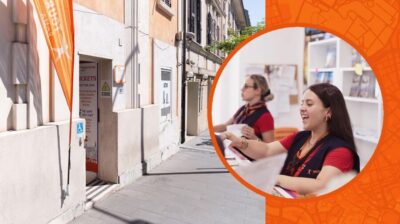
Vatican: Vatican Museums Sistine Chapel Skip-the-Line Ticket
Read our review →Browse the lists this tour appears in