
Reviewed · CATANIA TOURS
Benedictine Monastery of Catania – English Guided Tour
Catania’s Benedictine Monastery is not simply an old religious building. It is a vast working university complex, where Roman remains sit beneath modern study spaces and lava forms part of the cellar walls. The 75-minute English tour gives you access to rooms and corridors that would be hard to understand, and in some cases impossible to enter, on your own.
I like two things right away: the tour explains how the monastery changed over roughly 2,000 years, and it makes the building’s scale easy to grasp. I also like the price, about $11 per person, which is modest for a guided visit to one of Europe’s largest monastic complexes. The one drawback is that 75 minutes goes quickly, and access to every possible area, including a viewing platform, may depend on the tour time.
Key points to know before you go
- Roman houses beneath a modern library: Ancient remains appear directly under a contemporary mezzanine used by university students.
- A monastery that is now part of a university: The building still feels grand, but daily life here has shifted from monks to students and staff.
- Lava in the cellar: The lower level gives you a clear sense of Catania’s volcanic setting without leaving the building.
- The 18th-century kitchens: These rooms help show the size, wealth, and practical demands of the Benedictine community.
- Guides who add humor and local detail: Carmen, Giovanni, Nicola, and other English-speaking guides are praised for clear explanations and lively storytelling.
- A strong value at $11: The tour includes areas not normally open to the public, luggage storage, and skip-the-line access.
Entering the monastery on Piazza Dante
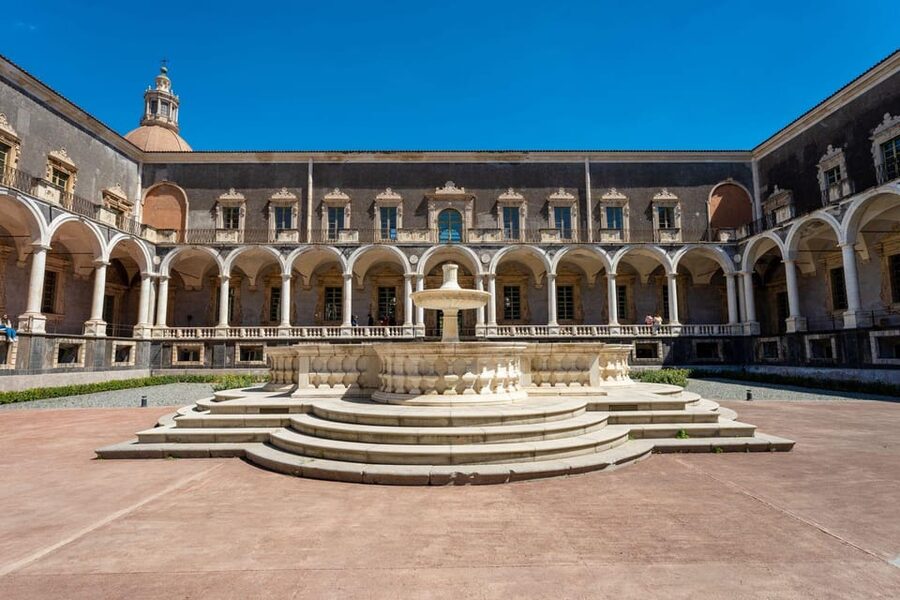
Your visit begins at the Benedictine Monastery of San Nicolò l’Arena on Piazza Dante. Pass through the main gate and look for the information point in the courtyard on the right. This is also the place for baggage storage, a handy touch if you are carrying bags between transport connections or have already checked out of your lodging.
The first surprise is the sheer size of the complex. This is not a small, quiet cloister tucked behind a church. The monastery grew into an enormous institution, and its late baroque architecture reflects the power and wealth of the Benedictine order. The broad spaces, monumental stairs, courtyards, and long passages make more sense once a guide explains how the site developed.
You skip the ticket line, then spend the tour moving through selected areas with a live English-speaking guide. The route returns to the same monastery entrance, so you do not need to arrange a separate pickup or find your way across town at the end.
A few other Catania mornings to weigh against this
- Mount Etna: Guided Volcano Summit Hiking Tour with Cable Car
★ 4.7 · 3,784 reviews - Etna Volcano: South Side Guided Summit Hike
★ 4.7 · 1,545 reviews - Catania: Mount Etna Adventurous Tour with a Volcano Guide
★ 4.7 · 736 reviews
Two cloisters, two different moods
The two cloisters are among the most useful places to begin because they show the monastery’s design as well as its daily rhythm. Cloisters were not just decorative courtyards. They linked important parts of the complex and gave the religious community open air, light, and a place for quiet movement.
Here, I would pay attention to proportions and details rather than expecting a single grand view. The beauty comes from the relationship between the courtyards, surrounding walls, arches, and connecting corridors. Your guide helps explain how these spaces fitted into monastic life and how the building later adapted to university use.
That present-day role gives the visit an unusual edge. You are not walking through a frozen monument with every room arranged as it once was. Students use parts of the complex, including library spaces, so the monastery’s story continues in a practical way. You may see modern study areas set against centuries-old architecture, a contrast that gives the building more meaning than a standard museum display.
Roman houses beneath the university library
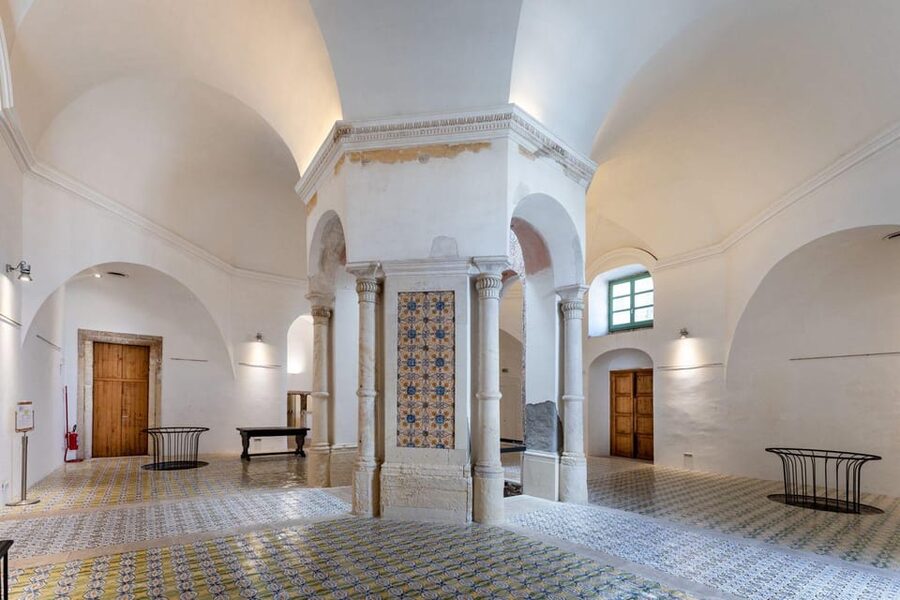
The Roman House is one of the tour’s strongest stops. It is visible beneath a modern mezzanine used by students as part of the Department of Humanities library. Ancient walls and archaeological remains sit directly below a space designed for contemporary academic work.
That layering is the key to understanding Catania. The city was not built once and then preserved untouched. It was repeatedly altered, rebuilt, and adapted. A Roman structure, a monastery, and a modern university can occupy the same footprint, each period leaving something behind.
I find this more rewarding than a room filled only with labels. You see the physical evidence of different eras in one place, while the guide explains how the pieces relate. Several guides, including Giovanni and Nicola, are praised for connecting the monastery’s past with the wider story of Catania. Their explanations also include local anecdotes, which keep the archaeology from becoming a dry list of dates.
The lower and archaeological areas can also provide a cooler break during hot weather. Still, watch your footing and listen closely as the group moves between old masonry, modern platforms, and working university spaces.
The novices’ garden and monastic routine
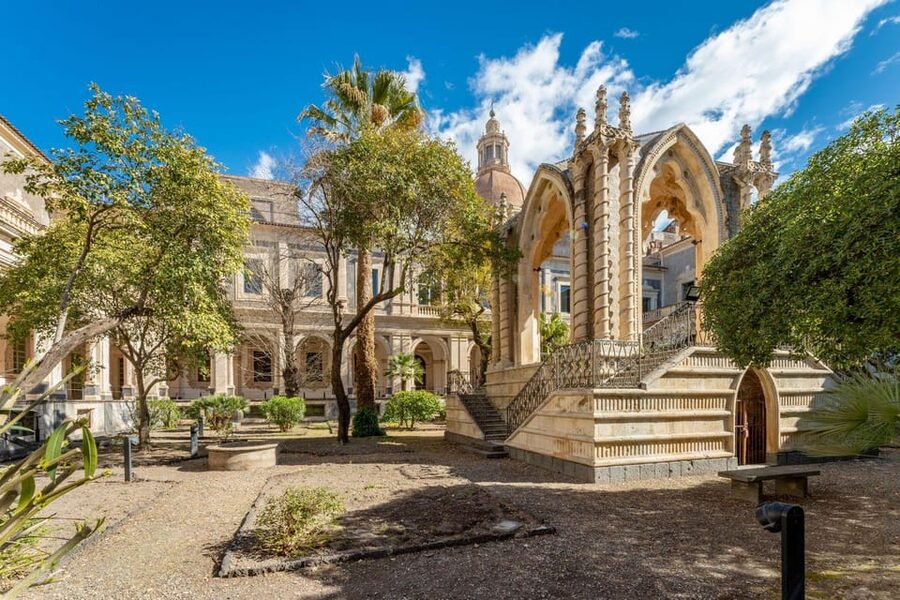
The Garden of the Novices offers a quieter view of life inside the institution. Its name points to the young men who were preparing for religious life, and the space helps you picture a community organized around discipline, study, prayer, and work.
This stop matters because the monastery can otherwise seem like a grand architectural shell. The garden brings the focus back to the people who lived here. Your guide may explain how different groups within the monastery used separate areas and how the layout supported a highly structured way of life.
The pace is generally relaxed, with time to look around rather than a constant rush from one doorway to the next. That works well for anyone who wants to notice the building’s details. It also means the tour is not only about taking photographs. You have a chance to listen, ask questions, and connect the rooms to the people who once used them.
Same city, an entirely different afternoon:
- Catania: Mount Etna Morning or Sunset Day Trip with Tasting
★ 4.8 · 4,028 reviews - Catania: Sunset Jeep Tour of Mount Etna and Lava Flow Caves
★ 4.8 · 2,113 reviews - Mount Etna: Trek to 3000m with cable car and jeep
★ 4.7 · 1,978 reviews - Mount Etna: Summit Crater Trek with Cable Car
★ 4.8 · 1,875 reviews
The famous kitchens and enormous cellars
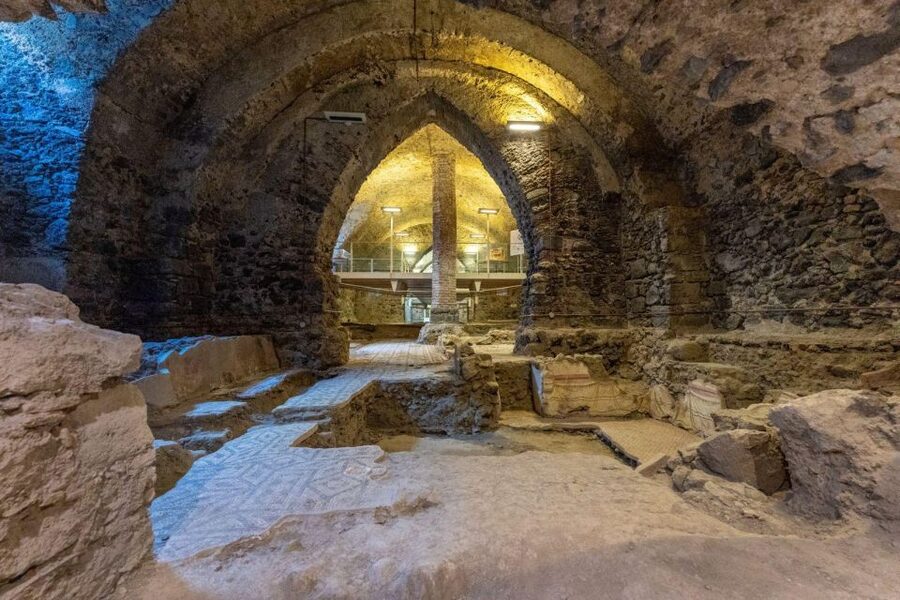
The 18th-century kitchens are a highlight for anyone curious about ordinary life behind impressive walls. Grand monasteries needed food, storage, staff, and systems to serve a large resident community. These rooms make the scale of that operation easier to imagine.
Look for the practical side of the architecture. The kitchens are not merely pretty baroque interiors. They show how the Benedictines supported a sizable institution and how wealth could be expressed through both ceremonial rooms and functional spaces.
The cellars add another layer. Parts of the lower level were built on lava, a reminder that Catania’s volcanic ground is not just a distant feature on the horizon. Here, geology becomes part of the building itself. You can see how construction and natural material meet below the more polished upper rooms.
The cellar and underground areas are also among the most memorable sections for many people because they feel less expected. The monastery’s grand rooms are impressive, but the lower levels reveal its foundations, storage needs, and long process of change. If you have limited time in Catania, this contrast is a good reason to choose the guided visit instead of simply viewing the exterior.
Vaccarini, the staircase, and late baroque display
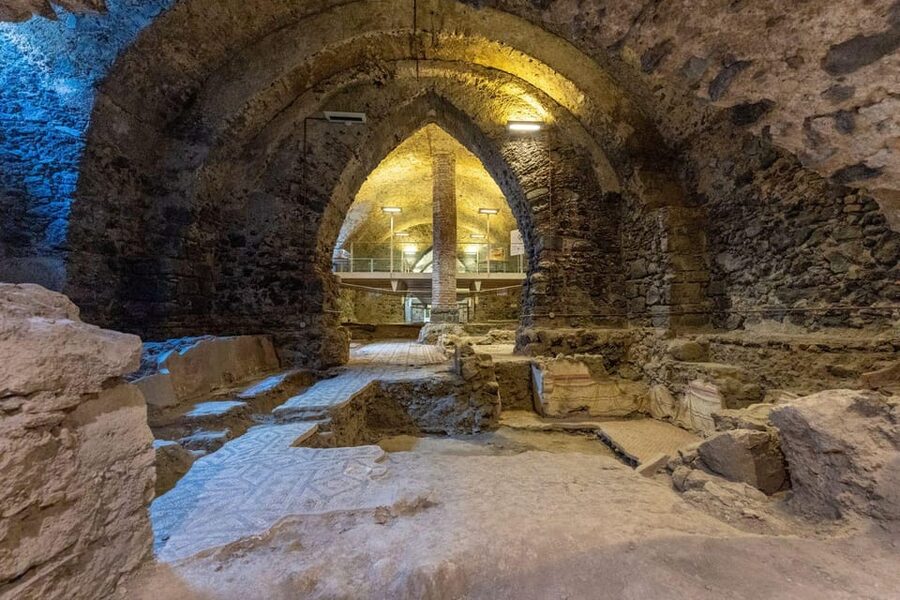
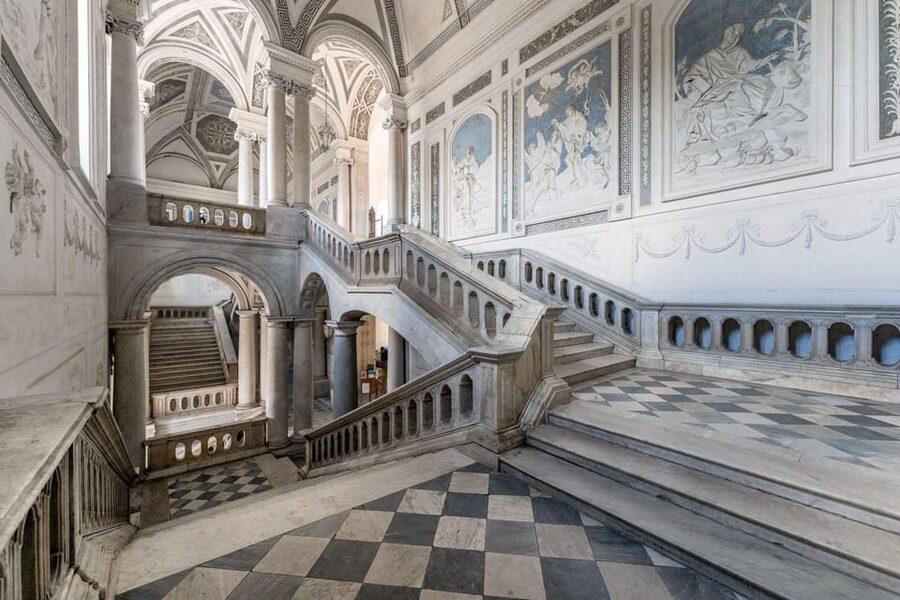
The tour also points out work by the architect Vaccarini and the monumental staircase. These features help explain why the monastery is regarded as an important example of Sicilian late baroque architecture.
The staircase is not just a route between floors. It turns movement into spectacle, using scale and design to make the visitor feel the authority of the institution. Your guide can show how architectural choices reflected the Benedictines’ status and resources.
I recommend taking a moment here to look upward and across the space rather than only toward the next stop. The effect depends on height, width, symmetry, and the way the staircase connects different parts of the complex. A guide is useful because the meaning is not always obvious from the stonework alone.
The architecture may appeal most to people who enjoy churches and palaces, but you do not need a specialist background. The English explanations are designed for a general audience, and the strongest guides add humor without turning the visit into a performance. Carmen is repeatedly praised for clear, well-paced delivery, while Giovanni and Nicola are noted for lively stories and an easy way with questions.
Thirty years of restoration and a modern purpose
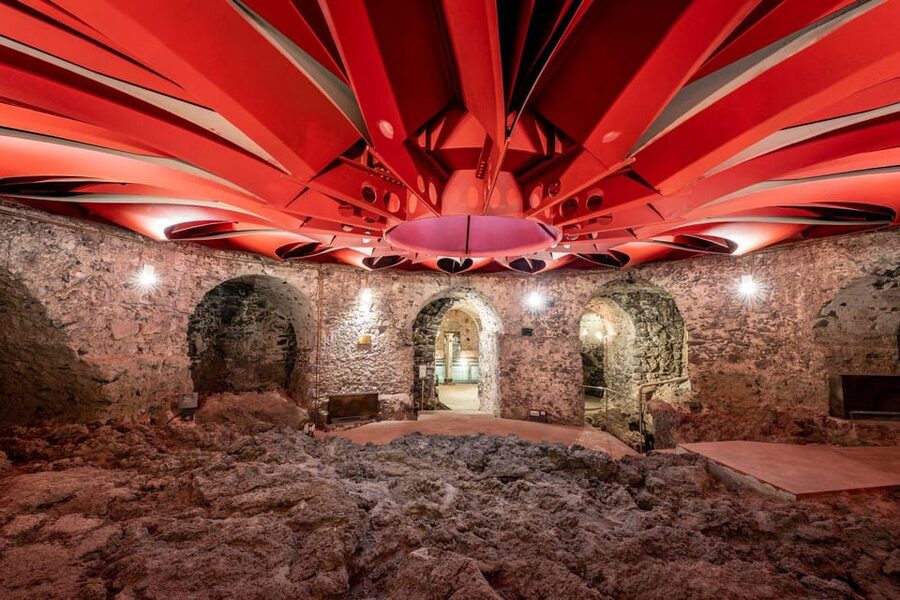
One of the most valuable parts of the tour is learning about the restoration process, which lasted more than 30 years. That long timescale changes how you view the building. Restoration is not a quick cleaning job. It involves deciding what to preserve, how to make old spaces usable, and how to respect several periods of construction at once.
Architect Giancarlo De Carlo led the contemporary refurbishment project that helped bring the complex into its present university role. The result is a direct conversation between old and new. Modern additions do not try to pretend that the monastery is still operating exactly as it did centuries ago. Instead, they make the historic building useful for current academic life.
That balance is a major reason to take the tour. Without an explanation, a modern mezzanine or study area might seem out of place. With context, you can see it as part of the building’s continuing story. The monastery has not only been preserved as a relic. It has been given another purpose.
What the English tour is like
The tour lasts 75 minutes, a good length for fitting into a day of sightseeing without taking over your schedule. It is long enough to cover the main spaces but short enough for a family, a first visit to Catania, or a stop between other plans.
English is the tour language. If English is not your first language, written translations in French or Spanish can be provided. That is useful for visitors who understand spoken English but want help with names, dates, or architectural terms.
The strongest feature is the guiding. The supplied feedback repeatedly praises clear English, good pacing, humor, and patient answers. Carmen is described as especially strong at explaining material in a lively way. Giovanni is praised for connecting centuries of history with funny anecdotes, and Nicola for making the rooms and stories engaging. Individual guides can vary, but the consistent point is that this is a place where a good guide adds real value.
One practical note: a viewing platform was not available on at least one tour, and access may depend on the time or route. If that viewpoint matters to you, ask about it before booking or at the meeting point. Do not assume every departure covers every part of the complex.
Is $11 a good value?
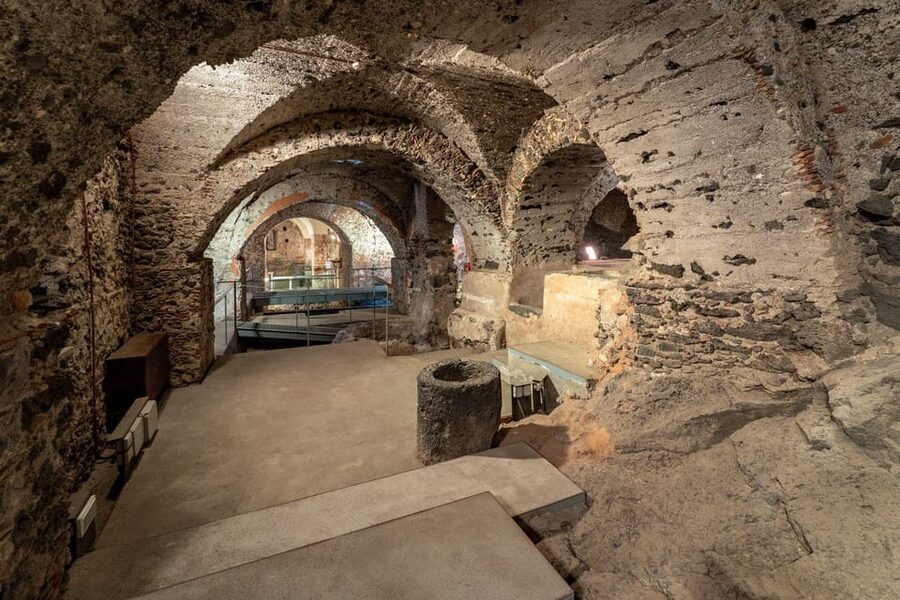
At around $11, this is one of Catania’s easier sightseeing decisions. The fee covers entry, a live guide, access to areas that are not normally open, and luggage storage at the meeting point. You are paying for interpretation as much as for admission.
The monastery’s size and layered history make it difficult to appreciate through a quick self-guided walk. You could admire the courtyards and baroque details alone, but you might miss why the Roman House is under a university library, how the lava relates to the cellar, and what the restoration changed.
The value is strongest for first-time visitors and anyone with only a short stay in Catania. At the same time, the tour is not designed for a slow, private study of every architectural detail. If you want to photograph each room at length or read every display, 75 minutes may feel brief.
Who should book this experience?
I would choose this tour if you like architecture, archaeology, religious history, or buildings that still serve a modern purpose. It is also a smart choice if you want a compact introduction to Catania rather than another standard church visit.
Families can benefit from the underground areas, Roman remains, kitchens, and stories about daily life. Those details give younger visitors more to notice than a long succession of formal rooms. The guide’s humor also helps keep the history moving.
People with mobility concerns should note that the activity is listed as wheelchair accessible. Since the complex includes old structures, stairs, underground areas, and contemporary additions, it is sensible to confirm the exact route if you need particular access arrangements.
I would be less likely to recommend it to someone who dislikes guided visits or wants complete freedom to wander. The route and timing are set, and the group moves through working university spaces. For most people, though, the structure is a benefit because the monastery is so large and maze-like.
Small practical details that improve the visit
Arrive at the main gate on Piazza Dante and go to the information point in the right-hand courtyard. Allow enough time to find it without hurrying, especially if you are carrying luggage.
The activity offers free cancellation up to 24 hours before the start and allows you to reserve now while paying later. Availability depends on the chosen starting time, so check the schedule before building the rest of your day around it.
You can also skip the ticket line. The tour returns to the monastery, making it simple to continue exploring central Catania afterward. A small shop on site sells souvenirs, including designs that have been singled out as particularly appealing.
Should you book the Benedictine Monastery tour?
Yes, if you want to understand what you are seeing rather than simply glance at another ornate Sicilian building. The combination of Roman remains, two cloisters, the novices’ garden, baroque kitchens, lava-built cellars, Vaccarini’s architecture, and a modern university is unusual.
At $11, the guide is the main reason to book. Carmen, Giovanni, and Nicola are among the guides praised for clear English, humor, local stories, and patient answers. Just keep your expectations in check: the visit lasts 75 minutes, and a viewing platform or other sections may not be included at every time.
For a short, affordable, genuinely informative stop in Catania, I would put this near the top of my list.
FAQ
Where does the Benedictine Monastery tour start?
It starts at the Benedictine Monastery of San Nicolò l’Arena on Piazza Dante. After passing through the main gate, find the information point in the courtyard on the right.
How long does the guided visit last?
The tour lasts 75 minutes.
What language is the tour conducted in?
The live tour guide speaks English. Written translations in French or Spanish can be provided if English is not your main language.
What does the $11 price include?
The price includes access to the monastery, a guide, areas that are not normally accessible, and baggage storage at the meeting point.
Can I skip the ticket line?
Yes. Skip-the-line access is included.
Is the monastery wheelchair accessible?
The activity is listed as wheelchair accessible.
What areas will I see inside the monastery?
The route includes the two cloisters, the 16th-century cellar now used as a university library, the Roman House, the Garden of the Novices, the 18th-century kitchens and cellars, Vaccarini’s work, and the monumental staircase.
Is the monastery still used today?
Yes. The complex is now connected with the University of Catania, and modern library and study areas are used by students.
Can I store my luggage during the tour?
Yes. Baggage storage is available at the meeting point.
Can I cancel the booking?
You can cancel up to 24 hours in advance for a full refund. You can also reserve now and pay later to keep your plans flexible.
Fresh on the Catania list
- From Catania: Etna tour by Panoramic Bus★ 4.2 · 197 reviews
- Catania: Pistachio Ravioli, Pasta Home Cooking Class w/ Wine★ 4.7 · 204 reviews
- Catania: Gulf Scuba Diving Tour with Marine Biologist★ 4.9 · 212 reviews
- From Catania: Mount Etna Half-Day Tour and Wine Experience★ 4.5 · 214 reviews
- Etna: Craters of the 2002 Eruption Trekking Experience★ 4.8 · 218 reviews
- Catania: Sail Tour of Cyclops Coast with Sicilian Aperitif★ 4.6 · 221 reviews
- From Catania: Neapolis of Syracuse, Ortygia, and Noto Tour★ 4.7 · 234 reviews
- Mount Etna: Return Funivia dell’Etna Cable Car Ticket★ 4.0 · 240 reviews
Catania Tours, compared.
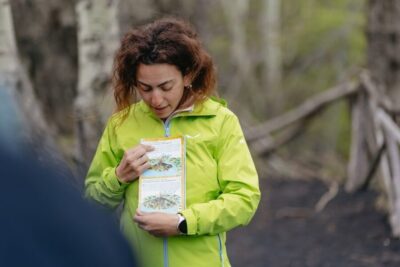
Mount Etna Morning or Sunset Day Trip with Tasting
Read our review →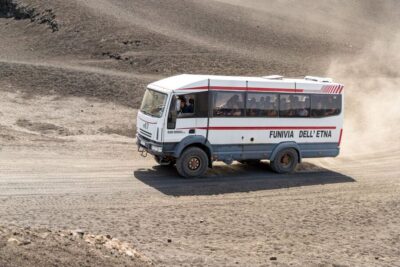
Mount Etna: Guided Volcano Summit Hiking Tour with Cable Car
Read our review →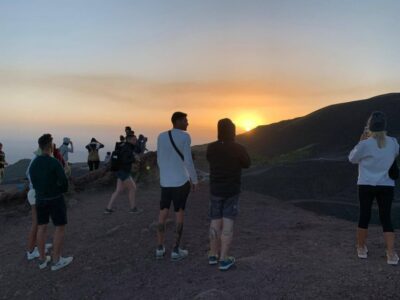
Sunset Jeep Tour of Mount Etna and Lava Flow Caves
Read our review →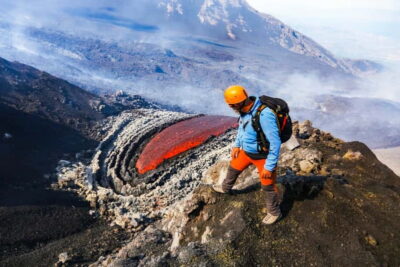
Mount Etna: Trek to 3000m with cable car and jeep
Read our review →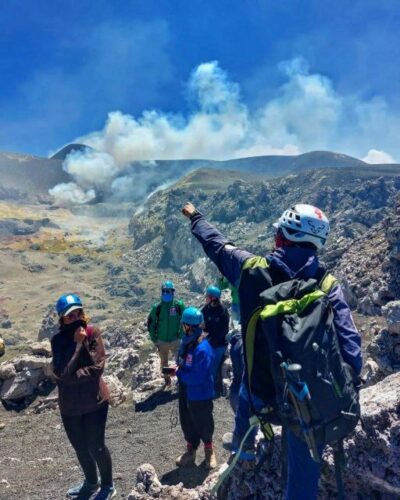
Mount Etna: Summit Crater Trek with Cable Car
Read our review →
Etna and Alcantara Gorges Full-Day Tour with Lunch
Read our review →
Mount Etna: Roundtrip Cable Car and 4×4 Bus Ticket
Read our review →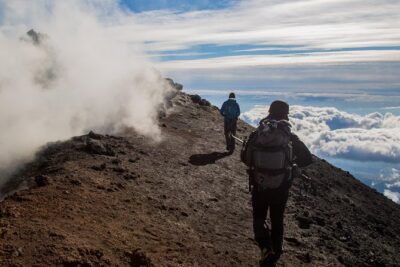
Browse the lists this tour appears in