
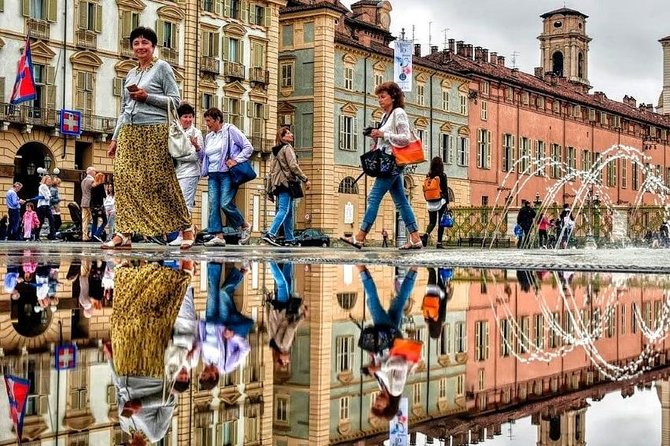
Reviewed · TURIN TOURS
UNUSUAL and hidden Turin for curious people
Turin’s Roman Quadrilateral is the setting for a very different kind of city walk. Instead of checking off royal palaces, churches, and famous statues, you look closely at odd corners, old customs, unusual architecture, urban art, and clues left by Turin’s Roman and military past. Guide Melissoula, and sometimes Marzia, bring the area to life with stories that are easy to miss on your own.
I like the private format, since your group can ask questions and the guide can adjust the conversation to your interests. I also like the generous follow-up material: a written recap, practical restaurant and gelato suggestions, activity tips, and a 51-page Turin PDF. The main drawback is clear: this is not the right choice if you want to enter monuments or see Turin’s headline sights.
Key points at a glance
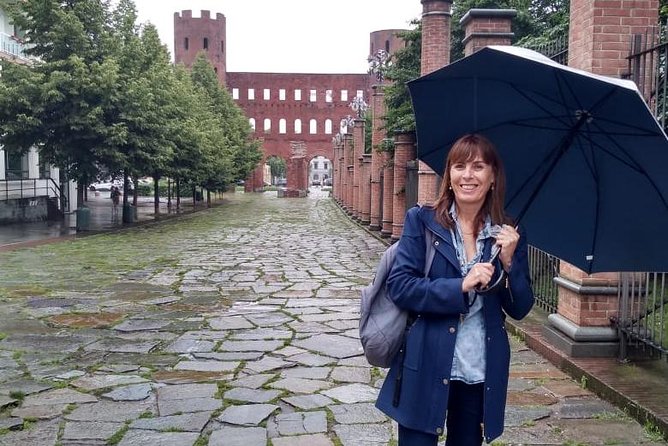
- The Roman Quadrilateral is the main stage: Expect narrow streets, unusual buildings, old city customs, and traces of Turin’s earliest urban layout.
- It is a private two-hour walk: Your own group participates, making this more personal than a large city tour.
- The focus is on overlooked details: Possible subjects include underground ice-storage chambers, French cannonballs still lodged in walls, turn-of-the-century cafés, and curious building design.
- You walk about 2.5 kilometers: That is roughly 3,300 steps, with little reason to stop often.
- No interiors are included: You will not enter churches, museums, historic buildings, or monuments.
- The advice continues after the walk: You receive a written recap, a practical list of places to eat and visit, and a 51-page Turin PDF.
A different way to read Turin’s oldest streets
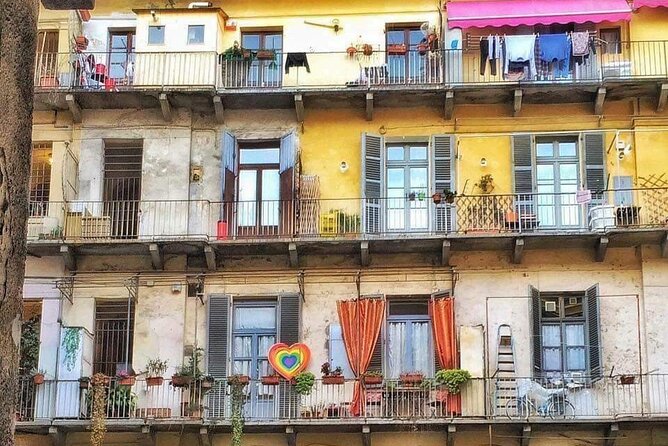
Many first-time visitors see Turin as a city of broad avenues, grand squares, royal buildings, and polished Baroque façades. This experience asks you to look closer. The Roman Quadrilateral has a tighter, older feel, and its streets reward attention to small details rather than dramatic views.
You might examine a building façade, hear the story behind an old neighborhood custom, or spot a feature tied to Turin’s military past. The point is not to rush from monument to monument. It is to understand how different periods have left marks on the same few blocks.
The walk also links old Turin with present-day life. The guide discusses architecture, street design, art, cafés, food stops, and the way old habits still influence the city. That makes the experience useful for someone who wants more than dates and names.
This is also a good introduction if you have already seen Turin’s usual sights. One rating described the walk as a welcome contrast to ordinary church-and-monument tours. That is exactly the appeal here: you spend two hours learning how to notice what a standard sightseeing route may pass by.
A few other Turin mornings to weigh against this
- Turin: Torino+Piemonte 2-Day City Card
★ 4.6 · 1,837 reviews - Turin: Guided Egyptian Museum Tour
★ 4.7 · 1,573 reviews - Turin: Magic Guided Tour
★ 4.6 · 1,447 reviews
What the two-hour route can reveal
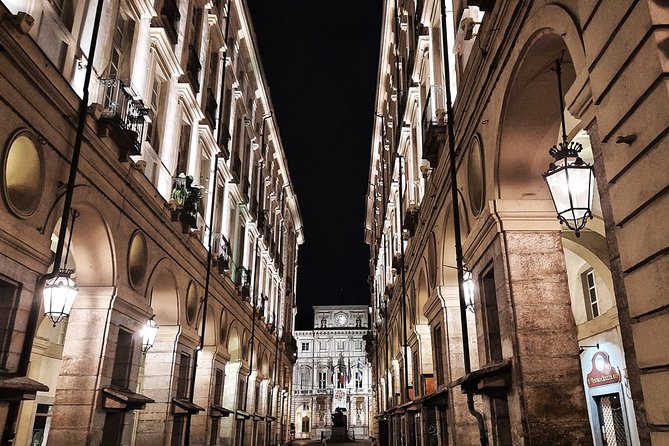
The route is described as taking place within the Roman Quadrilateral, rather than covering all of central Turin. That narrower focus is a strength. You are not losing time crossing the city, and the guide can build a connected story around one historic district.
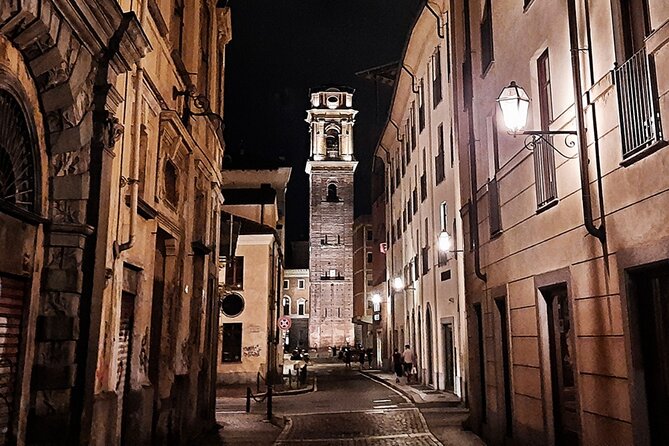
A likely theme is Turin’s Roman foundation. The name Roman Quadrilateral refers to the old Roman street plan, and the walk uses that setting to explain how the area developed. The guide also connects the Roman era to later changes, so you should expect a story that moves from ancient Turin toward the modern city.
Architecture receives special attention. The walk is not simply a parade of attractive façades. You may hear how local customs shaped older buildings, how different eras were layered onto the same streets, and why a plain-looking detail deserves a second glance.
Some of the most memorable subjects described for this walk are highly specific. These include old cafés dating from the turn of the twentieth century, a French section with underground ice-storage chambers, and French cannonballs lodged in walls from the 1706 siege. Those details give you something concrete to look for and help the district feel less like a backdrop.
Art and street design may also enter the discussion. One version of the experience was praised for giving attention to architecture, urban art, and the Roman legacy rather than repeating the standard route. If you enjoy cities through design, texture, and small clues, this approach should suit you well.
Why the guide matters so much
This experience depends heavily on the person leading it. Melissoula is the main guide name associated with the walk, while several departures have been led by Marzia. Both are described as warm, engaging hosts who explain Turin in clear English. Melissoula is also described as speaking French well, and the experience has been enjoyed by people from several language backgrounds.
The strongest praise focuses on the guide’s ability to tell stories and handle questions. You are not simply listening to a prepared speech. The private setting gives you room to ask about architecture, local life, old customs, or details that catch your eye.
A useful sign is the way the guide has adapted to different groups. One couple received a more personal walk, with the guide bringing together ancient and modern Turin through stories. Another group appreciated being shown a building connected with the guide’s own life, including an unusual passage below the city streets. That kind of personal touch may occur, but it should not be treated as a guaranteed part of the advertised route.
The guide’s local advice is another practical benefit. You receive suggestions for restaurants, gelato shops, attractions, and activities, along with prices and opening hours. For a short stay, this can save you from spending your next evening guessing where to eat or which sights fit your budget.
What you do not see, and why that matters
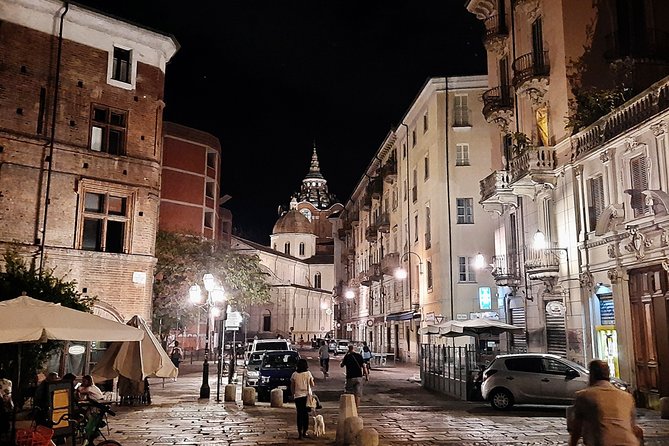
The tour does not enter churches, museums, monuments, or historic buildings. That rule is important. You are experiencing Turin from the street, with the guide explaining what you see from outside.
If you want interior art, royal rooms, religious treasures, or a detailed look at a famous palace, book a different tour or visit those places separately. One less-satisfied participant expected more of Turin’s main buildings and statues. The concern was understandable, but it also shows why you should read the title and focus carefully before booking.
This experience is designed for quaint buildings and peculiar design, not for a greatest-hits tour. I would pair it with a conventional introduction to Turin if this is your first visit and you want the main landmarks explained. I would choose it on its own if you already know the central sights or prefer local stories to famous façades.
The no-entry policy does keep the walk moving. You do not spend half the session waiting in a security line or standing in a dark church while the guide competes with other groups. In two hours, you get a focused outdoor lesson in how Turin’s streets work.
Same city, an entirely different afternoon:
- Turin: Turin & Piedmont 3-Day City Card
★ 4.7 · 1,434 reviews - Turin: Egyptian Museum Small Group Skip-the-Line Guided Tour
★ 4.8 · 1,332 reviews - Turin: Egyptian Museum Priority Access Guided Tour
★ 4.8 · 1,247 reviews - Turin: Hop-on Hop-off Bus Tour with 24 or 48-Hour Ticket
★ 4.2 · 941 reviews
The pace, distance, and 6:00 pm start
The walk begins at 6:00 pm in central Turin and returns to the meeting point. The stated distance is about 2.5 kilometers, or 1.5 miles, which equals roughly 3,300 steps.
That is not a long walk for most reasonably mobile people, but the description warns that it is not suited to anyone who needs frequent stops because of age or physical problems. You should be comfortable walking for about two hours with regular pauses for explanation rather than frequent rest breaks.
The evening time is well chosen for a city walk. You can spend the earlier part of the day at museums or palaces, then use this experience to read the streets in a different way. It may also lead naturally into dinner, especially since the guide supplies restaurant and food suggestions.
The tour requires good weather. If poor weather causes cancellation, you are offered another date or a full refund. Since much of the value comes from looking at façades, streets, and outdoor details, that weather condition makes sense.
The meeting point is in central Turin and is near public transportation. Private transport is not included, though it is unlikely to be useful during a walking route of this length. Service animals are allowed, and most people can take part if they can manage the stated distance.
What the private format adds
The price is $162.72 per person. That is a serious cost for two hours, especially because food, drinks, tastings, transportation, and building admission are not included.
The value depends on group size. For one or two people, the rate buys a personal conversation with a local guide and the freedom to ask questions throughout the walk. For a larger private group, the per-person price may feel more reasonable, particularly if everyone shares an interest in architecture and unusual city stories.
The private format also matters when your group has a specific aim. You can ask for more attention to design, local food, Roman Turin, military traces, or practical planning for the rest of your stay. The guide’s welcome process asks about interests and needs, so contact before booking if you want to make the focus clear.
The included material improves the value. You receive gratuities, a written recap with historical references and insights, a list of Turin attractions and food shops with prices and opening hours, and a 51-page PDF. These are not substitutes for admission tickets, but they can make the rest of your visit more efficient.
If you only want a quick orientation, the cost may be hard to justify. If you want an intimate walk with a guide who knows the city personally and you will actually use the follow-up information, it becomes easier to defend.
The useful extras after the walk
The written recap is especially helpful because unusual details can disappear from memory by the next morning. A short record of the places visited and the stories attached to them lets you revisit the route later.
The practical list is aimed at real trip planning. It includes attractions, restaurants, gelato shops, and activities, with prices, opening hours, and tips. You can use it to decide what to do next rather than treating the walk as an isolated event.
The 51-page PDF is more substantial than a simple one-page handout. It gives you a wider pool of Turin information for the rest of your stay. Since the walk itself does not enter museums or monuments, this material may also help you choose which interiors to visit afterward.
Some groups have also received small Turin sweets or cookies. That personal gesture appears in the experience of some participants, but it is not listed as a formal inclusion, so I would treat it as a pleasant possibility rather than something to book for.
Who should book this Turin walk
I would choose this tour if you enjoy:
- Architecture, street details, and urban design
- Local customs and stories that sit outside a standard guidebook route
- A private conversation rather than a large group lecture
- Evening walks with a clear start and finish
- Practical food and sightseeing advice for the rest of your stay
- Turin’s Roman, French, military, and modern layers
It is also a strong pick for repeat visitors. If you have already seen the major palaces and squares, the Roman Quadrilateral gives you a fresh reason to walk familiar ground.
I would hesitate if you want a classic orientation tour covering Turin’s main buildings and statues. I would also hesitate if you cannot walk 2.5 kilometers without frequent stops, or if entering museums and churches is central to your plans.
Book early if your dates are fixed, since the experience is often reserved about six days ahead and confirmation arrives within 48 hours, subject to availability. The booking is non-refundable and cannot be changed, except when the operator cancels for poor weather or because the minimum number of participants is not reached.
FAQ
Where does the tour take place?
The walk takes place in Turin’s Roman Quadrilateral, beginning and ending in central Turin.
What time does the tour start?
The stated start time is 6:00 pm.
How long does the experience last?
It lasts approximately two hours.
How far will I walk?
You will walk about 2.5 kilometers, or 1.5 miles, which is approximately 3,300 steps.
Is this a private tour?
Yes. Only your group participates in the activity.
Is the tour offered in English?
Yes. English is the listed tour language.
Will I enter churches or museums?
No. The experience does not enter churches, monuments, museums, or historic buildings.
Are food and drinks included?
No. Food, drinks, and tastings are not included.
What materials do I receive?
You receive a written recap of the places visited, a list of Turin attractions, restaurants, gelato shops, and activities with prices and opening hours, plus a 51-page Turin PDF.
What happens if bad weather cancels the tour?
You will be offered a different date or a full refund if the experience is canceled because of poor weather.
Should you book UNUSUAL and hidden Turin for curious people?
Book it if you want Turin explained through small details and personal stories, not just famous sights. The private format, engaging guides such as Melissoula and Marzia, and useful follow-up material make this more than a quick stroll.
Skip it if your priority is entering major buildings or seeing every headline monument. For the right audience, this is a thoughtful way to notice Turin’s older streets, odd architectural clues, Roman layout, French traces, and local character. For everyone else, pair it with a standard Turin sightseeing tour, then use this walk to see what the usual route leaves out.
Fresh on the Turin list
- Turin Noir: The Darkest Walking Tour★ 4.7 · 196 reviews
- Turin: Cinema Museum and Bus Tour★ 4.4 · 200 reviews
- Torino Magica® Evening Tour★ 4.5 · 204 reviews
- Day Pass to the QC Termetorino Luxury Spa in Turin★ 3.0 · 207 reviews
- Turin: City Highlights Guided E-Bike Tour★ 4.9 · 218 reviews
- Turin Highlights Small-group Walking Tour★ 5.0 · 223 reviews
- Royal Palace of Turin Skip-the-Line Ticket and Guided Tour★ 4.7 · 233 reviews
- Turin: Palace of Venaria Guided Tour★ 4.7 · 244 reviews
Turin Tours, compared.
Egyptian Museum Small Group Skip-the-Line Guided Tour
Read our review →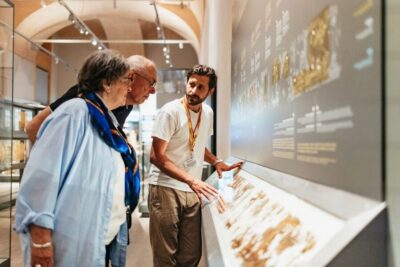
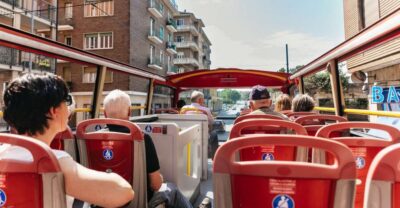
Hop-on Hop-off Bus Tour with 24 or 48-Hour Ticket
Read our review →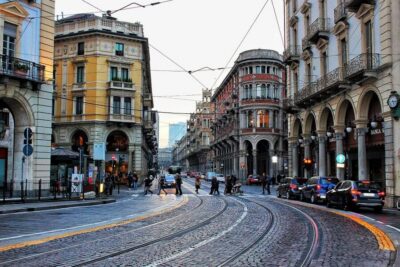
Small-Group Walking Tour of Top City Highlights
Read our review →Browse the lists this tour appears in