
Reviewed · FOOD & DRINK
Tasting and Biking Parma
The best part of this Parma tour is that it takes you beyond the city center and into the working countryside where Parmigiano Reggiano is made. You ride roughly 12 to 20 kilometers on mostly flat routes, visit a cheese producer, taste several local foods, and return to Parma for more food and sightseeing.
I like the mix of real food production and easy exercise. I also like the small group, capped at eight people, which lets Davide or another Bike Food Stories guide keep an eye on the group and answer questions. The main thing to consider is city riding: some people find Parma traffic stressful, even though much of the route uses bike paths and quiet roads.
Key points to know before booking
- Parmigiano Reggiano made by hand: See the traditional cheese-making process and learn why proper Parmesan takes time and costs more.
- A mostly flat ride: The route is generally manageable, with reports of about 12 kilometers round trip and another longer version around 20 kilometers.
- Countryside plus city sights: You get farm country, the dairy, Parma’s center, and a local food stop in one half-day.
- Davide leads the experience: He is praised for clear English, local knowledge, warmth, and careful bike handling.
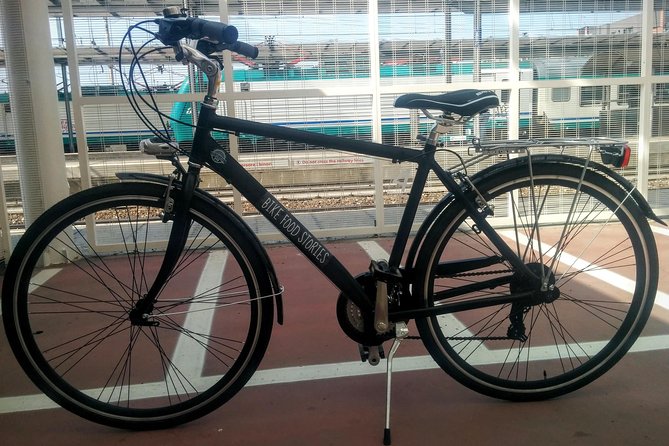
- E-bikes are available: This is worth considering if you are not a regular cyclist or have already spent days walking around Italy.
- Allow flexibility: The advertised time is about four hours, but the actual outing can run longer or shorter depending on the day.
Why this Parma bike tour works so well
Parma is famous for food, but it is easy to experience the city only through restaurants and shop windows. This ride gives you the missing piece: you see where two of the area’s signature products begin, then taste them with a better sense of the work behind them.
The tour is run by Bike Food Stories and is offered in English. Davide is the guide most often associated with the experience, and his role is a major part of its appeal. He does more than lead from the front. He checks the pace, helps less confident riders, explains the local food traditions, and gives context as you move between the city and the farms.
The group limit of eight matters. Parma’s streets are not designed for a large pack of bicycles, so a small group is easier to manage. It also gives you a better chance to ask questions at the dairy and chat during lunch instead of being swept through in a crowd.
The price is $107.60 per person. That is not a bargain bicycle rental, but it includes the bike, helmet, guide, food tasting, and lunch. You are also paying for access to a working cheese producer and for the planning needed to connect the countryside with the city. For a food-focused half-day, I consider the price fair, especially if you value a personal guide and do not want to arrange transport to a dairy yourself.
Check what is included on your chosen departure, since the terms also say food and drinks are not included unless specified. The scheduled tasting and lunch are part of the experience, while additional purchases or drinks may cost extra.
More bike days in Italy:
- Rome EBike Tour: Appian Way, Catacombs & Roman Aqueducts
★ 5.0 · 1,766 reviews - Rome: Top Highlights & Hidden Gems Tour by Cannondale E-Bike
★ 4.9 · 1,760 reviews - Rome: Appian Way, Catacombs, & Roman Aqueducts E-bike Tour
★ 4.9 · 1,421 reviews
Starting at Strada Giuseppe Garibaldi
The meeting point is at Strada Giuseppe Garibaldi 29 in central Parma. The first few minutes are used to try the bikes and get comfortable. This is a small but useful step, especially if you have not ridden recently or are deciding between a standard bicycle and an e-bike.
One person who had not ridden for 20 years appreciated being allowed to practice before setting off. That tells you something important about the tone of the outing. You are not expected to arrive as a serious cyclist, but you should be able to ride a bicycle and feel reasonably comfortable balancing and stopping.
The guide keeps the group together and pays attention to traffic. Parma drivers are described as respectful toward cyclists, but city riding can still feel busy. Buses, cars, turns, and stops require more attention than the countryside portion.
If you are nervous, say so at the start. Staying behind the guide and keeping a steady pace is the sensible way to handle the city section. This is not a race, and the ride is designed as a food tour first, with cycling as the link between the stops.
Riding out through Parma and the countryside
The ride to the cheese producer takes about 30 minutes in one account, though total distances and timing vary. Much of the route is on bike paths or quiet country roads, and the terrain is described as almost entirely flat.
That makes the ride suitable for many casual cyclists. You get exercise, but the outing is not built around speed or difficult climbs. The countryside is the point: farms, open roads, and the productive area outside Parma give you a better feel for the region than a taxi ride to a factory would.
The city portion is the harder part for some people. One assessment found the countryside comfortable but the urban streets less enjoyable. I would take that seriously if you rarely cycle in traffic. The guide’s care helps, but no guide can remove every car or narrow street from a city route.
An e-bike can make a real difference. Several people chose the upgrade after already doing plenty of walking during an Italy trip, and found it helped conserve energy. If you are fit and cycle often, a standard bike should be fine. If you are uncertain, tired, or traveling with teenagers who have different stamina levels, the e-bike is a sensible comfort choice.
Bring water. A small basket or pannier is available for your bottle and purchases, which is handy after the cheese tasting. You may also want room in your budget for cheese, cured meats, honey, or other products sold at the producer.
Inside a Parmigiano Reggiano dairy
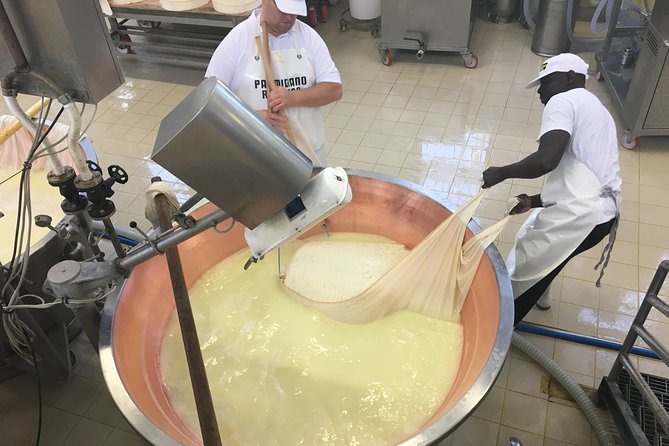
The cheese stop is the heart of the tour. You learn how authentic Parmigiano Reggiano is made and see why it cannot be treated like an ordinary supermarket product.
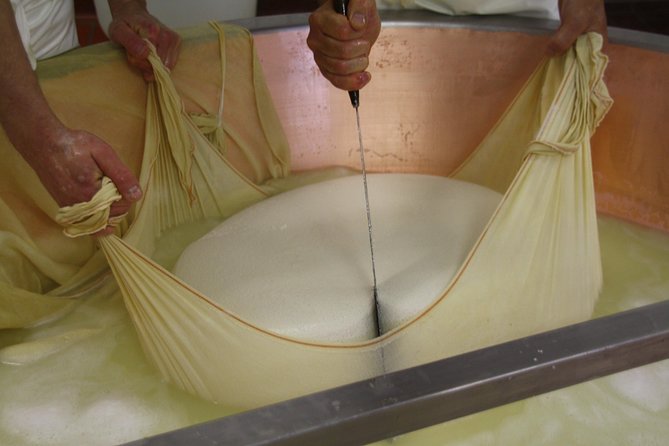
The traditional process involves large copper kettles, careful handling, long aging, and a great deal of physical labor. The rounds are made by hand, and the finished cheese must spend a long time developing its texture and flavor. Once you understand the work involved, the price of a properly aged wheel makes much more sense.
The visit can differ according to the day and the producer’s activity. Most people describe a full and fascinating explanation of production, but one person arrived when the working area was quiet and saw an empty shop rather than cheese being actively made. That is a fair limitation to remember. A dairy is a working business, not a museum performance arranged around tour times.
Even without watching every stage in motion, the process remains worthwhile because the guide fills in the details and you see the setting where the cheese is produced. Still, if your main goal is to watch the cheesemakers at the kettles, understand that this cannot be guaranteed from the information provided.
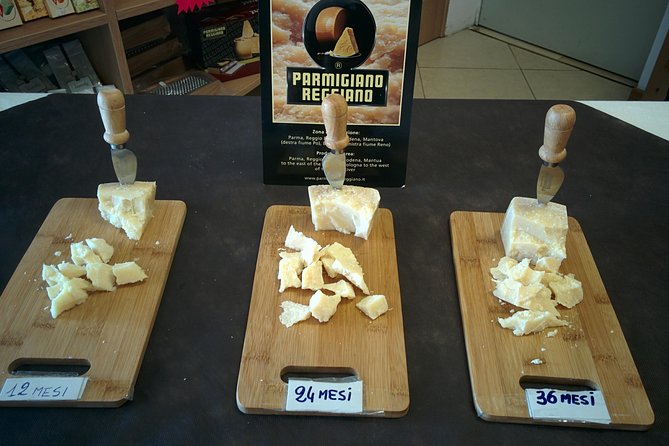
After the visit, you taste different ages of Parmigiano Reggiano. This is where the lesson becomes practical. Younger and older cheeses have noticeably different textures and uses, and tasting them side by side helps you identify what you are buying later.
The dairy may also offer cheese, meats, honey, and other local products for purchase. A wallet is useful here, not just for the tour. The tasting is generous enough to feel like part of the meal, but shopping is optional.
A few other Italy mornings to weigh against this
- Florence: Chianti Wineries Tour with Wine Tasting
★ 4.5 · 8,301 reviews - Small-Group Wine Tasting Experience in the Tuscan Countryside
★ 5.0 · 7,392 reviews - Rome: Tuscany & Montepulciano Day Trip with Lunch & Wine Tasting
★ 4.5 · 5,232 reviews - Winner 2025 Rome Twilight Trastevere Food Tour by Eating Europe
★ 5.0 · 5,157 reviews
Returning to Parma for sights and local food
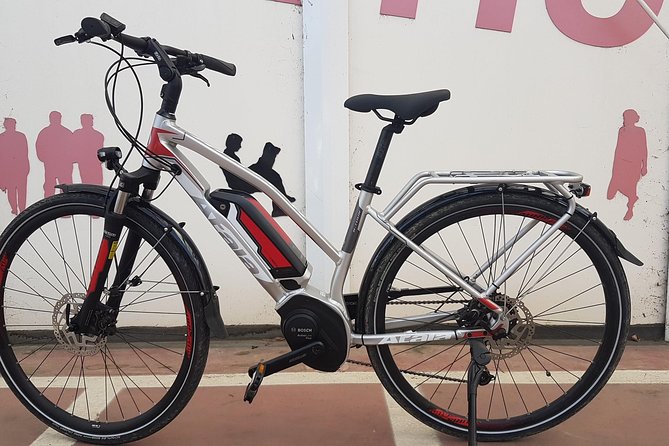
The return ride brings you back toward Parma and includes a look at the city’s main sights. The exact route can vary, but the experience may include landmarks and local places such as the rugby field before reaching the center.
This is not a full walking tour of every monument. Instead, you get an orientation from the bicycle, seeing how the historic center connects with the surrounding neighborhoods and countryside. I like this approach because it helps you decide where to return on foot later.
The timing also affects how much city sightseeing you receive. Some outings last about four hours, while another ran closer to five. One shorter experience lasted about three hours and included fewer stops. Most descriptions suggest the key elements are the dairy, tasting, city ride, and meal, but do not book this expecting a fixed list of many small attractions.
The final food stop is usually a small osteria or local restaurant. Expect regional meats such as prosciutto and salami, along with local wine, including Lambrusco in one account. Lunch turns the tour from a visit to a food producer into a broader introduction to Parma’s table.
The social side is part of the charm. With only a few people, you sit together, share food, and talk about where everyone comes from. Solo visitors can fit in comfortably, and families with older children or teenagers have found the mix of movement, food, and hands-on learning appealing.
How difficult is the cycling?
The ride is best described as easy to moderate for a person who can ride a bicycle. The route is mostly flat, but the distance can reach around 20 kilometers, and city traffic adds a mental challenge even when the roads are not physically hard.
You should be comfortable riding for several hours with stops. This is not suitable for someone who cannot cycle, and the tour requires good weather. Most people who can participate in a normal bike ride should manage it, particularly with an e-bike.
The guide’s safety approach is a strong point. Davide has been praised for keeping people together, watching the traffic, and adjusting to different abilities. Practice time at the start is helpful, but you should still be honest about your cycling level before departure.
Wear clothes suited to riding rather than dressing only for a restaurant lunch. Comfortable shoes and a water bottle are practical choices. Helmets are included, and standard bikes are provided, with e-bikes available if you arrange that option.
Timing, group size, and value
The listed duration is approximately four hours, and the tour has a maximum of eight people. In practice, allow some flexibility. The outing has lasted around four hours for many people and about five for others, while at least one group felt it finished closer to three hours.
Several factors can affect the clock: how quickly the group handles the bikes, the pace of the ride, the dairy’s schedule, shopping, traffic, and the length of lunch. A late start can also shorten or shift the day. If you have a train, museum booking, or dinner reservation immediately afterward, leave a generous cushion.
The $107.60 cost makes the most sense when you use the full package. A self-guided bike rental would cost less, but it would not give you the dairy connection, English explanations, safety support in traffic, tasting, and arranged lunch. If you are mainly interested in seeing Parma’s buildings, a walking tour may offer more detailed architecture. If you want to understand the food culture around Parma, this outing gives you more substance.
Group discounts are available, and the activity uses a mobile ticket. Confirmation is normally sent at booking, though reservations made within seven days of the date may take up to 48 hours and remain subject to availability.
Cancellation is free up to 24 hours before the start time for a full refund. Late cancellations and changes are not accepted, and poor weather can lead to a new date or a full refund.
Who should book it?
I would choose this tour if you want food culture with a sense of place. It suits couples, solo visitors, families with cycling-age children, and anyone who wants a half-day break from museums and churches.
It is especially good for people curious about Parmigiano Reggiano rather than satisfied with simply eating it. The dairy visit explains the labor, aging, and technique behind the cheese, while the tasting and lunch show how it fits with cured meats and local wine.
You may want to skip it if you dislike riding in city traffic, cannot comfortably cycle several miles, or need a tightly timed itinerary. You should also be realistic about the dairy visit: it is a working producer, so the level of visible activity may vary.
The final call
Book Tasting and Biking Parma if you want to combine a mostly flat ride, a genuine Parmigiano Reggiano producer, cheese and meat tasting, and a relaxed local lunch in one outing. Davide’s care and clear English are valuable, particularly if you are unsure about cycling in Parma.
Choose an e-bike if you are out of practice or already worn out from sightseeing. Leave extra time afterward, bring water and some spending money, and treat the dairy as a working place rather than a staged show. With those expectations, this is one of the better ways to connect Parma’s city center with the food-producing countryside around it.
FAQ
Where does the tour start?
The tour starts at Strada Giuseppe Garibaldi 29, 43121 Parma, Italy.
Where does the tour finish?
It ends back at the meeting point in central Parma.
How long does the experience last?
The advertised duration is approximately four hours. Actual outings may vary, with some lasting about five hours and one reported outing lasting about three hours.
What is included in the price?
The package includes food tasting, a local guide, use of a bicycle, a helmet, and lunch.
Are e-bikes available?
Yes. E-bikes are available as an option in addition to standard bicycles.
How far do you ride?
The ride has been described as roughly 12 kilometers round trip in one account, while another version covered about 20 kilometers. The route is reported to be mostly flat.
Is the tour offered in English?
Yes. The experience is offered in English.
How many people can join the group?
The maximum group size is eight people.
What happens if the weather is bad?
The tour requires good weather. If poor weather causes cancellation, you can receive a different date or a full refund. You can also cancel at least 24 hours before the start time for a full refund.
Fresh on the Italy list
- Rome: Guided Catacombs Tour & Capuchin Crypt (Audio Guide)★ 4.3 · 191 reviews
- Guided tour of the Colosseum, Roman Forum and Palatine in Spanish★ 4.5 · 191 reviews
- Bolgheri: Winery Tour with Wine Tasting★ 4.7 · 191 reviews
- Stories of Pompeii: Small Group tour with archeology expert guide★ 5.0 · 191 reviews
- Palinuro: Costa del Mito Boat Tour★ 4.9 · 191 reviews
- From Palau/La Maddalena: All inclusive Yacht Tour★ 4.8 · 191 reviews
- Small-Group Cooking Class in Positano: Gnocchi, Tiramisù & Drinks★ 5.0 · 191 reviews
- Semi Private Deep Wine Chianti and San Gimignano from Florence★ 5.0 · 191 reviews
Food & Drink, compared.
Small-Group Wine Tasting Experience in the Tuscan Countryside
Read our review →
Tuscany & Montepulciano Day Trip with Lunch & Wine Tasting
Read our review →
Winner 2025 Rome Twilight Trastevere Food Tour by Eating Europe
Read our review →
SMALL-GROUP Wine Safaris: Tuscan Wine Tasting Tours from Florence
Read our review →
Winner 2025 Florence Sunset Food & Wine Tour by Eating Europe
Read our review →
San Gimignano, Siena, Monteriggioni, Chianti Day Trip with Lunch & Wine Tasting
Read our review →
Browse the lists this tour appears in