
Reviewed · VATICAN & SISTINE CHAPEL TOURS
Rome: Vatican Museums & St. Peter’s Basilica with Dome Climb
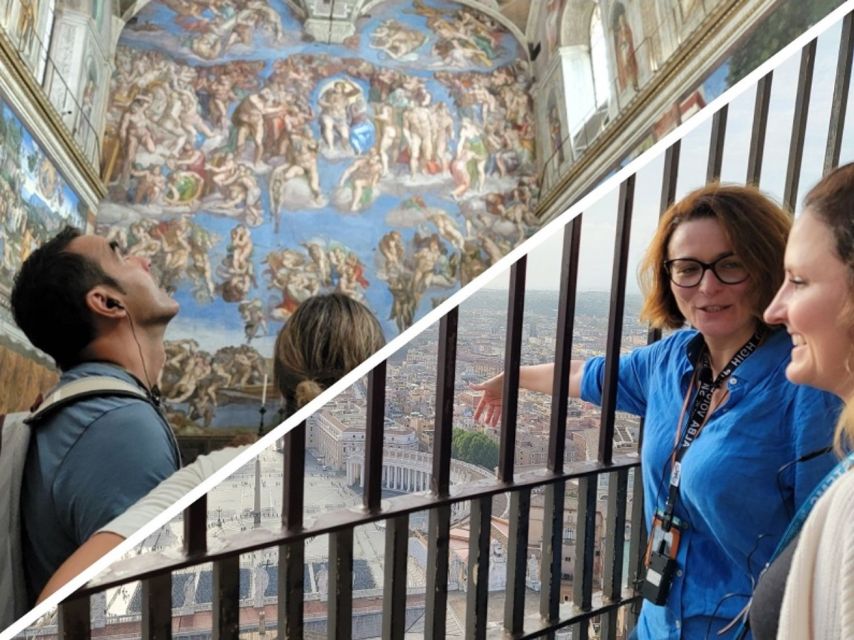
St. Peter’s Dome is the star here. You ride an elevator to the first terrace, then tackle the final 300 steps for a wide view over St. Peter’s Square, Vatican City, and Rome. I love that the climb comes first, while your legs are fresh, and that the early start helps you see the Basilica before the worst crowds arrive.
I also like the tour’s clear route through the Vatican Museums, from the Gallery of Maps to Raphael’s Rooms and the Sistine Chapel. Guides such as Maria, John, Kate, Serena, and Alessandro have been praised for lively explanations, humor, patience, and good crowd management. The main drawback is the pace: five hours of climbing, standing, and museum walking can be tiring, and the Vatican Museums and Sistine Chapel may still feel packed.
Key points at a glance
- The dome climb begins the day: Take the elevator partway up, then climb about 300 steps to the summit.
- Early access matters: The morning visit to St. Peter’s Basilica can help you avoid the heaviest daytime queues.
- The art route is focused: See major galleries, Raphael’s Rooms, and the Sistine Chapel without trying to cover every room.
- A guide keeps the Vatican manageable: Your English-speaking guide handles the route, timing, and explanations across several entry points.
- Dress rules are strict: Cover your knees and shoulders, or you may be refused entry.
- Plan for a demanding five hours: This is not suitable for wheelchair users or people with mobility impairments.
Why the dome climb changes the whole Vatican visit
Many Vatican visits begin indoors, with paintings, sculpture, and long museum corridors. This one starts above the city. That is smart planning. You get the most physical part done before the heat, crowds, and museum fatigue set in.
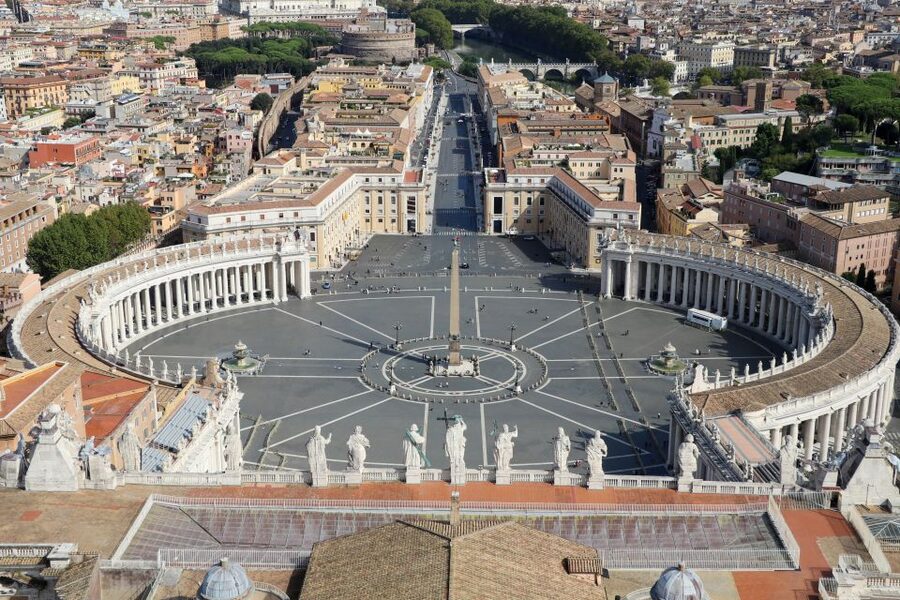
The first section uses an elevator to reach the dome’s lower terrace. From there, you can step outside for views across St. Peter’s Square. The remaining staircase takes you to the very top, with about 300 steps still ahead.
The climb is not a casual stroll. The stairs become a real workout, and the route can feel confined as you rise through the dome. If you are reasonably fit and comfortable with stairs, the reward is substantial: a 360-degree view of Rome and Vatican City that gives the rest of the visit a useful sense of place.
The dome also lets you look down into the Basilica from above. That perspective helps you understand the building’s scale in a way that ground-level sightseeing cannot. You see the geometry of the church, the sweep of St. Peter’s Square, and the city spreading beyond the Vatican walls.
A short break on the dome level may be possible, with time for coffee or shopping depending on the day’s timing. Do not count on a leisurely pause, though. The schedule has several major sights still to cover.
More Museums in Vatican City
- Vatican: Museums & Sistine Chapel Entrance Ticket
★ 4.5 · 144,003 reviews - Rome: Vatican Museums & Sistine Chapel Skip-The-Line Ticket
★ 4.2 · 11,708 reviews - Vatican Museums, Sistine Chapel & St Peter’s Basilica Tour
★ 4.6 · 10,222 reviews
Meeting at Largo del Colonnato
The tour begins at Largo del Colonnato, just outside the colonnades surrounding St. Peter’s Square. If you are looking toward the Basilica, the meeting area is on the right side, between the fountain and a green kiosk.
Arrive 10 minutes early. This is useful advice, not empty tour etiquette. St. Peter’s Square has several entrances, security points, fountains, and groups gathering at once. Give yourself time to find the correct side of the colonnade and locate the representative holding a The Tour Guy sign.
The group then walks through or past St. Peter’s Square before entering the Basilica area. This opening walk is brief, about 15 minutes, but your guide can point out the shape of Bernini’s colonnade and explain how the square frames the church ahead.
There is no hotel pickup, so you need to make your own way to the meeting point. The tour ends back at the starting area, making it easier to plan lunch or another Rome sight afterward.
St. Peter’s Basilica from the dome to the altar
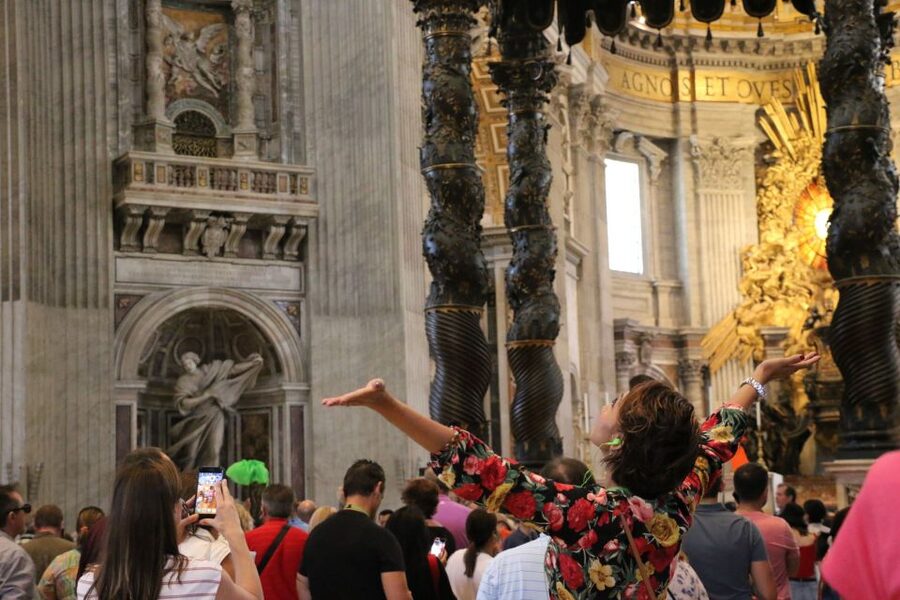
After the dome, you return to ground level for about an hour inside St. Peter’s Basilica. This part includes guided touring and free time, which is a good balance. You get context from the guide, then room to look, pray, photograph where allowed, or simply absorb the scale of the church.
Three details deserve your attention:
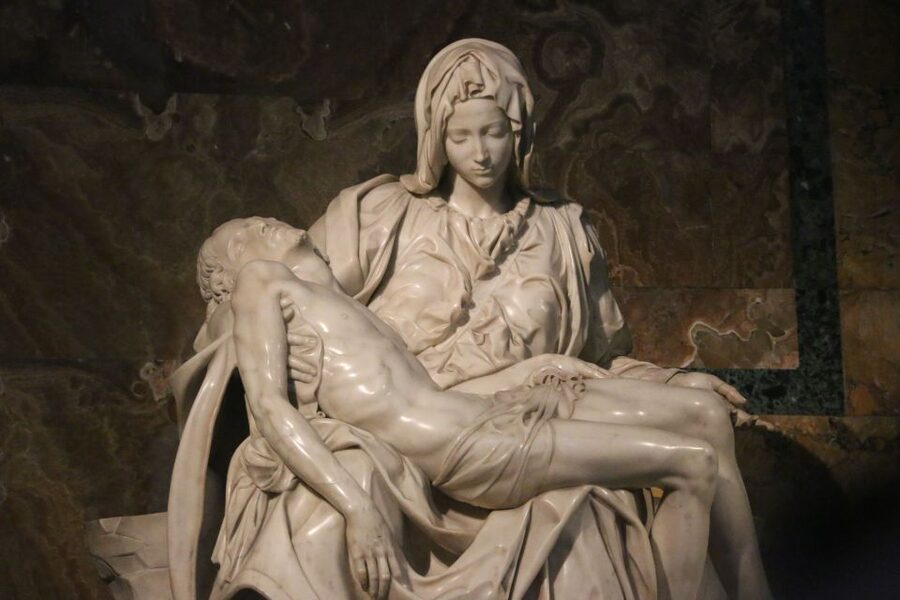
- Michelangelo’s Pietà: This famous sculpture shows Mary holding the body of Christ. Its position and finish make it easy to miss details if you are hurried, so use your free time well.
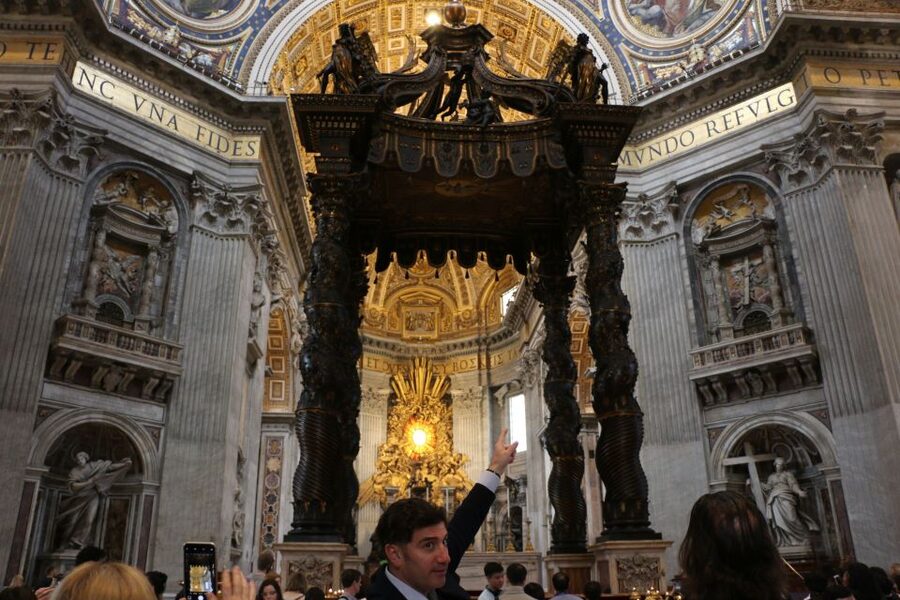
- Bernini’s Baldacchino: The large bronze canopy over the main altar is one of the Basilica’s defining interior features. Its height helps show how enormous the church really is.
- The altar above St. Peter’s tomb: The Basilica’s central altar is tied to the traditional burial place of St. Peter, giving the building both religious importance and architectural focus.
The Basilica is not a quiet museum. It is an active holy site, and conditions can change during religious events or state visits. Parts of the building may close without much warning. If that happens, the guide provides explanations from outside and may substitute another site or gallery.
The early entry is one of the tour’s strongest practical features. It does not mean a completely empty church, and it is not the same as skip-the-line entry. There is no skip-the-line service at St. Peter’s Basilica. Still, beginning early can help you avoid the much larger daytime crowds.
Walking from the Basilica to the Vatican Museums
The route includes about 10 minutes on foot between St. Peter’s Basilica and the Vatican Museums. This is an easy transition compared with the stairs in the dome, but it is another reason to wear good shoes.
The tour’s museum entry uses a separate skip-the-line entrance. That does not guarantee an instant walk-in. Security checks and crowd controls can still slow the group, and the museums themselves may be extremely busy. The advantage is that you avoid the ordinary ticket line and spend more of your limited time inside.
This matters at the Vatican. The museums cover a huge collection, and the main corridors can feel like a moving river of people. Going with a guide gives you a route and a stopping point. You are less likely to waste time wondering which turn leads to the major rooms.
A few other Vatican City mornings to weigh against this
- Skip the Line: Vatican & Sistine Chapel Ticket with Audio Guide
★ 4.0 · 3,271 reviews - Rome: Vatican Museums and St. Peter’s Tour with Dome Climb
★ 4.7 · 1,924 reviews - Vatican: Museums Sistine Chapel & St. Peter’s Basilica Tour
★ 4.4 · 1,605 reviews - Rome: Vatican & Sistine Chapel Tour + Optional Colosseum
★ 4.3 · 1,301 reviews
The Vatican Museums in two focused hours
The museum portion lasts about two hours and concentrates on well-known galleries rather than attempting every room. That is the right approach for a five-hour tour. You get a useful introduction without pretending you can properly see the entire complex in one morning.
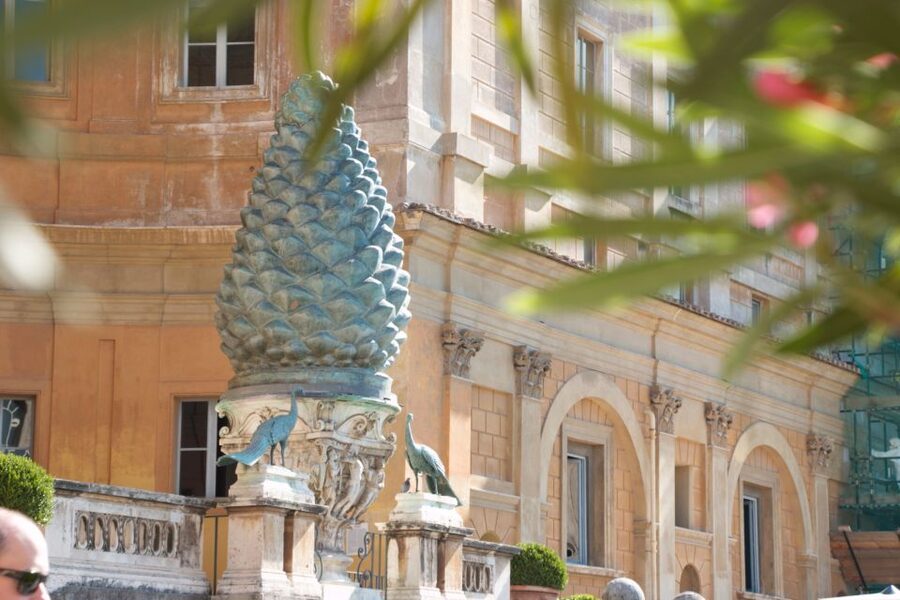
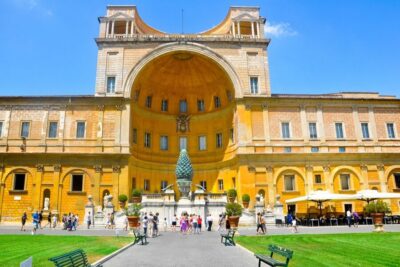
Cortile del Belvedere
The tour includes 10 minutes in the Cortile del Belvedere. This courtyard offers a welcome change from interior corridors and helps establish the Vatican’s grand architectural setting.
Use the outdoor moment to catch your breath and take in the open space. After the dome climb and Basilica visit, a brief pause outdoors can make the following galleries easier to enjoy.
Gallery of the Candelabra
The Gallery of the Candelabra receives about 10 minutes of guided attention. Its name comes from the large candelabra displayed along the route, but the room is part of a larger procession of Vatican art and decoration.
A guide is particularly useful here because the museum can blur together when you move quickly. Short explanations give you a reason to notice specific objects instead of seeing only a long decorated hallway.
Museo Pio Clementino
You spend about 20 minutes in the Museo Pio Clementino, one of the museum stops given the most time. The route includes sculpture and ancient art, with the guide providing the historical and artistic frame.
This is where a strong guide can make a difference. Alessandro, Maria, and other guides have been praised for answering questions in detail and adding unusual points beyond the basic script. Your experience will depend on the guide assigned, but the tour is designed to give you more than a silent procession through rooms.
Gallery of Maps
The Gallery of Maps gets about 15 minutes. Its long painted maps are among the Vatican Museums’ most memorable visual displays, especially when seen as a complete corridor rather than as isolated pictures.
The room is often crowded, so do not expect to stop wherever you wish. Stay near your guide, listen for the main explanation, and save a few seconds for your own look at the maps and ceiling.
Gallery of Tapestries
The Gallery of Tapestries adds another short stop, about 10 minutes. The hanging works are easy to appreciate as decoration, but the guide can help you notice the visual tricks and details that reward a closer look.
This is also a good point to accept that the tour is a highlights route. If you want to study individual works for long stretches, you may prefer a private tour or a self-guided museum visit spread over more time.
Raphael’s Rooms
The tour spends about 20 minutes in Raphael’s Rooms, another major highlight. These frescoed rooms connect Renaissance art with papal power, scholarship, and ceremony.
Your guide will help identify key scenes and explain how the rooms fit into the Vatican’s wider story. The value here is not just naming the artist. It is understanding why the rooms were commissioned and how they relate to the Sistine Chapel that follows.
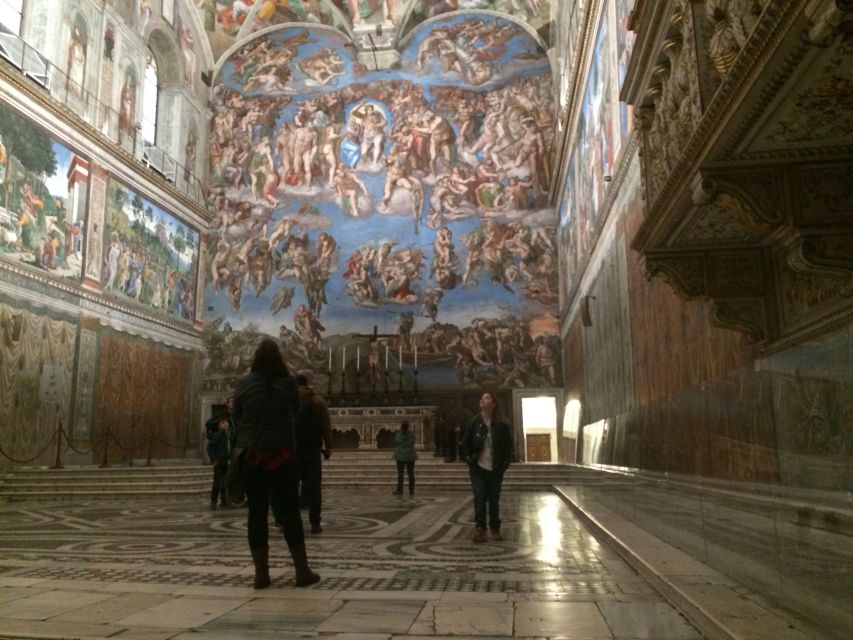
The Sistine Chapel finale
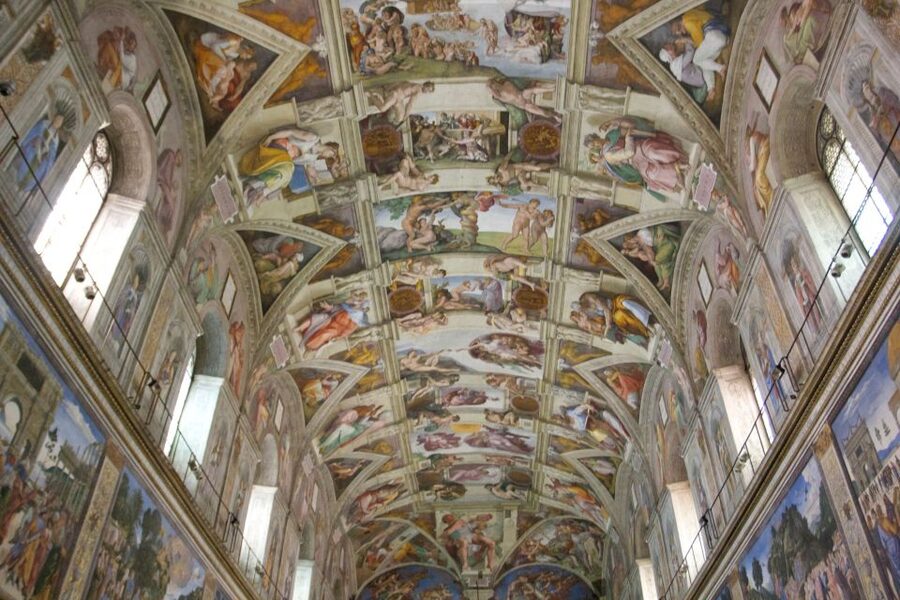
The Sistine Chapel is the final major stop, with about 15 minutes inside. Your guide gives the explanation before you enter because speaking is prohibited in the chapel.
That rule changes how you should approach this part. Pay close attention beforehand, then use the silence inside to study Michelangelo’s ceiling, including The Creation of Adam, and the Last Judgement on the altar wall.
Fifteen minutes can feel short, particularly if the chapel is crowded. Still, the stop works well as a finale because the preceding galleries prepare you to recognize the chapel’s artistic and religious importance.
Photography and behavior rules apply in the chapel, and your guide cannot continue a running commentary once you enter. You will have free time to look around on your own. Treat this as a quiet viewing period rather than another guided room.
What the five-hour schedule feels like
This is a full morning or half-day commitment. The listed schedule includes roughly 80 minutes for the dome, one hour in the Basilica, a 10-minute walk, and two hours in the museums, followed by individual stops and the Sistine Chapel.
In practice, the group may run longer if crowds slow the route. One guide stayed well beyond the planned time to keep the group together, but you should not treat that as guaranteed. Leave flexibility afterward rather than booking a tight lunch reservation or timed attraction.
The day combines stairs, walking, standing, and close attention. Comfortable shoes are essential. Carry water, especially for the dome climb, though large bags and luggage are not allowed.
The group may use headsets when there are six or more participants. That matters in echoing churches and crowded museum halls. Without a headset, you may need to stay close to hear every explanation.
Dress code and practical limits
The Vatican requires men and women to cover their knees and shoulders. That means no shorts, short skirts, sleeveless shirts, or other clothing that leaves shoulders uncovered. Wear long pants and a long-sleeved shirt, or bring an appropriate layer that you can put on before entry.
The dress code is enforced, and the operator is not responsible if you are refused because of unsuitable clothing. This is one rule you should handle before leaving your hotel.
Bring a passport, or a copy if accepted at the entrance. Do not bring weapons, sharp objects, tripods, luggage, or large bags. The tour is not suitable for wheelchair users or people with mobility impairments because of the dome stairs and substantial walking.
How good is the $157.47 price?
At $157.47 per person, this is not a budget Vatican visit. You are paying for a five-hour guided route, early morning Basilica access, the dome elevator and stairs, free time inside the church, skip-the-line museum entry, the Vatican Museums, and the Sistine Chapel.
The value depends on how much you want to see in one morning. Buying separate access and planning the route yourself may cost less, but you would also need to manage ticket timing, security, museum directions, the Basilica connection, and the dome climb. The Vatican is not a simple place to navigate when crowds are heavy.
I think the price is easier to justify for a first visit, a short stay in Rome, or a family that wants the major sights handled in one plan. It is less appealing if you have already seen the museums, dislike group schedules, or want long quiet periods with individual artworks.
The strongest value is time. A good morning can replace several hours of queueing and confusion. You should not expect the museums to be empty, but early timing and guided entry can make the day far more orderly.
Who should book this tour?
You should consider it if you want all three major experiences: the dome summit, St. Peter’s Basilica, and the Vatican Museums with the Sistine Chapel. It suits first-time visitors who want context rather than simply moving from room to room.
Families can also do well here. Guides such as Yamuna and Maria have kept children engaged during the long route, but your children still need to manage stairs, crowds, and several hours of walking.
The tour is a good match for moderately fit adults who can handle the dome climb. If stairs are difficult, skip this particular format and choose a Vatican experience without the summit.
Art lovers should note the tradeoff. You will see important rooms and works, but the route is selective. For a slower study of sculpture, painting, or architecture, plan a separate museum visit.
My verdict on the Vatican dome and museum combination
I like the order of this tour: dome first, Basilica second, museums third. You get Rome views before fatigue sets in, a proper look at the church, then a guided path through the Vatican’s biggest artistic hits.
The guides are central to the experience. Names such as John, Maria, Kate, Serena, Lia, Carolina, and Alessandro have been associated with lively history, clear English, humor, patience, and practical help. The exact guide cannot be promised, but the format gives you the best chance of understanding what you are seeing.
Book it if you value time, want the major Vatican sights in one outing, and can manage the stairs. Skip it if you need a flexible pace, quiet galleries, or an accessible route. For most first-time Rome visitors in reasonable physical condition, the combination offers a strong, efficient introduction to the Vatican, with the dome view providing the memorable finish.
FAQ
How long does the Vatican tour last?
The activity lasts five hours. Starting times vary, so check availability when booking.
Where does the tour begin?
Meet at Largo Del Colonnato, outside the colonnades of St. Peter’s Square. If you face St. Peter’s Basilica, look on the right side between the fountain and the green kiosk.
How early should I arrive?
Arrive 10 minutes before the scheduled start time.
Is hotel pickup included?
No. You must make your own way to the meeting point. The tour ends back at that location.
Does the tour include the top of St. Peter’s Dome?
Yes. You take the elevator to the first level and then climb the remaining stairs, about 300 steps, to the top.
Is there skip-the-line entry at St. Peter’s Basilica?
No. There is no skip-the-line service at the Basilica, but the early start may help you avoid the heaviest daytime crowds.
Is skip-the-line entry included for the Vatican Museums?
Yes. The tour includes skip-the-line entry through a separate entrance to the Vatican Museums.
Can the guide speak inside the Sistine Chapel?
No. Speaking is prohibited inside the chapel. The guide explains the art and history before you enter, then you explore quietly on your own.
What should I wear?
Cover your knees and shoulders. Long pants and a long-sleeved shirt are recommended. Shorts, short skirts, sleeveless shirts, and unsuitable clothing may result in refused entry.
Is the tour suitable for wheelchair users?
No. The activity is not suitable for wheelchair users or people with mobility impairments because of the dome climb and walking route.
Fresh on the Vatican City list
- Skip the line Tickets to the Vatican Museums and Sistine Chapel★ 4.0 · 229 reviews
- St. Peter’s Dome Climb, Basilica and Vatacombs Tour★ 4.7 · 230 reviews
- Vatican Museums & Sistine Chapel Skip-the-Line Guided Tour★ 4.6 · 254 reviews
- Vatican Museums and Sistine Chapel Skip-The-Line Ticket★ 4.0 · 256 reviews
- Vatican Museums and Sistine Chapel Tickets★ 3.5 · 258 reviews
- Rome: Vatican Museums Skip-the-Line Ticket★ 4.5 · 288 reviews
- Vatican Museum, Sistine Chapel and St Peter’s Guided Tour★ 4.5 · 306 reviews
- Vatican Museums and Sistine Chapel Skip The Line Ticket★ 4.0 · 312 reviews
Vatican & Sistine Chapel Tours, compared.
Vatican: Museums & Sistine Chapel Entrance Ticket
Read our review →
Vatican Museums & Sistine Chapel Tour with Optional Basilica
Read our review →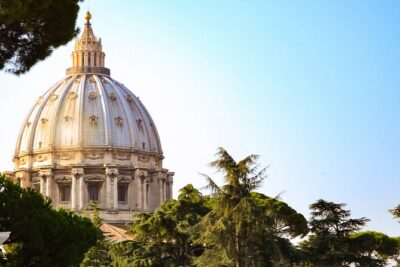
Vatican Museums, Sistine Chapel & St Peter’s Basilica Guided Tour
Read our review →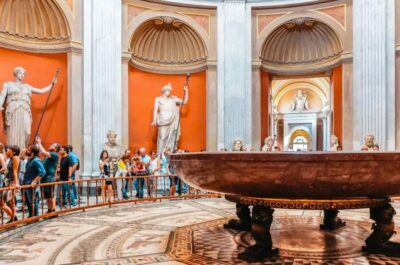
Vatican Museums, Sistine Chapel & Basilica Tour
Read our review →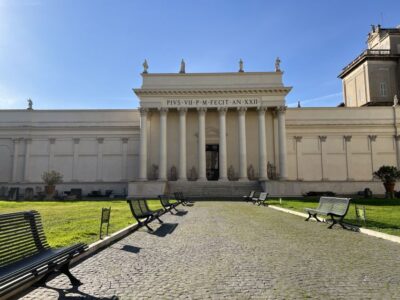
Vatican Museums & Sistine Chapel Skip-the-Line Entry Ticket
Read our review →Vatican Museums, Sistine Chapel & Basilica Tour
Read our review →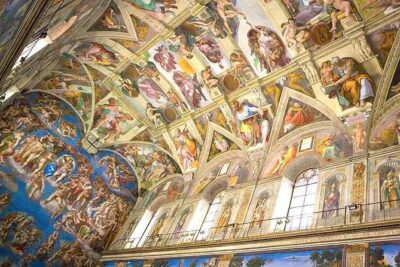
Skip-the-Line Group Tour of the Vatican, Sistine Chapel & St. Peter’s Basilica
Read our review →
Vatican Museums & Sistine Chapel Guided Tour
Read our review →Browse the lists this tour appears in