
Reviewed · GONDOLA RIDES & VENICE BOAT TOURS
Murano: Glass Museum Entry Ticket
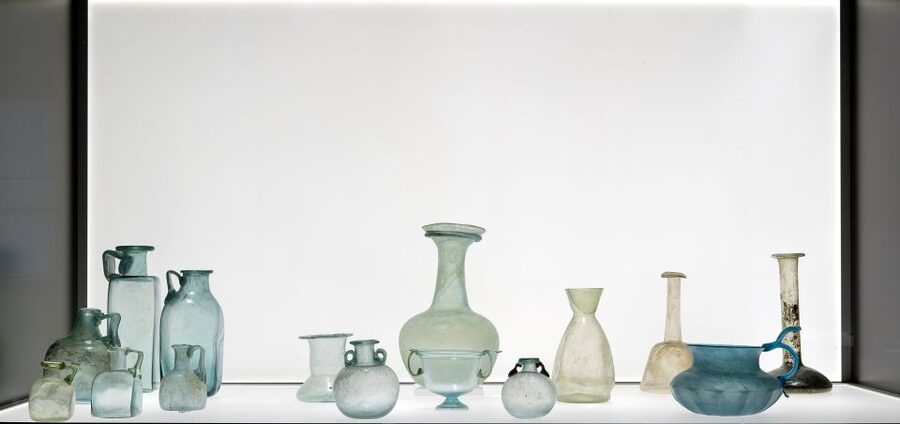
Murano’s Glass Museum holds the largest historical collection of Murano glass in the world, so this is the place to see the craft in context rather than through a shop window. You move at your own pace, following glassmaking from older pieces to 17th-century work and famous masterpieces.
I like the chronological layout, which helps you understand how styles and techniques changed over time. I also like the low $11 price, especially if you already plan to visit Murano. The main drawback is that there is no live guide, and the visit may feel fairly quick if you are not especially interested in glass.
Key points to know before you go
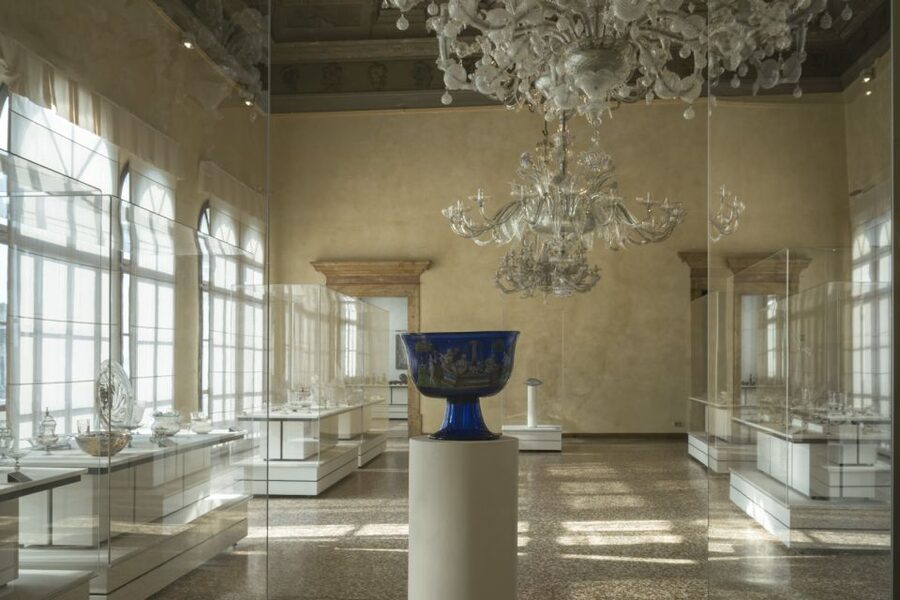
- The collection covers centuries of Venetian glass art, from historic examples to world-famous masterpieces.
- The displays are arranged chronologically, giving you a clear route through the development of Murano glass.
- You explore independently, with no live guide included.
- Admission costs $11 per person, with a one-day public transport ticket available if you select that option.
- The museum is wheelchair accessible, but opening dates and hours should be checked before you set out.
- A Venice Access Fee may apply on certain dates from April 18 through July 27, 2025.
Why Murano’s Glass Museum deserves a place in your Venice day
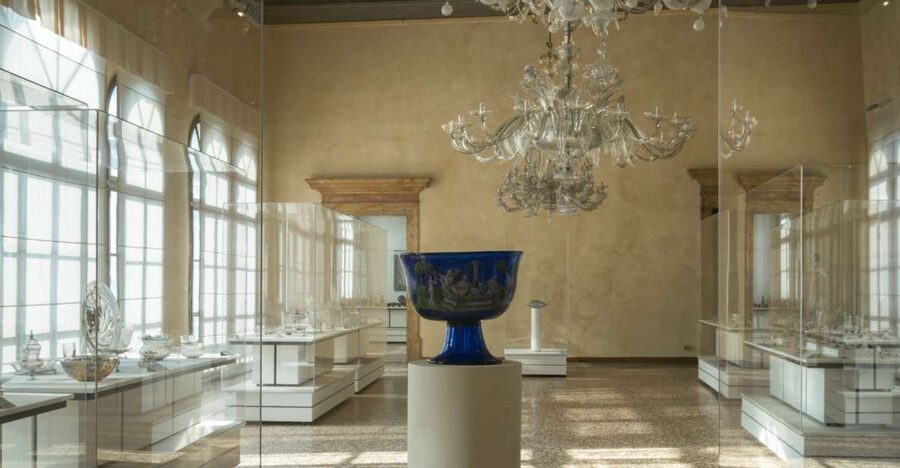
Venice is famous for canals, churches, and grand palaces, but Murano shows another side of the city: the careful, demanding craft that made this island known around the world. The Glass Museum gives you a chance to see that work as art, not just as something sold in brightly lit shop windows.
The visit is particularly useful if you have seen Murano glass in stores and want to understand what you are looking at. Instead of focusing on one type of object, the museum presents a broad collection arranged by period. That order matters. You can follow changes in style and technique rather than viewing a jumble of attractive objects with no clear connection.
I would allow this museum a place in your plans if you have already decided to visit Murano. At $11, admission is modest by Venice standards. It also gives your trip to the island a clear purpose beyond browsing shops, which can otherwise make the outing feel a little thin.
The museum works best as a self-guided stop. You are not tied to a group or a fixed speaking schedule. You can spend extra time with pieces that catch your eye, then move on when your interest fades.
More Museums in Venice
- Venice: St. Mark Basilica Ticket, Audioguide+History Gallery
★ 3.9 · 4,780 reviews - Venice: Leonardo Da Vinci Museum Entrance Ticket
★ 4.5 · 3,560 reviews - Venice’s Best: Basilica, Doge’s Palace, Gondola & History Gallery
★ 4.5 · 2,478 reviews
Starting with the oldest pieces
The collection is arranged chronologically, so the sensible way to visit is to begin with the earliest material and work forward. The exact route and display arrangement can change, but the basic idea is simple: you see how Murano glass developed across the centuries.
This approach helps you notice that glassmaking is not one fixed tradition. Shapes, decoration, color, and technical skill change over time. Even if you know little about the craft, the sequence gives you a basic framework for understanding what you see.
The older works may not have the instant visual punch of the grandest modern pieces. Give them time. Their value is partly historical and partly technical. They show the early foundations of an art that later became closely associated with Venice.
You may find that some objects look restrained compared with the more elaborate pieces farther along. That contrast is useful. The museum is not simply showing the most dazzling objects it owns. It is showing a long development, with each period adding something different.
Seeing 17th-century Murano glass
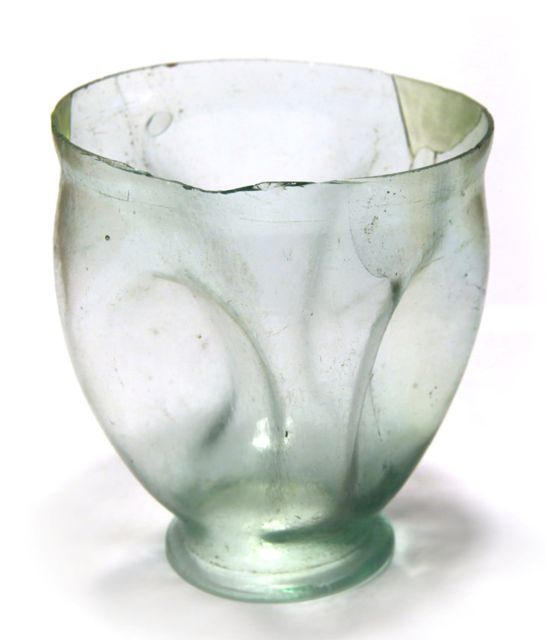
The 17th-century glasswork is one of the clear highlights. This period helps show how Murano glass became known for its fine finish, detailed decoration, and distinctive visual character.
For you, the value of these pieces is not just their age. They show how much can be done with a material that looks simple before it is shaped. Glass can be clear, colored, delicate, heavy, smooth, patterned, or decorated with tiny details. The museum gives you a chance to compare these choices directly.
This is also a good section for visitors who enjoy design. You can look at the objects as works of art, but you can also study their form. Ask yourself why a piece was made tall or low, thin or rounded, plain or heavily decorated. The museum does not require you to be an expert. Close looking is enough to make the visit worthwhile.
If your interest is mainly jewelry, this part of the collection can still be useful. It gives you a broader sense of the techniques and visual traditions behind the smaller pieces sold around Murano. The museum is not only for collectors of large glass objects.
From traditional techniques to famous masterpieces
As you continue, the collection brings together examples of Murano glass across the centuries, including world-famous masterpieces. These are the objects likely to provide the biggest visual reward, especially after you have seen the earlier work that sets the context.
The phrase Murano glass can bring to mind one narrow style, but the museum presents a wider picture. The collection shows how artists and makers worked with glass in different ways over time. That range is one of the strongest reasons to visit instead of simply buying a souvenir.
You can also look for signs of the technical skill involved in glassblowing and glass decoration. The museum experience is designed to help you grasp some of the secrets behind the craft. Since no live guide is included, you should treat this as a visual learning visit rather than a hands-on lesson or a scheduled demonstration.
That distinction is important. If you want a personal explanation from a glassmaker, this ticket is not designed for that. If you want to see finished work and follow the development of Venetian glass art on your own, it is a better fit.
A few other Venice mornings to weigh against this
- Venice: Grand Canal Gondola Ride with App Commentary
★ 4.1 · 18,908 reviews - Boat Trip: Glimpse of Murano, Torcello & Burano Islands
★ 4.3 · 15,699 reviews - Venice: Grand Canal by Gondola with Live Commentary
★ 4.1 · 13,681 reviews - Venice: Burano, Torcello & Murano Boat Tour w/Glassblowing
★ 4.4 · 10,245 reviews
A museum visit you control
The ticket gives you a full day of validity, but that does not mean you need to spend an entire day inside. The museum can serve as a focused stop during a wider Murano outing.
I like this flexibility. You can visit the galleries at a speed that suits you. If you are captivated by glass jewelry, you can linger over the pieces that relate to your interests. If you are traveling with someone who has a shorter attention span, you can keep the visit moving without holding up a guided group.
The lack of a live guide has two sides. You avoid the limits of a fixed tour, and you do not have to listen to commentary that may not match your interests. On the other hand, you will need to make your own connections between the objects and the periods.
This is where a little preparation helps. Before entering, decide what you want from the museum. You might focus on the development of glassblowing, the design of jewelry, the oldest objects, the 17th-century examples, or the famous masterpieces. A simple focus makes the self-guided format feel more rewarding.
The experience is also suitable for a short visit. One recent French booking described it as fairly quick but very interesting, which is a fair expectation to set. You can see a lot without giving up most of your day in Venice, but the museum may not fill a full day by itself.
Planning the trip to Murano
The museum is on Murano island, so you need to account for the journey from wherever you are staying in Venice. The basic ticket covers museum entry. A one-day public transport ticket can be included if you choose that option.
That transport choice matters most if you plan to make several trips using public transport during the day. I would compare the cost of the transport option with your planned travel before booking. The information provided does not specify the exact transport coverage or route details, so check the current terms when selecting your ticket.
If you are already buying a day transport ticket for Venice, you may not need to add another one through this activity. If you need transport and want one less detail to arrange, the combined option may be convenient.
Build in time to check the museum’s current opening dates and hours before leaving. The schedule can change, and the ticket is valid for one day rather than a fixed starting time. Checking first is especially important if your Venice visit is short or your Murano trip is planned around other timed activities.
The experience is wheelchair accessible. That makes it a practical choice for visitors who need an accessible museum stop, though you should still confirm current access details with the museum if you have specific requirements.
The Venice Access Fee and other practical details
On certain days between April 18, 2025, and July 27, 2025, visitors to Venice may need to pay an Access Fee directly to the City of Venice. Specific exemptions can apply, and the dates, payment methods, and exemption rules are handled through the official cda.ve.it website.
This fee is separate from the museum ticket. Do not assume that paying $11 for the Glass Museum covers it. Check the official Venice information before your visit so you know if the fee applies to your date and situation.
The museum ticket is non-refundable. That makes checking opening dates, hours, and your own schedule especially important before purchase. There is no live guide included, and no guide name is provided because the visit is independent.
The listed price is $11 per person. For a major museum collection focused on a craft so closely linked with the island, that is a reasonable price. The value is strongest if Murano glass is a real interest, or if you want a cultural stop that feels different from Venice’s better-known churches and palaces.
Who will enjoy this museum most
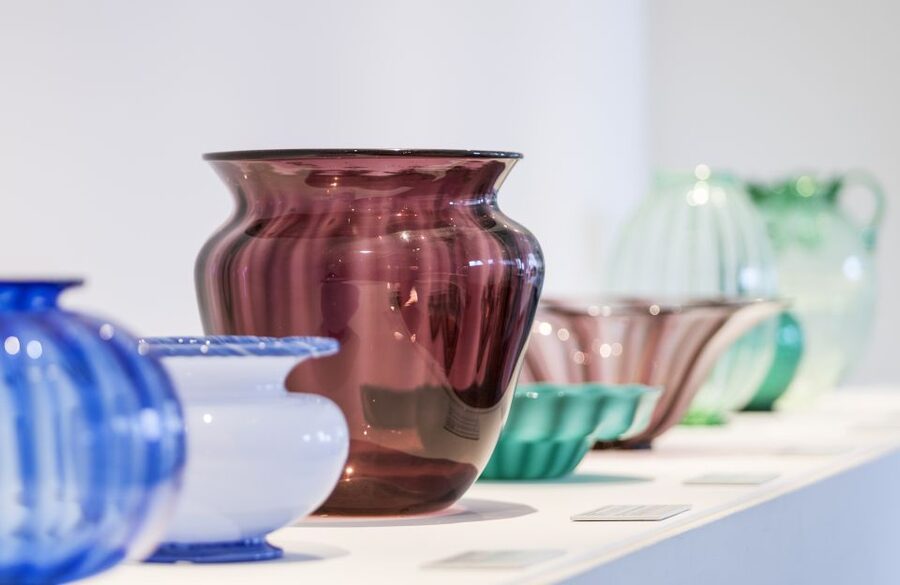
I would recommend the museum most strongly to people who already like Murano glass jewelry, decorative glass, design, or historic craft. The chronological collection gives you more than a quick look at pretty objects. It helps you see how the tradition developed.
It also suits visitors who prefer independent sightseeing. You can enter, follow the displays, pause where you like, and leave when you have had enough. There is no group pace to follow and no live commentary to distract you from your own interests.
Families can make the visit work, particularly if they set a simple challenge before entering, such as finding the oldest-looking object or choosing a favorite color and shape. Still, the museum may feel less engaging for very young children who need an interactive activity.
Art and design students may find useful inspiration in the range of forms and techniques. The museum lets you compare pieces from different periods in one place, which is much more useful than seeing isolated objects in separate shops.
I would be less enthusiastic about this ticket for someone who wants a live glassblowing show. The information supplied focuses on the museum collection and the history of glass art, not on a scheduled demonstration. You can learn about glassblowing and see stunning glasswork, but this is primarily a museum visit.
Is $11 good value for a one-day ticket?
At $11, the admission is easy to justify if you are making the trip to Murano. The museum provides access to the world’s largest historical collection of Murano glass, including 17th-century work and famous masterpieces. That is a strong cultural offering for a relatively low entry price.
The value drops if you are only mildly curious and must make a special trip solely for the museum. Since the visit can be fairly quick, you should combine it with other Murano plans rather than expecting the ticket to occupy an entire day.
The one-day validity gives you room to plan, but it is not a promise that you will need a full day inside. Think of the ticket as a flexible museum admission that can fit into a larger day on the island.
If you select the public transport option, judge the total price separately. The transport add-on may be useful, but its value depends on how much public transport you plan to use. The museum ticket itself is the simpler calculation.
Should you book Murano’s Glass Museum?
Book it if Murano glass is one of your reasons for visiting the island, if you enjoy design and historic crafts, or if you want a compact cultural stop away from central Venice. The chronological displays, 17th-century pieces, and famous works give the visit a clear purpose.
Think twice if you need a live guide, a hands-on glassblowing session, or a full-day attraction. This is a self-guided museum visit, and the experience may be short for anyone without a strong interest in glass.
For most Venice visitors already planning a Murano outing, I would book the $11 entry. Check the opening schedule first, decide if the transport option suits your day, and remember that the ticket cannot be refunded after purchase.
FAQ
Where is the Glass Museum located?
The Glass Museum is located on the island of Murano in Veneto, Italy.
How much does admission cost?
The listed admission price is $11 per person.
How long is the ticket valid?
The ticket is valid for one day.
Is a live guide included?
No. The visit is self-guided, and a live guide is not included.
Can I explore the museum at my own pace?
Yes. You can explore the museum independently and move through the collection at your own pace.
Is public transport included?
A one-day public transport ticket is included only if you select that option when booking.
Is the museum wheelchair accessible?
Yes. The activity is listed as wheelchair accessible.
Do I need to check anything before visiting?
Yes. Check the museum’s website for current opening dates and times. On certain dates between April 18, 2025, and July 27, 2025, a separate Venice Access Fee may also apply.
Fresh on the Venice list
- Venice Doge’s Palace & St. Mark’s Semi-Private Tour, Max 6 People★ 5.0 · 192 reviews
- Venice: Crimes, Legends, and Mysteries Sunset Tour★ 4.9 · 195 reviews
- Venice Small Group Walking Tour of Most-Famous Sites &Attractions★ 4.5 · 195 reviews
- Murano and Burano Islands Semi-Independent Tour★ 4.0 · 195 reviews
- From Venice: Dolomites Day Trip★ 4.8 · 197 reviews
- 4 hours Private Boat Tour to Murano, Burano with local real guide★ 4.5 · 203 reviews
- St Mark’s Basilica & Doge’s Palace with Secret Passages Access★ 4.5 · 204 reviews
- Murano and Burano half-day trip from Punta Sabbioni Jesolo★ 3.9 · 204 reviews
Gondola Rides & Venice Boat Tours, compared.

Grand Canal Gondola Ride with App Commentary
Read our review →
Boat Trip: Glimpse of Murano, Torcello & Burano Islands
Read our review →

Burano, Torcello & Murano Boat Tour w/Glassblowing
Read our review →
Murano and Burano Boat Tour with Glass Factory Visit
Read our review →
Murano, Burano and Torcello Half-Day Sightseeing Tour
Read our review →
Murano & Burano Islands Guided Small-Group Tour by Private Boat
Read our review →
Browse the lists this tour appears in