
Reviewed · GONDOLA RIDES & VENICE BOAT TOURS
Murano: Glass Factory Experience with Tour and Demonstration
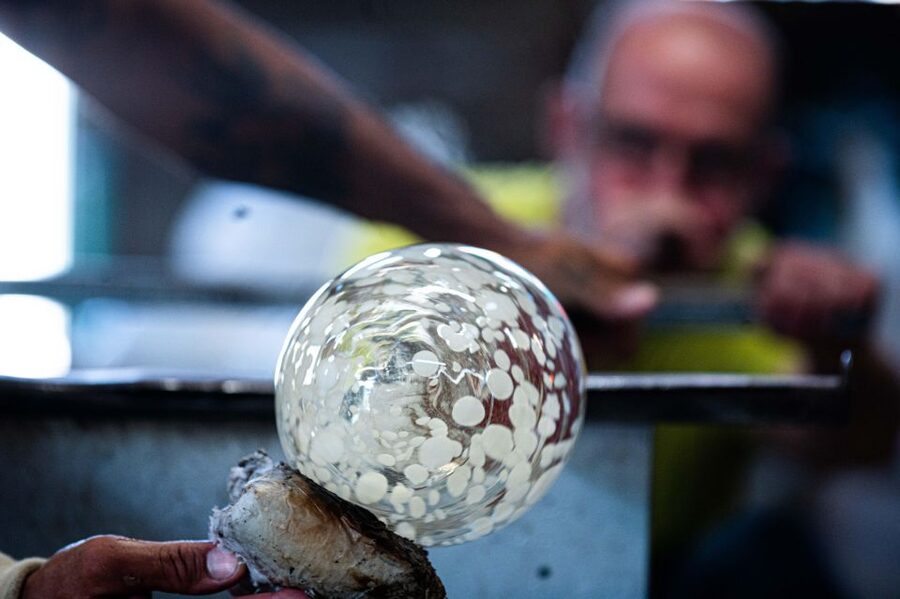
A glowing blob of molten glass becomes a bowl, vase, or delicate animal in minutes at Vetreria Artistica Colleoni. This short visit puts you close to the furnace and lets you watch two different skills: glass blowing and hand-sculpting. The guide explains each move while the master works.
I like the clear view from the seating and the €10 credit, which makes the roughly $11 price feel practical rather than wasted. I also like that children can follow the action without needing a long museum lecture. Guides such as Fabio and Nico have been singled out for friendly, useful explanations.
The catch is the length. At about 20 minutes, this is a compact introduction, not a full lesson in Murano’s craft or a slow factory tour. The workshop can also feel hot, and one part of the visit may be harder to hear when the glass master is working.
Key points at a glance
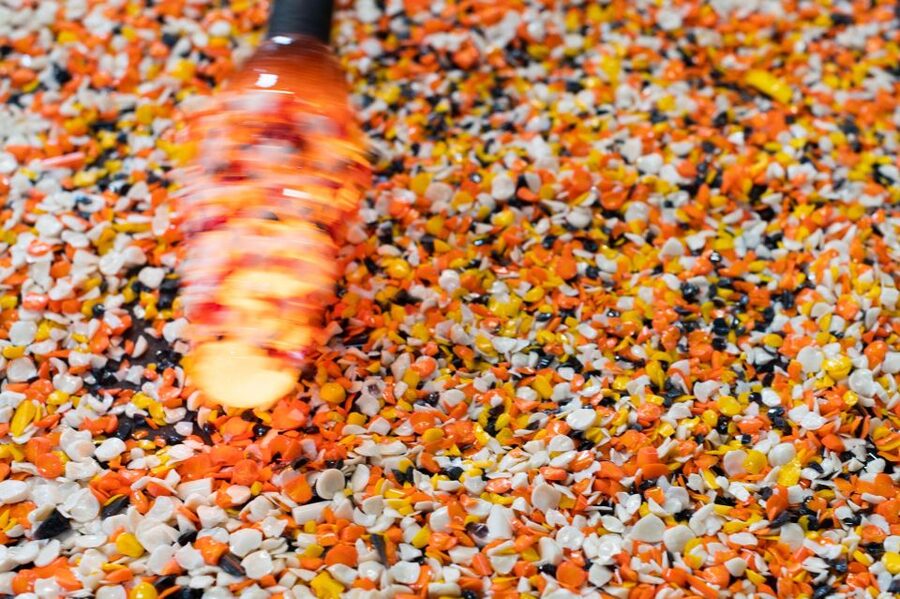
- Two live techniques: Watch a master blow a glass object, then shape a glass animal by hand.
- A real working factory: The demonstration takes place at Vetreria Artistica Colleoni, not just in a display room.
- €10 adult credit: Apply the credit to a purchase in the factory gallery.
- Three guide languages: Tours are offered in English, French, and Italian.
- A good family stop: Children and teens can see finished pieces take shape in just a few minutes.
- Easy to fit into a Murano visit: The scheduled experience lasts about 20 minutes, though you should allow extra time for the gallery.
What the Murano glass factory experience is really like
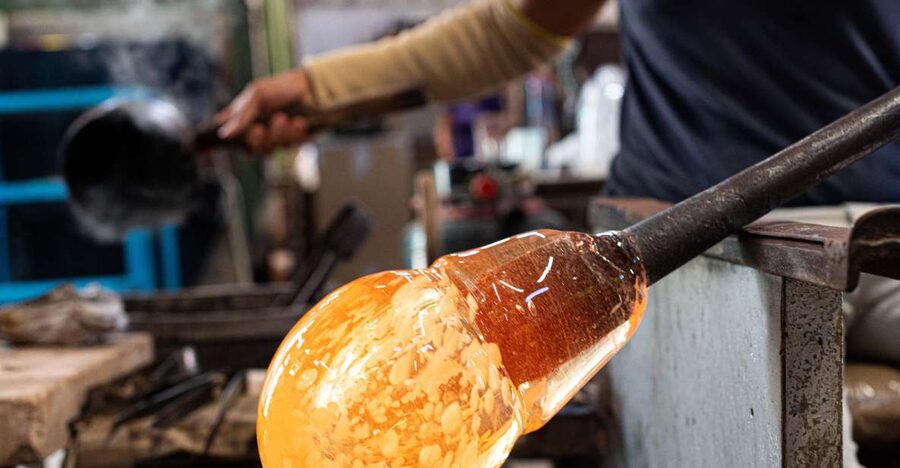
This is a demonstration first and a factory visit second. You arrive at the workshop, meet your guide, and take a seat where you can watch the glass master at work. The guide talks you through the process as the hot glass is gathered, shaped, stretched, and finished.
The most memorable part is the speed. A skilled craftsperson does not pause after every step to explain it. The guide fills in the gaps while the master keeps moving, using heat, gravity, tools, and breath to control the material.
You are not simply looking at a finished Murano ornament behind glass. You see the object while it is still being formed. That changes the way you look at the pieces in the gallery afterward, especially when you notice how much work is hidden inside a smooth bowl, colored sculpture, or tiny animal.
The visit is guided in English, French, or Italian. Several guides have made a strong impression through a warm, easy manner. Fabio is particularly good at making the presentation feel personal, while Nico has been praised for explaining the craft and answering questions.
The exact wording and amount of explanation can vary. One guide may give you plenty of background, while another may keep the commentary brief and let the demonstration do the talking. If you want more context, ask questions as soon as there is a pause.
A few other Venice mornings to weigh against this
- Venice: Grand Canal Gondola Ride with App Commentary
★ 4.1 · 18,908 reviews - Boat Trip: Glimpse of Murano, Torcello & Burano Islands
★ 4.3 · 15,699 reviews - Venice: Grand Canal by Gondola with Live Commentary
★ 4.1 · 13,681 reviews
The first demonstration: watching glass blown into shape
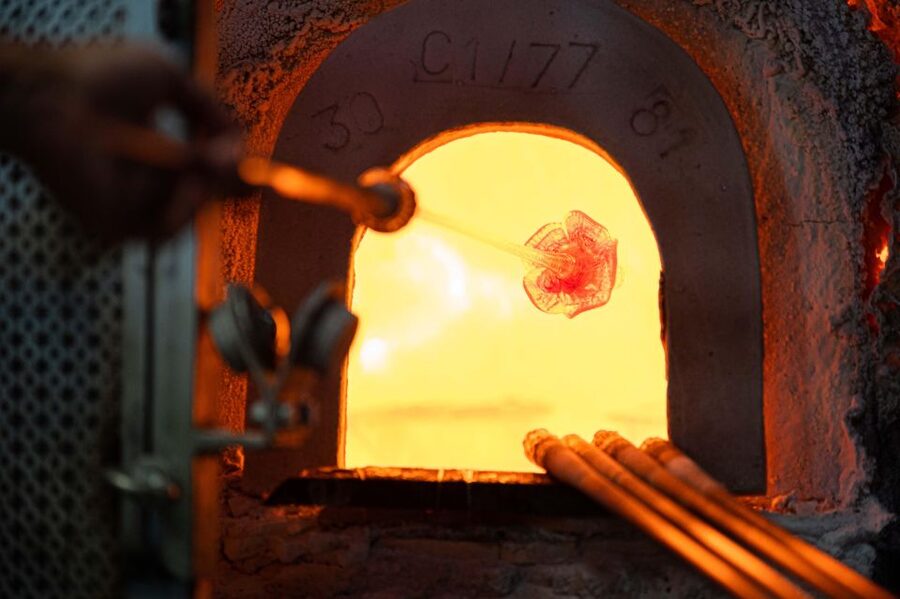
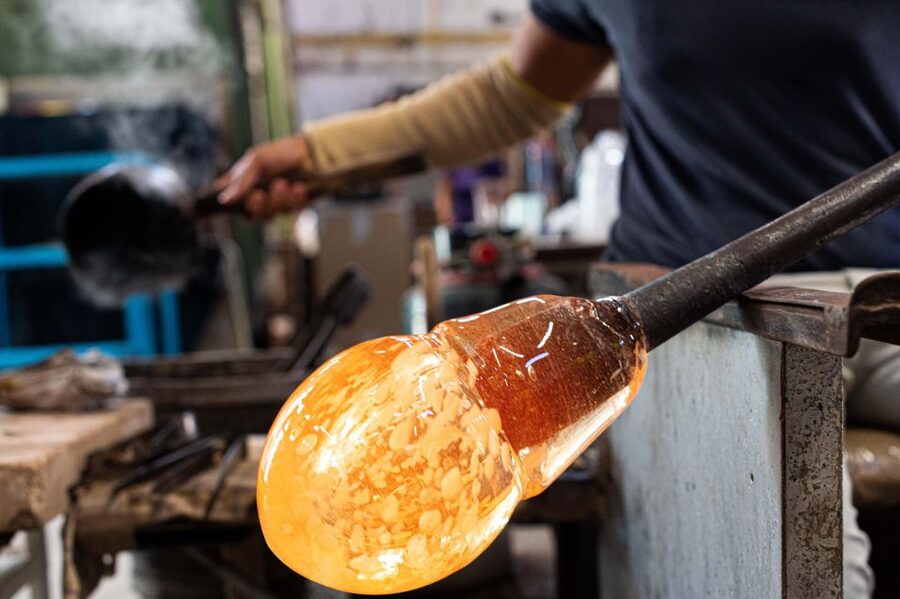
The first main display uses the blowing technique. The master heats and gathers molten glass, then works it with tools before blowing through a long pipe to expand the form.
You might see a bowl or another rounded object take shape. A particularly striking demonstration described by visitors involved a large custom vase, about 24 inches high, with colors and changing forms. Even if your session features a smaller object, the basic lesson is the same: the maker must judge the heat and thickness constantly.
Glass is difficult to control because it moves as it cools. The master has only a limited time to shape it before the material stiffens. A quick turn of the pipe can alter the balance, while a small tool mark can change the final outline.
This is where the guide’s explanation matters. Without commentary, you might see a craftsman turning a pipe and wonder what each tool does. With a good explanation, you begin to understand that the pace is part of the skill. The maker is not rushing randomly. The glass is cooling, and the work must keep up.
The demonstration is close enough to be visually strong, but the factory is an active work area. Expect heat, light, and the ordinary sounds of a workshop. A visitor specifically noted that the factory was very hot, so dress for comfort rather than assuming the room will feel like a cool gallery.
The second demonstration: a glass horse takes form
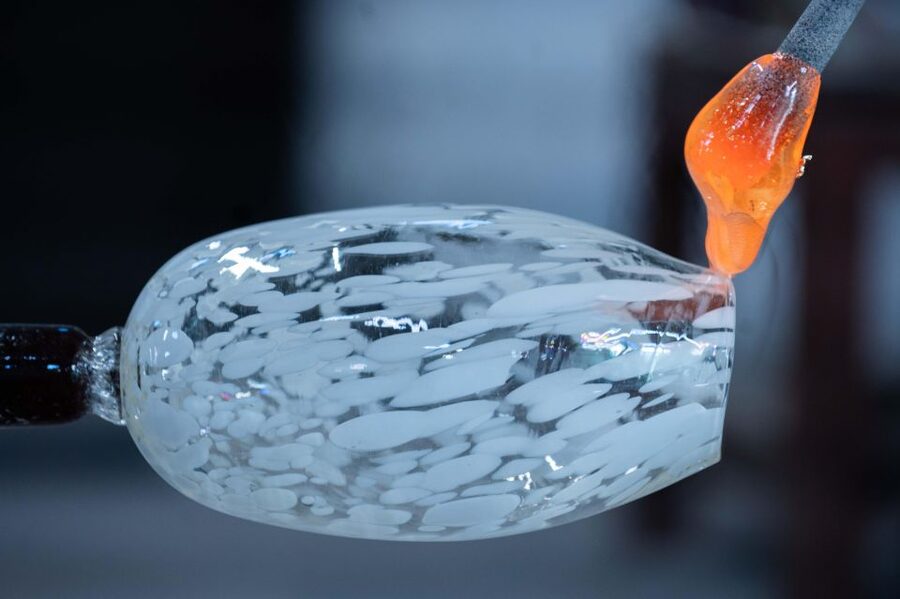
The second technique is sculpture. Instead of making a hollow object mainly through air and rotation, the master shapes the heated glass into a recognizable figure.
The glass animal is often the crowd favorite. A horse has been created during several sessions, and children tend to enjoy watching the shapeless material become an animal with legs, a body, and a head.
This part shows a different kind of control. The master must pull and pinch the glass into small forms before it cools, while keeping the whole figure balanced. It is a fast lesson in proportion and timing.
For families, this is one of the best reasons to choose the experience. A three-year-old can understand the basic magic of a glowing material becoming an animal, while older children and teens can appreciate the precision behind it. The short format also helps if your family has limited patience for long museum visits.
You may see two masters working at once, depending on the session. One demonstration was described as being made simultaneously by two glassblowing masters. That can make the action more lively, but it also means you should pay attention to where the guide directs your eyes.
Why the 20-minute length can be a strength
Twenty minutes sounds brief, and it is. You should not book this expecting a detailed history of Murano, a hands-on workshop, or a full tour of every production room.
Still, the short length works well in Venice. Murano is often combined with other islands or with a half-day away from the central sights. This visit gives you a focused look at the island’s signature craft without taking over your schedule.
I would place it between other Murano stops rather than plan an entire day around it. The demonstration itself may last close to the advertised 20 minutes, but you will want extra time in the gallery afterward. Add time for finding the meeting point and browsing, especially if you are considering a purchase.
The compact format is also useful for children, first-time visitors, and anyone who wants to see glassmaking without committing to a longer presentation. The trade-off is that you may leave with questions about the company, the island’s craft traditions, or the difference between various glass techniques.
If that background matters to you, ask the guide directly. The explanation is available in three languages, and guides have answered questions during the presentation.
Same city, an entirely different afternoon:
- Venice: Doge’s Palace Reserved Entry Ticket
★ 4.6 · 42,716 reviews - Venice: La Fenice Opera House Entry Ticket with Audio Guide
★ 4.6 · 11,742 reviews - Doge’s Palace & St. Mark’s Basilica with Terrace Access Tour
★ 4.7 · 10,697 reviews - Venice: Burano, Torcello & Murano Boat Tour w/Glassblowing
★ 4.4 · 10,245 reviews
The gallery: chandeliers, sculptures, and small souvenirs
After the workshop demonstration, the visit continues into the shop and gallery. This is where you can slow down and see the finished work properly.
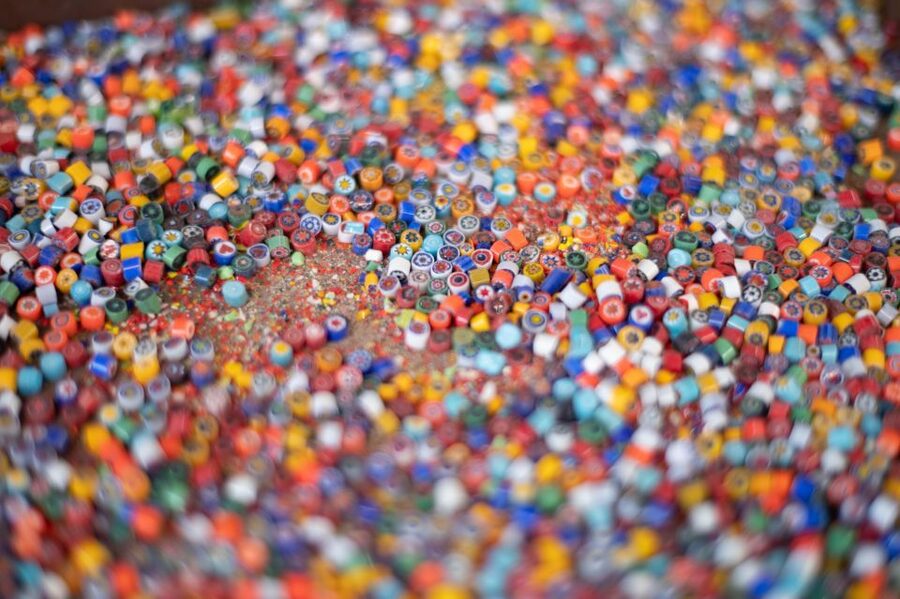
The collection includes chandeliers, sculptures, jewelry, ornaments, and smaller pieces. The range matters because Murano glass can be a major purchase, but it does not have to be. Smaller objects give you a way to take home something handmade without finding room for a large sculpture in your luggage.
The gallery also gives you a useful second look at the techniques. After watching a horse being shaped, you can compare it with finished animal figures. After seeing a vase formed from hot glass, you can inspect the color, surface, and balance of similar pieces on display.
Some visitors have found older pieces from a classic collection that are no longer being made. Availability changes, so you should not count on finding a particular design. But it is worth looking beyond the largest and most polished objects.
The €10 credit per adult can be used toward a purchase at the factory. At the current listed price of about $11 per person, this makes the visit especially good value if you already want a small Murano souvenir. The credit is not a cash refund, and it applies to purchases in the factory gallery, so check the terms at the time of your visit.
You may find items priced close to €10, which allows you to use much of the credit without making a larger purchase. If you want a more substantial piece, treat the credit as a reduction rather than assuming it covers the full cost.
Take your time here. The demonstration is fast, but the gallery is the place to compare colors, shapes, and prices. You can also ask staff about the pieces before buying. Some visitors have left with jewelry or small art objects, while others chose one special piece as a lasting souvenir.
Getting to the meeting point in Murano
The meeting point is Vetreria Artistica Colleoni Snc, Fondamenta S. Giovanni dei Battuti, 12, 30141 Venezia VE, Italy. Go directly to the glass factory and arrive about five minutes before your scheduled start.
Transportation to and from Murano is not included. You need to arrange your own way to the island and allow time to walk to the factory once you arrive. Murano is not one single compact attraction, so do not assume that reaching the island means you are already at the workshop.
Use the full address when planning your route. Some visitors have found the location harder to locate than expected, and one person reported a fairly long walk. Arriving early is sensible, especially if you are connecting from another island or trying to keep a tight schedule.
Once inside, the facilities include seating, toilets, and water. Seating is useful because it lets everyone watch without constantly shifting position. Parents with young children should still keep them close, since this is a hot working environment rather than a hands-on play area.
The experience is wheelchair accessible. Transportation details remain your responsibility, so check your route to the factory before booking a particular time.
Who will enjoy this most
I would recommend this to several types of visitors:
- Families: The live transformation from hot glass to bowl or animal is easy for children to follow.
- First-time Murano visitors: You get a direct introduction to the island’s best-known craft.
- Shoppers: The €10 credit gives you a practical reason to visit the gallery.
- Art and design fans: The demonstration helps you understand the labor behind finished pieces.
- Cruise or short-stay visitors: The 20-minute presentation is simple to fit into a busy day.
- Budget-conscious visitors: The low entry price is partly offset by the purchase credit.
I would be more cautious if you want a long technical explanation or a full account of Murano’s development. The tour gives you a vivid look at the making process, but it does not promise a museum-style presentation.
It also may not suit you if you dislike shopping pressure. The gallery follows the demonstration, and the €10 credit naturally encourages a purchase. You are free to browse, but remember that the credit is a buying incentive, not part of the factory tour itself.
Is the $11 price good value?
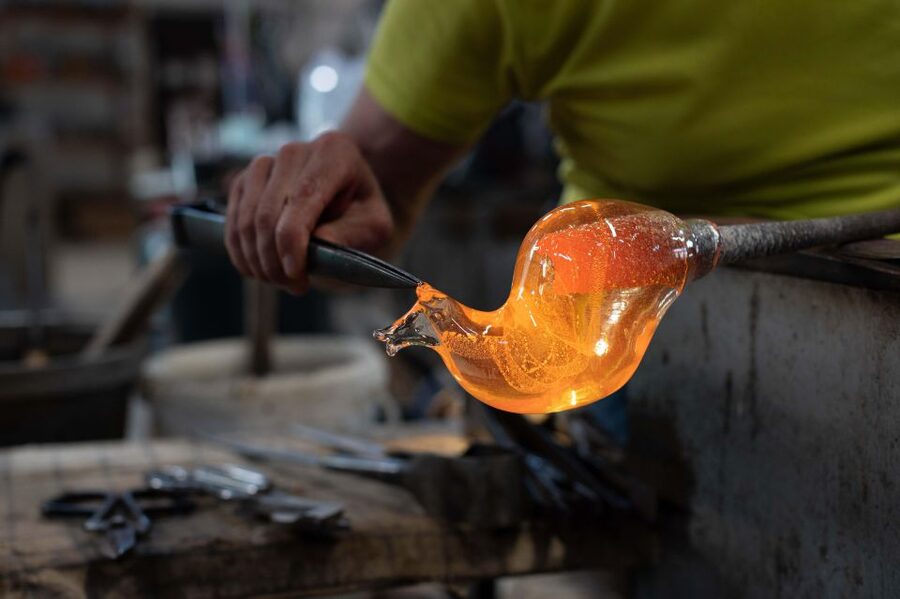
At about $11 per person, the price is modest for a live craft demonstration in Venice. The value is strongest when you use the €10 adult credit, since a small souvenir can bring your out-of-pocket cost close to the cost of the experience alone.
The credit also makes this different from a standard look-only tour. You pay for the guide and demonstration, then receive a useful amount toward something made at the same factory.
The main limitation is that you are paying for a short visit. If the gallery does not interest you and you want a longer explanation, the price may feel less attractive. If you enjoy watching skilled makers and would like a small piece of Murano glass, the combination is much easier to justify.
A family of four can also make reasonable use of the credits, since each adult receives €10. The supplied details specify the credit per adult, so confirm how it applies to children when booking if that affects your budget.
Practical advice before you go
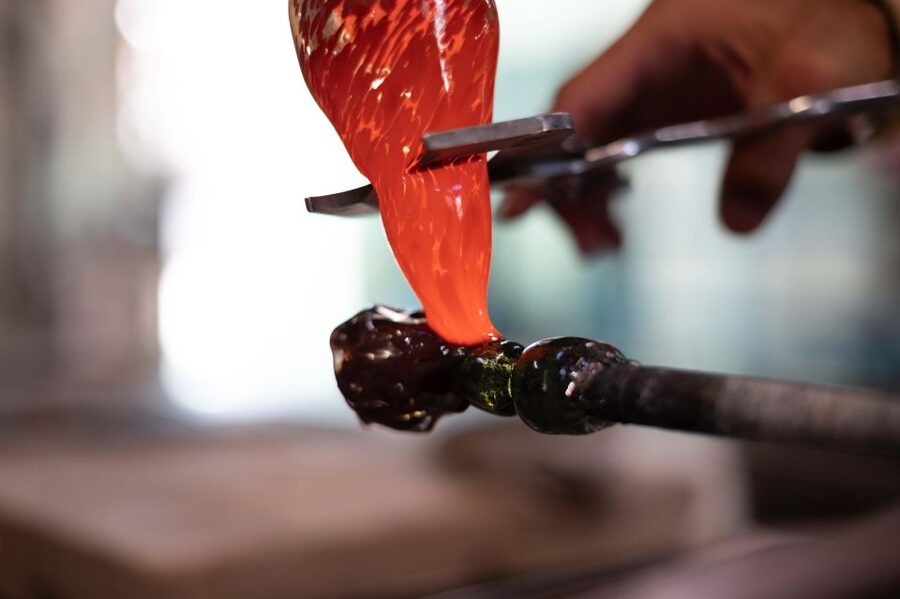
Arrive five minutes early, but allow extra time for the walk to the factory. Have the full address ready rather than relying on finding the venue by chance.
Wear comfortable clothing for a warm workshop. The factory can feel hot, especially during active demonstrations.
Sit where you have a clear view, then listen for the guide’s explanation of the technique. If the room is noisy or you cannot hear well, move closer when possible or ask the guide to repeat an important point.
Keep your camera ready, but do not let photography replace watching the craft. The most interesting moments pass quickly, particularly when the master shapes the animal figure.
Save time after the demonstration for the gallery. You do not need to buy a large chandelier to use the credit. Look for jewelry, ornaments, and smaller objects if you want something easier to pack.
The activity offers free cancellation up to 24 hours in advance, and you can reserve now and pay later. That flexibility is useful when your Venice plans depend on weather, ferry connections, or changing island visits.
Should you book the Murano glass factory experience?
Book it if you want a short, affordable, visual introduction to Murano glassmaking. The live work is the point: watch the master blow an object, see a glass horse or another animal take shape, then browse the finished pieces with €10 credit in hand.
Skip it if you expect a long factory tour, extensive historical background, or hands-on glassmaking. You will get a concentrated 20-minute demonstration, not a full course.
For most people already planning to visit Murano, this is an easy addition. It gives the island a human scale, turns finished glass into something you understand, and leaves room in the day for further exploring. Just arrive early, plan your route carefully, and remember that the workshop is hot and the demonstration moves fast.
FAQ
How long does the Murano glass factory experience last?
The activity lasts about 20 minutes. You should allow extra time to find the factory and browse the gallery afterward.
Where is the meeting point?
Meet at Vetreria Artistica Colleoni Snc, Fondamenta S. Giovanni dei Battuti, 12, 30141 Venezia VE, Italy. Arrive about five minutes before the scheduled start.
What glassmaking techniques will I see?
You will see a master create an object using the blowing technique and then demonstrate sculpture work by making a glass animal.
Is transportation to Murano included?
No. Transportation to and from Murano is not included. You must arrange your own way to the island and reach the factory.
What languages are available?
The live guide speaks English, French, or Italian.
How does the €10 credit work?
Each adult receives €10 credit toward a purchase at the glass factory gallery. The credit is not transportation or a cash refund, and it is applied to a purchase at the factory.
Fresh on the Venice list
- Murano: Glass Blowing Demonstration and Artistic Glass Gift★ 4.6 · 507 reviews
- From Venice: Dolomites, Lake Misurina, and Cortina Day Trip★ 4.6 · 508 reviews
- Venice Islands: Murano Glass & Burano Colors Guided Visit★ 4.5 · 510 reviews
- The Majestic Teatro La Fenice: Guided Tour in Venice★ 4.3 · 513 reviews
- Real Venetian Kayak – Tour of Venice Canals with a Local Guide★ 4.5 · 518 reviews
- Venetian Carnival Mask Making Class in Venice, Italy★ 4.5 · 525 reviews
- Half Day Murano and Burano Island Tour by Private Boat★ 4.5 · 529 reviews
- Venice Trilogy: Murano, Burano & Torcello by Lagoon Boat★ 4.5 · 532 reviews
Gondola Rides & Venice Boat Tours, compared.
Grand Canal Gondola Ride with App Commentary
Read our review →
Boat Trip: Glimpse of Murano, Torcello & Burano Islands
Read our review →

Burano, Torcello & Murano Boat Tour w/Glassblowing
Read our review →
Murano and Burano Boat Tour with Glass Factory Visit
Read our review →
Murano, Burano and Torcello Half-Day Sightseeing Tour
Read our review →
Murano & Burano Islands Guided Small-Group Tour by Private Boat
Read our review →
Browse the lists this tour appears in