
Reviewed · WINE TASTINGS
Montalcino: Guided Winery Tour and Wine Tasting
The best part of this Montalcino visit is that it starts with the vineyard, not the wine glass. You walk among the vines, see where the grapes begin, then follow their path through processing rooms and into a cross-vaulted cellar. By the time you sit down to taste six wines, you understand why soil, weather, barrels, and amphorae matter.
I like the way the tour links biodynamic farming and terroir to the finished wine, rather than treating the tasting as a string of pours. I also like the choice of four tasting themes, from six Brunelli to a comparison between Montalcino and Maremma. The main drawback is that the $53 price covers wine and water, not food, so arrange a meal separately if you want something to eat with the tasting.
Key points at a glance
- Six wines in three flights: You taste at a table after a short introduction to each flight, then consider the wines at your own pace.
- A real vineyard-to-cellar route: The 60-minute tour covers the vines, grape processing area, and cross-vaulted cellar.
- Four tasting paths: Choose Brunello-focused wines, the Corte Pavone range, a Maremma and Montalcino comparison, or Valdifalco wines from Maremma.
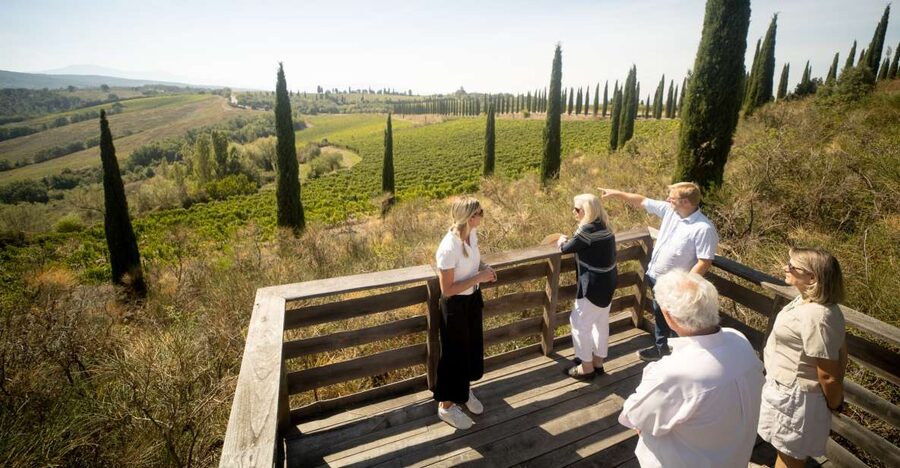
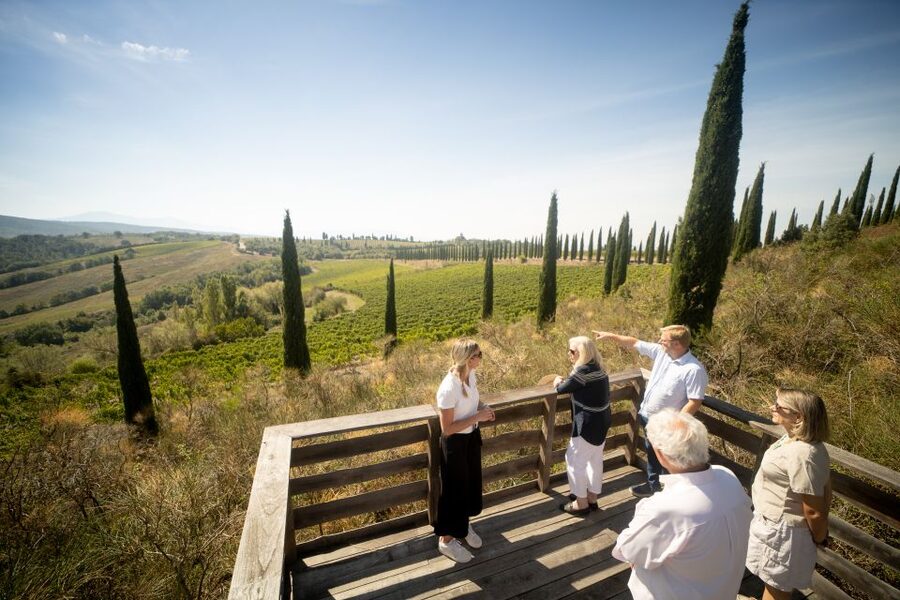
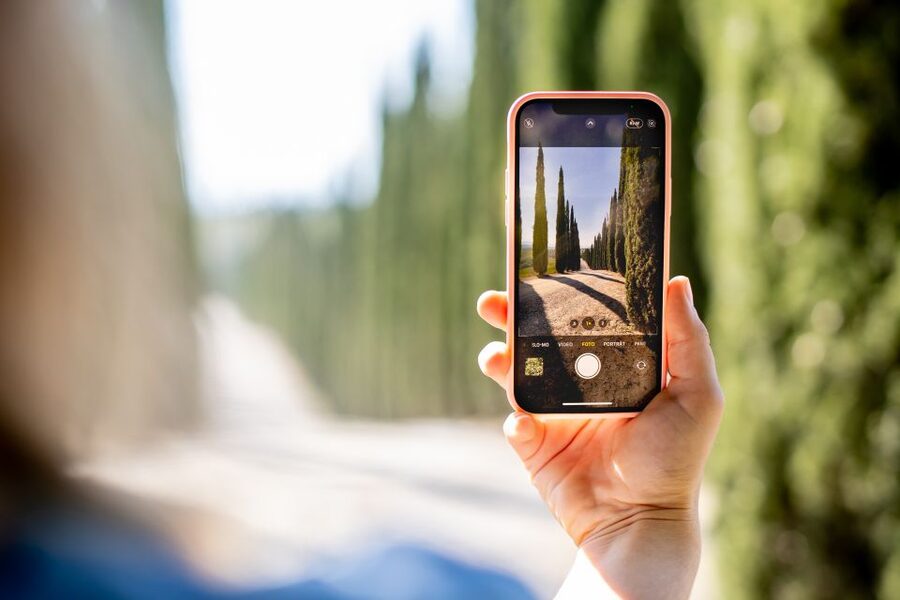
- A beautiful rural setting: The approach leads through cypress trees to Corte Pavone Winery, with broad views around the property.
- Personal guiding matters here: Guides named Andrea and Emma have been singled out for clear, friendly explanations.
- A compact half-day stop: The full experience lasts 105 minutes, making it easy to fit into a day around Montalcino or Val d’Orcia.
Why this is more than a standard wine tasting
Montalcino is best known for Brunello di Montalcino, a wine made from Sangiovese. It is easy to visit a winery, hear a few production terms, and then taste without understanding much of what is in the glass. Corte Pavone takes a more useful approach: the guide starts at the source.
You first see the vineyards and hear about the winery’s philosophy and working methods. That matters because wine tasting becomes far less mysterious when you can connect the final flavors to the grape variety, growing place, and treatment in the cellar.
The biodynamic angle adds another layer. The experience focuses on the natural environment and how it affects the wine. You are encouraged to think about terroir, the combination of place and growing conditions that gives wines from nearby areas their differences.
This is not a quick stop where you stand at a counter and taste one wine after another. The schedule gives you an hour for the tour and 45 minutes for the tasting. That is enough time to ask questions, look closely at the working areas, and taste without being rushed.
More wine tastings in Italy:
- Tuscany Day Trip from Florence: Siena, San Gimignano, Pisa and Lunch at a Winery
★ 5.0 · 21,634 reviews - Florence: Pisa, Siena, San Gimignano, and Chianti Experience
★ 4.5 · 8,393 reviews - Florence: Chianti Wineries Tour with Wine Tasting
★ 4.5 · 8,301 reviews
Arriving at Corte Pavone through the cypress avenue
Corte Pavone Winery is outside Montalcino, so you need your own way to reach the property. From Montalcino, drive toward Grosseto and S. Angelo in Colle. After about one kilometer, turn right at the crossroads, then continue for roughly three kilometers toward Castiglion Del Bosco.
Keep right until you reach a large avenue lined with cypress trees. This is the entrance to the winery. The directions are specific, but you should allow time to follow them carefully, since this is not a meeting point in central Montalcino.
The setting is part of the appeal. The cypress-lined approach gives the arrival a sense of occasion, and the vineyard views make the visit feel tied to rural Tuscany rather than separated from it. Several people have praised the property itself, calling the surroundings beautiful and the view exceptional.
The location also means this works best as part of a driving day in the Montalcino and Val d’Orcia area. If you plan to taste wine and drive afterward, keep that practical issue in mind. The tour provides water, but no food is included.
The first hour: vines, grape processing, and cellar work
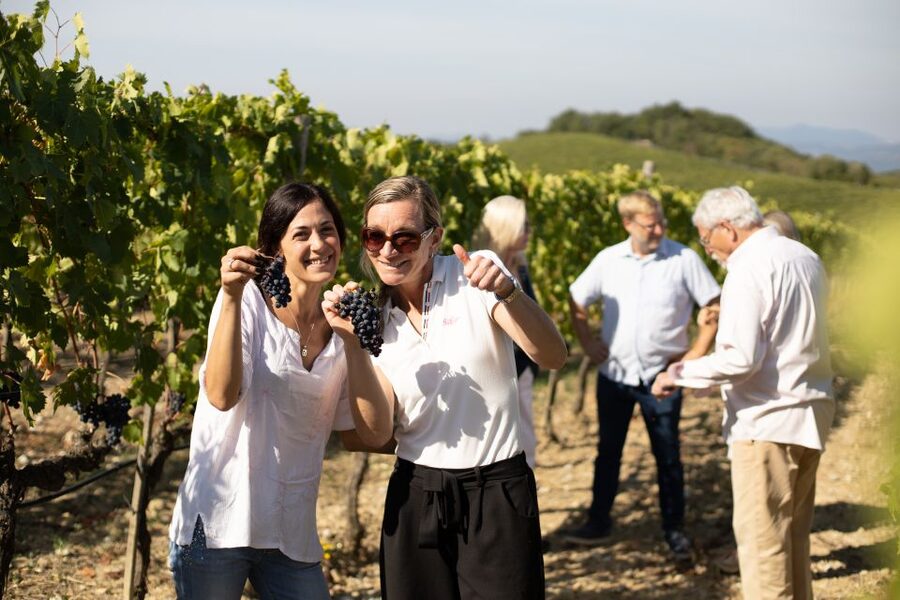
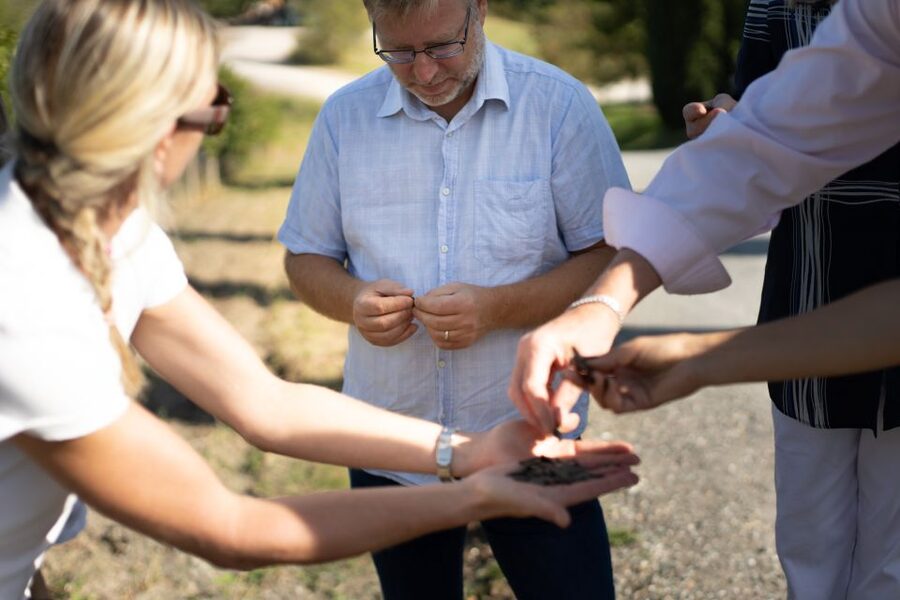
The walking tour begins in the vineyards. Your guide explains where the grapes come from and how the winery works with the land. You can look, smell, and touch the vineyard environment while hearing how the natural setting influences the wine.
That hands-on beginning is useful for first-time wine visitors. You do not need to know the difference between Brunello, Rosso di Montalcino, and a single-vineyard wine before arriving. The guide builds the explanation from the ground up.
Next comes the grape processing area. Here, the focus shifts from growing to production. You learn how grapes are handled and how the raw material becomes wine. If you visit during harvest, the working side of the winery may be especially active. One October visit included a chance to see grapes being harvested and sorted, with the must being moved from tank to tank.
Timing can affect what you see in this part of the tour. Harvest activity is seasonal, so you should not expect to see the same work on every date. The core explanations of grape and wine processing remain part of the visit, but the live action will depend on the time of year.
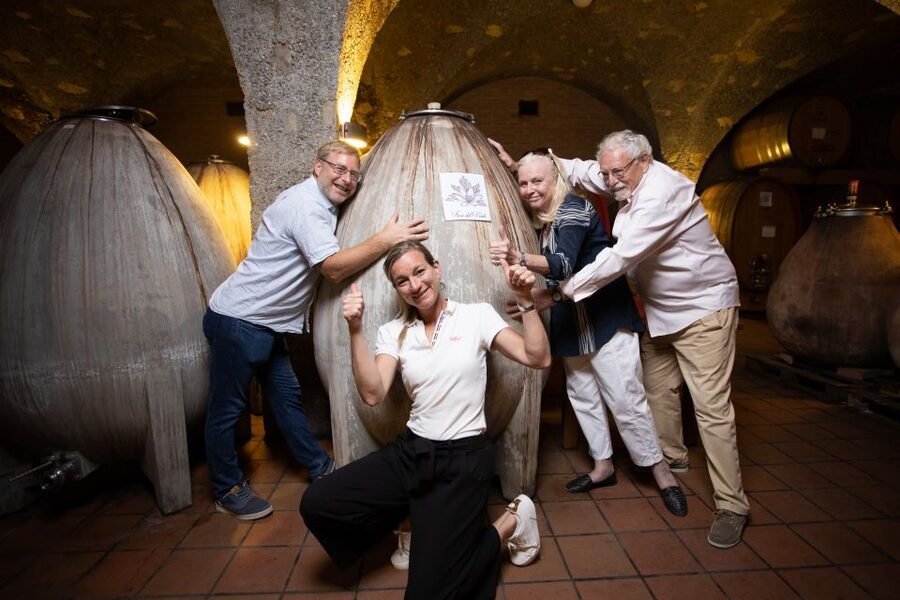
The final part of the tour enters the cross-vaulted cellar. This is where the guide explains aging and the effect of different vessels. You learn why wine may develop differently in wooden barrels or amphorae.
That point is especially valuable during a Brunello tasting. Instead of hearing only that a wine is aged, you gain a basic idea of how the vessel can shape the result. The tour does not ask you to memorize technical terms. It gives you enough background to pay attention to texture, aroma, and structure when the glasses arrive.
The 45-minute tasting: six wines in three flights
After the walk, you sit at a table in the tasting room or on the terrace. Six wines are served in three flights. The guide introduces each flight briefly, then you taste the wines independently.
That format gives you room to form your own opinion. You can listen to the introduction, smell the wine, taste it, and compare it with the next glass. The point is not to find a single correct answer. It is to notice how different wines express the grape and place.
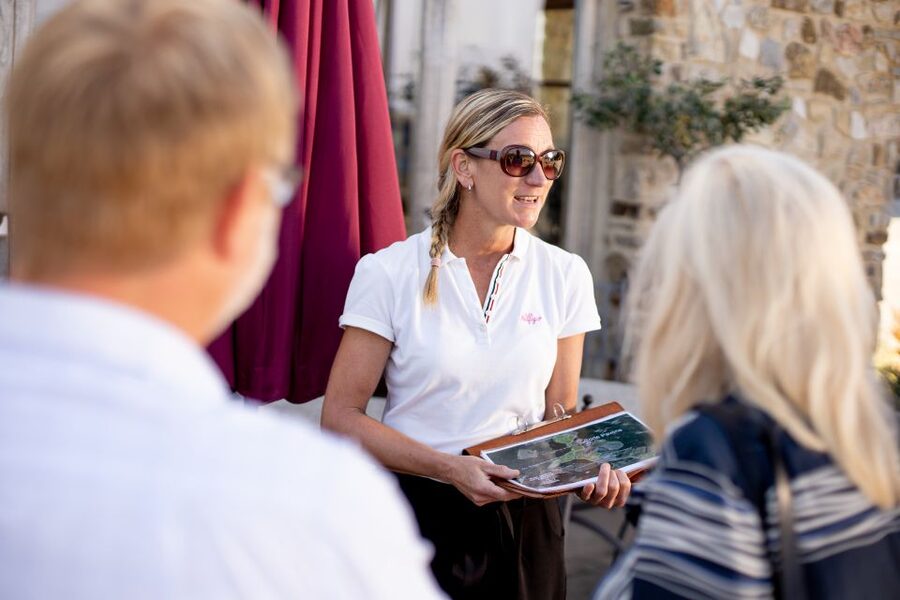
The tasting is also a good moment to ask questions. The guides are expected to speak English or Italian, and the experience is designed around discussion rather than a silent series of pours. Andrea has been praised for making a small morning tour feel personal, while Emma has been described as kind and attentive. Guide assignments can change, but the experience has a strong emphasis on clear explanations and conversation.
The terrace adds another choice. On a pleasant day, tasting outdoors lets you keep the vineyard setting in view. The indoor tasting space is the safer option if the weather is poor or you want a more focused setting.
A few other Italy mornings to weigh against this
- Small-Group Wine Tasting Experience in the Tuscan Countryside
★ 5.0 · 7,392 reviews - Rome: Tuscany & Montepulciano Day Trip with Lunch & Wine Tasting
★ 4.5 · 5,232 reviews - Winner 2025 Rome Twilight Trastevere Food Tour by Eating Europe
★ 5.0 · 5,157 reviews - SMALL-GROUP Wine Safaris: Tuscan Wine Tasting Tours from Florence
★ 5.0 · 5,088 reviews
Choosing among the four tasting options
The four tasting menus are not minor variations. Your selection changes the story you will hear and the comparisons you will make.
Dynamic Brunello Cru Tasting
This is the most focused choice for Brunello fans. It includes one vintage Brunello, three Brunello Cru wines from single vineyards, and two Brunello Cru Riserva wines.
The value here is comparison. You taste several expressions of Brunello rather than moving across a broad range of wine styles. If your main reason for visiting Montalcino is to understand the area’s top wines and how individual vineyard sites differ, this is the most direct option.
It may be less suitable if you want a wide introduction to the Corte Pavone range or if you prefer to compare regions. Six Brunelli can be a lot of one grape and one local identity, especially for someone still learning what styles they like.
Signature Corte Pavone Tasting
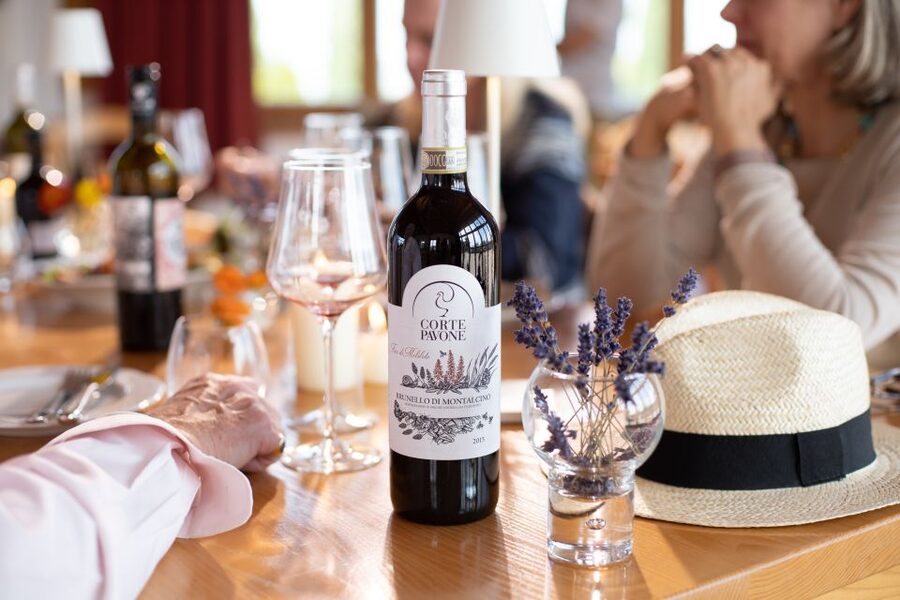
This menu offers a broad look at the winery’s range. It includes Le Perle di Pavone Spumante, Rosso di Montalcino, Levante, Brunello di Montalcino, Brunello Cru, and Brunello Cru Riserva.
This is the most varied option within the Corte Pavone portfolio. You move from sparkling wine to Rosso and then through several Brunello expressions. I would choose it if you want to understand how one grape variety, Sangiovese, can appear in different forms.
It also creates a natural progression for the tasting. You are not comparing only prestigious bottles. You are seeing how the winery presents different levels and styles of wine.
Maremma and Montalcino Tasting
This option compares two wine areas about 70 kilometers apart. You taste six selected wines from Valdifalco in Maremma and Corte Pavone in Montalcino.
For a visitor planning to see both parts of southern Tuscany, this is likely the most useful choice. The tasting turns geography into something you can actually sense. You can ask how the two regions differ and then look for those differences in the glass.
The short distance between the wineries makes the comparison even more interesting. The point is not that one area is better. The point is that two nearby places can produce wines with different character.
Signature Valdifalco Tasting
This tasting concentrates on Maremma and the Valdifalco winery. Its six wines are selected to show the character of that region.
Choose this if your route includes Maremma or if you want to move beyond a Montalcino-only experience. It gives the local environment and winery identity the main stage, rather than treating Maremma as a side comparison.
If Brunello is your clear priority, the Dynamic Brunello Cru menu will probably suit you better. If you want a broader understanding of southern Tuscan wine, the Maremma and Montalcino option gives you more contrast.
What the $53 price gets you
At $53 per person, the tour is not the cheapest way to taste wine in Tuscany. The price makes more sense when you count the full 105 minutes: a guided vineyard walk, access to the grape processing area, a cellar visit, a structured tasting of six wines, and water.
You are paying for context as much as for the wine. A tasting alone can be pleasant, but this experience explains why the six wines differ. That makes the price fair for people who want to learn, especially if this is your main winery visit around Montalcino.
The cost is harder to justify if you only want a quick drink or if you do not care about production methods. It is also worth noting that food is not included. A small lunch to accompany the wine may be available as a separate arrangement, but it must be booked early. Do not arrive expecting a meal with the tasting.
The wines may also tempt you to spend more at the end. One visitor left with several bottles, and another noted that Italian friends approved of the vineyard purchases. Buying wine is optional, but the range of Brunello and Cru bottles makes this a natural place to select something for home.
Who will get the most from this visit
I would recommend this tour to anyone who wants more than a postcard view and a few sips. It suits curious beginners because the guide explains the process in a clear order, from grape to cellar to glass.
It also suits experienced wine drinkers who want to compare single-vineyard Brunelli or examine the differences between Montalcino and Maremma. The four tasting choices let you shape the visit around your interests.
Couples may particularly like the smaller, more personal feel that can occur on quieter departures. One morning group consisted of only two people, allowing a long conversation with the guide. You should not count on having a private tour, but the possibility is a pleasant advantage.
The visit is less suited to anyone looking for a full meal, a long lunch, or a large social event. It is also listed as unsuitable for pregnant women. The tour is available in English and Italian, so check that your preferred language is offered when choosing a time.
Useful timing and planning advice
The visit lasts 105 minutes, split into about one hour of touring and 45 minutes of tasting. That compact schedule makes it easy to fit between other stops, but you should add driving time from Montalcino and time afterward if you plan to buy wine or continue sightseeing.
Wear something comfortable for walking through the vineyard. The experience is not just a seated tasting, and the outdoor portion is central to its value. The terrace may be used for tasting, so weather can affect your preferred setting.
Book ahead if you want lunch with the wine. Food is not part of the standard experience, and the separate lunch option needs advance planning.
The booking terms are flexible: you can cancel up to 24 hours before the activity for a full refund, and you can reserve now and pay later. Starting times vary, so check availability when you choose your date.
Final verdict: should you book Corte Pavone?
I would book this if you are spending time around Montalcino and want a guided introduction to Brunello, vineyard practice, and cellar work in one well-paced visit. The strongest reasons are the beautiful property, the vineyard-to-cellar route, the six-wine tasting, and the chance to choose a theme that fits your interests.
Choose the Dynamic Brunello Cru tasting for a serious Brunello comparison. Pick the Signature Corte Pavone menu for the broadest look at the winery. Choose Maremma and Montalcino if regional contrast matters most.
Skip it if you want lunch included, dislike structured wine education, or need a central Montalcino meeting point. For everyone else, $53 buys a useful and enjoyable look at how Tuscan wine gets from the vine to your glass.
FAQ
Where does the winery tour take place?
The experience takes place at Corte Pavone Winery near Montalcino, Tuscany.
How long does the full activity last?
The activity lasts 105 minutes, including a 60-minute guided tour and a 45-minute wine tasting.
How many wines are included?
You taste six wines served in three flights.
What parts of the winery will I visit?
The tour includes the vineyards, grape processing area, and cross-vaulted wine cellar.
Which languages are available?
The live tour guide is available in English and Italian.
Can I choose the wines I taste?
Yes. You can choose from four tasting options: Dynamic Brunello Cru, Signature Corte Pavone, Maremma and Montalcino, or Signature Valdifalco.
Is food included with the tasting?
No. The standard experience includes the winery visit, cellar tour, wine tasting, and water. A lunch option must be booked separately and in advance.
Is the activity suitable for pregnant women?
No. The activity is listed as unsuitable for pregnant women.
Fresh on the Italy list
- Rome: Guided Catacombs Tour & Capuchin Crypt (Audio Guide)★ 4.3 · 191 reviews
- Guided tour of the Colosseum, Roman Forum and Palatine in Spanish★ 4.5 · 191 reviews
- Bolgheri: Winery Tour with Wine Tasting★ 4.7 · 191 reviews
- Stories of Pompeii: Small Group tour with archeology expert guide★ 5.0 · 191 reviews
- Palinuro: Costa del Mito Boat Tour★ 4.9 · 191 reviews
- From Palau/La Maddalena: All inclusive Yacht Tour★ 4.8 · 191 reviews
- Small-Group Cooking Class in Positano: Gnocchi, Tiramisù & Drinks★ 5.0 · 191 reviews
- Semi Private Deep Wine Chianti and San Gimignano from Florence★ 5.0 · 191 reviews
Wine Tastings, compared.
Tuscany Day Trip from Florence: Siena, San Gimignano, Pisa and Lunch at a Winery
Read our review →
Pisa, Siena, San Gimignano, and Chianti Experience
Read our review →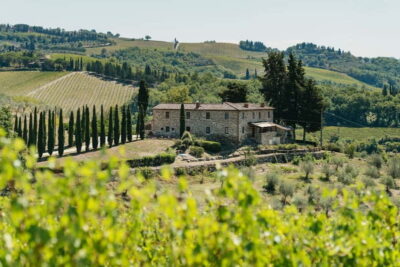
Small-Group Wine Tasting Experience in the Tuscan Countryside
Read our review →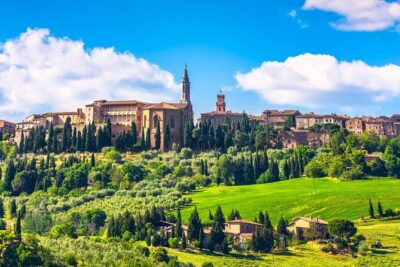
Tuscany & Montepulciano Day Trip with Lunch & Wine Tasting
Read our review →
SMALL-GROUP Wine Safaris: Tuscan Wine Tasting Tours from Florence
Read our review →
Winner 2025 Florence Sunset Food & Wine Tour by Eating Europe
Read our review →
Siena, San Gimignano, Pisa & Lunch at Winery
Read our review →Browse the lists this tour appears in