
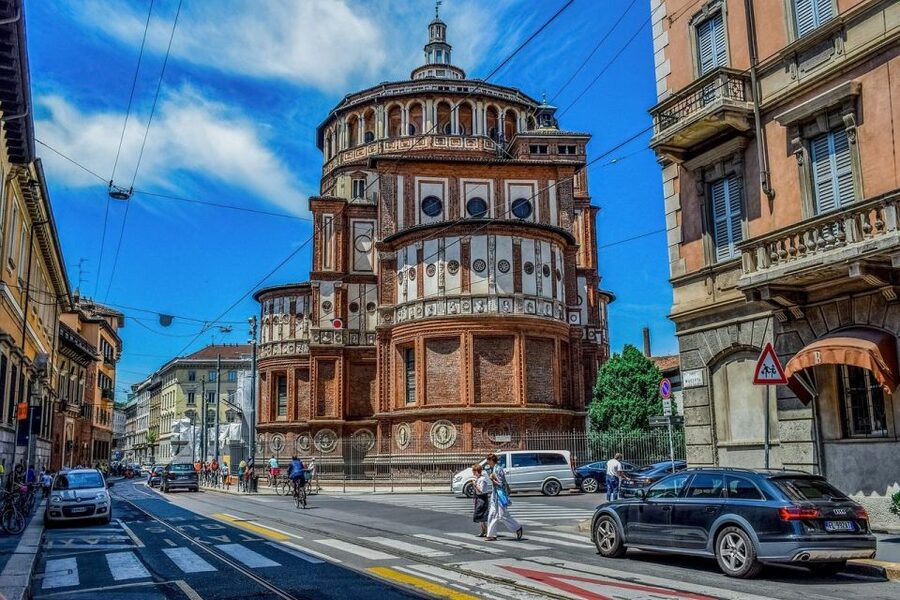
Reviewed · MILAN TOURS
Milan: The Last Supper Entry Ticket and Guided Tour
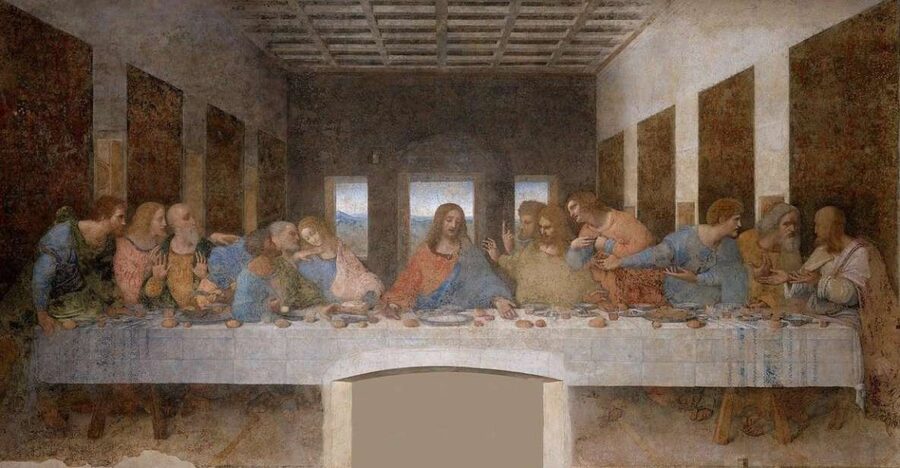
Leonardo’s Last Supper is not simply a painting you glance at before moving on. It is a tense room frozen in the instant after Jesus announces that one of the apostles will betray him. This tour gives you a guide’s story before your 15-minute viewing, so the gestures, faces, and crowded emotions have a chance to make sense.
I like two things here: the prepaid ticket protects you from arriving to a sold-out day, and the short format fits neatly into a morning or afternoon in Milan. Guides such as Anna have been warmly praised for clear storytelling and friendly help. The main drawback is the price, $98 per person, and the headsets can sometimes fail, making it hard to hear every detail.
Key points to know before booking
- Your Last Supper viewing lasts only 15 minutes: This strict limit is part of the preservation system, so use every second wisely.
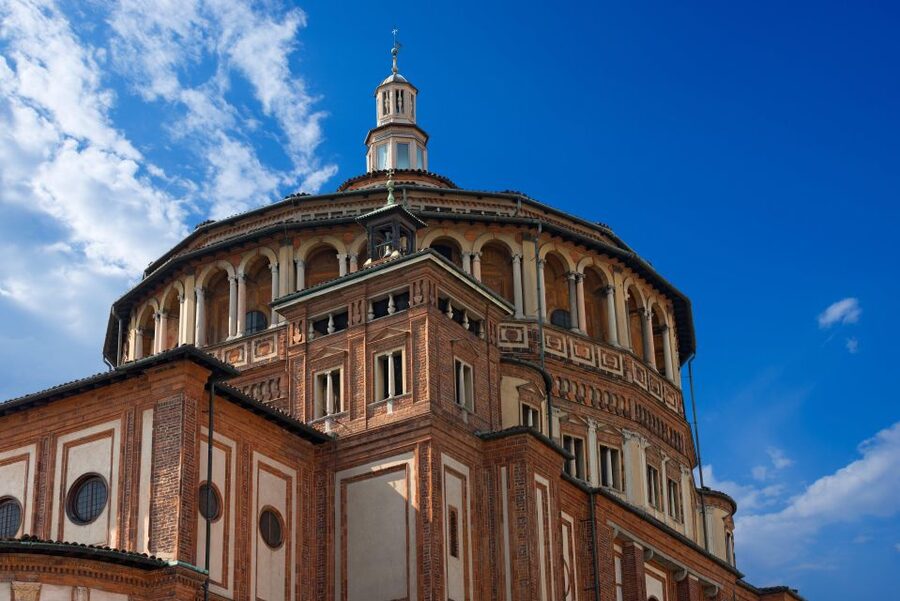
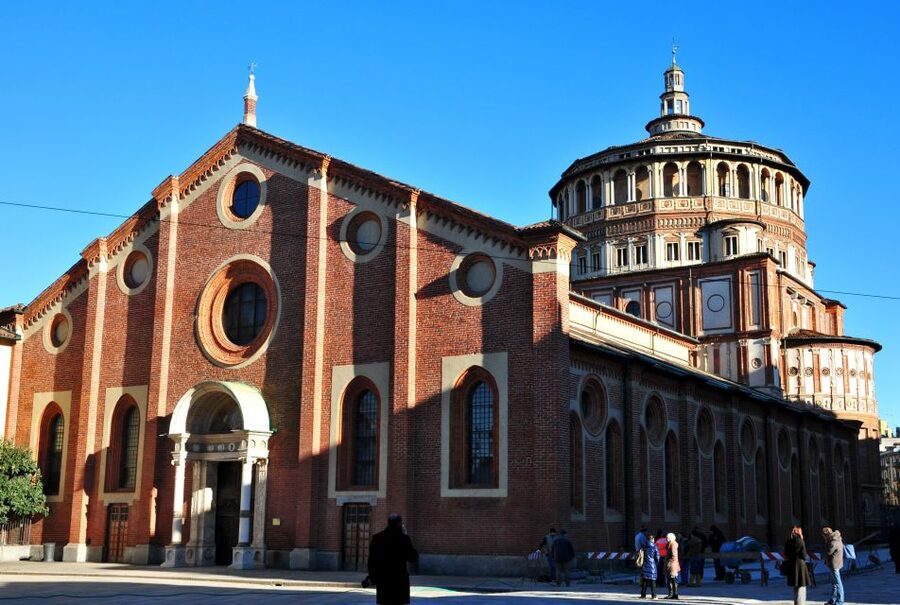
- The tour combines Santa Maria delle Grazie with Leonardo’s mural: The church visit gives you a Renaissance setting before the main appointment.
- English and Italian run at the same time: You can follow in English, but the bilingual format may make the presentation feel less quick.
- A prepaid ticket matters: The Last Supper often sells out, and same-day entry is not something you should count on.
- Headsets are included, but not foolproof: Some participants found the listening devices hard to use, so stay near the guide when possible.
- Leave bags behind: Backpacks, large bags, food, and drinks are not allowed in the visit area, and you need a passport or ID card.
Why the Last Supper needs a guided visit
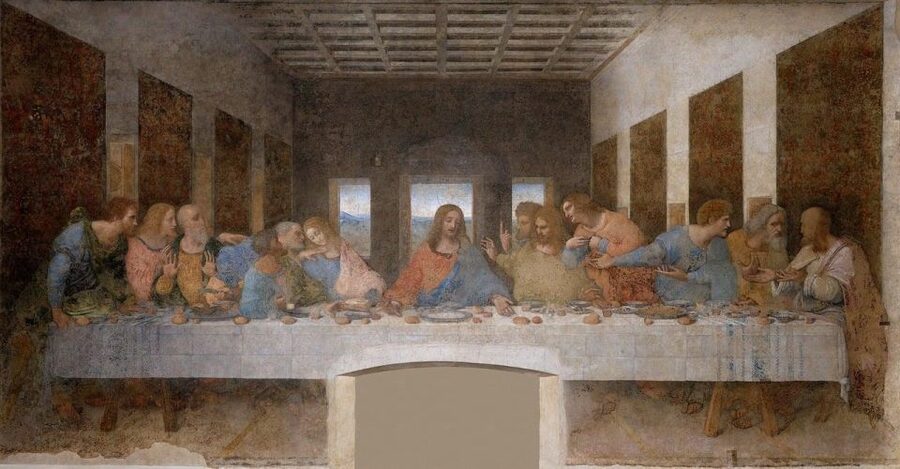
Leonardo painted The Last Supper between 1494 and 1498 on the wall of the refectory at Santa Maria delle Grazie. A refectory is a dining hall for a religious community, so the subject was especially fitting: the friars ate their meals beneath a scene of Christ sharing his final meal with the apostles.
The setting matters. You are not looking at a portable canvas in a quiet gallery. You are entering a working religious complex and viewing a mural in the place for which it was created. That connection between architecture, daily life, and art gives the visit more weight.
Leonardo also took risks with his materials. Instead of using the more durable fresco method, he worked on a dry wall in a way that allowed more time for careful changes and subtle effects. The result gave him room to explore human reactions, but it also left the mural vulnerable. The painting began to deteriorate not long after it was completed, and its survival has been difficult.
That is where a guide adds real value. In 15 minutes, you can see the painting, but you may not notice why the apostles are arranged in groups, how their hands direct your attention, or how Christ’s calm central position contrasts with the sudden shock around him. A good guide gives you a visual plan before you enter.
A few other Milan mornings to weigh against this
- Milan: Cathedral and Duomo’s Terraces Entrance Ticket
★ 4.6 · 61,054 reviews - Milan Cathedral: Duomo Terraces Ticket (No Church Access)
★ 4.6 · 6,111 reviews - Milan: Guided Walking Tour & Last Supper Visit with Ticket
★ 4.7 · 5,409 reviews
Meeting at Via Fratelli Ruffini, 1
The stated meeting point is Via Fratelli Ruffini, 1, near Santa Maria delle Grazie. You return to the same area after the visit, so this is a compact walking experience rather than a citywide excursion with transport.
Arrive ready to listen. The tour lasts about one hour, with roughly 45 minutes devoted to Santa Maria delle Grazie and the guided preparation, followed by 15 minutes with the mural itself. The schedule is short, but the timed entry leaves little room for lateness or wandering off.
A welcome staff member helps gather the group, and the local guide provides audio headsets. Since the presentation takes place in English and Italian at the same time, the guide must divide attention between both languages. The English is generally easy to follow based on the strong comments about guides’ explanations, though the bilingual arrangement can make the rhythm feel less leisurely than a single-language tour.
The headsets are intended to solve that problem. They let you hear the guide while standing with the group, but this is one area where expectations should stay realistic. Some people found the devices unreliable or difficult to hear. If yours is not working, tell the guide or tour representative right away rather than waiting until the mural visit is over.
Santa Maria delle Grazie in 45 minutes
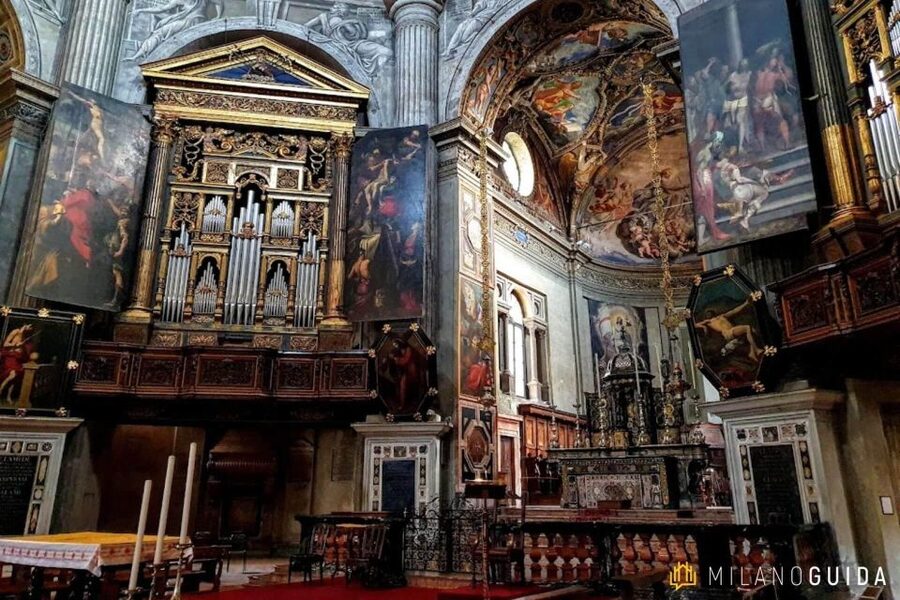
The first part takes place at Santa Maria delle Grazie, the Dominican church and convent complex associated with Leonardo’s mural. The tour allows about 45 minutes here, including the guide’s explanation and the movement toward the refectory.
Do not treat this part as filler. The church provides the setting for Milan’s Renaissance story and helps explain why Leonardo was working in this location. Your guide can point out the connection between the religious building, its patrons, and the refectory scene you are about to see.
One limitation is worth noting: you may not receive a long period to explore the church independently while waiting for access to the painting. This is a guided visit built around a fixed appointment, not a flexible church tour. If you want quiet time to inspect every chapel or architectural detail, you may find the pace brisk.
Still, the introduction pays off. The mural can feel overwhelming when you first enter. A little historical framing lets you focus on the work instead of wondering what you are supposed to notice. I prefer this approach to walking into the room cold, especially if this is your first visit to Milan’s Renaissance sites.
The 15-minute appointment with Leonardo
The centerpiece is the Refectory of Santa Maria delle Grazie and Leonardo’s famous mural. Your time inside is limited to 15 minutes. That may sound brief, but it is long enough to study the composition once you know where to look.
Start with the whole wall. Leonardo places Christ at the center, calm and still, while the apostles react around him. Their bodies, hands, and faces create waves of movement. Some lean toward one another, some pull back, and others raise their hands in surprise. The scene is about the human response to shocking news as much as it is about the religious event.
Then look at the groups of apostles. Leonardo did not arrange twelve identical figures in a row. He created smaller clusters, each with its own exchange of glances and gestures. Your guide will likely direct you toward these relationships and explain how the painter used posture to show personality and emotion.
Pay attention to the illusion of space. The room in the painting appears to continue the real refectory, with architectural lines leading toward Christ. This makes the scene feel present rather than distant. The effect is easy to miss if you spend all 15 minutes trying to take a picture, which you cannot do inside.
Photography is not allowed in the viewing area. Flash photography and backpacks are also prohibited, along with food and drinks. That rule may disappoint you, but it keeps the room calmer and protects a fragile work that has already endured centuries of damage.
Because you cannot linger beyond the allotted time, listen closely to the opening explanation. You will get more from the painting if you already know the main details. Once inside, I would spend a few minutes taking in the entire composition, then shift to the apostles’ hands and expressions, and finish by returning to Christ at the center.
Same city, an entirely different afternoon:
- Milan: Da Vinci’s Last Supper Guided Tour
★ 4.7 · 10,143 reviews - Milan: City Sightseeing Hop-On Hop-Off Bus with Audio Guide
★ 4.0 · 6,256 reviews - Milan: Milan Cathedral Direct Entrance – Terrace Excluded
★ 4.5 · 5,782 reviews - Milan: Fast-Track Milan Cathedral and Terraces Guided Tour
★ 4.7 · 5,240 reviews
What the guides add to the experience
The strongest part of this tour is the human explanation around the artwork. The guide covers Leonardo’s skill, the mural’s miraculous survival, and its troubled condition. The focus is not only on dates and names, but on why the scene still feels emotionally immediate.
Several guides have been singled out for clear, engaging presentations. Anna, in particular, has been praised for moving groups through the visit smoothly and for explaining Milan and Leonardo with warmth. One guide even offered practical advice about other parts of the city, a useful bonus if this is your first day in Milan.
The quality of the experience depends heavily on where you stand and how well you hear. A guide may be excellent, but a faulty earpiece can erase much of the benefit. Keep close enough to maintain visual contact, and ask for help as soon as the equipment gives trouble.
The simultaneous English and Italian format also affects the pace. You are not receiving a private lecture in English, so expect pauses and repeated points. For many people, the tradeoff is worthwhile because the ticket and entry arrangement are handled together.
Is $98 a fair price?
At $98 per person, this is not a bargain admission ticket. You are paying for the timed entry, the local bilingual guide, headsets, welcome staff, and the convenience of having someone organize the visit around a scarce appointment.
The most important value is the ticket itself. The Last Supper is famous for selling out, and arriving at the ticket office without a reservation can leave you with no way in. One visitor arrived at 11:15 in the morning and found that the day was already sold out. For a short trip to Milan, paying more to secure the central sight may be sensible.
The price is harder to justify if you already have a confirmed ticket and only want to see the mural. In that case, the guided explanation may not feel worth the markup. Some people also considered the cost high even though they liked the guide and the church visit.
I see this as a convenience purchase, not a low-cost cultural activity. It works best for you if your schedule is tight, you want context, and you have not managed to secure an ordinary entry ticket. It works less well if you dislike group tours, need a slow pace, or are mainly looking for the cheapest possible access.
Practical limits that can shape your visit
Bring a passport or ID card. The activity specifically requires identification, so do not assume a phone image or no documentation will be enough.
Leave large bags and backpacks elsewhere. Food and drinks are not allowed, and photography inside is prohibited. Since the visit is short and controlled, arriving with only what you need will make the experience easier.
The activity is not suitable for people with mobility impairments. The supplied information does not give a detailed explanation of the physical barriers, so anyone with mobility concerns should ask the provider for current access details before paying.
There is no hotel pickup or drop-off. You make your own way to Via Fratelli Ruffini, 1 and return there after the tour. This is useful to know when fitting the visit between the Duomo, Sforza Castle, or other Milan appointments.
Cancellation is flexible up to 24 hours before the start time for a full refund. You can also reserve now and pay later, which helps when your Milan schedule is still changing. Check the available starting times carefully, since the one-hour duration alone does not tell you how the appointment fits into your day.
Who will get the most from this tour?
I would choose this tour for a first-time Milan visitor who wants the Last Supper but does not want to build a complicated ticket search around it. The guide gives you a clear way into a difficult work, and the church adds useful Renaissance context.
It is also a good match for anyone who enjoys art but does not have a strong background in Leonardo. You do not need to arrive knowing the names of every apostle or the technical story of the mural. The guide’s explanation helps you see the painting as a carefully staged emotional event.
Families and mixed-interest groups may appreciate the one-hour length. You get the major sight without committing half a day to a museum. The 15-minute viewing can also help keep the visit focused, though young children may find the quiet rules and no-photography policy restrictive.
I would hesitate if you want solitude, long contemplation, or a fully accessible route. I would also compare the price with any official ticket options before booking, since $98 is a substantial premium for a short visit.
Should you book the Last Supper guided tour?
Book it if securing entry is your main worry. The timed ticket is the core advantage, and the guide’s account of Leonardo’s methods, the mural’s damage, and the apostles’ reactions gives the 15-minute viewing purpose.
Before booking, accept three limits: the $98 price, the bilingual presentation, and the possibility of headset trouble. Bring ID, leave bags behind, and arrive ready to follow the group. If you do that, this is an efficient way to encounter one of Milan’s essential works without gambling on a same-day ticket.
FAQ
How long does the Last Supper tour last?
The activity lasts one hour. About 45 minutes are spent visiting Santa Maria delle Grazie and receiving the guided explanation, followed by 15 minutes with the Last Supper.
How long can I stay with the Last Supper?
All visitors are allowed 15 minutes inside the Refectory with the painting.
What languages are available?
The live guide speaks English and Italian. The tour takes place in both languages at the same time.
Is the Last Supper entry ticket included?
Yes. The Last Supper entry ticket is included in the price, along with a local bilingual guide, audio headsets, and welcome staff.
Where does the tour start?
The meeting point is Via Fratelli Ruffini, 1, near Santa Maria delle Grazie.
Do I need to bring identification?
Yes. You should bring a passport or ID card.
Can I bring a backpack or take photographs inside?
Backpacks and large bags are not allowed. Food and drinks are prohibited, and photography inside is not allowed, including flash photography.
Can I cancel the booking?
You can cancel up to 24 hours in advance for a full refund. The activity also offers a reserve-now, pay-later option.
Fresh on the Milan list
- Walking Food Tour of Milan with Tastings★ 4.5 · 194 reviews
- Milan: Fresh Pasta and Tiramisù Class in A Historical Home★ 4.9 · 195 reviews
- Milan: City Highlights Walking Tour with The Last Supper★ 4.9 · 195 reviews
- Inside Milan’s Duomo: Cathedral Tour with Optional Rooftop★ 4.5 · 210 reviews
- Milan:Lake Como, Lugano & Bellagio Day-Trip with Boat Cruise★ 4.5 · 210 reviews
- Milan: San Siro Stadium Entry Ticket and Optional Bus Ticket★ 4.1 · 212 reviews
- Choose three recipes to cook from all the traditional cuisine★ 5.0 · 214 reviews
- Verona and Lake Garda Day Trip from Milan★ 4.5 · 214 reviews
Milan Tours, compared.
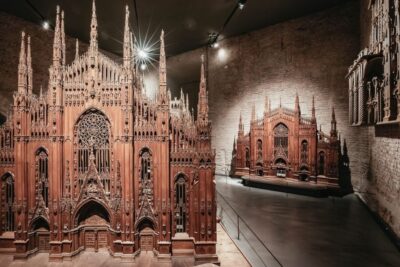
Cathedral and Duomo’s Terraces Entrance Ticket
Read our review →
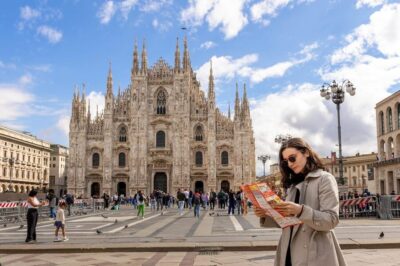
City Sightseeing Hop-On Hop-Off Bus with Audio Guide
Read our review →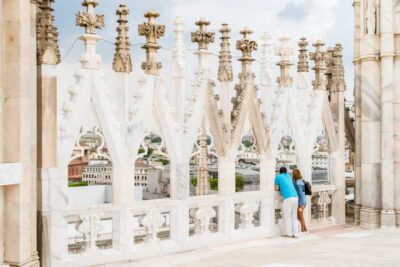
Milan Cathedral: Duomo Terraces Ticket (No Church Access)
Read our review →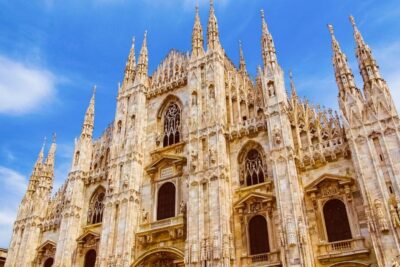
Milan Cathedral Direct Entrance – Terrace Excluded
Read our review →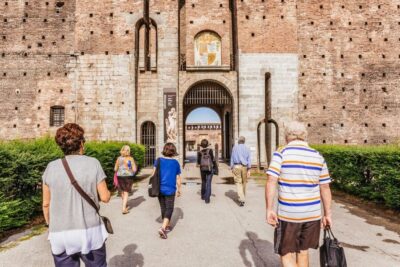
Guided Walking Tour & Last Supper Visit with Ticket
Read our review →
Fast-Track Milan Cathedral and Terraces Guided Tour
Read our review →
Browse the lists this tour appears in