
Reviewed · MILAN TOURS
Learn to Cook Italian Recipes with an Italian Chef
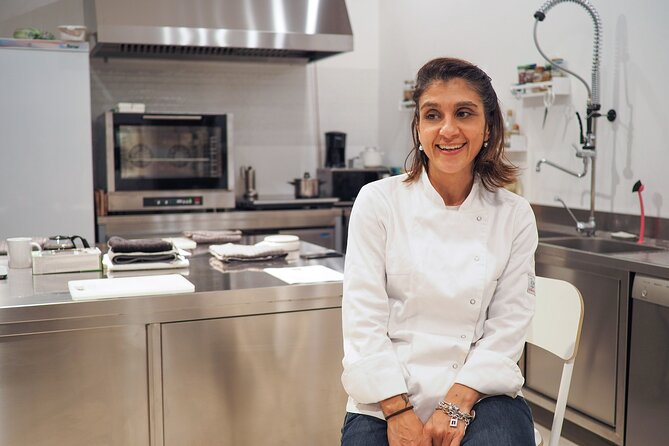
The best part of this Milan cooking class is the surprise menu. Instead of making the same fixed pizza or pasta dish every day, you find out in class whether you’ll prepare gnocchi, ravioli, tagliatelle, bruschetta, eggplant parmigiana, tiramisu, or something less familiar. Chef Ilaria’s hands-on teaching focuses on how, when, and why each step matters.
I like two things right away: you cook a complete three-course meal, and you leave with the recipes and techniques to repeat it at home. The apron, tools, snacks, water, coffee, tea, and dinner are included, too. The main consideration is that the menu is not yours to choose, and the class may include up to 20 people, though some sessions are much smaller.
Key points to know before booking
- The menu is a surprise: You might make bruschetta, focaccia, parmigiana, chickpea balls, gnocchi, ravioli, tagliatelle, biscotti, or tiramisu.
- Chef Ilaria leads many sessions: Chef Alessandro has also taught classes, and both are described as warm, lively, and helpful.
- You cook from scratch: Pasta, dumplings, starters, sauces, and desserts are prepared by hand with direct guidance.
- The meal comes at the end: After the lesson, you sit down to eat the dishes prepared during the class, with Italian wine served at dinner.
- Recipes go home with you: You can use the same dishes later for friends and family.
- The price covers a lot: At $82.27 per person for about three hours, this includes instruction, food, equipment, drinks, and the final meal.
A surprise menu instead of the usual pasta lesson
Many cooking classes in Italy advertise one dish and repeat it for every group. This Milan experience takes a different route. The menu changes, and the examples give you a sense of the food rather than a promise of exactly what will appear.
Your three courses follow a familiar Italian meal pattern:
- A starter, such as bruschetta, focaccia, eggplant parmigiana, or another appetizer
- A first course, often fresh pasta or handmade dumplings
- A dessert, possibly tiramisu, Tuscan cantucci, Milanese pan meino, chocolate tortini, or amaretti
This approach has a real advantage. You might learn a dish you would not have picked yourself. One class included a chickpea appetizer, potato-filled ravioli, and biscotti. Another prepared eggplant parmigiana, gnocchi with sauce, and cantucci. Other sessions made focaccia, ravioli, and amaretti.
The tradeoff is simple: you cannot plan your class around a particular recipe. If handmade ravioli is your lifelong goal, ask about the menu before booking, but understand that the class is designed around surprise. The examples are not a fixed schedule.
A few other Milan mornings to weigh against this
- Milan: Cathedral and Duomo’s Terraces Entrance Ticket
★ 4.6 · 61,054 reviews - Milan: Da Vinci’s Last Supper Guided Tour
★ 4.7 · 10,143 reviews - Milan: City Sightseeing Hop-On Hop-Off Bus with Audio Guide
★ 4.0 · 6,256 reviews
What the three-hour lesson feels like
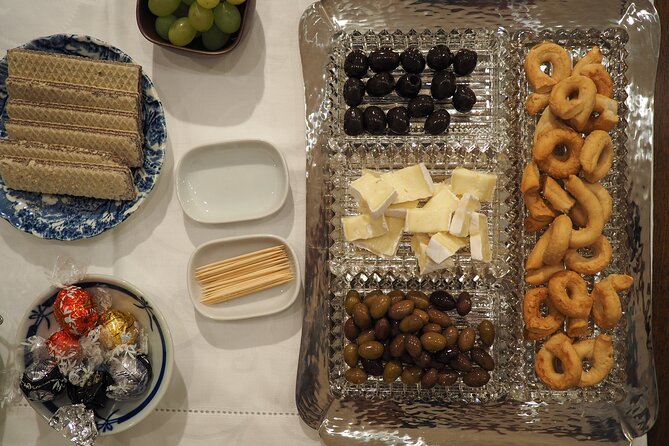
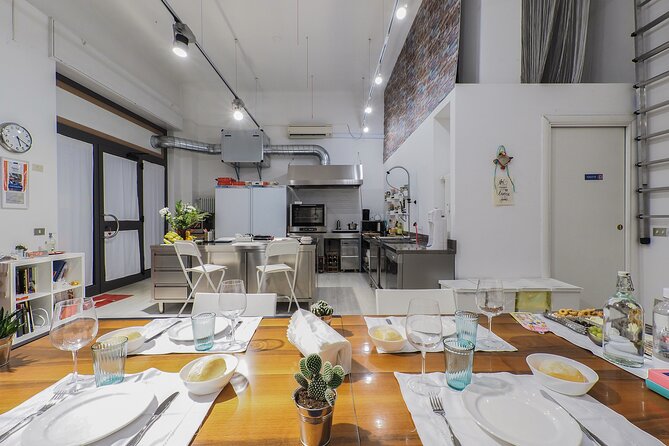
The class begins with Italian-style welcome snacks and refreshments. You receive an apron and use the cooking tools supplied in the kitchen, so you do not need to pack special equipment. The setting is professional but relaxed, with the teacher moving between demonstration and hands-on help.
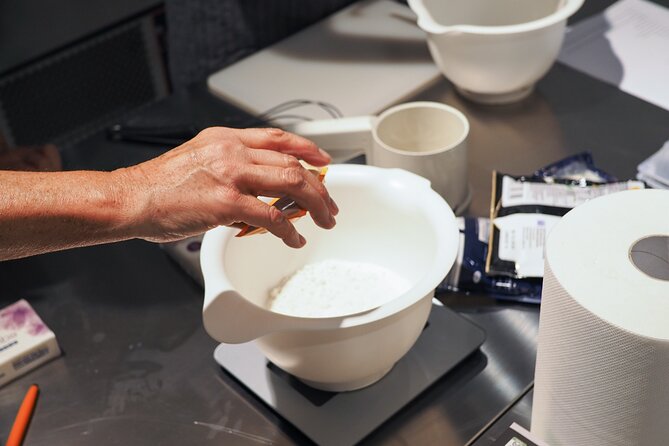
The teaching is not just a list of instructions. The stated focus is on how, when, and why each step works. That can mean learning the feel of dough, the right point to combine ingredients, how a sauce comes together, or why a simple dish needs careful timing.
You can ask questions and take notes as you work. This matters if you want more than a pleasant afternoon. The recipes are intended to be practical enough to repeat at home, and the class places emphasis on methods rather than restaurant tricks.
The group works together, so not every person will necessarily prepare every part alone. That shared format is part of the social appeal, but it also explains why the teacher may pause if people are talking during an important instruction. Chef Ilaria has explained that she waits for side conversations to stop so everyone can hear and follow the same steps.
That classroom style will suit you if you enjoy a lively group lesson. If you prefer a quiet private tutorial with complete control over the pace, this may feel less personal.
Making the starter from scratch
The first course is usually an appetizer, and this is where the class begins to show the range of everyday Italian cooking. Bruschetta and focaccia are familiar names, but they are useful lessons because they depend on basic ingredients and careful preparation rather than complicated equipment.
Eggplant parmigiana gives you a more substantial option. Chickpea balls or a chickpea-based appetizer may also appear. These dishes are valuable because they show how Italian cooking can turn vegetables and pantry staples into a full-flavored first course.
You may find the food deliberately simple. One person found a session too mild, while others praised the clean, straightforward flavors. That difference is worth noting. This is not presented as a high-end tasting menu. It is home-style cooking taught in a kitchen setting, and the seasoning may be restrained so that a broad group can enjoy it.
If you like stronger flavors, pay close attention to the chef’s seasoning tips and ask questions during preparation. One class participant specifically suggested using fewer chili flakes, so the amount of heat may not suit every palate.
Handmade pasta and dumplings are the main event
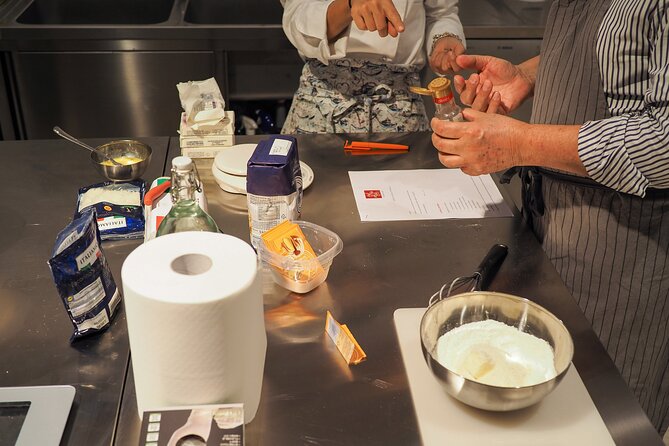
The first course is often fresh pasta or handmade dumplings. You might prepare gnocchi, tagliatelle, ravioli, or another traditional shape, then make a dressing or sauce together.
This is likely the most rewarding part for many people. Pasta dough is tactile, and you can see how flour, liquid, filling, shaping, and cooking fit together. Several class menus included gnocchi, while others focused on filled pasta or fresh-cut noodles.
The format works for mixed ability levels. People with little cooking experience have managed the class, while more confident cooks have picked up new techniques and small corrections. Chef Ilaria is often described as patient, energetic, and clear when switching between Italian and English. Chef Alessandro has also been praised for his friendly instruction.
Do not expect a private chef to stand beside you for three hours. With a larger class, the teacher must keep everyone moving and share attention around the room. A smaller group of eight can feel intimate, while the maximum capacity of 20 will create a more communal lesson.
That size range is important when you book. The class may be a close-knit cooking session, or it may feel like a social workshop. The food and basic instruction remain the same idea, but the amount of individual attention can change.
Same city, an entirely different afternoon:
- Milan Cathedral: Duomo Terraces Ticket (No Church Access)
★ 4.6 · 6,111 reviews - Milan: Milan Cathedral Direct Entrance – Terrace Excluded
★ 4.5 · 5,782 reviews - Milan: Guided Walking Tour & Last Supper Visit with Ticket
★ 4.7 · 5,409 reviews - Milan: Fast-Track Milan Cathedral and Terraces Guided Tour
★ 4.7 · 5,240 reviews
Dessert brings the lesson to the table
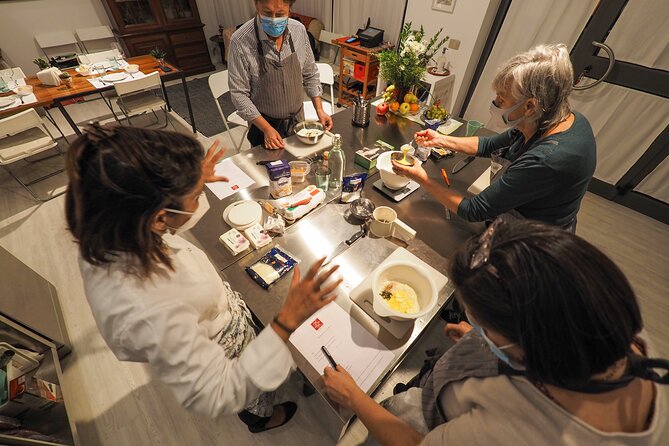
Dessert may be tiramisu, cantucci, pan meino, chocolate tortini, amaretti, or another traditional sweet. The Milanese pan meino is a particularly local touch, while tiramisu gives you a familiar favorite with clear steps to repeat at home.
Cantucci and amaretti also travel well as skills. They are the sort of cookies you can make ahead and serve with coffee or tea. Since coffee, tea, and infusions are included during the experience, the final course fits naturally with an Italian after-meal routine.
The dessert also helps balance the lesson. You are not spending the whole class on dough and sauce. You get a look at three different parts of an Italian meal, then taste how they work together.
Dinner, wine, and the social side
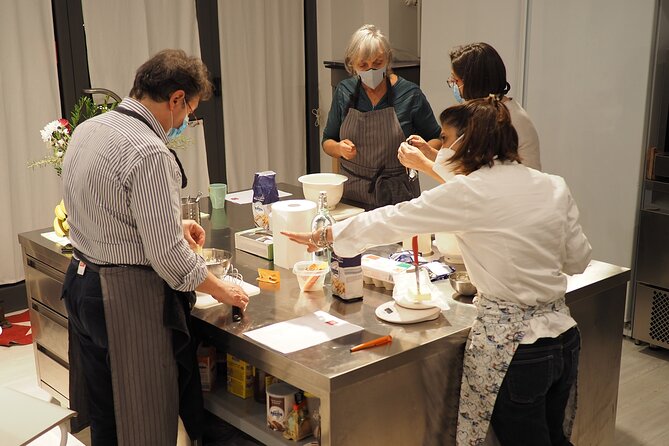
Once the cooking is finished, everyone sits down to eat the meal prepared in class. This is not a demonstration where you watch someone else cook and then leave. Your work becomes lunch or dinner, depending on the scheduled session.
Italian wine is included with the meal, along with natural and sparkling bottled water. Coffee and tea are available, and welcome snacks are part of the package. The provider’s clarification indicates that wine is shared, with one bottle for every three people, while extra wine before the final dinner may cost more.
That point deserves attention because the phrase alcoholic beverages can sound like unlimited wine. It is safer to think of wine as part of the shared dinner, not as an open bar. If wine quantity is important to you, ask before arriving.
The shared table is one of the class’s pleasures. You may meet people from different countries, compare family cooking habits, and enjoy a meal that everyone helped prepare. Families with teenagers have found the format engaging, and mixed groups have worked well together.
The social setting can also create small frustrations. If people chat while instructions are being given, the chef may stop until the room is quiet. That is reasonable in a group class, but it means the mood is part dinner party and part lesson. You need to be comfortable with both.
Why the $82.27 price can be good value
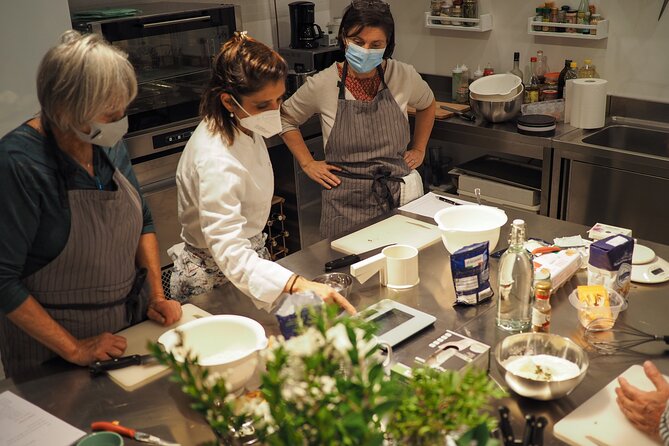
At $82.27 per person, the cost is fair if you value the full package. You are paying for about three hours of instruction, ingredients for three dishes, an apron, cooking tools, snacks, water, coffee or tea, wine with dinner, and the meal itself.
You also receive the recipes afterward. That gives the experience some value beyond the day in Milan. If you make the pasta or dessert again at home, the lesson becomes a usable souvenir rather than a one-time meal.
The value is strongest for people who want an activity and dinner in one booking. You do not need to arrange a separate restaurant meal after class, and you spend the evening doing something practical instead of only sightseeing.
The value is less clear if you want a fixed menu, unlimited wine, or a polished restaurant-style tasting. The food is intentionally accessible, and one person found it bland. This is a cooking class first, with dinner as the reward.
Location and arrival details in Milan
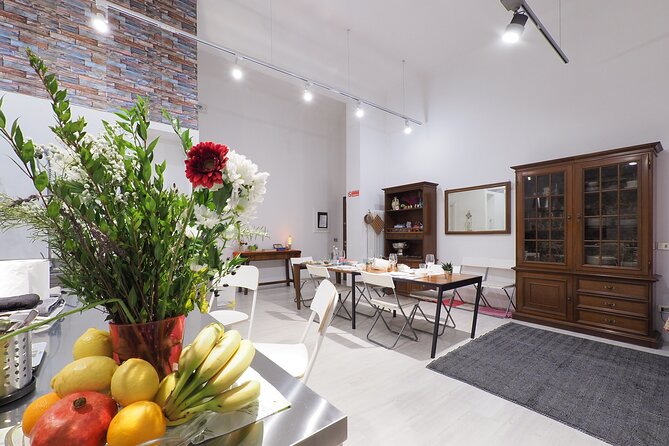
The meeting point is Via Laura Ciceri Visconti, 4, 20137 Milano MI, Italy. The laboratory is at street level and near public transportation.
Look for three windows marked with the red Chef and the City sign, then ring the front door bell. This detail matters because the entrance may not look like a standard restaurant. Give yourself enough time to locate the correct door without arriving flustered.
The activity ends back at the same meeting point. Private transport is not included, and there is no luggage storage. Do not arrive with suitcases or large bags. Smoking is prohibited, and animals are not allowed.
The experience is offered in English. Confirmation is issued when you book, and the class accepts a maximum of 20 people. It is booked, on average, about 25 days ahead, so reserving earlier is sensible if your Milan dates are fixed.
Who will get the most from this class
I would choose this class if you want to meet people, learn useful techniques, and eat a meal you helped prepare. It suits beginners because the chef provides direct assistance, but experienced home cooks can still pick up ideas about dough, sauces, ingredients, and timing.
It works especially well for:
- Couples who want a shared activity beyond sightseeing
- Families with teenagers
- Solo visitors looking for a social meal
- Small groups who enjoy cooking together
- Home cooks who want recipes they can repeat
- Anyone with a spare Milan afternoon or evening
A small group can make the lesson feel personal. A larger group brings more energy but may mean less individual time with the chef. One participant with a gluten allergy received accommodation, but you should still communicate dietary needs before booking rather than assume every request can be met.
The class is less suited to someone who needs a guaranteed dish, dislikes group instruction, or expects generous wine service throughout the lesson. It is also a poor fit if you need to bring luggage or want private transportation included.
Booking and cancellation basics
You can cancel free of charge up to 24 hours before the local start time for a full refund. Changes or cancellations made within 24 hours are not accepted for a refund.
The class requires a minimum number of participants. If that minimum is not met, you will be offered another date or experience, or receive a full refund. Because the menu is not fixed, contact Chef and the City if a particular ingredient, dietary issue, or pasta style matters to your decision.
Should you book Chef and the City?
I would book this experience if you want a relaxed, practical introduction to Italian cooking rather than a fixed recipe lesson. The surprise menu keeps the class fresh, and the combination of hands-on preparation, dinner, wine, and take-home recipes gives you a lot for the price.
Go in expecting a shared class, not a private cooking tutorial. Ask about wine portions and dietary needs ahead of time, bring no luggage, and accept that the day’s dishes will be revealed in the kitchen. If you can live with that, this is a useful and tasty way to spend three hours in Milan.
FAQ
Where does the cooking class take place?
The class takes place at Via Laura Ciceri Visconti, 4, 20137 Milano MI, Italy. The laboratory is at street level and near public transportation.
How long does the experience last?
The class lasts about three hours, including the cooking lesson and the meal at the end.
Is the class offered in English?
Yes. The experience is offered in English.
What dishes will I cook?
The menu changes, so you will not know the exact dishes until class. Examples include bruschetta, focaccia, eggplant parmigiana, chickpea appetizers, gnocchi, tagliatelle, ravioli, tiramisu, cantucci, pan meino, chocolate tortini, and amaretti.
Can I choose the menu?
No. The listed dishes are examples of the types of Italian food prepared. The menu is revealed during the class.
Is dinner included?
Yes. The meal prepared during the class is served as dinner or lunch at the end of the experience.
Is wine included?
Italian wine is included with the final meal. The provider states that wine is shared at one bottle for every three people. Additional wine may cost extra.
Are cooking tools and an apron provided?
Yes. Each participant receives an apron, and the cooking tools needed for the course are included.
Can I take the recipes home?
Yes. The recipes are provided at the end so you can prepare the dishes independently later.
Can I bring luggage or an animal?
No. Luggage is forbidden, and animals are not allowed. Smoking is also prohibited inside the laboratory.
Fresh on the Milan list
- Walking Food Tour of Milan with Tastings★ 4.5 · 194 reviews
- Milan: Fresh Pasta and Tiramisù Class in A Historical Home★ 4.9 · 195 reviews
- Milan: City Highlights Walking Tour with The Last Supper★ 4.9 · 195 reviews
- Inside Milan’s Duomo: Cathedral Tour with Optional Rooftop★ 4.5 · 210 reviews
- Milan:Lake Como, Lugano & Bellagio Day-Trip with Boat Cruise★ 4.5 · 210 reviews
- Milan: San Siro Stadium Entry Ticket and Optional Bus Ticket★ 4.1 · 212 reviews
- Choose three recipes to cook from all the traditional cuisine★ 5.0 · 214 reviews
- Verona and Lake Garda Day Trip from Milan★ 4.5 · 214 reviews
Milan Tours, compared.
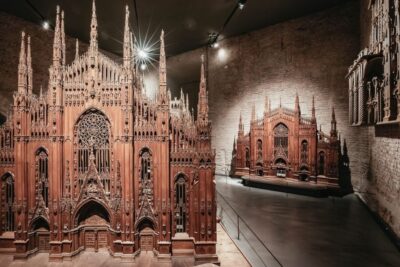
Cathedral and Duomo’s Terraces Entrance Ticket
Read our review →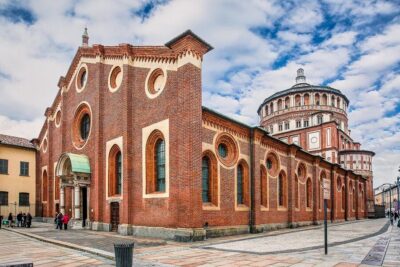
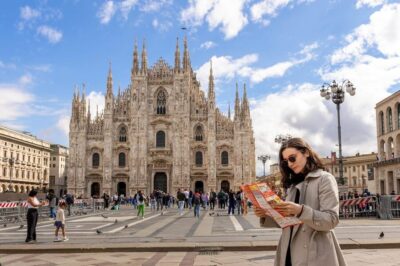
City Sightseeing Hop-On Hop-Off Bus with Audio Guide
Read our review →
Milan Cathedral: Duomo Terraces Ticket (No Church Access)
Read our review →
Milan Cathedral Direct Entrance – Terrace Excluded
Read our review →
Guided Walking Tour & Last Supper Visit with Ticket
Read our review →
Fast-Track Milan Cathedral and Terraces Guided Tour
Read our review →
Browse the lists this tour appears in