
Reviewed · AQUARIUMS
Aquarium of Cattolica Entry Ticket
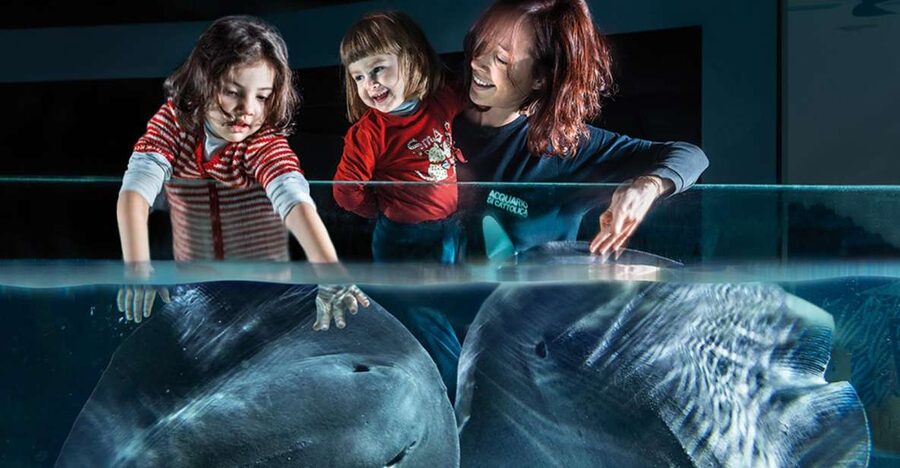
The Aquarium of Cattolica puts large bull sharks, Humboldt penguins, otters, rays, and jellyfish under one roof, inside a former 1930s marine colony designed to resemble a fleet of ships. You can see more than 3,000 animals from about 400 species, then move beyond the tanks into reptiles, giant insect models, and, in summer, a dinosaur area.
I like the easy four-route layout, with blue, yellow, green, and purple paths that help you keep track of what you have seen. I also like the mix of entertainment and science, from feeding sessions to enlarged anatomical models and the plastic pollution exhibit. The main drawback is that this is a self-guided visit, so you may want more explanation than the displays provide.
Key points to know before you go
- Four color-coded routes: Blue covers marine life, yellow follows river environments, green contains reptiles, and purple presents Giant Insects XXL Edition.
- Italy’s largest bull sharks: The aquarium is home to some of the country’s biggest bull sharks, along with rays, turtles, jellyfish, and other sea life.
- Penguins and otters: The Humboldt penguin colony and otters are among the most popular stops, with scheduled feeding sessions during the day.
- A former marine colony: The building’s 1930s ship-like architecture gives the visit a setting with more character than a plain modern hall.
- Summer dinosaur area included: The World of Dinosaurs adds life-size prehistoric creatures, a fossil excavation space, and shaded outdoor sections when open.
- Wheelchair accessible and one-day entry: The ticket is valid for one day, but it is valid the day after purchase, not on the purchase date.
A ship-shaped setting in Cattolica
The aquarium sits at Piazzale delle Nazioni, 1A, in Cattolica on Italy’s Emilia-Romagna coast. Its home is a former marine colony from the 1930s, a complex whose curved forms recall ships lined up at sea.
That setting matters. Before you see a fish, you get a sense that this place was built around the coast and marine life. The architecture gives the aquarium a more distinctive first impression than a standard indoor attraction, and it helps connect the visit to Cattolica’s Adriatic identity.
Once inside, you have a full day to follow the exhibits at your own pace. There is no listed guide leading a fixed group, so you control the order and speed. That works well for families, since you can pause when children are interested and move on when attention starts to fade.
The activity is wheelchair accessible. You should still allow plenty of time because the ticket covers four separate indoor routes, plus the dinosaur area in summer.
More aquariums in Italy:
- Genoa: Aquarium of Genoa Entry Ticket
★ 4.5 · 10,075 reviews - Genoa: Aquarium of Genoa with Lunch
★ 4.3 · 1,449 reviews - Gardaland SEA LIFE Aquarium: Open Date Entry Ticket
★ 4.1 · 728 reviews
The blue route: sharks, rays, and the marine world
The blue route is the main reason most people choose this aquarium. It focuses on marine environments, with tanks containing sharks, turtles, rays, jellyfish, and other sea creatures.
The bull sharks are the major draw. The aquarium presents them as the largest bull sharks in Italy, and their size gives this section a stronger sense of drama than a collection of small tropical fish tanks. You can also plan your visit around the bull shark feeding session, one of the scheduled activities worth checking once you arrive.
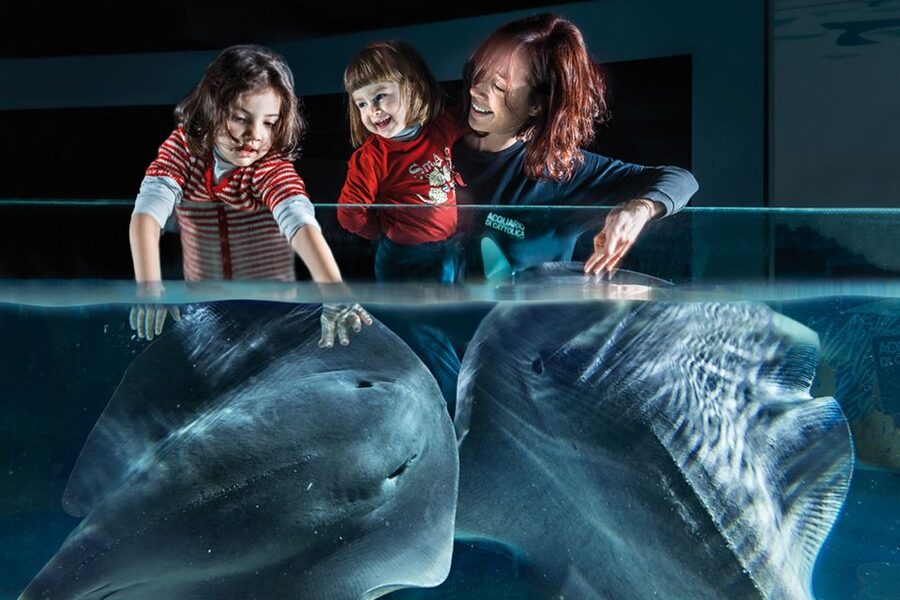
Rays bring a different kind of interest. Their movement is quiet and graceful, which makes them a useful contrast to the powerful sharks. Jellyfish offer another change of pace, with their slow motion and unusual body forms creating one of the more atmospheric parts of the route.
The aquarium also uses play trails to make the subject easier for children to grasp. One activity, In the Footsteps of the Emperor Penguin, asks children to retrace the migrations of Antarctic penguins. It turns geography and animal movement into something physical rather than just another wall of text.
You will also find the gigantic shark mouth, an interactive feature aimed at younger children. It is not the scientific heart of the aquarium, but it gives families a simple way to keep children involved between the more serious displays.
Humboldt penguins and otter feeding times
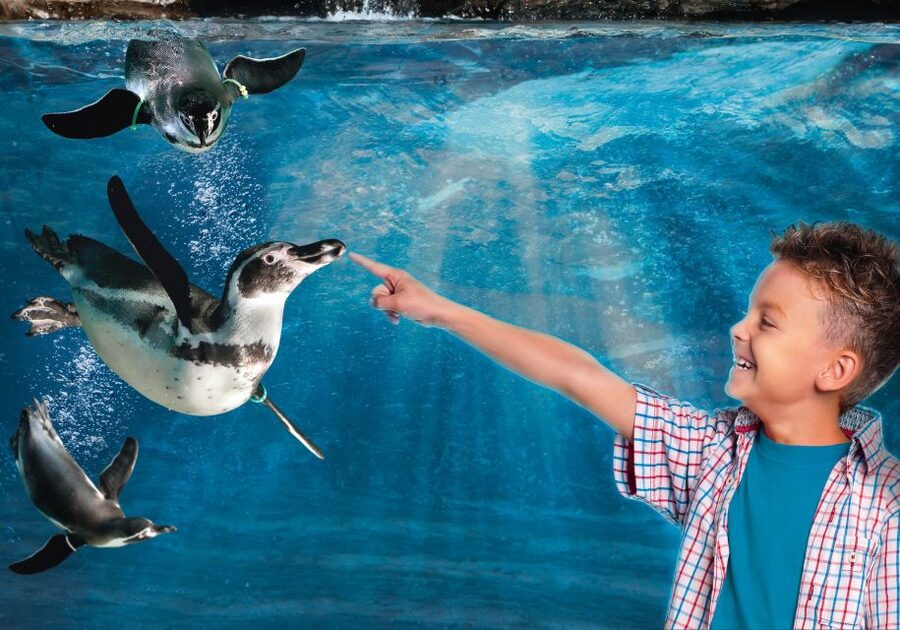
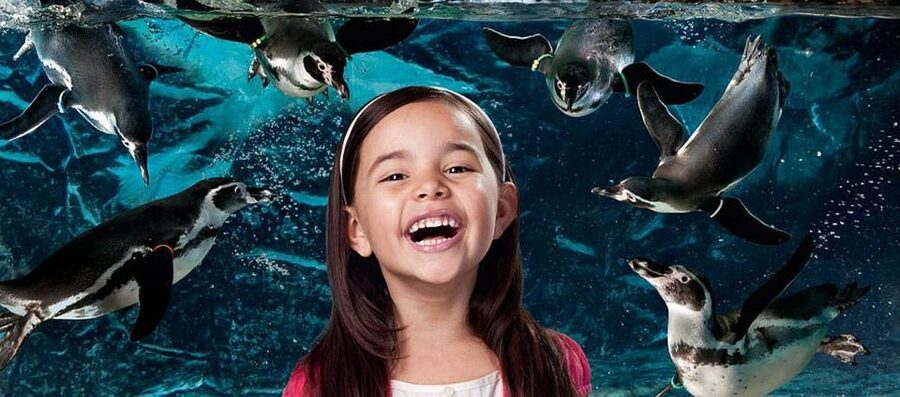
The penguin colony is one of the strongest parts of the visit. Humboldt penguins are smaller than emperor penguins, but they are active, expressive animals and easy for children to watch for a long time.
The aquarium schedules feeding sessions for the penguins, so check the daily timing when you arrive. Feeding displays give you a better reason to linger, since you see the animals respond to keepers rather than simply passing a tank at random.
The otters have their own feeding session as well. They are often an instant favorite because their movements are quick and easy to follow. If your family has limited energy, I would give priority to the penguins and otters, then fit the other routes around those times.
The most enthusiastic short feedback about the aquarium has focused on the penguins, and that makes sense. They offer a clear, lively focal point for children, while the sharks appeal more to visitors who want size and spectacle.
The yellow route through river environments
The yellow route shifts from the sea to river environments. This change helps show that aquatic life is not one single category. Rivers support different animals, water conditions, and plant life, and the route gives the aquarium a broader reach than a purely marine attraction.
The stated collection includes alligators, snakes, and other animals from both aquatic and terrestrial settings. You may find this section especially useful if you want variety beyond fish and sea mammals.
For young children, the yellow route can also break up the rhythm of large tanks. The aquarium is not asking you to look at one type of animal for the entire day. You move between water habitats and land-based creatures, which helps keep the visit fresh.
Explanations are part of the experience, but this is not a guided tour with a named expert speaking to your group. One recurring practical concern is that some visitors may want more spoken explanation. If you enjoy reading displays and setting your own pace, that is less of a problem. If you want a guide to connect the facts for you, the aquarium may feel a little light on interpretation.
A few other Italy mornings to weigh against this
- Vatican: Museums & Sistine Chapel Entrance Ticket
★ 4.5 · 144,003 reviews - Milan: Cathedral and Duomo’s Terraces Entrance Ticket
★ 4.6 · 61,054 reviews - Venice: Doge’s Palace Reserved Entry Ticket
★ 4.6 · 42,716 reviews - Florence: Skip-The-Line Uffizi Gallery Timed Entry Ticket
★ 4.5 · 27,832 reviews
The green route: reptiles and land animals

The green route contains the reptile house. Here you can see animals such as alligators and snakes, along with other terrestrial species included in the collection.
This section gives the aquarium a different mood. Marine tanks often rely on movement and color, while reptiles invite closer attention to body shape, skin, and behavior. It is also a useful stop for children who are more excited by snakes and alligators than by fish.
For a closer look, the aquarium offers an optional Extraordinary Encounter called The Secrets of the Reptile House. The supplied information does not state the additional price, schedule, or exact format, so you should confirm those details before counting on it. The basic entry ticket covers the four standard routes.
The aquarium also offers Behind the Scenes as another Extraordinary Encounter. These options may suit you if you want more than a walk through the public exhibits, but they are separate offerings rather than something to assume is included with ordinary entry.
The purple route and giant insects enlarged up to 200 times
The purple route presents Giant Insects XXL Edition, an educational exhibition built around more than 70 three-dimensional models and exhibits.
The models are enlarged from 20 to 200 times. That scale lets you examine anatomical details, colors, and the functions of different body parts in a way that ordinary observation cannot provide. A small insect becomes a study in structure rather than a quick glimpse on a wall.
The scientific value of these models has been recognized by universities and scientific institutions in Italy and abroad, including the universities of Pisa, Padua, and Bicocca of Milan, the University of Taiwan, and the Academy of Natural Sciences of Drexel University.
I like this route because it adds substance to the visit. The aquarium is not only about large animals that look impressive through glass. It also gives you a chance to notice how much design and function can be found in very small creatures.
That said, the giant insects will not appeal equally to everyone. If your main goal is sharks and penguins, this section may feel like a side trip. If you enjoy natural science or want an indoor activity during poor weather, it gives the day more depth.
The summer World of Dinosaurs
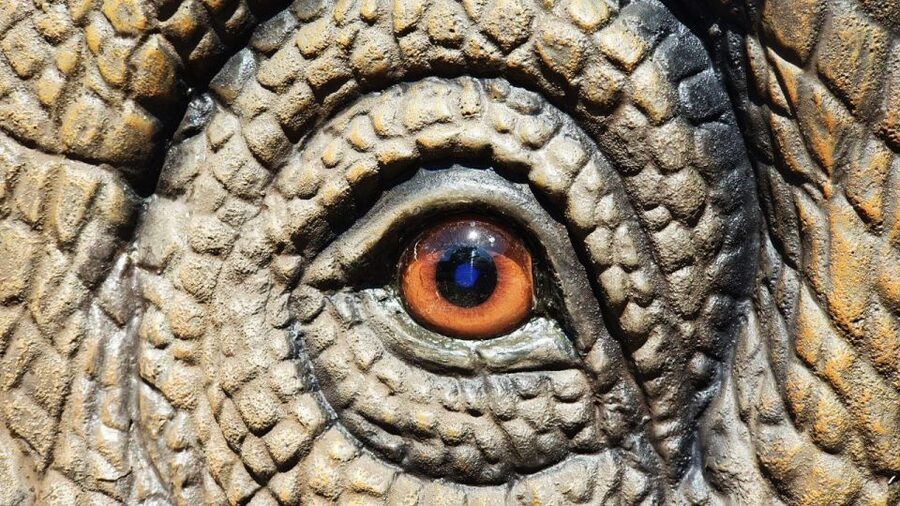
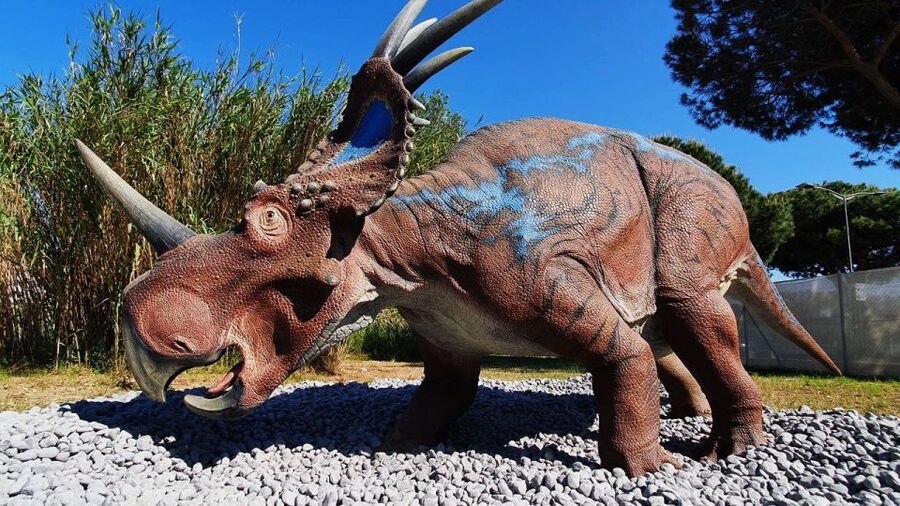
In summer, the ticket also includes the World of Dinosaurs, an outdoor area laid out like a prehistoric plain. It features highly realistic reproductions of reptiles that lived about 65 million years ago.
The Tyrannosaurus Rex is the obvious crowd-puller. The Spinosaurus is another major display, with a stated length of 16 meters and a tall crest that gives it a very different shape from the T. rex.
For families, the shaded excavation area may be as valuable as the large models. Children can unearth imitation prehistoric fossils and play at being paleontologists. That activity gives younger visitors something hands-on to do rather than simply asking them to look at statues.
The dinosaur area is seasonal, so do not assume it will be open during every visit. The ticket information specifically includes it in summer. If dinosaurs are your main reason for booking, confirm the operating dates before you buy.
Because this section is outdoors, weather and heat may affect how long you want to stay. The shaded excavation area helps, but you may prefer to visit it earlier or later in the day during hot weather.
Learning about plastic waste through Plastifi-niamola
The aquarium also addresses the problem of plastic in the sea through the Plastifi-niamola area. This gives the visit a clear conservation message without turning the entire day into a lecture.
The topic fits naturally beside the marine exhibits. After seeing sharks, turtles, rays, and jellyfish, you get a reminder that the condition of the sea affects real animals, not just an abstract environmental issue.
The phrase più pesce meno plastica, meaning more fish, less plastic, captures the basic idea of this part of the experience. You should expect a mix of animal displays, play trails, and educational material rather than a formal environmental workshop.
This is one area where the aquarium tries to connect entertainment with responsibility. The approach may work well for families because children can encounter the message through interactive features instead of only reading statistics.
Feeding sessions and optional special encounters
The daily feeding sessions are worth planning around. The aquarium lists feedings for bull sharks, penguins, otters, and stingrays, giving you four chances to see familiar exhibits become more active and focused.
Timing is important because the ticket is valid for one day and the aquarium offers enough sections to fill that time. I would check the schedule at the start of your visit and choose two or three feedings that fit your route.
The aquarium’s Extraordinary Encounters include Behind the Scenes and The Secrets of the Reptile House. These offer a more exclusive observation point, but the supplied ticket details do not say that they are part of standard admission. Treat them as optional extras and ask about availability on the day.
A self-guided format gives you freedom, but it also means you need to organize yourself. There is no guide name to look for and no stated tour group size. You decide how long to stay at each tank and how much of the educational material to read.
How much time and money does it take?
The listed price is $25 per person for one day. I consider that reasonable if you use the ticket as a full-day attraction rather than a quick stop.
You are paying for four indoor routes, more than 100 tanks, roughly 3,000 specimens, the educational insect exhibition, and the summer dinosaur area when it is operating. The range of subjects is what gives the ticket its value. You can see marine life, river animals, reptiles, giant insects, and prehistoric creatures without buying separate admission for each area.
The value is weaker if you plan to spend only an hour or two on the shark tanks. The aquarium is designed for a longer visit, and families should allow time for feeding sessions, play trails, food, and the outdoor dinosaur area in summer.
Lunch is available if you select an option that includes it. An internal snack bar provides a quick break, while the Pesce Azzurro restaurant outside offers another meal choice. The basic ticket does not automatically mean lunch is included, so check the option you select.
Tickets are non-refundable and cannot be canceled or modified. One unusual detail matters: tickets are valid the day after purchase. Do not buy on the assumption that you can enter immediately unless the booking information clearly permits it.
Child prices are based on height
The aquarium uses height rather than age for its child pricing. Children up to 100 centimeters should be booked under the infant option, while the reduced ticket applies to children measuring from 100 to 140 centimeters.
That makes measuring your child useful before you book. If your child is close to one of those limits, use the stated height categories carefully rather than guessing from age.
The play trails, shark mouth, penguin activity, dinosaur excavation area, and feeding sessions make the aquarium especially suitable for families with children. Older children and adults may get more from the insect models, reptile displays, and conservation material.
Who should book the Aquarium of Cattolica?
I would choose this experience if you want a flexible, family-friendly day with plenty of animal variety. It is particularly useful on a coastal holiday when you need a break from the beach, or when the weather makes an indoor attraction appealing.
The aquarium also suits you if you enjoy moving at your own pace. You can focus on the bull sharks and penguins, or take time with the insects, reptiles, and environmental displays.
I would think twice if you want a formal guided tour with detailed commentary at every stop. The self-guided format is convenient, but the available information does not identify guides or promise spoken explanations. You may need to read the displays and make your own connections.
At $25, the strongest value comes from staying most of the day. Families who use the feeding schedule, explore all four routes, eat on site, and visit the summer dinosaur area will get much more from the ticket than anyone making a short shark-only visit.
Should you book it?
Book the Aquarium of Cattolica if penguins, sharks, reptiles, and hands-on family exhibits all appeal to you. The Humboldt penguin colony, bull shark feedings, four-route layout, and summer dinosaur area give the visit enough range to fill a day.
Skip it if you need a highly guided, lecture-style experience or if you will not have time to explore beyond the main marine tanks. For most families visiting Cattolica, though, the ticket offers a practical mix of animals, science, play, and conservation at a fair one-day price. Just remember that the ticket is valid the day after purchase, and plan your visit around the feeding times.
FAQ
Where is the Aquarium of Cattolica?
The aquarium is at Piazzale delle Nazioni, 1A, 47841 Cattolica RN, Italy.
How much does entry cost?
The listed price is $25 per person.
How long is the ticket valid?
The ticket is valid for one day. It becomes valid the day after purchase, not on the purchase date.
What does the entry ticket include?
Entry includes access to the Aquarium of Cattolica and its four indoor routes. In summer, it also includes the World of Dinosaurs area.
What are the four aquarium routes?
The blue route covers marine environments, yellow covers river environments, green contains the reptile house, and purple presents the Giant Insects XXL Edition exhibition.
Are child prices based on age?
No. Child prices are based on height. Children up to 100 centimeters use the infant option, while the reduced ticket is for children from 100 to 140 centimeters tall.
Is the aquarium wheelchair accessible?
Yes. The activity is listed as wheelchair accessible.
Fresh on the Italy list
- Rome: Guided Catacombs Tour & Capuchin Crypt (Audio Guide)★ 4.3 · 191 reviews
- Guided tour of the Colosseum, Roman Forum and Palatine in Spanish★ 4.5 · 191 reviews
- Bolgheri: Winery Tour with Wine Tasting★ 4.7 · 191 reviews
- Stories of Pompeii: Small Group tour with archeology expert guide★ 5.0 · 191 reviews
- Palinuro: Costa del Mito Boat Tour★ 4.9 · 191 reviews
- From Palau/La Maddalena: All inclusive Yacht Tour★ 4.8 · 191 reviews
- Small-Group Cooking Class in Positano: Gnocchi, Tiramisù & Drinks★ 5.0 · 191 reviews
- Semi Private Deep Wine Chianti and San Gimignano from Florence★ 5.0 · 191 reviews
Aquariums, compared.
Aquarium & Christopher Columbus’ House Entry Tickets
Read our review →
Aquarium of Genoa & City of Children and Youth Ticket
Read our review →
Browse the lists this tour appears in