
Reviewed · VENICE TOURS
Venice Doge’s Palace & Prisons Tour
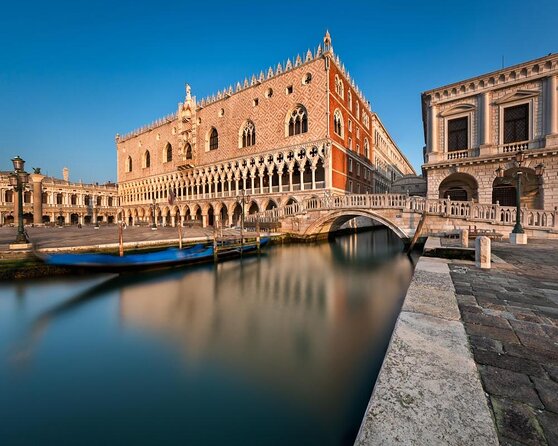
Venice’s Doge’s Palace is more than a pretty Gothic building. It was the control room of a powerful republic, and this tour connects its glittering government rooms with the bleak prison cells across the Bridge of Sighs. You get the art, politics, courtrooms, and punishment system in one compact visit.
I like the skip-the-line entry, which matters in crowded St. Mark’s Square, and I like having a live guide explain why the paintings and rooms mattered instead of simply walking past them. The main caution is timing: two hours goes quickly, and some people want extra minutes to admire the ceilings. Meeting outside the Royal Gardens can also cause confusion if you wait inside the gates.
Key points to know before booking
- The Bridge of Sighs links palace power to prison cells: You cross from the grand government rooms into the New Prisons, following the route once used by condemned prisoners.
- Tintoretto and Veronese are part of the main story: The guide explains the political meaning behind the huge paintings, including Veronese’s Juno Bestowing her Gifts on Venice.
- The meeting point is outside the Royal Gardens: Look for the guide at the entrance outside the gates, not inside the garden.
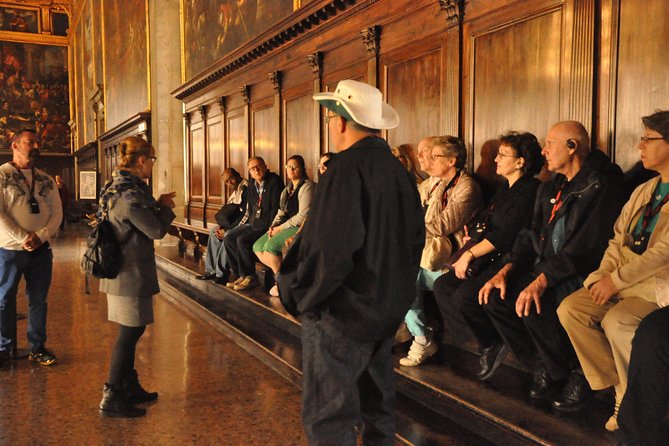
- The group can reach 20 people: Headsets are provided when more than eight people attend, helping you follow the guide in large rooms.
- The tour lasts about two hours: It covers the palace, Giant Staircase, Council of Ten areas, Bridge of Sighs, and prisons without leaving much time for lingering.
- The price is $114.88 per person: You are paying for admission, fast-track access, an English-speaking licensed guide, and a focused explanation of Venice’s government and art.
Why the Doge’s Palace deserves a guided visit
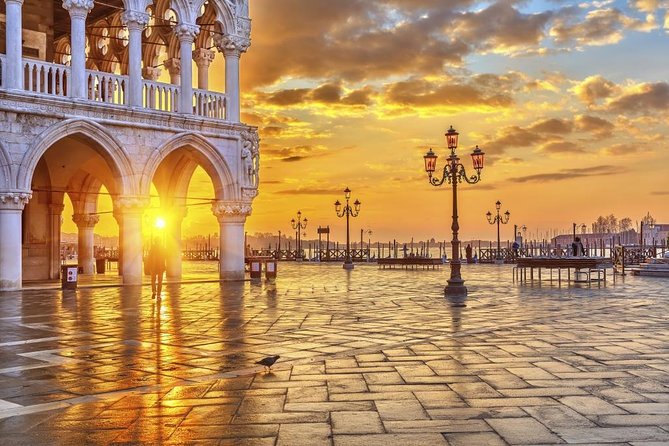
The Doge’s Palace is one of those places where a guide adds real value. Its rooms are packed with gold, painted ceilings, carved details, and enormous canvases. Without context, you can admire the spectacle but miss the message: these rooms were designed to show that Venice was wealthy, stable, divinely favored, and firmly controlled.
The palace was the seat of the Venetian Republic and the home of the doge, the elected ruler who presided over the state. The doge was not an absolute king, however. Venice was governed through councils, committees, courts, and secretive political bodies. That complicated system is easier to understand when someone points out which rooms handled public business and which dealt with investigation, judgment, and punishment.
I would not choose this experience only for pretty architecture. I would choose it because the route lets you see the contrast between the republic’s polished public face and its harsh machinery of control. One minute you are under a gilded ceiling surrounded by celebratory art. Soon after, you are crossing into a prison complex built for people who had lost the protection of the state.
A few other Venice mornings to weigh against this
- Venice: Doge’s Palace Reserved Entry Ticket
★ 4.6 · 42,716 reviews - Venice: Grand Canal Gondola Ride with App Commentary
★ 4.1 · 18,908 reviews - Boat Trip: Glimpse of Murano, Torcello & Burano Islands
★ 4.3 · 15,699 reviews
Meeting at the Royal Gardens
The tour begins at Venice’s Royal Gardens, near St. Mark’s Square. This is a practical location for anyone already exploring the center, but you need to read the meeting instructions carefully.
The important detail is that the guide meets you outside the Royal Gardens entrance, beyond the gates. Some visitors have waited inside the gardens, which led to missed connections and late starts. Do not rely only on a map pin. Check the written instructions and arrive with enough time to locate the entrance.
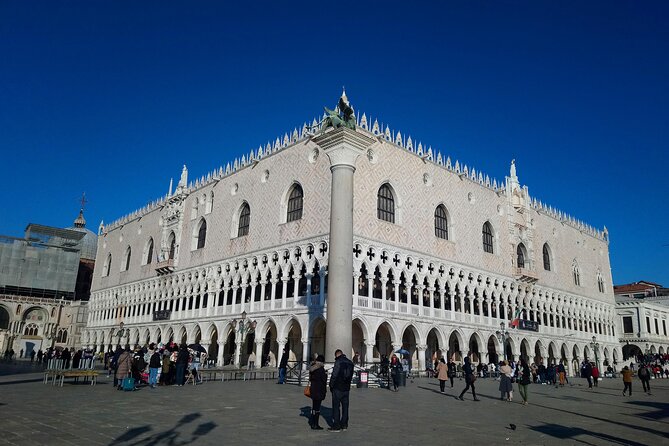
From the gardens, you take a short walk toward Doge’s Palace. That brief approach helps you get your bearings before entering the busy square. The palace’s Gothic exterior is worth a pause, with its pale stone, pointed arches, and unusual balance of delicacy and strength.
Your ending point is outside Doge’s Palace in St. Mark’s Square. There is no hotel pickup, drop-off, food, or drink included, so plan those separately.
Entering through the palace’s public face
With fast-track admission, you avoid the regular long queue and enter with the group. This is especially useful during high-demand periods, when St. Mark’s Square can feel crowded and a wait in the sun or rain would eat into your day.
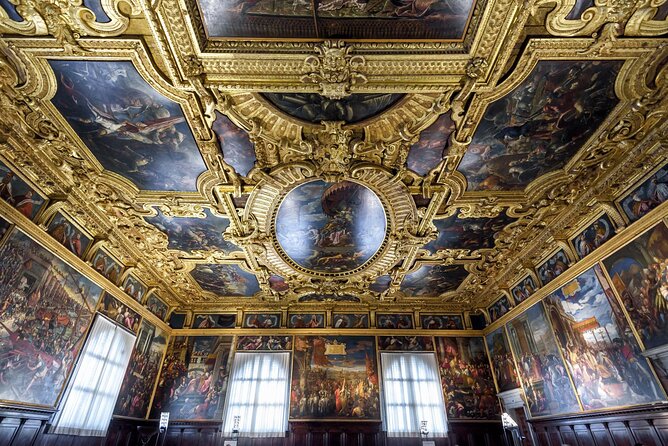
The first part of the visit introduces the palace’s public and ceremonial spaces. Expect grand halls covered with murals, gilded decoration, painted ceilings, and elaborate architectural details. These rooms were not decorated modestly. Venice wanted visiting ambassadors and citizens alike to understand that the republic had money, influence, and confidence.
The guide’s role is to help you read the decoration. Paintings often present Venice as a favored and victorious power, while allegorical figures represent justice, prosperity, or divine protection. You may find yourself looking upward more often than forward, since much of the palace’s strongest artwork is overhead.
The tour includes works by Tintoretto and Veronese. Veronese’s Juno Bestowing her Gifts on Venice is a particular highlight, and the guide explains the ideas behind the scene rather than treating it as a name to tick off a list.
Tintoretto’s work brings a different energy, with dramatic composition and movement that suit Venice’s grand political storytelling. The paintings are not simply wall decoration. They helped shape the official image of the republic.
The Giant Staircase and the architecture of power
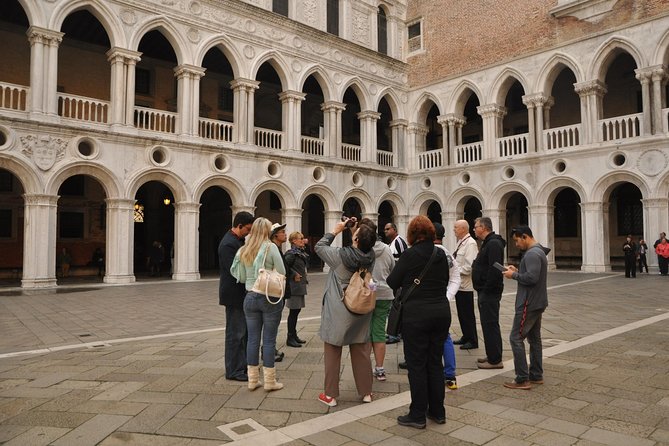
The Scala dei Giganti, or Giant Staircase, is introduced in the courtyard. Its name comes from the monumental figures of Mars and Neptune associated with the staircase, and it was used for formal entrances into the palace.
This is a short part of the experience, listed at about 20 minutes within the overall visit. Your guide uses the courtyard to explain how the palace was organized and how architecture reinforced rank. The staircase was not just a way to move between floors. It helped turn official ceremonies into theater.
The palace’s design combines an almost delicate Gothic exterior with the weight of political authority inside. That contrast is one of the pleasures of the visit. The building can look light and open from the outside, yet its interior route takes you through institutions that operated with discipline and secrecy.
You should be prepared for stairs during the palace and prison visit. One guide was specifically praised for helping an older man who had trouble climbing, but the tour information does not promise a fully step-free route. If stairs are a concern, ask the provider before booking.
Same city, an entirely different afternoon:
- Venice: Grand Canal by Gondola with Live Commentary
★ 4.1 · 13,681 reviews - Venice: La Fenice Opera House Entry Ticket with Audio Guide
★ 4.6 · 11,742 reviews - Doge’s Palace & St. Mark’s Basilica with Terrace Access Tour
★ 4.7 · 10,697 reviews - Venice: Burano, Torcello & Murano Boat Tour w/Glassblowing
★ 4.4 · 10,245 reviews
Council rooms and the Venetian system
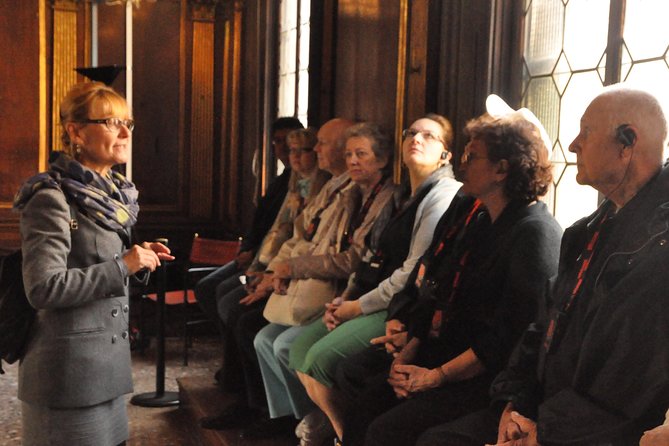
The Trial Chambers of the Council of Ten give the tour its political edge. The Council of Ten was one of Venice’s most powerful and secretive bodies, linked to state security and the policing of threats to the republic.
This is where a good guide can turn a list of rooms into a story about how Venice worked. You learn about the doges and the institutions around them, including the ways the republic investigated, judged, and controlled its enemies.
The wording often used in descriptions of the tour can be confusing, so keep the basic distinction clear: the doges were rulers of Venice, not dogs. The tour explains how these men governed through a wider political structure, using councils and courts rather than ruling alone.
The subject matter may appeal most to you if you enjoy political history, law, or the mechanics of government. If you want only art and architecture, the discussions of court procedure and state power may feel like a detour. For me, that is what gives the palace weight. The beauty becomes more interesting when you understand the system behind it.
Tintoretto, Veronese, and the meaning behind the art
The palace’s art is easy to admire and easy to misunderstand. The canvases are huge, the colors are strong, and the settings are theatrical. A guide helps you notice who is represented, what Venice is claiming about itself, and why the paintings belong in government rooms.
Veronese’s Juno Bestowing her Gifts on Venice presents Venice through allegory. It is the kind of work that can look decorative until you understand that it is making a political claim about the city’s prosperity and special status.
Tintoretto’s paintings add another layer of drama. His work is often associated with strong movement and bold visual storytelling, which suits a palace where art was used to impress and persuade.
Several guides have been praised for explaining the meaning of the paintings rather than rushing past them. Cristina, Alessandro, Arianna, Franchesca, Georgina, Adrianna, and others have received especially warm comments for clear storytelling and strong command of Venetian history. The specific guide depends on the date and group, so you should not book expecting a particular person unless the provider confirms it.
Headsets are supplied when there are more than eight people. That is useful in vast halls, where a guide’s voice can easily disappear beneath other groups. You can hear the explanation even when you are standing some distance away, though accents may occasionally take extra concentration.
Crossing the Bridge of Sighs
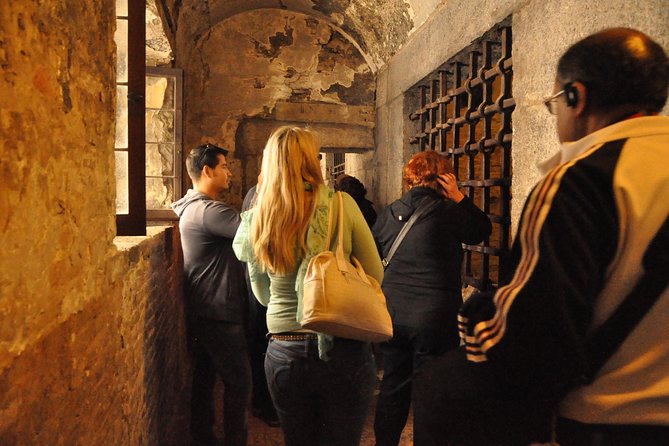
The Bridge of Sighs is the emotional hinge of the tour. It connects Doge’s Palace with the New Prisons, and you cross it as the route moves from government and ceremony into confinement.
The name refers to the sighs traditionally associated with prisoners seeing Venice through the bridge’s small stone windows as they were taken toward the cells. The story has become part of Venice’s folklore, but the physical experience still works. The bridge is enclosed and narrow, and its limited views create a sharp contrast with the open spaces of St. Mark’s Square.
Do not expect a sweeping viewpoint from inside. The windows are small, and the bridge is more powerful as a passage than as a lookout. Listen closely here, because the guide explains why this connection mattered and how the prison route fit into the republic’s court system.
This is also one of the most memorable moments for families and first-time visitors. Children may respond to the idea of following a prisoner’s route, while adults tend to notice the shift from theatrical palace rooms to practical confinement.
The New Prisons and the route of the condemned
The New Prisons are not as ornate as the palace, and that is exactly why the change feels so strong. You walk through foreboding corridors and cells where convicts and enemies of the republic were confined.
The prison section gives the tour a human scale. In the palace, power is expressed through vast rooms and heroic paintings. In the prison, the experience narrows to walls, passageways, and the physical limits imposed on prisoners.
I find this portion more effective when treated as a lesson in the Venetian justice system rather than as a spooky attraction. The guide explains how prisoners moved through the complex and how the state dealt with people judged dangerous or guilty.
The prison visit also gives you a useful break from the palace’s visual overload. After so many gilded surfaces, the plain and severe rooms make the earlier luxury feel more deliberate. Venice did not merely display wealth. It displayed who had access to it and who did not.
The two-hour pace and group size
The stated duration is about two hours, with a maximum group size of 20. That is long enough for a proper introduction but short enough to fit into a full day in Venice.
The pace is generally purposeful. You see the major public rooms, the Giant Staircase, the political chambers, the Bridge of Sighs, and the prisons. The trade-off is limited free time. If you want to stand beneath every ceiling and study each painting, you may feel hurried.
One guide handled a shortened schedule by moving quickly while still covering the main points, but that is not something you should count on. Arrive on time and tell the guide early if you have a firm departure deadline.
The group size can vary. A group of five feels intimate and makes it easier to ask questions. A group closer to 20 is still manageable with headsets, but you need to stay near the guide and watch the meeting points between rooms.
Some people may prefer to explore alone and set their own pace. I would choose this tour if you want the main story in two hours and do not want to spend time working out the palace’s political structure by yourself.
Is $114.88 a fair price?
At $114.88 per person, this is not a budget palace visit. The price includes a licensed English-speaking guide, admission, fast-track access, and a headset when the group exceeds eight people.
The value depends on how you use the two hours. If you only want to enter, take photographs, and wander, a guided option may feel expensive. If you want the artwork explained, the doge’s role clarified, and the prison route placed in context, the cost is easier to justify.
Skip-the-line access also has practical value. Time in Venice is precious, and a long queue can damage a morning, especially if you have a reservation, a meal, or another timed visit afterward. The tour is often booked about 31 days ahead, so advance planning is sensible during popular periods.
Group discounts are available, though the exact savings are not provided here. The tour is offered in English only, so choose it when that language works comfortably for everyone in your party.
Weather, comfort, and small practical details
The tour operates in all weather conditions. Venice can be wet, windy, or very warm, and much of the experience involves walking between the meeting point, palace rooms, courtyard areas, bridge, and prisons.
Wear shoes suitable for stairs and hard flooring. Bring water, especially in summer, when the palace can become hot and stuffy. A small hand-held fan may be useful on warm days, and an umbrella or rain layer makes sense when the forecast is poor.
There is no food or drink included, so eat beforehand or plan a stop afterward. The tour ends in St. Mark’s Square, which gives you an easy starting point for the next part of your day, but the activity itself does not provide additional palace exhibitions or a meal.
The ticket may also provide discounted entry to other exhibitions at the palace, according to information given to participants. Confirm the current terms on the day if that benefit matters to your schedule.
Who should book this Doge’s Palace tour?
I would recommend it to a first-time visitor who wants the palace’s main story without spending half a day figuring it out alone. It suits people who enjoy art, government, courtroom tales, and the contrast between grand public rooms and prison corridors.
Families can also do well here, especially if children are interested in secret councils, old prisons, and crossing the Bridge of Sighs. The two-hour length is more manageable than a much longer museum visit.
You may want another option if you prefer silence, photography, or a slow look at every painting. The guide keeps the group moving, and the palace can be crowded. You should also think twice if stairs are difficult, unless the provider confirms a suitable arrangement.
The cancellation policy is generous if your plans change: cancel at least 24 hours before the local start time for a full refund. The operator can cancel if minimum numbers are not met, in which case you are offered an alternative or full refund. Doge’s Palace can also close without notice, and no refund is available for closures outside the operator’s control.
My recommendation
I would book this tour if you want a clear, lively introduction to Venice’s political heart and you value getting past the main queue. The strongest parts are the art explained in context, the Council of Ten rooms, the Bridge of Sighs, and the prison route.
Go in with realistic expectations. Two hours is enough for the essential route, not for a quiet museum afternoon. Confirm that you understand the meeting point is outside the Royal Gardens, arrive ready for stairs and changing weather, and stay close to the guide in the larger group.
FAQ
How long does the Doge’s Palace and Prisons Tour last?
The tour lasts approximately two hours. It includes Doge’s Palace, the Giant Staircase, the Bridge of Sighs, and the New Prisons.
Where does the tour begin?
The meeting point is at the entrance of Venice’s Royal Gardens near St. Mark’s Square. Meet the guide outside the gates, not inside the gardens.
Where does the tour end?
The tour ends outside Doge’s Palace in St. Mark’s Square at P.za San Marco, 1.
Is admission to Doge’s Palace included?
Yes. The tour includes skip-the-line admission to Doge’s Palace and access to the prison section covered by the visit.
Is the tour offered in English?
Yes. It is offered in English and led by a local English-speaking licensed guide.
Are headsets provided?
Headsets are provided when more than eight people are in the group. They help you hear the guide clearly in the palace’s large rooms.
Can I cancel for a full refund?
Yes. You can cancel at least 24 hours before the experience’s local start time for a full refund. Cancellations or changes made less than 24 hours before the start time are not refunded.
Fresh on the Venice list
- Murano: Glass Blowing Demonstration and Artistic Glass Gift★ 4.6 · 507 reviews
- From Venice: Dolomites, Lake Misurina, and Cortina Day Trip★ 4.6 · 508 reviews
- Venice Islands: Murano Glass & Burano Colors Guided Visit★ 4.5 · 510 reviews
- The Majestic Teatro La Fenice: Guided Tour in Venice★ 4.3 · 513 reviews
- Real Venetian Kayak – Tour of Venice Canals with a Local Guide★ 4.5 · 518 reviews
- Venetian Carnival Mask Making Class in Venice, Italy★ 4.5 · 525 reviews
- Half Day Murano and Burano Island Tour by Private Boat★ 4.5 · 529 reviews
- Venice Trilogy: Murano, Burano & Torcello by Lagoon Boat★ 4.5 · 532 reviews
Venice Tours, compared.

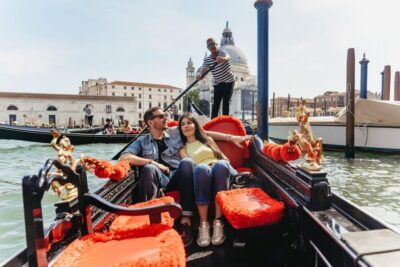
Grand Canal Gondola Ride with App Commentary
Read our review →
Boat Trip: Glimpse of Murano, Torcello & Burano Islands
Read our review →
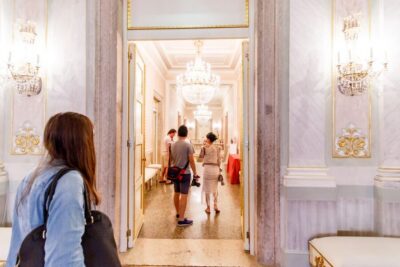
La Fenice Opera House Entry Ticket with Audio Guide
Read our review →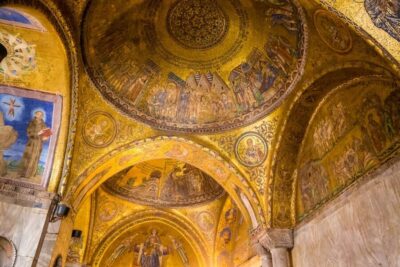
Doge’s Palace & St. Mark’s Basilica with Terrace Access Tour
Read our review →
Burano, Torcello & Murano Boat Tour w/Glassblowing
Read our review →
Murano and Burano Boat Tour with Glass Factory Visit
Read our review →Browse the lists this tour appears in