
Reviewed · VENICE TOURS
Tour of The Real Hidden Venice
Venice reveals its best stories away from St. Mark’s Square. This two-hour walk begins in quiet Cannaregio, crosses into the Jewish Quarter, follows peaceful canals, and ends at Rialto Bridge. Along the way, guides such as Nico, Sebastiano, Giovanni, and Michelle connect old buildings with modern Venetian life.
I like the small maximum of 15 people, which gives you a fair chance to ask questions. I also like the route’s useful mix of famous and overlooked sights, including Tintoretto paintings, an old gondola workshop, and Ponte Chiodo, a bridge that preserves an earlier Venetian design. The main drawback is that some stops involve standing while the guide talks, and one or two visitors found the information too general unless they asked questions.
Key points to know before you book
- A quiet Cannaregio start: Begin at Campo San Geremia, near the Santa Lucia train station, rather than in the crowded center.
- A walk through the Jewish Quarter: Learn where the word ghetto came from and how this part of Venice developed.
- Local stories, not just monuments: Guides discuss water, transport, daily life, food, schools, and the challenges facing modern Venice.
- A strong route for first-day orientation: Finish at Rialto Bridge and the market, a useful place to continue exploring on your own.
- Small-group format: The group tour is limited to 15 people, with a private option available.
- Good value at $47.16: For two hours of guiding and a city map, the price is fair, especially if you use the advice for the rest of your stay.
Why Cannaregio is the right place to begin
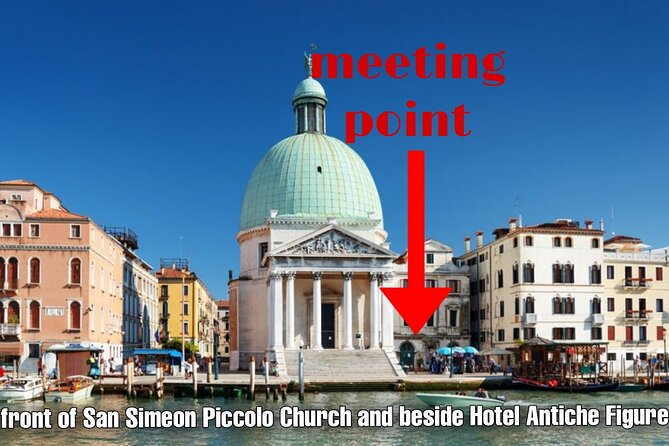
The meeting point is in front of Hotel Antiche Figure at Fondamenta San Simeon Piccolo, in the Santa Croce area near Venezia Santa Lucia train station. Check the location before setting out. Venice’s lanes can turn a short walk into a puzzling one, and arriving at the wrong side of the station can cost you precious time.
From there, the walk starts at Campo San Geremia, a small square with an unusual comic tale attached to it. The stop lasts only about five minutes, but it sets the tone. You are not simply being marched from one grand monument to the next. The guide uses small places and local stories to explain how Venice works.
I like this opening because it gives you a quieter first look at the city. You will still see the familiar Venetian ingredients, water, stone, bridges, narrow lanes, and worn facades, but without the heavy crowds found around St. Mark’s.
The guide also helps you get oriented. One particularly useful introduction explains Venice’s six districts and the character of each one. That basic map in your head can make the rest of your stay easier, especially when you are trying to understand why one neighborhood feels different from another.
A few other Venice mornings to weigh against this
- Venice: Doge’s Palace Reserved Entry Ticket
★ 4.6 · 42,716 reviews - Venice: Grand Canal Gondola Ride with App Commentary
★ 4.1 · 18,908 reviews - Boat Trip: Glimpse of Murano, Torcello & Burano Islands
★ 4.3 · 15,699 reviews
Crossing into the Jewish Quarter
The route then crosses tranquil footbridges into the Ghetto Ebraico, Venice’s Jewish Quarter. This is one of the most worthwhile parts of the walk because the word ghetto itself originated here. The guide explains the area’s history and the way the quarter functioned in Venice during the 1400s and afterward.
Allow about 15 minutes at this stop, though the guide may spend longer answering questions. The subject is important, but it can also be one of the more stationary sections of the walk. If you have arrived early, slept poorly, or are eager to keep moving, this pause may feel long.
Still, I would not skip it. The Jewish Quarter adds social and political context that you will not get from simply admiring canals and palaces. It helps explain Venice as a working republic with rules governing where people lived and how communities operated.
This is also a good point to ask questions. The more specific you are, the more useful the walk becomes. Ask how the neighborhood relates to Venice today, not only what happened centuries ago. Some guides, including Sebastiano and Nico, have been praised for linking the past with modern concerns such as local housing, water supply, transport, and the effort to keep Venice a living city.
Quiet canals in Cannaregio
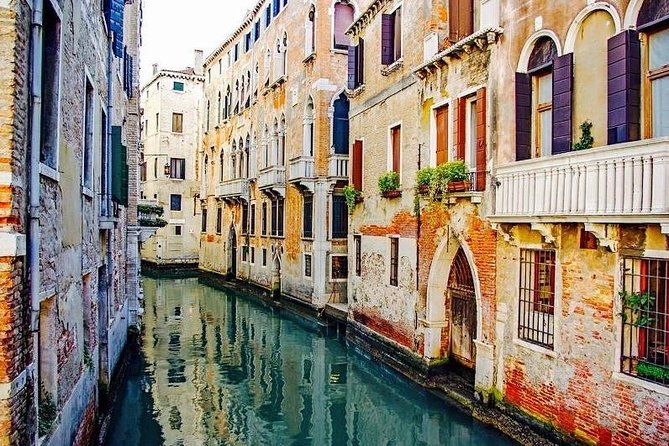
The Cannaregio section takes about 30 minutes and is the heart of the experience. You will leave the main tourist paths and follow calmer canals where the city feels more like a neighborhood than an open-air museum.
This is the part I would most value for photographs. You may find handsome canal views, small bridges, modest doorways, and working spaces without a solid wall of people in front of you. The point is not that every corner is a grand discovery. The pleasure comes from seeing the ordinary structure of Venice, the routes people use to get home, move goods, or reach a boat.
Your guide may explain practical details that are easy to miss when you explore alone. Venice has no normal road network, so deliveries, rubbish collection, water transport, and daily errands all work differently here. Several guides have also offered useful suggestions for restaurants, bars, and later sightseeing.
The pace is generally manageable, but this is a real walking tour. You will cross bridges and walk on uneven pavement. Wear shoes with good grip, and bring water. The tour requires a moderate level of fitness, and the experience can be less comfortable in rain or when the stone is slippery.
Madonna dell’Orto and Tintoretto’s Venice
The walk stops at Chiesa della Madonna dell’Orto, known for its Tintoretto paintings. The visit is brief, around five minutes in the stated schedule, so think of it as an introduction rather than a full church tour.
The exterior and the original floor in front of the church are part of the stop. An admission ticket is not included, so confirm with the guide what you can see from the planned route and what might require a separate payment. The supplied details do not promise an included interior admission.
Even a short look is valuable because Tintoretto is closely tied to Venice. The church gives the guide a chance to connect art, neighborhood life, and the city’s long tradition of commissioning work for local religious buildings.
If you are an art specialist, you may want more time here than the schedule allows. If you mainly want a well-chosen introduction while walking through Cannaregio, the stop fits the tour well.
Same city, an entirely different afternoon:
- Venice: Grand Canal by Gondola with Live Commentary
★ 4.1 · 13,681 reviews - Venice: La Fenice Opera House Entry Ticket with Audio Guide
★ 4.6 · 11,742 reviews - Doge’s Palace & St. Mark’s Basilica with Terrace Access Tour
★ 4.7 · 10,697 reviews - Venice: Burano, Torcello & Murano Boat Tour w/Glassblowing
★ 4.4 · 10,245 reviews
The Camel Palace and its old legend
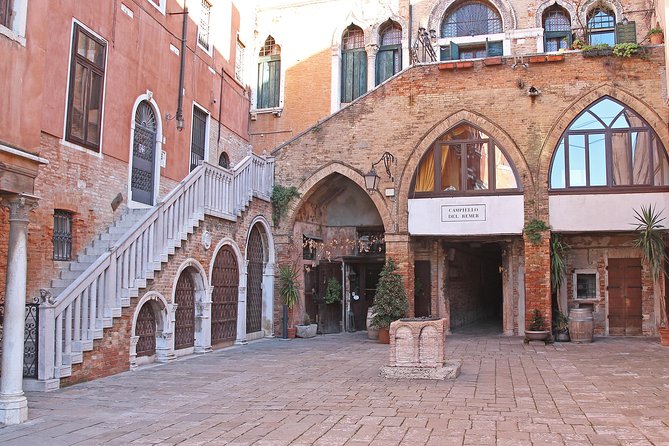
Next comes Palazzo Mastelli, also called the Camel Palace because of the camel figure on its facade. The stop takes about five minutes and focuses on the legend surrounding this very old building.
This is classic Venice: a facade, an odd detail, and a story that makes you look twice. On your own, you might walk past without noticing the sculpture or understanding why it matters. A guide turns a small visual clue into part of the city’s larger story of merchants, travel, and folklore.
Do not expect a palace interior visit. The attraction here is the facade and the tale connected with it. It is a quick stop, but it breaks up the longer stretches of walking and gives you another detail to recognize if you return later.
A glimpse of gondola-making
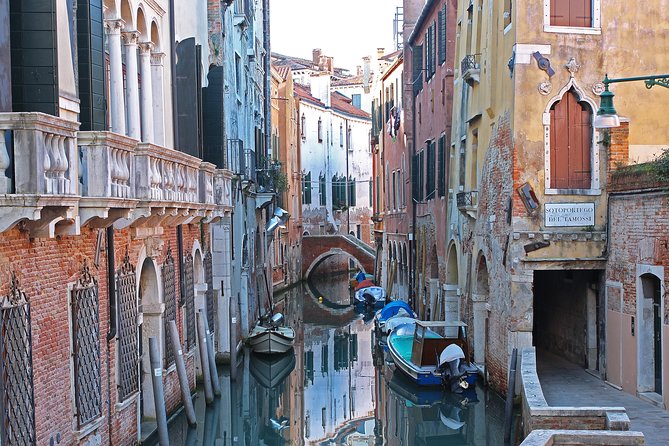
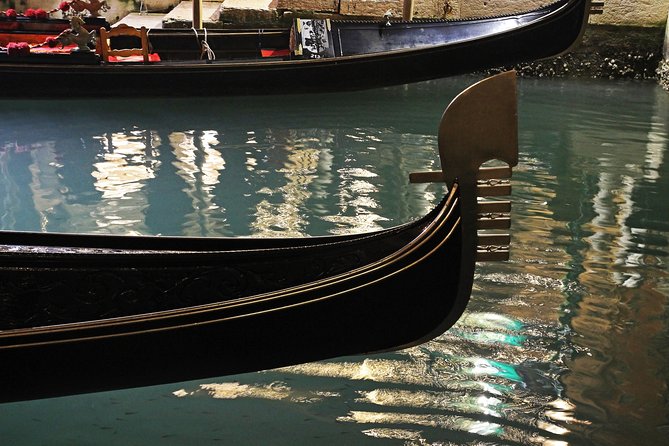
The route passes Squero dei Muti, an old gondola factory. You should understand the wording here: this is a chance to admire or peek at a historic workshop, not a promised hands-on demonstration or extended crafts visit.
That distinction matters. Venice’s gondolas are not merely decorative boats for visitors. They are part of the city’s transport tradition and require specialized construction and repair. Seeing a working boatyard, even briefly, adds a practical layer to the romantic image of Venice.
This is one of the route’s strongest small details. You get a glimpse of a trade that supports the city’s identity, then continue on foot toward one of its most famous landmarks.
Ponte Chiodo and an older Venetian design
Ponte Chiodo is another short stop, usually about five minutes. The bridge is described as an original bridge of the Venetian Republic, and its design gives you a chance to notice how bridges in Venice have changed.
The stop works best when the guide points out what to look for. It is easy to rush across any Venetian bridge without considering its structure. Here, the bridge becomes part of the story of how people moved through the city before modern tourism shaped so many routes.
This is also a good reminder that hidden Venice does not mean every stop is secret or inaccessible. It means the route pays attention to details that many first-time visitors miss while hurrying between major sights.
Reaching Rialto Bridge by a quieter route
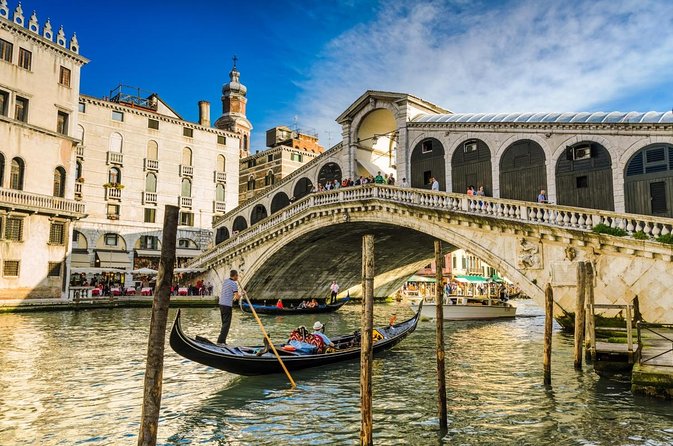
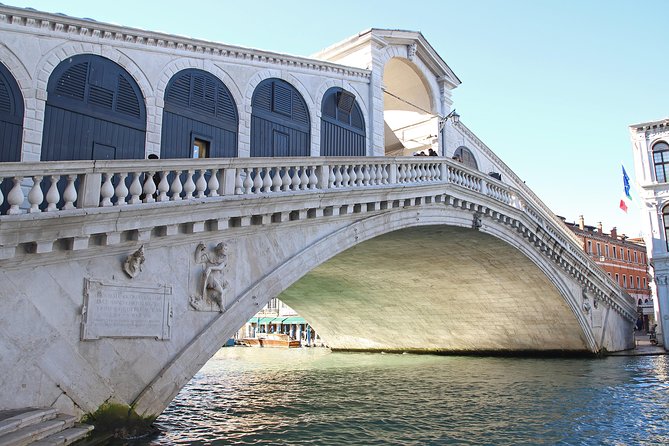
After Cannaregio, the walk reaches Ponte di Rialto. The bridge itself is famous, but the approach is part of the appeal. You arrive after moving through quieter districts instead of beginning with the most crowded central sights.
The guide spends about 15 minutes on Rialto Bridge, explaining its place as the first bridge built across the Grand Canal and sharing stories, legends, and traditions connected with it. This gives you more than a photo stop. You learn why the crossing became central to Venice’s commercial life and why Rialto still feels like one of the city’s main meeting points.
The bridge can be crowded, so do not expect the same calm you found in Cannaregio. That contrast is useful. The route shows you both sides of Venice in one morning or afternoon: the quiet residential canals and the busy commercial center.
The tour ends near the bridge, which is practical. You are close to the Rialto Market, central streets, water transport, and many routes through the city. You can continue sightseeing, find lunch, or use the guide’s suggestions immediately.
Campo San Giacomo and the Rialto Market
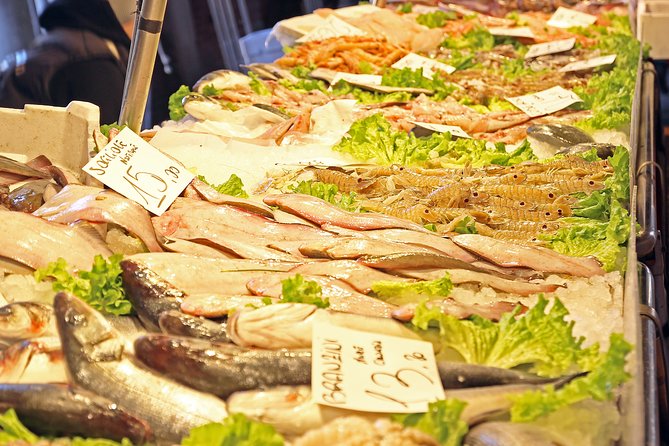
The final stops are Campo San Giacomo di Rialto and the Mercato di Rialto. Campo San Giacomo is described as the first lived island of Venice, and the guide uses it to explain the early growth of the city.
The market section takes about 15 minutes. Rialto was the old trade center of La Serenissima, Venice’s historic republic, so this is a fitting place to finish a walk about how the city functioned.
The market may be a better payoff for curious visitors than another grand palace. It connects Venice with buying, selling, food, work, and everyday movement. Market activity can vary by day and time, and the tour details do not promise a particular selection of stalls, so treat this as a guided orientation rather than a dedicated food tour.
I would plan a meal or another activity nearby after the walk. You finish in a useful part of Venice, and several guides have helped people with restaurant ideas, ferry directions, and plans for Murano.
The guides and the small-group experience
The tour is offered in English, with a group limit of 15. That is small enough for questions, but not so small that everyone will have a private conversation with the guide. Your position in the group matters, especially in a narrow lane or beside a canal.
Guide quality appears to be one of the main strengths of the experience. Nico has been especially praised for making the walk personal and for connecting Venice’s past with present-day problems. He has even pointed out places tied to his own school years, which gives the route a genuine local angle.
Sebastiano is a good fit if you want clear orientation and practical context. Giovanni, Georgia, Michelle, Thomas, and Mateo have also led walks, and the experience can feel different depending on who is guiding that day. Some guides are lively storytellers, while others may offer a more general overview.
You should take an active role. Ask about local life, transport, food, water, and the buildings you pass. One person found the tour too vague until asking direct questions, while other accounts describe guides who answered questions at length. That suggests a simple strategy: do not wait for every subject to appear on its own.
A private option is available and may be worth considering if your group wants a slower pace or more control over the questions. One private experience was particularly valued for restaurant and bar suggestions and for finding good photo spots away from the busiest paths.
Is $47.16 a fair price?
At $47.16 per person, this is not the cheapest way to walk around Venice, but it is a reasonable price for a two-hour guided introduction. The fee includes the local guide, local taxes, a city map, and the walking tour. It does not include hotel drop-off or pickup, and admission costs are not included.
The value comes from the route and the time you save. You could find the Jewish Quarter, Madonna dell’Orto, Palazzo Mastelli, Ponte Chiodo, Rialto Bridge, and the market yourself, but you would need to research the route and piece together the stories. The guide also gives you practical advice you can use for the rest of your stay.
I see the tour as especially good value at the start of a Venice visit. Use the first two hours to get oriented, then return to the places that caught your attention. If you already know Cannaregio well and prefer to wander silently, the price may feel less worthwhile.
The tour is booked an average of 54 days ahead, so reserve early if your dates are fixed. Free cancellation is available up to 24 hours before the start time. Poor weather or failure to meet the minimum number may lead to a new date, another experience, or a full refund.
Meeting point, timing, and practical limits
The starting point is in front of Hotel Antiche Figure, near Santa Lucia train station. The end is at Rialto Bridge. There is no hotel pickup and drop-off, so plan your own route to the start and onward from Rialto.
This setup works well if you arrive by train or are staying near the station. It can be awkward if you come from a cruise ship or begin at St. Mark’s Square. One person found the walk from a water-taxi drop-off at St. Mark’s too long for a companion with mobility problems. Check your transport plans before booking rather than assuming the meeting point is close to every central attraction.
Children must be accompanied by an adult. The tour is near public transportation, but the walking itself includes bridges and uneven streets. Good shoes, water, and weather protection will make a noticeable difference.
Who should book this Venice walk?
Book it if you want a first-day orientation, enjoy local stories, and would rather see residential canals before tackling Venice’s biggest sights. It suits curious adults, families with older children, and anyone who wants restaurant or transport advice from a guide who knows the city well.
It is also a good choice if you have already seen St. Mark’s Square and the Doge’s Palace and want a different side of Venice. The tour does not replace those major sights, but it explains the city beyond its headline monuments.
Think twice if you have limited walking ability, dislike standing while listening, or want a detailed art lecture inside each church. It may also disappoint if you expect every stop to be a fully guided attraction visit. Much of the pleasure comes from streets, facades, bridges, canals, and stories told outdoors.
Should you book The Real Hidden Venice?
I would book this tour if I had two hours early in my Venice stay. The route covers places I might otherwise skip, ends at a useful central landmark, and gives you a practical sense of how Venice functions. The small group and local guides add real value, particularly when you ask direct questions.
Choose the private option if your budget allows and you want a more personal pace. Choose the group tour for the better price and a solid introduction. Either way, arrive at the meeting point prepared to walk, listen, and look closely. Venice rewards that kind of attention.
FAQ
How long is The Real Hidden Venice tour?
The walking tour lasts approximately two hours.
Where does the tour start?
It starts in front of Hotel Antiche Figure at Santa Croce, 687 Fondamenta San Simeon Piccolo, near the Venezia Santa Lucia train station area.
Where does the tour end?
The tour ends near Ponte di Rialto, or Rialto Bridge.
Is the tour offered in English?
Yes. The experience is offered in English.
How large is the group?
The group tour has a maximum of 15 people. A private group option is also available.
Are entrance fees included?
No. The tour includes the guide, local taxes, a city map, and the two-hour walking experience, but admission fees are not included.
Fresh on the Venice list
- Murano: Glass Blowing Demonstration and Artistic Glass Gift★ 4.6 · 507 reviews
- From Venice: Dolomites, Lake Misurina, and Cortina Day Trip★ 4.6 · 508 reviews
- Venice Islands: Murano Glass & Burano Colors Guided Visit★ 4.5 · 510 reviews
- The Majestic Teatro La Fenice: Guided Tour in Venice★ 4.3 · 513 reviews
- Real Venetian Kayak – Tour of Venice Canals with a Local Guide★ 4.5 · 518 reviews
- Venetian Carnival Mask Making Class in Venice, Italy★ 4.5 · 525 reviews
- Half Day Murano and Burano Island Tour by Private Boat★ 4.5 · 529 reviews
- Venice Trilogy: Murano, Burano & Torcello by Lagoon Boat★ 4.5 · 532 reviews
Venice Tours, compared.
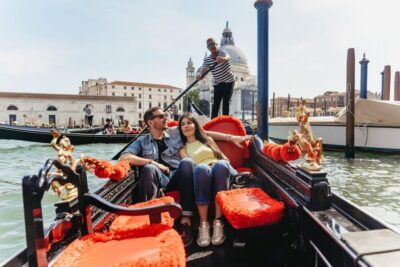
Grand Canal Gondola Ride with App Commentary
Read our review →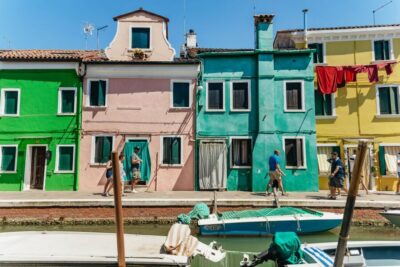
Boat Trip: Glimpse of Murano, Torcello & Burano Islands
Read our review →
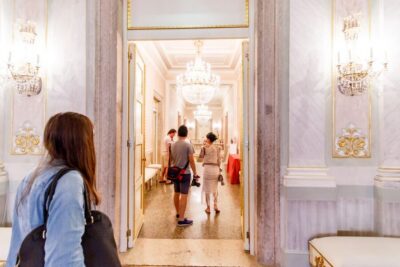
La Fenice Opera House Entry Ticket with Audio Guide
Read our review →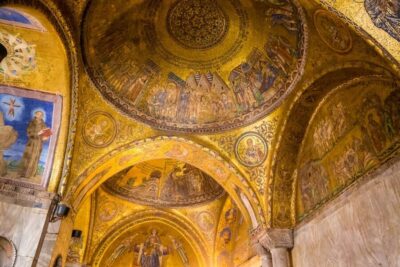
Doge’s Palace & St. Mark’s Basilica with Terrace Access Tour
Read our review →
Burano, Torcello & Murano Boat Tour w/Glassblowing
Read our review →
Murano and Burano Boat Tour with Glass Factory Visit
Read our review →Browse the lists this tour appears in