
Reviewed · VATICAN CITY TOURS
Rome: Vatican Pass plus Top Attractions and Transport
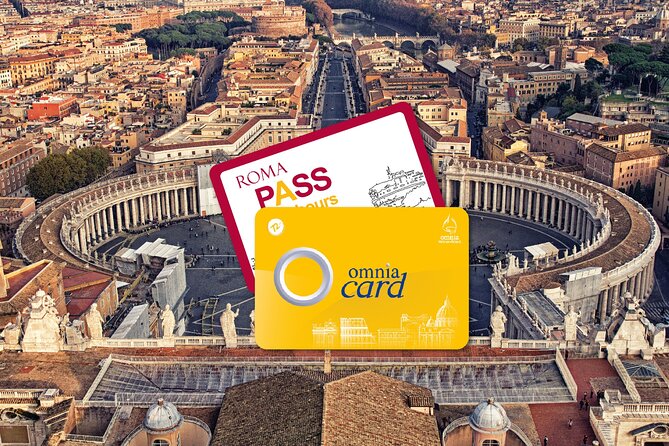
Rome’s great challenge is not finding things to see. It is finding enough time, energy, and workable reservations to see them. This 72-hour OMNIA and Roma Pass combines Vatican access, two major Rome attractions, city transport, and a hop-on hop-off bus into one package.
I like the built-in access to the Vatican Museums and Sistine Chapel, where avoiding the general ticket queue can save serious time. I also like having the Roma Pass for two chosen attractions, plus unlimited buses and metro trains for three days. The catch is that this is not a magic skip-every-line ticket, and the $179.24 price only works if you use the cards aggressively.
Key points to know before buying
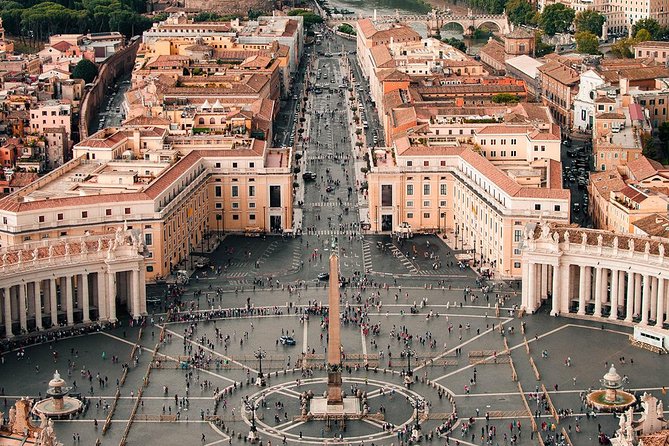
- Two passes begin on first use: The OMNIA Vatican Card and Roma Pass are both valid for 72 hours after activation.
- Reserve the big sights early: Vatican Museums, Sistine Chapel, Colosseum, St. Peter’s Basilica, Carcer Tullianum, Castel Sant’Angelo, and Borghese Gallery require reservations.
- Choose your two free Rome attractions carefully: The Roma Pass covers general admission to two eligible sights, with discounts afterward.
- The hop-on hop-off bus is useful for orientation: It can help you get a broad view of Rome, but buses may run less often than expected and stops are not always easy to find.
- Public transport is included: The travel card covers unlimited buses and metro trains in Rome for the valid period.
- Collection takes planning: You must redeem your booking voucher at a designated center, and finding the correct office has caused trouble for some pass holders.
What the 72-hour Rome pass really gives you
This is a sightseeing package, not a guided tour. You receive a voucher, redeem it for the OMNIA Vatican Card and Roma Pass, then arrange your days yourself.
The OMNIA card focuses on Vatican City and related sights. It includes access to the Vatican Museums and Sistine Chapel, St. Peter’s Basilica, an audio guide at the Basilica of San Giovanni in Laterano, a hop-on hop-off sightseeing bus, and other benefits.
The Roma Pass covers general admission to two selected attractions from its eligible list. Those choices can include the Colosseum archaeological area, Capitoline Museums, Castel Sant’Angelo, Borghese Gallery, and Museum of Rome. After using the two free admissions, you receive discounted entry at more than 30 additional museums and attractions.
The wording matters. The pass does not mean free entry to every stop listed in the sightseeing program. Some places are included, while many others only offer a discount. A few attractions are free to the public anyway, so you need to check the actual admission price before counting them toward the pass’s value.
Both cards activate with first use and last for 72 hours. That makes your first scan important. If you collect the cards in the afternoon but do not use them until the next morning, the clock should begin with that first use, not collection. Still, confirm the activation details when you pick them up.
A few other Vatican City mornings to weigh against this
- Vatican: Museums & Sistine Chapel Entrance Ticket
★ 4.5 · 144,003 reviews - Rome: Vatican Museums & Sistine Chapel Skip-The-Line Ticket
★ 4.2 · 11,708 reviews - Vatican Museums, Sistine Chapel & St Peter’s Basilica Tour
★ 4.6 · 10,222 reviews
The Vatican Museums and Sistine Chapel
Allow at least five hours for the Vatican Museums and Sistine Chapel together. The stated itinerary gives roughly three hours for the museums and two hours for the chapel, though in practice these spaces are linked within the same visit.
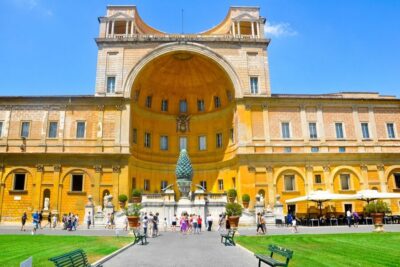
The Vatican Museums are vast. You move through rooms filled with sculpture, paintings, papal collections, maps, tapestries, and architectural details before reaching the Sistine Chapel. The sheer scale can make a rushed visit feel like a march through crowded corridors, so reserve a time that allows you to stop and look.
The Sistine Chapel is the emotional center of the Vatican visit. Michelangelo’s ceiling and Last Judgment are the obvious draw, but the room also matters as a functioning religious space. Silence is expected, photography is not allowed, and clothing must cover shoulders and knees. One pass holder had to buy trousers after arriving in clothing that did not meet the dress code, so dress properly before leaving your hotel.
The OMNIA benefit is described as fast-track entry, but do not treat it as a guaranteed instant entrance. You still need the required reservation, and busy conditions can create waiting even for pass holders. The pass gives you a useful access route, not permission to ignore the Vatican’s booking system.
St. Peter’s Basilica and the Lateran Basilica
St. Peter’s Basilica is included through the OMNIA side of the package, but it has its own reservation requirement. That is easy to miss. A pass alone may not be enough for entry at your preferred time.
The basilica is free to enter in ordinary circumstances, but the OMNIA card can provide a faster access arrangement when available and properly reserved. The benefit is most useful when the general line is long. It is less valuable on a quiet day, and reports from pass holders show that priority treatment has not always been clear at the entrance.
Do not skip San Giovanni in Laterano, officially the Basilica of St John in the Lateran. It is the oldest and most important church in Rome in ecclesiastical terms, and it served as the Pope’s official seat before the Vatican became the center of papal life.
Inside, look for the Cosmatesque floor and decoration, the Baroque façade, the twelve large Apostle sculptures, and the fourteenth-century Gothic baldacchino. The nearby Holy Steps, known as the Scala Sancta, add another layer of religious importance. OMNIA holders can claim a free audio guide worth €10 by showing the pass at the entrance.
The Lateran visit offers a quieter counterpoint to St. Peter’s. Allow about two hours if you want to see the basilica, cloister, and nearby sacred sites without rushing.
Using your two Roma Pass attractions
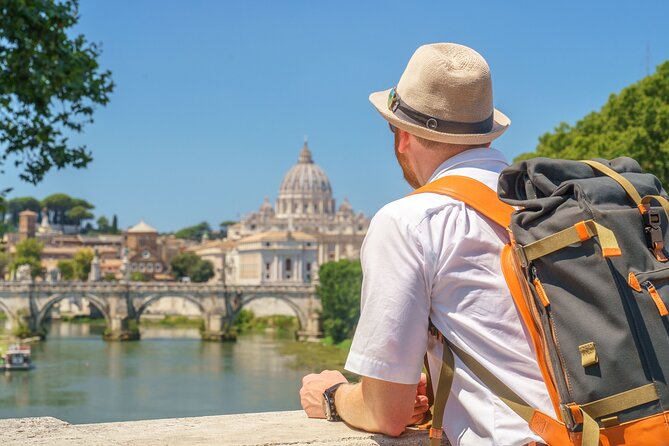
The Roma Pass is where careful planning makes or breaks the purchase. You get general admission to two eligible attractions, then discounted rates at additional locations. Pick expensive or difficult-to-book sights first.
Same city, an entirely different afternoon:
- Skip the Line: Vatican & Sistine Chapel Ticket with Audio Guide
★ 4.0 · 3,271 reviews - Rome: Vatican Museums and St. Peter’s Tour with Dome Climb
★ 4.7 · 1,924 reviews - Vatican: Museums Sistine Chapel & St. Peter’s Basilica Tour
★ 4.4 · 1,605 reviews - Rome: Vatican & Sistine Chapel Tour + Optional Colosseum
★ 4.3 · 1,301 reviews
Colosseum, Roman Forum, and Palatine Hill
Treat these as one archaeological visit for Roma Pass purposes, not three separate free admissions. The Colosseum, Roman Forum, and Palatine Hill form the classic ancient Rome circuit, and you need a reservation for the Colosseum entry.
The Colosseum reservation is especially important. Time slots can sell out, and the Roma Pass does not create space when the attraction is full. Arriving without a booking can leave you waiting for hours or paying for another ticket. Reserve as early as possible, following the instructions supplied with your voucher.
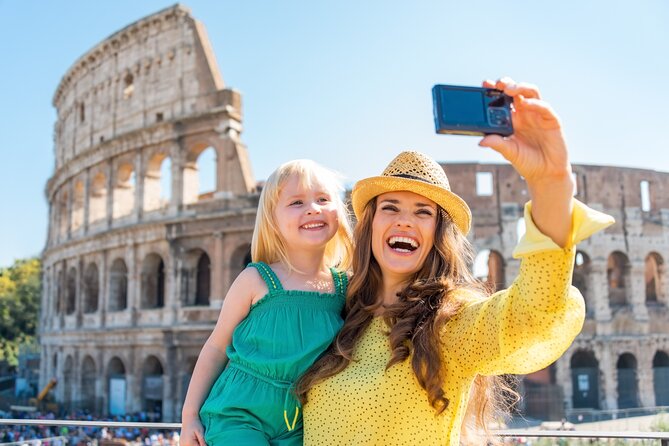
Give the complete area at least four hours if you want more than a quick look. The Colosseum is the famous face of ancient Rome, but the Forum and Palatine Hill provide the wider setting. You will see temples, basilicas, streets, arches, and fragments of the political center that once controlled an empire.
Capitoline Museums
The Capitoline Museums are a strong second choice if you want art and archaeology in a compact setting. The museums occupy three historic buildings around Michelangelo’s Piazza del Campidoglio.
Look for the Capitoline She-wolf, ancient Roman sculpture, the Hall of Tapestries, the courtyard, and the chapel. The setting itself is part of the pleasure, with Michelangelo’s planned piazza giving the visit a sense of order after the rough archaeological ground of the Forum.
Galleria Borghese
The Borghese Gallery can be one of the best uses of the Roma Pass, but only if you reserve well ahead. Pre-reservation is mandatory, and booking at least 10 days in advance is strongly advised.
The two-hour visit suits you if you prefer a focused collection rather than a giant museum. The key risk is availability. If your dates are full, the free admission benefit has no practical value, so check reservations before you commit this attraction as one of your two choices.
Castel Sant’Angelo
Castel Sant’Angelo began as an ancient mausoleum and later became a fortress on the Tiber. Inside, you can see the Hall of Urns, associated with the ashes of Emperor Hadrian, along with the building’s defensive and papal past.
It is another reservation-required attraction. The Roma Pass can cover it as one of your two general admissions, though some pass holders have encountered extra charges or unclear instructions. Confirm exactly what the pass includes before you arrive.
Museum of Rome
The Museum of Rome is housed in Palazzo Braschi, a Baroque building near the center of Renaissance Rome. Its collection covers the city from the Middle Ages through the twentieth century, with paintings, furniture, ceramics, mosaics, costumes, fabrics, and carriages.
This is a good choice when you want to understand Rome as a living city, not only as an ancient one. It is less famous than the Colosseum or Borghese Gallery, but it can fill a hot afternoon when outdoor ruins become tiring.
Smaller museums and farther-flung sights
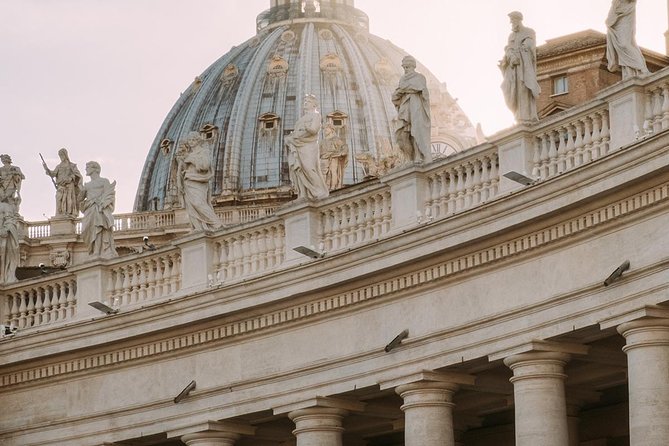
The pass also offers discounts at a wide range of museums and sites. These can be useful if your interests are specific, but do not assume that visiting more places automatically improves the value.
The Museum of Roman Civilization focuses on Rome’s ancient world. The National Etruscan Museum at Villa Giulia is a better choice for anyone interested in the people and culture that came before Rome’s imperial power.
Palazzo Venezia, the Napoleon Museum, the National Gallery of Modern and Contemporary Art, and the Pietro Canonica Museum offer very different subjects. Centrale Montemartini places ancient Roman sculpture in a former power station, while the Museum of the Roman Republic and Garibaldi Memory explores the city’s nineteenth-century political struggles.
Ostia Antica is an important option outside central Rome. It gives you an ancient port city experience and may appeal to you if you have already seen the Forum and want more ruins without the same central crowds. The Appian Way, or Via Appia Antica, adds another outdoor historical stop, though it deserves time and transport planning.
These places are not all sensible additions to a three-day schedule. Use them as alternatives, not as a checklist. A pass can tempt you into spending your holiday chasing discounts.
The hop-on hop-off bus
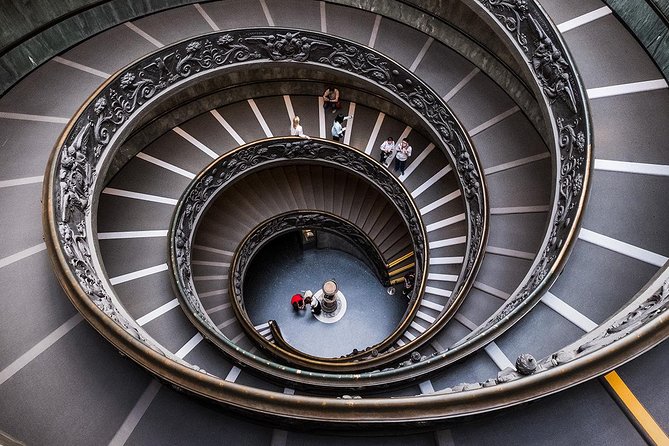
The three-day open bus ticket is helpful for first-day orientation and for anyone who finds Rome’s hills, heat, or long walks tiring. It offers a broad view of the city and stops near major sights such as the Colosseum and St. Peter’s Basilica.
I would use it once as a complete circuit before relying on it for timed appointments. Bus frequency has been inconsistent, with some waits reported at around 45 minutes rather than the advertised 20. Routes do not reach every sight, and some stops are difficult to identify from the street.
This matters because Vatican, Borghese, Colosseum, and Castel Sant’Angelo visits depend on fixed reservations. A late bus can make a pleasant sightseeing loop into an expensive missed appointment. For scheduled entries, use the metro, an ordinary city bus, or a taxi if the timing is tight. The Roma travel card covers Rome’s buses and metro trains, but not every form of rail transport.
The onboard commentary can help you get oriented, though there may be long quiet stretches between stops. I see the bus as a moving introduction to Rome, not a reliable replacement for the city’s public transport system.
Transport, maps, and the collection process
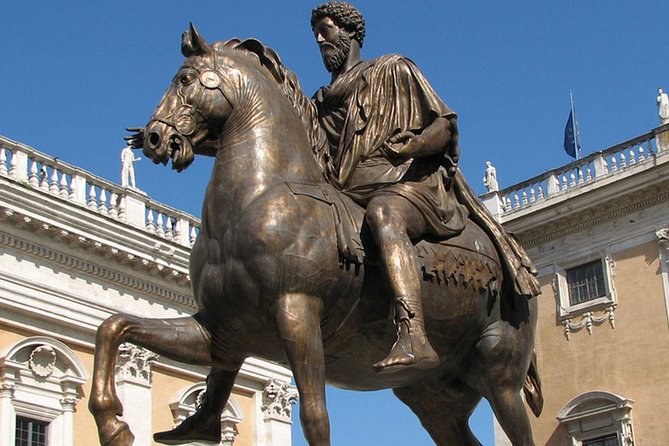
The included travel card provides unlimited public transport in Rome for the 72-hour validity period. This is useful because Rome’s historic center is walkable in sections, but major sights are spread out. You might walk between the Pantheon, Piazza Navona, and Trevi Fountain, then use the metro to reach the Vatican or Colosseum area.
The guidebook and map are practical additions. Still, download or print the collection details before you arrive. Redemption offices have changed, and a listed location may no longer be operating. The main collection point near the Vatican can be hard to find, especially if you are trying to begin sightseeing immediately.
Bring your booking confirmation and all QR codes. The pass process involves first redeeming the voucher, then receiving the actual cards or usable codes. Confusion at this stage has caused missed visits, so do not leave collection until the moment you need to enter a museum.
The published opening hours for the redemption service are 9 a.m. to 6 p.m., Monday through Sunday, during the stated operating period. Check the current instructions on your voucher before setting your first appointment.
Is $179.24 good value for three days?
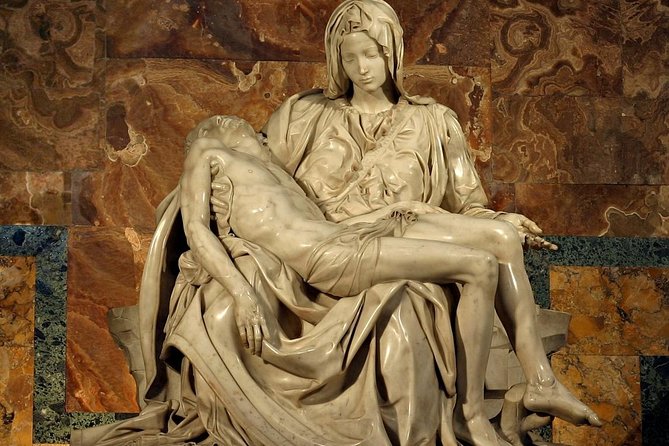
At $179.24 per person, this is an expensive pass. It can pay off if you use both free Roma Pass admissions, make full use of the Vatican access, ride public transport, and take advantage of the bus.
It is poor value if you mainly walk, visit free churches, choose low-cost museums, or fail to secure the required reservations. St. Peter’s Basilica can be free to enter, and public transport in Rome is not expensive enough by itself to justify the full price.
Do the arithmetic before buying. Add the normal prices of the Vatican Museums, your two chosen Roma Pass attractions, the sightseeing bus, and the transport you expect to use. Then compare that figure with $179.24. Include the value of your time, especially if Vatican fast-track access is important to you, but do not count a discount as a saving unless you actually use it.
Children need special attention. Child passes for ages 6 to 17 do not include the Roma Pass or travel card. Children under 18 may enter many Rome museums free, and transport is free for children under 10. A family can easily overpay by buying the same package for every child.
Who should buy it?
I would consider this pass if you have three full days, want the Vatican, Colosseum, and one major museum, and enjoy planning every time slot in advance. It also suits you if unlimited public transport and a broad city bus circuit make Rome easier to manage.
I would skip it if you prefer a loose schedule, expect guaranteed line-free entry, or plan to see only the Vatican and Colosseum. Buying those tickets separately and using ordinary public transport may cost less.
The pass is not a guided experience, and no guide names are provided. You are responsible for reservations, route planning, and understanding which attractions are free, discounted, or fully included.
Final verdict: useful, but only for organized sightseers
The OMNIA Vatican Card and Roma Pass can be a powerful three-day tool. Its best features are Vatican access, two carefully chosen Rome admissions, and the transport card. The Lateran Basilica audio guide and hop-on hop-off circuit add useful extras.
But the package demands homework. Reserve the Vatican, Colosseum, Borghese Gallery, St. Peter’s Basilica, Castel Sant’Angelo, and Carcer Tullianum early. Confirm the collection office, save your QR codes, and do not trust the sightseeing bus for appointments.
Book it when your plan is packed and the numbers work. Buy separately when your visit is relaxed, your children qualify for free admissions, or you mainly want a simple Vatican ticket and a metro pass.
FAQ
How long are the OMNIA Vatican Card and Roma Pass valid?
Both cards are valid for 72 hours from the time of first use.
Which attractions require reservations?
Reservations are required for the Sistine Chapel and Vatican Museums, Colosseum, St. Peter’s Basilica, Carcer Tullianum, Borghese Gallery, and Castel Sant’Angelo.
How many Rome attractions are included for free?
The Roma Pass provides general admission to two eligible Rome attractions. Additional participating sights generally offer discounted entry.
Is public transport included?
Yes. The package includes unlimited travel on Rome’s public buses and metro trains during the valid period.
Do child passes include the Roma Pass and travel card?
No. Child passes for ages 6 to 17 do not include the Roma Pass or travel card. Many Rome museums are free for people under 18, and public transport is free for children under 10.
Is the hop-on hop-off bus included?
Yes. A three-day hop-on hop-off sightseeing bus ticket is included. Bus frequency and stop locations may vary, so allow extra time before any timed attraction reservation.
Fresh on the Vatican City list
- Rome: St. Peter’s Basilica & Dome Entry Ticket with Audio Guide★ 4.0 · 511 reviews
- Vatican: Sistine Chapel and Vatican Museums Guided Tour★ 4.3 · 536 reviews
- Skip the Line: Ticket to the Vatican Museum & Sistine Chapel★ 3.5 · 547 reviews
- Rome: Skip-the-Line Vatican Museums and Sistine Chapel Tour★ 4.3 · 719 reviews
- Rome: Guided Tour of St. Peter’s Basilica, Grottoes & Square★ 4.4 · 732 reviews
- Vatican Museums & Sistine Chapel Guided Tour★ 4.5 · 763 reviews
- Rome: Vatican & St Peter’s Basilica: unlock the wonders★ 4.9 · 790 reviews
- Vatican, Sistine Chapel & St. Peter’s Skip-the-Line Tour★ 4.1 · 1,070 reviews
Vatican City Tours, compared.
Vatican: Museums & Sistine Chapel Entrance Ticket
Read our review →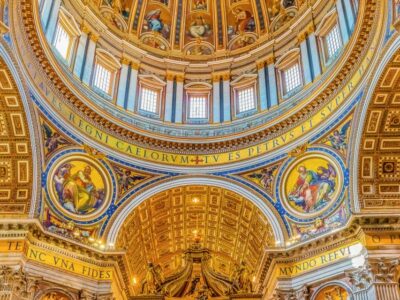
Vatican Museums & Sistine Chapel Skip-The-Line Ticket
Read our review →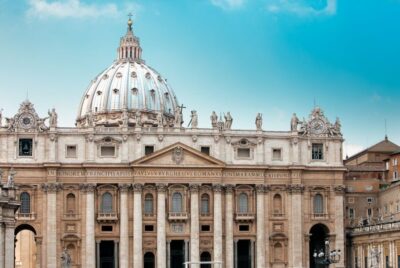
Vatican Museums, Sistine Chapel & St Peter’s Basilica Tour
Read our review →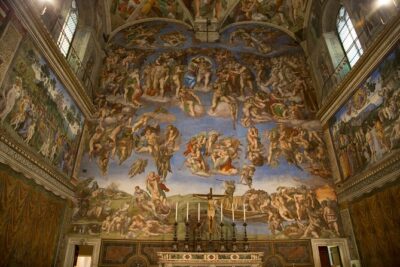
Skip the Line: Vatican & Sistine Chapel Ticket with Audio Guide
Read our review →
Vatican Museums and St. Peter’s Tour with Dome Climb
Read our review →Vatican: Museums Sistine Chapel & St. Peter’s Basilica Tour
Read our review →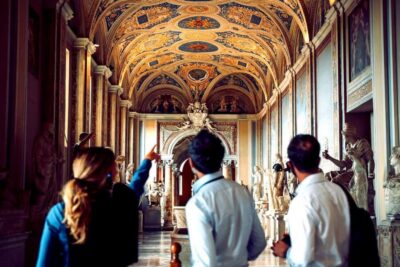
Vatican & Sistine Chapel Tour + Optional Colosseum
Read our review →
Skip-the-Line Ticket with Host – Vatican Museums & Sistine Chapel
Read our review →Browse the lists this tour appears in