
Reviewed · MOUNT ETNA TOURS
Etna Volcano: South Side Guided Summit Hike
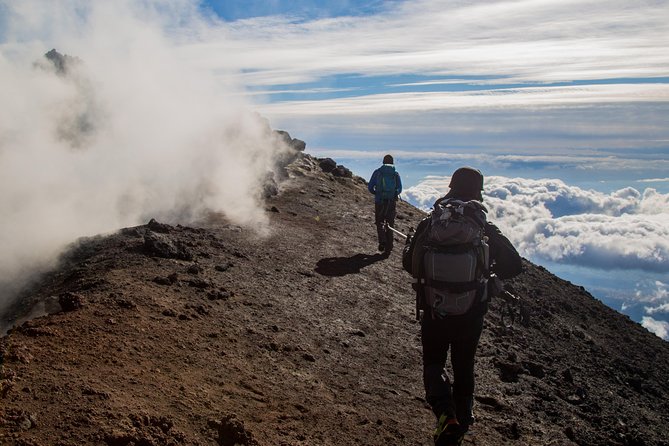
Mount Etna gives you a rare chance to walk around the summit craters of an active volcano, not just admire it from a distant viewpoint. After a cable-car ride to 2,500 meters, you hike through black lava, volcanic sand, gas-stained rock, and scenery that feels almost lunar.
I like the combination of raw geology and strong guiding. Antonio, Giovanni, Marco, Massimo, and Nello are among the guides praised for pacing groups carefully and explaining Etna’s eruptions, craters, rocks, and gases in clear terms. I also like that boots, helmets, and walking sticks are available. The main catch is the medium-high difficulty: altitude, loose sand, wind, and steep sections can make this much harder than a normal sightseeing walk.
Key points before you book
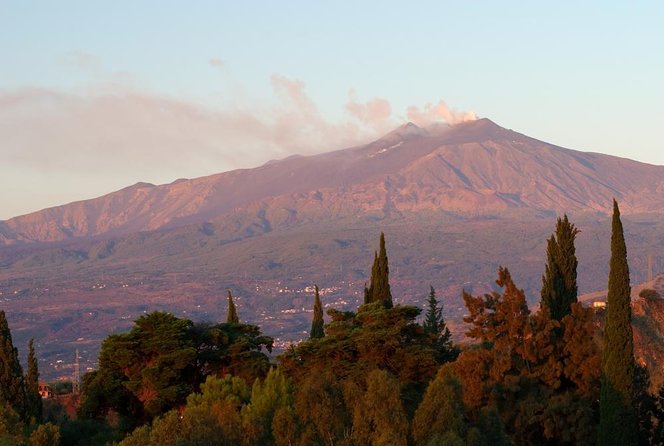
- Summit access depends on Etna: The guide may change the route or stop below the summit when volcanic activity, weather, or safety rules demand it.
- The cable car costs extra: Budget €52 per person, paid locally in cash, in addition to the tour price of $67.97.
- The hike is physically serious: Expect sandy, uneven ground, altitude, cold wind, and roughly two hours of ascent before reaching the summit area.
- The guides add real value: You get practical safety control and a much better explanation of Etna’s geology than you would on an unguided walk.
- Pack for changing conditions: Bring layers, a jacket, sun protection, food, water, and a spare shirt.
- The route includes more than the summit: Barbagallo craters, Valle del Bove, lava channels, and older eruption features help fill out the day if the summit is closed.
Starting at Rifugio Sapienza on Etna’s south side
Your day begins at the Ashàra information point at Piazzale Rifugio Sapienza, close to the Terrazza dell’Etna restaurant. This is Etna South, the practical starting point for the cable car and the main access route to the upper mountain.
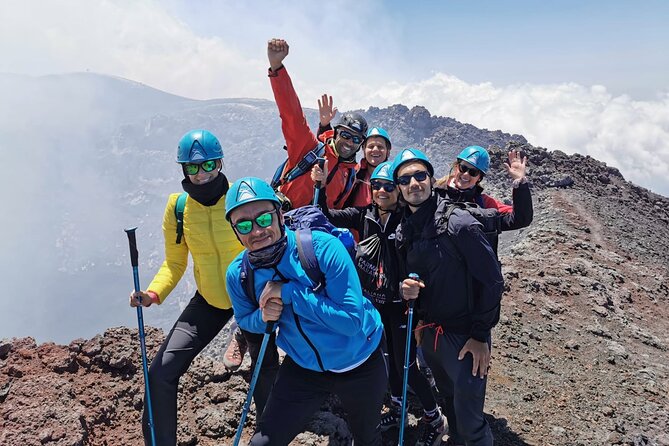
Allow a little patience at the beginning. You may need to be fitted with hiking boots, a helmet, and walking sticks, especially if you did not bring suitable equipment. One large group reported a long wait while everyone received gear, followed by another delay while cable-car tickets were arranged. Smaller groups may move faster, but the start can be busy.
The meeting point is useful for last-minute supplies. A sandwich shop is available nearby, according to one participant, but the tour does not include food or water. I would buy or pack lunch before setting off, then carry it in a small daypack of 10 to 20 liters.
The advertised tour price is $67.97 per person, which is reasonable for a six-hour guided mountain outing with equipment and accident insurance. But it is not the full cost. The cable car is separate at €52 per person, payable on the spot in cash. Check the current amount when booking, since local charges can change. Add food, water, and any extra clothing rental if needed.
More Hiking Tours in Catania
- Mount Etna: Guided Volcano Summit Hiking Tour with Cable Car
★ 4.7 · 3,784 reviews - Mount Etna: Trek to 3000m with cable car and jeep
★ 4.7 · 1,978 reviews - Mount Etna: Summit Crater Trek with Cable Car
★ 4.8 · 1,875 reviews
Riding the cable car to 2,500 meters
The cable car takes about 25 minutes and quickly changes the character of the day. At Rifugio Sapienza, you are still in a developed mountain area. Higher up, buildings and ordinary roads give way to wide black slopes, old lava flows, and open volcanic terrain.
This ride is not just transport. It saves your legs for the section where the air is thinner and the ground is less forgiving. It also gives you a quick sense of Etna’s scale. The mountain is not a single neat cone from this side. It is a broad, changing mass shaped by repeated eruptions and flowing lava.
The upper station can be cold even when Sicily is hot below. Strong wind is a recurring issue, and one late-May group encountered snow and chilling headwinds. Bring a jacket, long trousers, socks, sunglasses, and a hat. A short-sleeved shirt can be useful under your layers, but sleeveless shirts and shorts are not permitted.
Cable-car logistics can feel slightly chaotic when many groups arrive at once. Keep your ticket safe, especially for the return journey. One guide offered to lead someone downhill on foot after a return ticket was lost, but that is a kindness, not a service you should count on.
The first climb across black volcanic sand
After leaving the cable car, you begin the walking portion. The route includes a roughly two-hour climb toward the summit craters, with stops for views and explanations along the way.
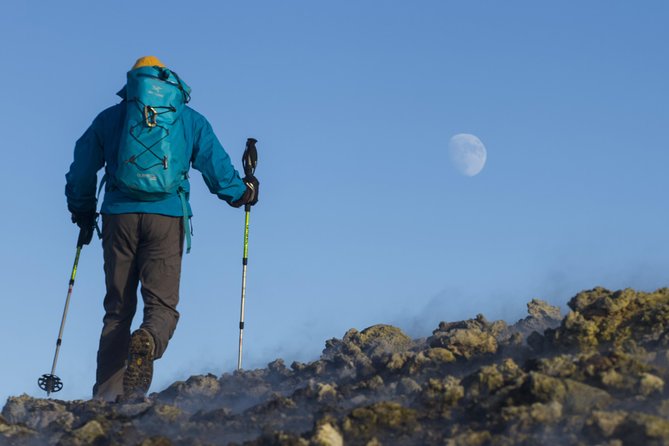
The surface is the first real test. Volcanic sand shifts under your boots, while rough lava blocks and uneven ground demand steady footing. Walking sticks help with balance and reduce strain on the descent. The supplied boots can be especially useful if you arrive in ordinary trainers, though comfortable personal hiking shoes may also work if they are sturdy and have good grip.
The first viewpoint comes after roughly 40 minutes of hiking. This is a good point to settle into the pace and judge how your body feels at altitude. You may notice that a slope that looks modest from below takes more effort than expected. The guides generally pace the group and pause when needed, but you should speak up early if you need a break.
This is where the guide earns the fee. A good guide does not merely lead you uphill. Giovanni, Antonio, Massimo, Marco, and Nello were singled out for answering questions, helping people with different fitness levels, and keeping groups together. Several guides have strong geology or volcanology backgrounds, and their explanations make the rocks and crater shapes easier to understand.
Reaching the Central Crater rim
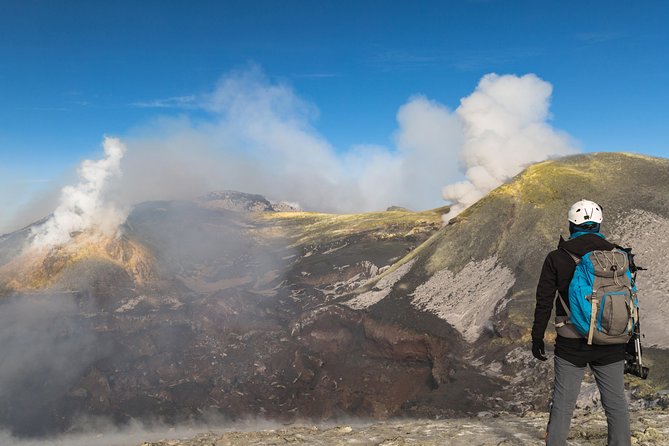
The main scenic goal is the Cratere Centrale dell’Etna, or Central Crater. If conditions allow, you walk along its rim and look across toward the Northeast Crater and the Southeast Crater.
The Southeast Crater is especially important to the story of modern Etna. It has produced some of the volcano’s most dramatic recent eruptions, so standing near it gives the scenery a sense of movement and risk. You may see smoke plumes, gas emissions, or fresh-looking volcanic material, but you should not expect to see flowing lava. Eruptions and access restrictions change constantly.
At the summit area, the ground can show surprising colors. Sulfur and other elements released by volcanic gases may leave yellow, orange, gray, or sparkling deposits. Volcanic bombs, broken lava, and steaming patches help you picture what happens below the surface.
The views can be enormous on a clear day, with Sicily spread below and the sea visible from high points. Cloud and wind can erase those views quickly. That uncertainty is part of visiting Etna, but it is also why warm clothing matters. You may begin the day in summer conditions and finish the upper section feeling as if you have entered another season.
The central crater is not guaranteed. Etna is active, and restrictions can appear with little notice. If the summit craters are closed, the guide takes you as high as authorities allow and replaces the summit section with other volcanic features. Several groups reached about 3,000 meters rather than the highest permitted point and still had a strong day because of the views, crater formations, and explanations.
A few other Mount Etna mornings to weigh against this
- Catania: Mount Etna Morning or Sunset Day Trip with Tasting
★ 4.8 · 4,028 reviews - Catania: Sunset Jeep Tour of Mount Etna and Lava Flow Caves
★ 4.8 · 2,113 reviews - Sicily: Etna and Alcantara Gorges Full-Day Tour with Lunch
★ 4.8 · 1,766 reviews - From Milazzo: Panarea and Stromboli Boat Trip by Night
★ 4.2 · 1,605 reviews
Summit access and safety decisions
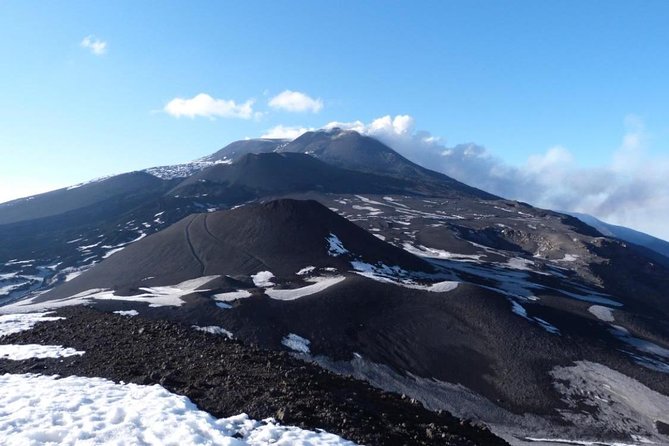
This tour should not be sold as a guaranteed walk to Etna’s highest point. It is better understood as a guided attempt to reach the summit craters, subject to the volcano.
That distinction matters. On some days, recent eruptions or seismic activity prevent access to the Central Crater. Guides may stop below the summit, change the route, or lead you to safer craters and viewpoints. The group may still see smoke, fresh eruption traces, and dramatic upper-mountain scenery.
I consider this a major strength rather than a weakness, provided you arrive with the right expectations. The guides take safety seriously and have stopped groups from entering areas affected by volcanic risk. They may also end the outing for weather, environmental conditions, or concern about a person’s physical wellbeing.
You should accept that decision without argument. An active volcano does not follow a booking schedule, and getting close to the crater is never worth ignoring official restrictions. The route can change even after you arrive at the upper station.
Barbagallo craters, Valle del Bove, and the lava channel
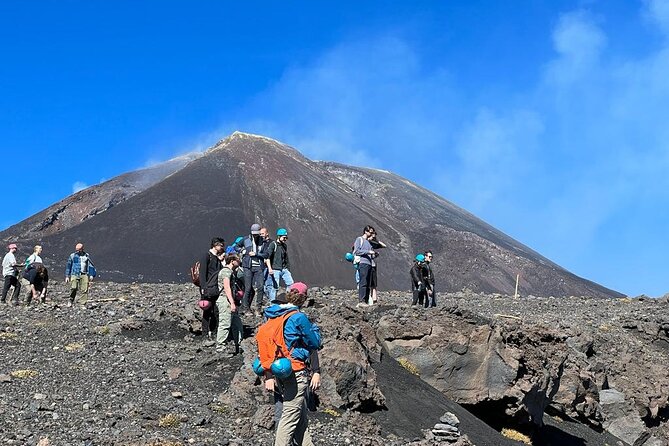
The descent includes the Barbagallo craters, formed during one of Etna’s notable eruptive periods. These smaller cones provide a different view of volcanic activity than the main summit crater. You can see how eruptions build new vents and reshape the mountain over time.
The route also reaches Valle del Bove, a vast volcanic depression with steep walls and wide views across old lava formations. This section gives you a sense of Etna’s size in a way the summit rim cannot. The upper craters are dramatic and immediate. Valle del Bove is broader, quieter, and easier to read as a giant record of past eruptions.
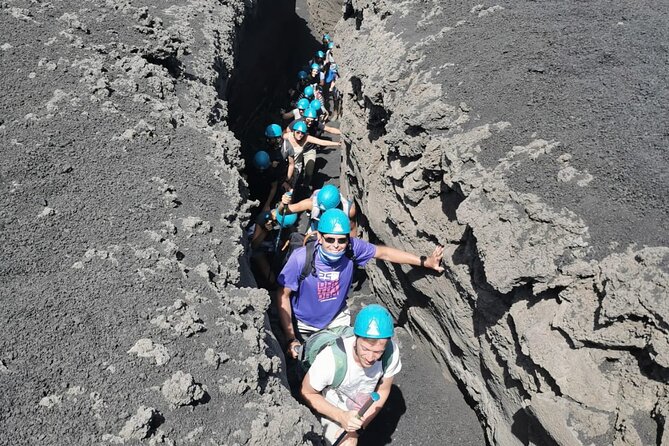
Crossing a lava-flow channel adds a hands-on moment. You are not entering a dangerous active tunnel as part of the standard route, but you do pass through a feature created by moving lava. One guide later took a group by car to a lava tunnel site after the formal trek, though that was an extra personal gesture and not part of the advertised tour.
The downhill walk can be tiring. Loose volcanic sand may make some sections easier because you can step into it, but it also makes footing unstable. Trekking poles are worth using, particularly if your knees are sensitive or you are not accustomed to uneven slopes.
Returning by cable car
After the lower portion of the upper-mountain route, you return to around 2,500 meters and board the cable car for the ride back to Rifugio Sapienza. The return ride takes about 25 minutes.
The full outing lasts around six hours, including walking, stops, explanations, and transport. Starting times vary, so check availability before booking. The schedule may also shift with mountain conditions.
The activity ends where it begins, at the Ashàra information point. That makes it simple if you are driving or arranging a separate transfer to Etna South. There is no food included, so plan to eat at the meeting area after the hike or carry enough for the day.
How difficult is the six-hour hike?
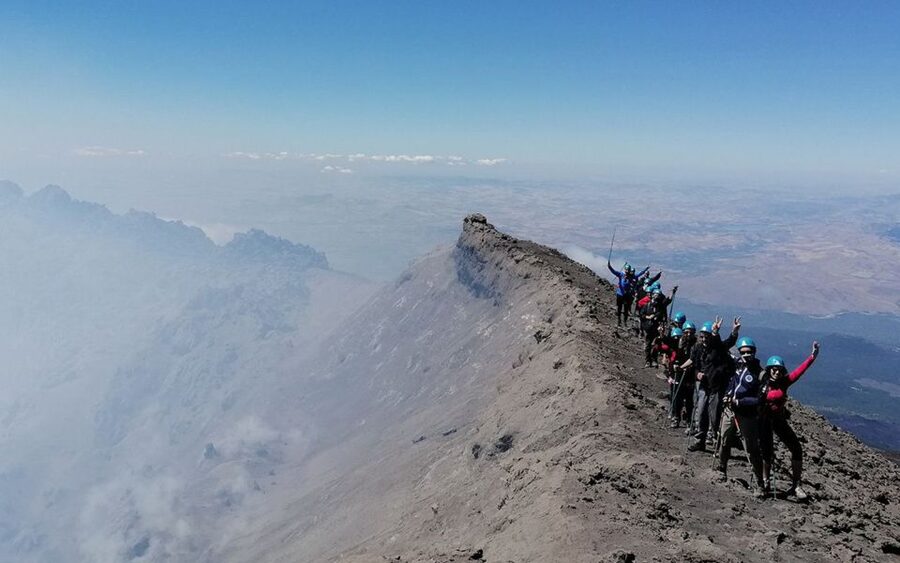
The operator rates this as medium-high difficulty, aimed at moderately trained hikers. That description is accurate. You do not need to be an elite climber, but you should be comfortable walking for several hours on sand and rough ground while gaining altitude.
The hardest parts are usually not technical climbing. They are the thin air, loose volcanic soil, steep stretches, wind, cold, and the repeated effort of walking uphill. A person who comfortably walks on city streets may still find Etna demanding.
This excursion is not suitable for children under nine, pregnant women, people with back or heart problems, people with respiratory issues or high blood pressure, wheelchair users, or people with vertigo. The tour is also not suitable for anyone who expects a gentle cable-car sightseeing trip.
You can make the day easier by arriving rested, eating beforehand, drinking regularly, and using the walking sticks. Bring a spare T-shirt because exertion can make you sweat during the climb even when the summit air is cold.
What to pack for Etna’s changing weather
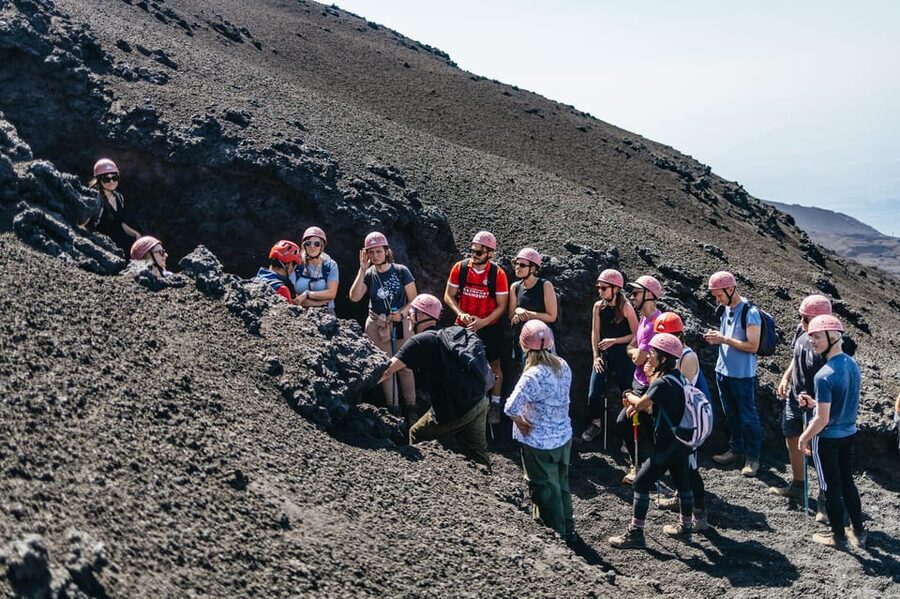
Use a small backpack rather than luggage or a large bag. Pack:
- Water and extra drinks
- A packed lunch and snacks
- Sunglasses and sunscreen
- A sun hat
- A warm jacket
- A spare T-shirt
- Long trousers and warm socks
- Sturdy shoes if you prefer your own boots
A face covering can also be useful against wind and blowing volcanic sand. This is practical advice from the conditions on the mountain, not a fashion choice.
Do not bring pets, a stroller, shorts, sleeveless tops, or large luggage. The guide supplies hiking boots, helmets, and walking sticks, but equipment availability is not a reason to arrive unprepared. Ask at check-in if you need a particular item.
How the guides shape the day
The strongest part of this outing is the guiding. The route can be confusing, the volcanic features can look similar, and safety rules may change. A certified mountain or volcano guide helps you move through the area with purpose rather than wandering from one black slope to another.
The best guides also know when to slow down. Marco was especially praised for helping a participant who was struggling, while Giovanni was noted for balancing explanations with close attention to group safety. Antonio was repeatedly praised for his volcano knowledge and for showing routes that an independent hiker might miss.
The guide language options are English, Italian, and French. Ask questions as you walk. Etna becomes far more interesting when you understand why the soil changes color, how lava channels form, and why one crater is open while another is restricted.
Group size can vary. Some outings feel intimate, while one group of about 25 people experienced a long equipment and ticketing process. A larger group can mean more waiting and less direct conversation, though the guides work to keep different walking speeds together.
Cancellation, payment, and practical value
You can cancel up to 24 hours before the start for a full refund, and the reserve-now, pay-later option helps if your Sicily plans are still shifting. The excursion may be canceled if fewer than four people sign up.
The price is good if you need equipment, insurance, transport on the mountain, and expert route control. It is less of a bargain once you add the €52 cable-car ticket, food, and possible clothing costs. Still, the guide is the part that makes this worthwhile. An unguided visit may cost less, but it cannot provide the same safety judgment or explanation around an active summit area.
Should you book the Etna summit hike?
Book it if you want a serious volcanic walk, enjoy learning while you hike, and can handle several hours on steep, loose ground. It is particularly good for people who want more than a cable-car viewpoint and who understand that the summit may be closed.
Do not book it if reaching the exact summit is your only goal. Volcanic activity can change the route, sometimes on the day itself. You should also choose another Etna outing if altitude, cold, vertigo, breathing trouble, or uneven terrain is likely to cause problems.
For the right person, this is one of Sicily’s most memorable outdoor days. You get the cable-car ride, crater rims, lava channels, Barbagallo craters, Valle del Bove, and a guide who can make sense of an active volcano. Pack warmly, bring food and water, budget for the separate cable car, and let safety decide how high you go.
FAQ
Where does the Etna hike begin?
Meet at the Ashàra information point at Rifugio Sapienza on Etna’s south side, near the Terrazza dell’Etna restaurant.
How long does the activity last?
The full activity lasts about six hours, including the cable-car rides, hiking, breaks, and guided stops.
How high does the cable car go?
The cable car takes you to approximately 2,500 meters above sea level.
Is the cable car included in the tour price?
No. Cable-car tickets cost €52 per person and are paid locally in cash.
Can I reach the summit craters every time?
No. The summit route depends on volcanic activity, weather, environmental conditions, and safety restrictions. The guide may take you to the highest permitted point instead.
What languages are available?
Guides operate in English, Italian, and French.
Are hiking boots and safety equipment provided?
Yes. The tour includes hiking boots, a rock helmet, and walking sticks. Accident insurance is also included.
What should I bring?
Bring water, food, snacks, sunscreen, sunglasses, a sun hat, a jacket, a spare T-shirt, long trousers, socks, and a 10 to 20-liter daypack.
Who should not take this excursion?
The hike is not suitable for children under nine, pregnant women, wheelchair users, people with vertigo, or people with back, heart, respiratory, or high blood pressure problems.
More Hikes in Mount Etna
- Stromboli: Sunset Trekking at Sciara del Fuoco
★ 4.6 · 1,372 reviews - Catania: Mount Etna Trekking Trip off the Tourist Path
★ 4.9 · 1,351 reviews - From Taormina: Etna Tour with Hiking, Cave Visit, & Tastings
★ 4.7 · 518 reviews - Etna excursion 3000 meters with 4×4 cable car and Trekking
★ 4.5 · 504 reviews
Fresh on the Mount Etna list
- Catania: Etna Nature Tour with Hiking, Cave Visit, & Tasting★ 4.7 · 502 reviews
- Etna excursion 3000 meters with 4×4 cable car and Trekking★ 4.5 · 504 reviews
- From Taormina: Etna Upper Craters Day Tour★ 4.1 · 505 reviews
- From Taormina: Half-Day Mount Etna Morning Trek★ 4.9 · 504 reviews
- From Taormina: Etna Tour with Hiking, Cave Visit, & Tastings★ 4.7 · 518 reviews
- Mt. Etna nature and flavors half day Tour from Catania★ 5.0 · 545 reviews
- Etna excursion to 3000 mt. with cable-car and jeep 4×4★ 4.6 · 550 reviews
- Etna Tour in 4×4★ 5.0 · 583 reviews
Mount Etna Tours, compared.
Mount Etna Morning or Sunset Day Trip with Tasting
Read our review →
Mount Etna: Guided Volcano Summit Hiking Tour with Cable Car
Read our review →
Sunset Jeep Tour of Mount Etna and Lava Flow Caves
Read our review →
Mount Etna: Trek to 3000m with cable car and jeep
Read our review →
Mount Etna: Summit Crater Trek with Cable Car
Read our review →
Etna and Alcantara Gorges Full-Day Tour with Lunch
Read our review →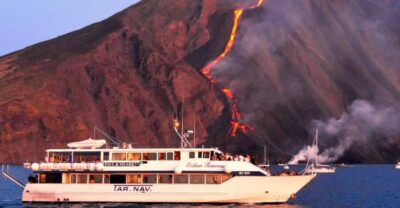
From Milazzo: Panarea and Stromboli Boat Trip by Night
Read our review →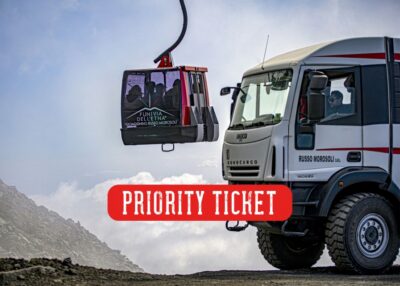
Mount Etna: Roundtrip Cable Car and 4×4 Bus Ticket
Read our review →Browse the lists this tour appears in