
Reviewed · MILAN TOURS
Milan Private Tour: Highlights & Hidden Gems with a Local
Milan is easiest to appreciate when someone helps you read between the grand façades. This private walk begins with your interests, not a fixed script, so your host may focus on the Duomo, design, food, churches, Roman remains, shopping streets, or quieter corners of the city. The best guides, including Bibi, Massimo, Silvia, and Simona, have turned a short walk into a useful first look at Milan.
I like the one-to-one format, which lets you linger over what catches your eye and skip what does not. I also like the practical advice: guides have pointed people toward restaurants, bars, coffee stops, tram routes, later sightseeing, and even a parking garage near Lake Como.
The main caution is that this is not a ticketed monument tour. You will see the Last Supper church from outside, and attraction tickets, food, drinks, and transport cost extra. The experience can also vary sharply by guide, so clear communication before the walk matters.
Key points to know before booking
- Your host contacts you first: A short questionnaire helps shape the route around your interests.
- The Duomo is a highlight, not an included admission: Rooftop and interior tickets must be arranged separately.
- The Last Supper requires advance planning: You can see Santa Maria delle Grazie from outside, but entry is not included.
- Two hours can work well: Six hours may feel long on foot, with four hours often a more comfortable middle ground.
- You get a private experience: Only your group takes part, with no fixed public group to slow you down.
- The value is in the local guidance: The strongest hosts add context, neighborhood knowledge, and useful plans for the rest of your stay.
A personal route through Milan, not a standard checklist
The appeal here is simple: you hire a local person for your own group, then help shape the day. Before meeting, your host sends a short questionnaire. You can indicate an interest in art, architecture, food, shopping, local life, famous sights, or less obvious places.
That advance exchange is important. If you have only one day in Milan, you may want the Duomo, Galleria Vittorio Emanuele II, La Scala, Sforza Castle, and Santa Maria delle Grazie. If you have already seen the main sights, ask for smaller churches, local shops, Roman remains, cafés, or neighborhoods away from the usual circuit.
This flexibility has real value in a large city. A guide can change the pace, spend more time on a subject you enjoy, and leave out a stop you have already visited. One host even adjusted plans around Olympic closures and crowds, which shows why a private format can be more useful than a rigid timetable.
Still, customization works best when you take part in it. If you give no preferences, your host may create the plan alone. That can be fine, and some guides have done an excellent job of mixing famous sights with quieter corners. But if you specifically want the Duomo interior, modern art, food, or Roman Milan, say so before the meeting.
A few other Milan mornings to weigh against this
- From Milan: Lake Como & Bellagio DayTour with Private Cruise
★ 4.3 · 2,830 reviews - From Milan: Lake Como, Bellagio & Varenna with Private Boat
★ 4.4 · 1,187 reviews - Lake Como and Bellagio with Private Boat Cruise Included
★ 4.5 · 944 reviews
Piazza Mercanti and the medieval center
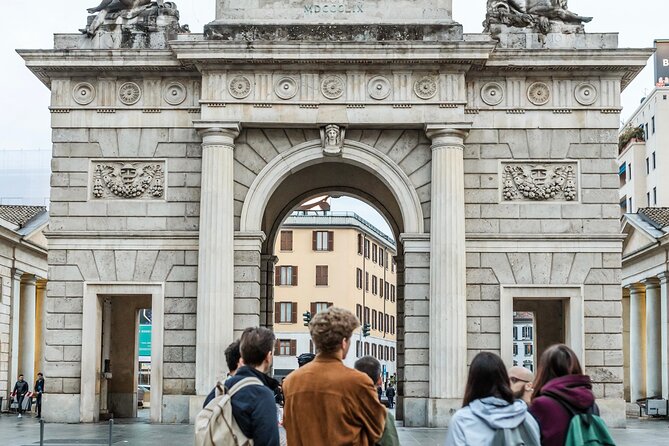
The usual central meeting point is Piazza Mercanti, a compact square close to the Duomo. It is a sensible place to begin because you are already in the historic core, within easy reach of several major sights.
Your host can use the square to introduce Milan’s civic past and point out the details you might otherwise walk past. The surrounding center is full of layers: grand modern shopping streets, old churches, fragments of earlier Milan, and buildings that make more sense once someone explains their purpose.
This is also where the tour’s quality becomes clear. A strong host turns a short walk into a story about how Milan developed. Bibi, for example, has been praised for explaining buildings and details that another guide might pass without comment. Other hosts have included small churches, Roman remains, independent shops, and local streets that are easy to miss when you follow only a map.
There is one practical warning. The experience description promises highlights and lesser-known places, but the exact route is not fixed. One unhappy customer felt the walk covered too little of the city and missed the Duomo. To avoid that outcome, confirm your must-see stops before you arrive, especially if you have only two hours.
The Duomo and its rooftop views
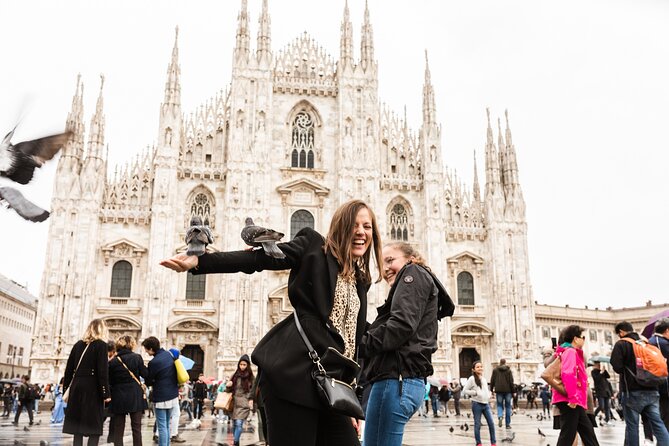
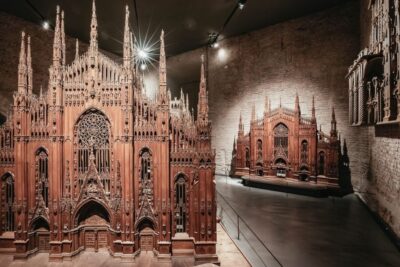
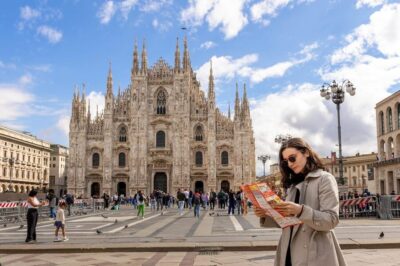
The Duomo di Milano is the natural star of a first visit. Its pale stone exterior, forest of spires, statues, and huge scale make it one of Europe’s most memorable city centers. Your host can explain how the cathedral took centuries to build and point out small architectural details that disappear when you simply take photographs.
The rooftop is the special option. From above, you can look across Milan’s rooftops and see the cathedral’s carved pinnacles close up. It changes your sense of the building from a façade into a walkable work of art, while also giving you a broad city view.
But the rooftop and cathedral admission are not included. Neither are other attraction tickets. If you want to enter, budget extra time and money, and ask your host how to fit the visit into the route. One successful tour included help buying Duomo tickets, but you should not treat that as guaranteed admission through the experience itself.
The Duomo area is also a useful starting point for orientation. Your guide can show you how the cathedral connects to the Galleria, La Scala, central shopping streets, and nearby transit. That information may save you time later, especially during a short stay.
Galleria Vittorio Emanuele II and Milanese style
Just beside the cathedral, the Galleria Vittorio Emanuele II gives you a quick lesson in Milan’s polished public face. This elegant arcade is covered by a huge glass-and-iron roof and decorated with mosaics, arches, and ornate details. Luxury shops and cafés line the passage, but you do not need to buy anything to enjoy it.
Your host will likely point out the bull mosaic on the floor. The local custom is to place a heel on the bull and spin for good luck. It is a small, playful ritual, and one of those details that makes a tour feel more personal than a guidebook paragraph.
The Galleria also helps explain Milan’s connection to fashion, design, commerce, and ceremony. You can move from the cathedral’s religious grandeur into a refined shopping arcade in a few steps. That contrast is one of the city’s pleasures.
Do not expect a long shopping stop unless you request one. The walk is designed around your group, so you can ask for time to browse, pause for a coffee, or continue toward another part of central Milan.
Same city, an entirely different afternoon:
- Milan: Cathedral and Duomo’s Terraces Entrance Ticket
★ 4.6 · 61,054 reviews - Milan: Da Vinci’s Last Supper Guided Tour
★ 4.7 · 10,143 reviews - Milan: City Sightseeing Hop-On Hop-Off Bus with Audio Guide
★ 4.0 · 6,256 reviews - Milan Cathedral: Duomo Terraces Ticket (No Church Access)
★ 4.6 · 6,111 reviews
Santa Maria delle Grazie and the Last Supper problem
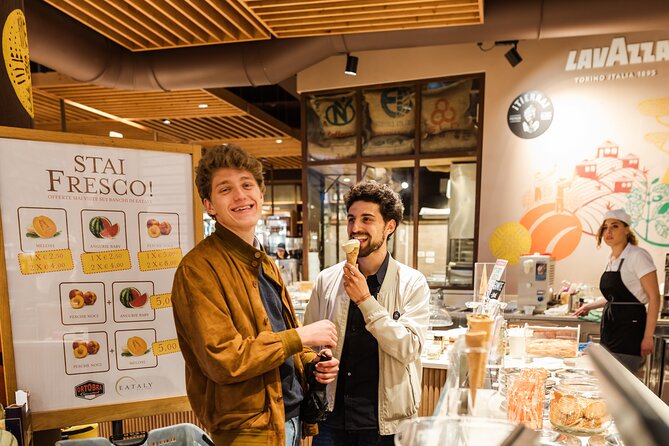
Santa Maria delle Grazie is famous because Leonardo da Vinci’s Last Supper is housed there. The church itself is a UNESCO-listed site, and its importance goes beyond the painting. Your host can explain the church’s place in Milan’s art and religious story while you view the exterior.
Admission to see Leonardo’s painting is not part of this tour. That is not a minor detail. Last Supper tickets are limited, and you need to arrange them before your visit if seeing the fresco is a priority. The tour can end near the church, and one group used the walk to finish at the Last Supper, but the painting visit still required a separate ticket.
This arrangement suits someone who wants a city orientation rather than a full museum program. It does not suit you if you expect a guide-led entry into every famous building. Tell your host in advance if you have already purchased a timed ticket, so the walking route can work around it.
Naviglio Grande, canals, and an evening side of Milan
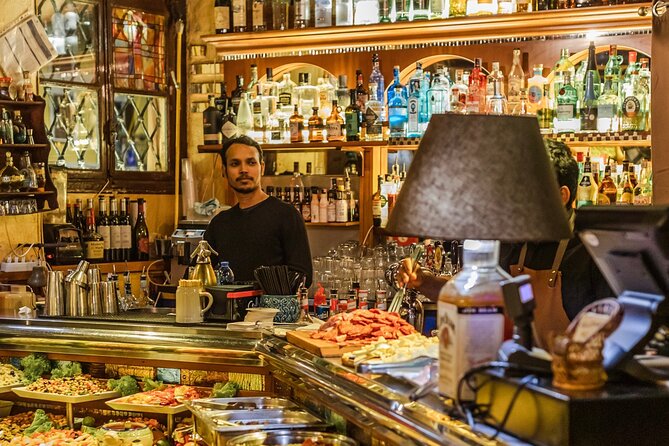
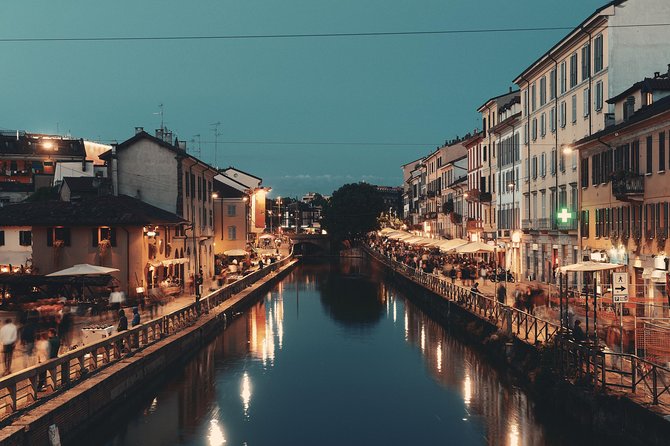
Naviglio Grande offers a different mood from the formal center. Along the canal, you may find colorful façades, cafés, small shops, wine bars, and artisan businesses. The waterfront gives you a chance to see Milan as a social city, not just a collection of monuments.
A local host can help you decide where to pause. You might find a small wine bar or workshop that does not appear on a standard sightseeing route. Food and drinks are not included, so any tasting or café stop is at your own expense, but the advice can be worth more than a generic restaurant list.
Naviglio works particularly well for people interested in everyday Milanese life, design, food, or an evening walk. It may be less practical during a short two-hour route if the rest of your wish list centers on the Duomo and central sights. Ask how much travel time the canal district will require before committing to it.
Public transport may be used if needed, but it costs extra and this is mainly a walking experience. One guide took a group on the subway to reach more of the city, while another walked guests to a tram stop after the tour. Those touches show the useful local help you can receive, but they are not a substitute for a transport pass or taxi plan.
What the best guides add
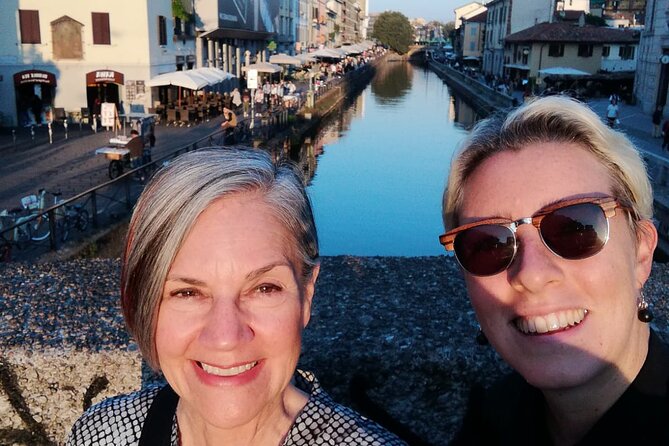
The guide is the biggest variable, and the supplied names give you a sense of the strengths that can make this experience work.
Massimo has been praised for clear English, a steady pace, and a strong grasp of Milanese history. He adjusted the route around personal interests, answered questions, and offered food suggestions. Several accounts describe him as organized, thoughtful, and easy to understand.
Bibi, also called Roberta, is a strong choice for an energetic introduction. She has led groups through several neighborhoods in a few hours and pointed out details that are easy to miss. Her route may suit you if you want to cover a lot of central Milan without feeling trapped in a standard sightseeing loop.
Silvia’s strength is personal care and planning. She has built short itineraries around specific interests, explained meeting directions clearly, adapted to closures, and helped with onward transport. Simona has been praised for combining major sights with less obvious places and for bringing stops to life through storytelling.
Other hosts, including Jaco, Connie, Daniela, Simone, Lisa, Reza, and Michela, have been described as friendly, flexible, and helpful. Michela helped a group with Duomo tickets, visited the castle, pointed out modern art, and finished near the Last Supper church. Lisa even included a subway ride to meet a group’s requests.
The less successful experiences are worth noting. Some people received too little historical explanation or spent too much of the walk in silence. That is why I would send a clear message before the tour: explain your interests, ask how the guide handles famous sights, and say how much storytelling you want.
How much time should you book?
The official range is two to six hours. That is a wide spread, and the right length depends on your plans and walking tolerance.
Choose two hours if you want a focused introduction. You could center the route on Piazza Mercanti, the Duomo, the Galleria, and perhaps another nearby sight. This is a good choice after a long flight or when you have a train departure, museum reservation, or cooking class later.
Three hours gives you more breathing room. You can cover central highlights and still stop for questions, photographs, or a coffee. Several successful tours fit a surprising amount into three hours without feeling rushed.
Four hours is likely the safest all-purpose choice. It gives your host time to connect the major sights, add a neighborhood or two, and offer advice for the rest of your stay. One long tour described four hours as a better balance than six.
Six hours can work if you want a broad city walk and are comfortable being on your feet. It may feel excessive if you expect to enter museums or churches, since separate admission queues and timed tickets will shape the day. If you choose the longest option, ask for a planned break and be realistic about how much ground you want to cover.
Price, private value, and extra costs
At $94.27 per person, the price is easiest to judge by group size and purpose. For a solo visitor or couple, it is a noticeable expense, but you are paying for a private guide, planning contact, and a route built around your interests. For a family or larger party, the per-person cost may feel more reasonable than booking several separate private visits.
The strongest value comes on your first day in Milan. A good host can help you understand the center, point out places to return to, and give advice on restaurants, bars, transport, and later sightseeing. One group said the guidance helped them feel confident exploring Milan on the following day.
The price does not cover food, drinks, attraction tickets, or public transport. Add the cost of any Duomo rooftop visit, cathedral entry, Last Supper ticket, coffee, meal, or metro ride. If you want detailed interior tours, you may get better value by booking dedicated admission tours separately and using this walk for orientation and local advice.
Free cancellation is available up to 24 hours before the start time. Changes or cancellations made inside that window are not accepted for a refund. The experience is offered in English, and confirmation arrives at booking. It is commonly reserved well ahead, with an average booking lead time of 41 days, so popular dates deserve early attention.
Meeting point, pickup, and walking demands
You can meet at Piazza Mercanti, or arrange for the host to meet you at your chosen hotel if it is listed. The central meeting point is recommended for the best overall experience because it places you near the main sights from the start.
Hotel pickup does not mean a private car. This is a walking tour, and there is no included vehicle. Public transport may be added at extra cost if the route needs it.
Most people can take part, and service animals are allowed. The experience is near public transportation, which helps if you need to reach the center or continue to another reservation. Since the walk can last up to six hours, choose a shorter duration if long periods on foot are not comfortable.
Who should book this Milan walk?
I would choose it for a first visit, a short stay, a family that wants a flexible pace, or a couple with different sightseeing priorities. It is also useful if you have already seen the Duomo and want a local to redirect your attention toward smaller churches, workshops, Roman remains, food stops, or neighborhoods such as Naviglio Grande.
It is less suitable if your main goal is guaranteed entry to Milan’s famous attractions. The guide can explain the Duomo, Galleria, and Santa Maria delle Grazie, but tickets are separate and the Last Supper is not part of the walk.
Should you book it?
Book this experience if you want a private orientation and are willing to help shape the route. Aim for two or three hours for a quick introduction, or four hours for the best balance of landmarks, local streets, and practical advice.
Before booking, make your priorities clear. Ask for a guide who will explain the city rather than simply lead you from place to place, and arrange Last Supper or Duomo tickets separately if they matter to you. With a strong host such as Massimo, Bibi, Silvia, Michela, or Simona, this can be an excellent way to get your bearings and see Milan with more purpose. Just remember that the local connection is the product, not admission to the monuments.
FAQ
How long does the private Milan tour last?
You can choose a duration from approximately two to six hours when booking.
Is the tour private?
Yes. Only your group participates in the activity.
Is hotel pickup available?
Your host can meet you at your chosen hotel if it is listed. You can also meet at Piazza Mercanti, which is the recommended central meeting point. No private vehicle is included.
Are Duomo and Last Supper tickets included?
No. Attraction tickets are not included. You can see the Last Supper church from outside, but entry to view Leonardo’s painting requires a separate ticket. Duomo interior and rooftop admission also cost extra.
What is included in the price?
The price includes a private and personalized walking experience, a pre-tour questionnaire, flexible start times and duration, direct communication with your host, and local recommendations.
Can I cancel for a full refund?
Yes, if you cancel at least 24 hours before the experience starts. Cancellations or changes made less than 24 hours before the start time are not eligible for a refund.
Fresh on the Milan list
- Walking Food Tour of Milan with Tastings★ 4.5 · 194 reviews
- Milan: Fresh Pasta and Tiramisù Class in A Historical Home★ 4.9 · 195 reviews
- Milan: City Highlights Walking Tour with The Last Supper★ 4.9 · 195 reviews
- Inside Milan’s Duomo: Cathedral Tour with Optional Rooftop★ 4.5 · 210 reviews
- Milan:Lake Como, Lugano & Bellagio Day-Trip with Boat Cruise★ 4.5 · 210 reviews
- Milan: San Siro Stadium Entry Ticket and Optional Bus Ticket★ 4.1 · 212 reviews
- Choose three recipes to cook from all the traditional cuisine★ 5.0 · 214 reviews
- Verona and Lake Garda Day Trip from Milan★ 4.5 · 214 reviews
Milan Tours, compared.
Cathedral and Duomo’s Terraces Entrance Ticket
Read our review →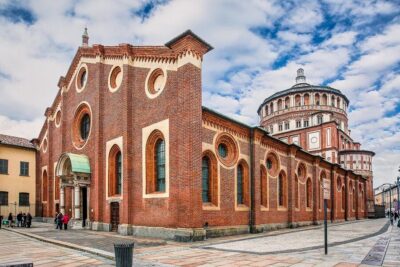
City Sightseeing Hop-On Hop-Off Bus with Audio Guide
Read our review →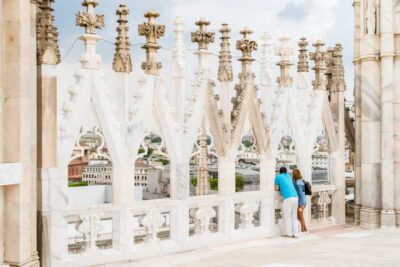
Milan Cathedral: Duomo Terraces Ticket (No Church Access)
Read our review →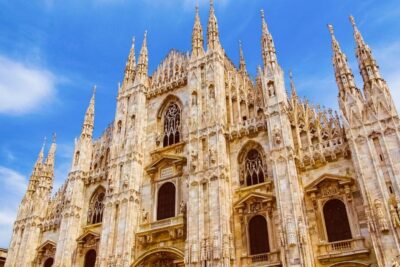
Milan Cathedral Direct Entrance – Terrace Excluded
Read our review →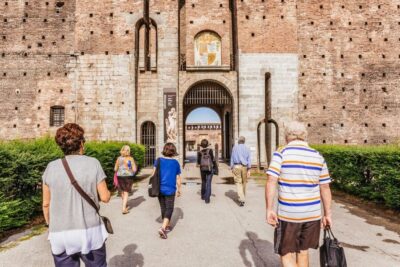
Guided Walking Tour & Last Supper Visit with Ticket
Read our review →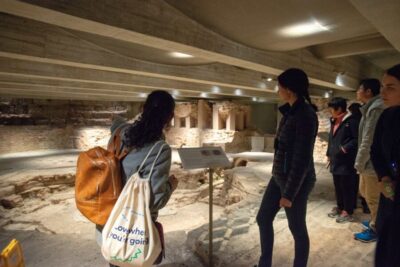
Fast-Track Milan Cathedral and Terraces Guided Tour
Read our review →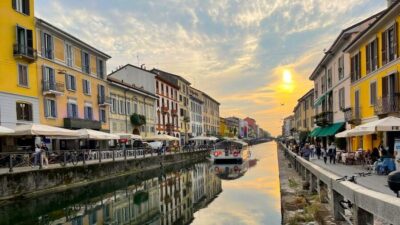
Browse the lists this tour appears in