
Reviewed · MUSEUMS
La Scala Theatre and Museum Tour in Milan With Private Guide
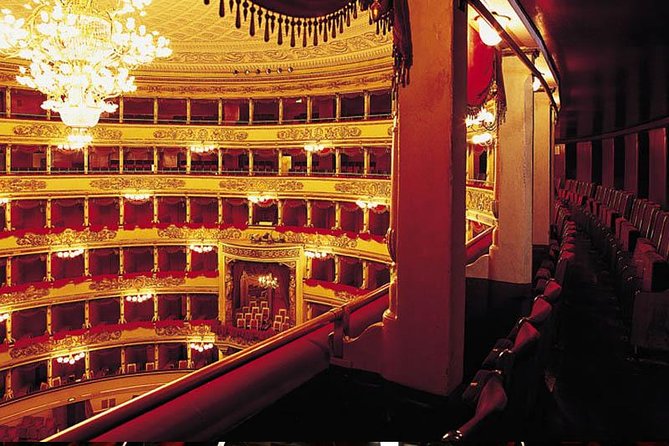
La Scala’s greatest thrill is simple: looking into its famous auditorium from an opera box, with the red-and-gold theater spread below you. If the stage is free, you may see the auditorium, orchestra pit, and stage itself. If a rehearsal is under way, you might catch a brief glimpse of working opera rather than a polished show.
I like two things here. First, the tour puts La Scala’s opera traditions into human terms, with stories about composers, singers, conductors, costumes, and stage work. Second, the museum gives you more than a quick photo stop, with instruments, painted portraits, props, costumes, and video displays to examine.
The main catch is that this is advertised with a private guide, but the tour can operate as a shared group of up to 25 people. The auditorium is also not fully guaranteed at your scheduled time. A rehearsal or performance can limit you to a short view from a box, so book this for the museum and the possibility of seeing the theater, not as a guaranteed backstage visit.
Key points to know before booking
- The auditorium visit depends on production schedules: A rehearsal or performance may restrict your view of the stage and seating area.
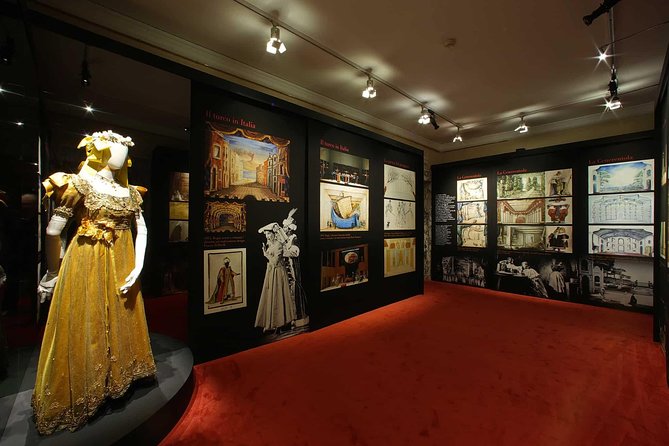
- The museum takes up much of the hour: Expect costumes, musical instruments, portraits, props, and opera displays alongside the theater visit.
- The tour is not reliably private: Despite the title, the group may include as many as 25 people.
- The best guides make a big difference: Claudia and Stefania are specifically praised for clear, engaging explanations.
- Arrive early: Late entry is not permitted, and missed tours are not refunded.
- The price buys convenience and commentary: At $47.63, it costs more than a basic museum ticket but includes a licensed guide and theater access when available.
What your $47.63 gets you at La Scala
At about $47.63 per person, this is not the cheapest way to enter the La Scala Museum. The value comes from the guide, the planned visit to the theater, and the chance to see parts of the auditorium that may be difficult to understand on your own.
I would think of the price as paying for interpretation rather than a long visit. The tour lasts about one hour, and that hour moves quickly between the museum and theater. If you want to study every costume, painting, and instrument at your own speed, a standard admission ticket may suit you better.
If the auditorium is open, the guided visit can feel worthwhile. You may see the foyer, theater boxes, stage, chandelier, and orchestra pit, depending on what is happening inside. If the theater is closed for a rehearsal or show, the balance shifts toward the museum, which makes the same price feel less attractive to someone interested mainly in the building.
The tour has an overall rating of 3.5 out of 5 from 384 ratings. That middle-ground score fits the central issue: the quality of the guide can be excellent, but the access to the theater can change from one departure to the next.
More Museums in Milan
- Official San Siro Stadium and Museum Guided Tour
★ 4.4 · 3,573 reviews - Milan: Leonardo3 The World of Leonardo Museum Entry Ticket
★ 4.4 · 3,241 reviews - Milan: La Scala Theater & Museum Guided Experience
★ 4.1 · 2,931 reviews
Meeting at Largo Antonio Ghiringhelli
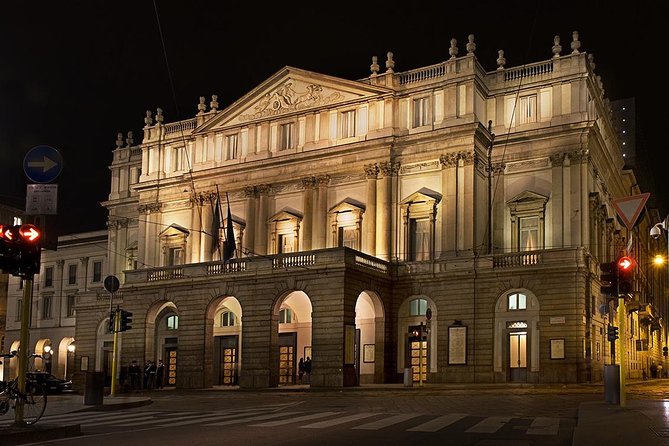
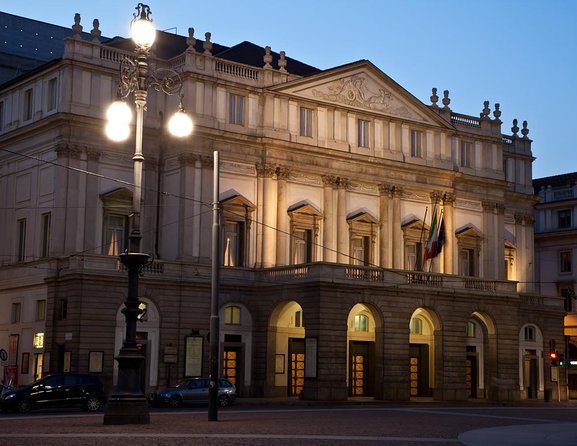
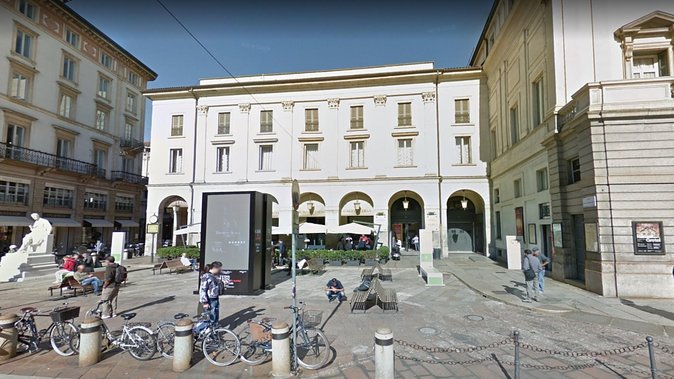
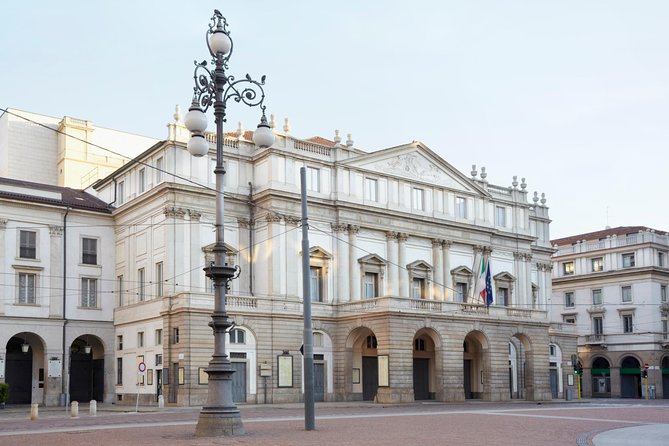
You meet at the Teatro alla Scala Museum, Largo Antonio Ghiringhelli 1, in central Milan. The activity ends at the same meeting point, so you do not need to arrange a ride back to your hotel or another part of town.
The tour includes a mobile ticket, an English-speaking guide, and admission to the Scala Theatre and Museum. Food, drinks, and hotel pickup are not included. The meeting point is near public transportation, which makes it practical to reach from other parts of Milan.
Plan to arrive with time to spare. The entry rule is strict: if you are late, you will not be admitted and the payment will not be refunded. This matters more than usual here because the venue is an active theater and the entry process may be tied to a fixed schedule.
The group may contain as many as 25 people. That is a sizable crowd for a museum with some small rooms. Several groups may also be inside at once, making it harder to hear a quiet guide or spend much time in front of one display.
Inside the foyer and famous auditorium
The first major reward is the theater itself. The foyer gives you an initial look at La Scala as a working opera house, while the auditorium provides the visual moment most people expect from this tour.
You may be brought to one of the theater boxes to look over the seating area. In some departures, the lights are low or the front of the box has plexiglass, which can limit photographs and make the theater feel less dramatic. In better conditions, the lights come on and you can take in the auditorium, stage, boxes, and chandelier from above.
The view from a box is not the same as walking through the auditorium. This distinction is important. You should not book the tour expecting free access to the main seating area, dressing rooms, backstage corridors, or technical areas. The supplied details promise the stage and orchestra pit when access is possible, but they do not promise a behind-the-scenes route.
A rehearsal can create two very different outcomes. You may see musicians, singers, stage action, or scene changes for a few minutes, which can be far more memorable than an empty theater. But you may also be allowed only a short look from a side box because the production team needs to work without interruption.
If a rehearsal or performance blocks the auditorium visit, the guide may provide a voucher for the next available date. A refund is not guaranteed in that situation. Since La Scala is an active venue, opening times can change to meet the needs of its artistic program. If the entire tour is canceled, you are offered another time or a full refund.
The museum’s costumes, instruments, and portraits
The museum is not a side room with a few souvenirs. It is a serious part of the visit, and for some people it will be the main attraction.
Your guide leads you through displays of intricate costumes once used on stage, along with props and musical instruments connected with famous performers and composers. Painted portraits include Giuseppe Verdi and Arturo Toscanini, two major names in Italian opera. The collection helps you see how much work sits behind a performance that lasts only a few hours.
I find the instruments especially useful because they connect the grand theater to the musicians who worked there. The costumes and stage objects do the same for singers, designers, and technicians. You get a clearer sense that opera is not just a voice on a stage. It is a large production built from music, clothing, scenery, lighting, movement, and careful timing.
The displays also offer context for La Scala’s place in Milan’s cultural life. A good guide can turn a portrait or costume into a short story about a performer, a production, or an artistic tradition. Claudia has been praised for giving a concise explanation while moving through both theater and museum. Stefania has been singled out for her warmth, clear information, and ability to bring a rehearsal and stage change to life.
The museum rooms can become crowded and warm. Sound is another concern. Some departures use headsets or radios that produce static, buzzing, or weak volume. If you have trouble hearing, move close to the guide and say so early rather than waiting until the tour is nearly over.
Same city, an entirely different afternoon:
- Milan: Cathedral and Duomo’s Terraces Entrance Ticket
★ 4.6 · 61,054 reviews - Milan: Da Vinci’s Last Supper Guided Tour
★ 4.7 · 10,143 reviews - Milan: City Sightseeing Hop-On Hop-Off Bus with Audio Guide
★ 4.0 · 6,256 reviews - Milan Cathedral: Duomo Terraces Ticket (No Church Access)
★ 4.6 · 6,111 reviews
Why the guide matters so much
This is a guide-led visit, so the person leading it shapes the whole experience. A strong guide can explain why the boxes mattered, how the opera house worked in earlier periods, and what you are seeing in the museum without turning the hour into a list of dates.
The best version of this tour feels like an introduction to opera in Milan. You hear about major composers and conductors, see objects tied to productions, and learn how the house functions as a performance venue. A short tour cannot cover every corner, but it can give you a useful framework for a later opera performance or a return visit.
The weaker version is less satisfying. If the guide mumbles, speaks into a faulty headset, or spends too little time explaining the building, the museum labels may provide nearly as much information. Some people have found themselves leaving early because several groups were speaking at once in tight rooms.
The word private in the title deserves caution. A private guide can mean that you have a designated professional guide, not necessarily a private party. The stated maximum is 25 people, and at least some departures function as ordinary shared tours. If you want a genuinely private visit with your own guide and flexible questions, confirm that point before paying.
One hour is enough, but only for an introduction
The one-hour format is convenient for a busy Milan schedule. You can fit La Scala between the Duomo, Galleria Vittorio Emanuele II, and other central sights without giving up half a day.
The tradeoff is pace. You may begin with the theater, then move into the museum for explanations and displays, followed by time in the bookshop. The guide needs to keep the group moving, especially when other tours are using the same rooms.
The bookshop is a pleasant extra if you enjoy opera, composers, or theater design. You can browse books on opera and individual musicians, but purchases are not included and the shop is not the reason to book the tour.
One practical detail: there is reportedly only one bathroom, on the third floor. Plan accordingly before the tour begins, especially if you prefer not to interrupt a short guided visit.
Most people can take part, and the museum is near public transportation. If you use a cane or need help with stairs, mention it at the meeting point. One guide assisted a visitor by arranging use of a lift to the upper level, but the supplied information does not promise a fully accessible route for every departure.
The difference between an open theater and a rehearsal
The timing of your visit can shape your opinion more than anything else. When no rehearsal is in progress, you have a better chance of seeing the theater with the lights on and taking photographs from a box. That is the classic La Scala experience this tour aims to provide.
When a rehearsal is taking place, you may get something more authentic. Watching a set change, musicians work, or a ballet rehearsal can show you the theater as a living workplace. One especially fortunate visit included a technical rehearsal for Turandot, along with scene and set changes and a ballet exhibition.
But a rehearsal also places limits on access. You may see only a few minutes through a box window, or the auditorium may remain dark. A training performance can mean that you never see the full interior clearly. This is not a flaw the guide can always fix, since the theater must protect its production schedule.
The safest expectation is this: you are buying access to La Scala and its museum, with a planned theater visit when production allows. You are not buying a guaranteed view of every part of the theater at full lighting.
Who will enjoy this La Scala tour most
I would recommend it most strongly to a first-time opera fan who wants a short, guided introduction. You will get names, objects, stories, and a look at one of Milan’s best-known cultural institutions without needing to understand opera beforehand.
It also suits anyone who values a guide’s explanation more than independent museum time. A good guide can point out why a particular portrait matters, explain the role of the orchestra pit, and connect the theater’s design with the performance traditions carried on inside it.
It is less suitable if your main goal is backstage access. You should also think twice if you dislike group tours, crowded rooms, or fixed schedules. A group of 25 can make quiet questions and clear photographs difficult.
Opera lovers may find the museum worthwhile even if the auditorium visit is brief. People who mainly want architecture, velvet boxes, and a long look across the stage should check the theater conditions before departure if possible and keep expectations flexible.
Booking, cancellation, and timing advice
The tour is often booked about 28 days ahead, and La Scala can sell out weeks in advance. I would reserve early if your Milan dates are fixed, particularly if seeing the interior is a priority.
Free cancellation is available up to 24 hours before the local start time. Changes or cancellations made less than 24 hours before departure are not refunded. If poor weather or too few bookings causes the activity to be canceled, you are offered another date or a full refund.
The weather rule may seem unusual for an indoor theater, but it is part of the stated policy. Read the final confirmation carefully, and watch for any time change sent by the operator. One scheduling problem reported by a customer involved a change sent through WhatsApp, while other confirmation messages still showed the original time. To protect yourself, check all messages on the day of the tour and contact the operator if the times conflict.
Should you book the La Scala Theatre and Museum Tour?
Book it if you want an efficient, English-language introduction to La Scala and you will enjoy a museum of costumes, instruments, portraits, and opera memorabilia. At $47.63, the price can make sense when a strong guide leads the hour and you get a clear view of the auditorium or a glimpse of rehearsal work.
Skip it if you want a guaranteed full theater visit, backstage access, or a private tour for your own party. In that case, a basic museum ticket may offer better value, especially when the theater is closed or poorly lit.
My practical advice is to book early, arrive well before the meeting time, and treat the auditorium as a conditional bonus rather than the entire purpose of the visit. That mindset gives you the best chance of enjoying what La Scala can reliably offer: a compact look at opera’s objects, people, and working traditions, plus the possibility of seeing one of Milan’s great stages in action.
FAQ
Where does the La Scala tour start?
You meet at the Teatro alla Scala Museum, Largo Antonio Ghiringhelli 1, 20121 Milan, Italy.
Where does the tour end?
The activity ends back at the meeting point.
How long does the tour last?
The tour lasts approximately one hour.
Is admission to the theater and museum included?
Yes. The price includes entrance to the Scala Theatre and Museum, along with a professional licensed guide.
Is the tour offered in English?
Yes. English is one of the stated tour languages.
Is this definitely a private tour?
No. The title refers to a private guide, but the activity can have a maximum of 25 people. Confirm the group arrangement before booking if a private party is important to you.
Will I definitely see the auditorium?
The auditorium visit is guaranteed unless a rehearsal or show is in progress. Production needs can change the visit, and a voucher for another available date may be offered without a guaranteed refund.
Can I see backstage areas?
Backstage access is not included in the stated itinerary. The visit covers the foyer, auditorium, theater boxes, orchestra pit, stage when available, museum, and bookshop.
Are food and drinks included?
No. Food and drinks are not included unless specifically stated.
What happens if I arrive late?
Late entry is not permitted, and the tour fee will not be refunded. Arrive early at the museum meeting point.
Can I cancel for a refund?
You can cancel at least 24 hours before the start time for a full refund. Cancellations or changes made less than 24 hours before the activity are not refunded.
Fresh on the Milan list
- Walking Food Tour of Milan with Tastings★ 4.5 · 194 reviews
- Milan: Fresh Pasta and Tiramisù Class in A Historical Home★ 4.9 · 195 reviews
- Milan: City Highlights Walking Tour with The Last Supper★ 4.9 · 195 reviews
- Inside Milan’s Duomo: Cathedral Tour with Optional Rooftop★ 4.5 · 210 reviews
- Milan:Lake Como, Lugano & Bellagio Day-Trip with Boat Cruise★ 4.5 · 210 reviews
- Milan: San Siro Stadium Entry Ticket and Optional Bus Ticket★ 4.1 · 212 reviews
- Choose three recipes to cook from all the traditional cuisine★ 5.0 · 214 reviews
- Verona and Lake Garda Day Trip from Milan★ 4.5 · 214 reviews
Museums, compared.
Vatican: Museums & Sistine Chapel Entrance Ticket
Read our review →
Vatican Museums & Sistine Chapel Tour with Optional Basilica
Read our review →
Vatican Museums, Sistine Chapel & St Peter’s Basilica Guided Tour
Read our review →
Skip-The-Line Uffizi Gallery Timed Entry Ticket
Read our review →
Vatican Museums, Sistine Chapel & Basilica Tour
Read our review →
Vatican Museums & Sistine Chapel Skip-the-Line Entry Ticket
Read our review →Vatican Museums, Sistine Chapel & Basilica Tour
Read our review →
Vatican Museums & Sistine Chapel Guided Tour
Read our review →Browse the lists this tour appears in