
Reviewed · SORRENTO TOURS
The Three Tenors in Sorrento: Opera Arias, Naples and Songs
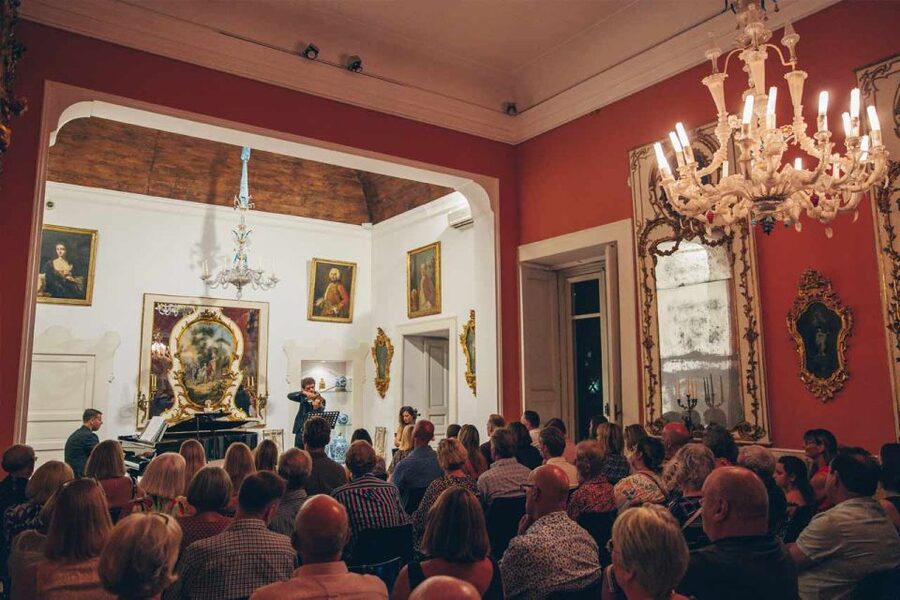
The big draw here is the setting: three powerful tenors singing in the elegant concert hall of Sorrento’s Correale Museum, backed by piano, violin, and cello. The program moves from Puccini and Verdi to ’O sole mio and Torna a Surriento, so you get both grand opera and the warm, familiar sound of Naples.
I like the small, intimate room, where the voices and instruments do not have to fight a huge stage. I also like the chance to walk through the museum garden and halls before the music starts. The main consideration is comfort: the room has air conditioning, but some people found it hot and humid, especially in summer. Phone screens can also distract from the performance.
Key Points at a Glance
- Opera and Naples in one program: Hear arias from Tosca, Rigoletto, Turandot, and La Traviata, followed by much-loved Neapolitan songs.
- An intimate Correale Museum setting: The concert takes place in a refined museum hall rather than a large theater.
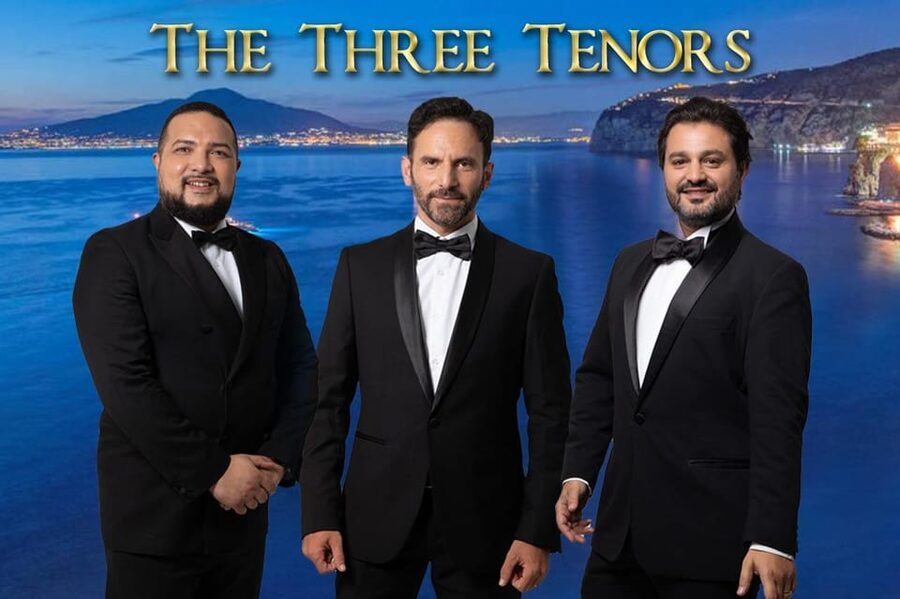
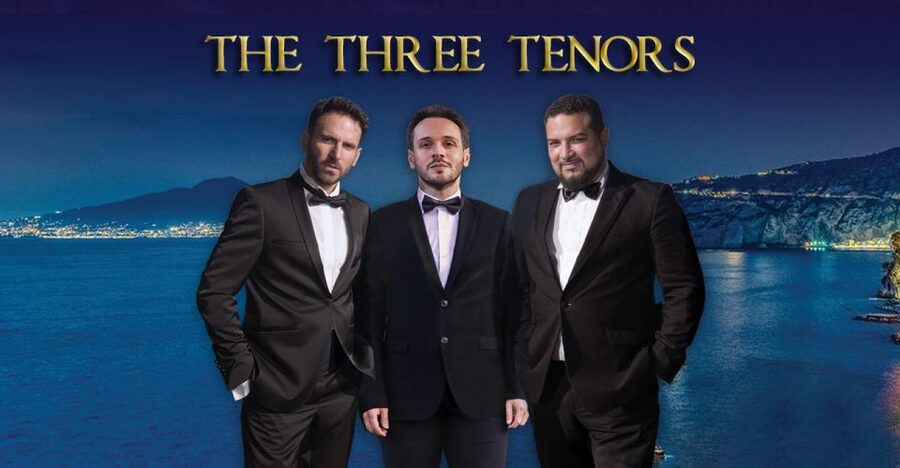
- Three named tenors: Francesco Fortes, Alessandro Fortunato, and Stefano Sorrentino share the stage.
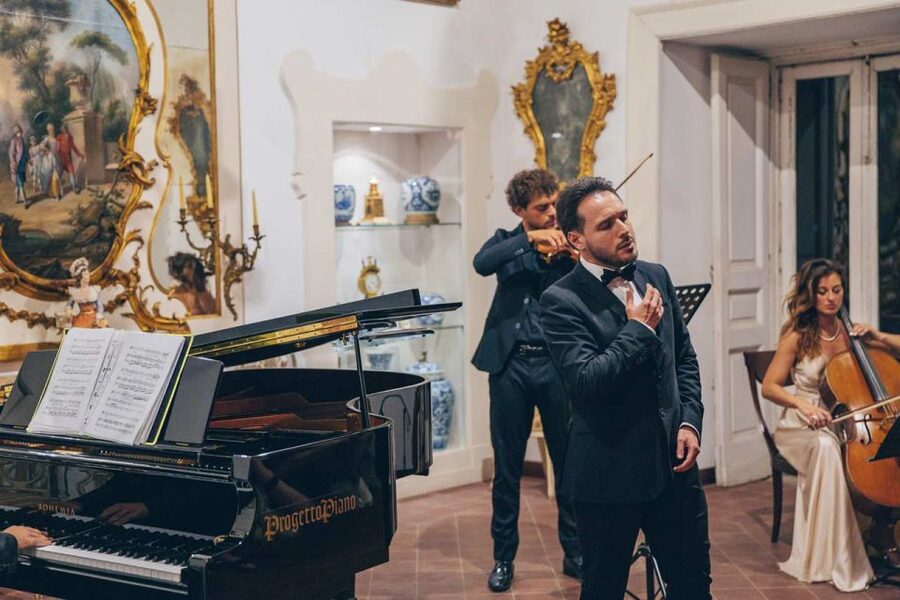
- A full musical ensemble: Davide Cesaranovi plays piano, with Andrea Montella on violin and Norma Ciervo on cello.
- Audience-friendly presentation: Expect humor, participation, romance, and familiar melodies, not a formal opera performance alone.
- Easy Sorrento evening plan: The museum is at Via Correale 50, about a 10-minute walk from central Sorrento.
Why This Concert Works So Well in Sorrento
Sorrento gives you plenty of scenic outings, but an evening concert offers a welcome change of pace. After days of streets, boats, ruins, and sea views, you can sit down in a handsome indoor room and let the music carry the evening.
This is not a full staging of an opera. There are no sets, costumes, or long acts to follow. Instead, the three tenors present a selection of famous pieces, with the musicians supporting them and the performers shaping the mood from song to song. That makes the event easy to enjoy even if you know little about opera.
I especially like the mix of serious and light-hearted moments. The first half gives you the formal drama of Italian opera. The second half shifts toward the emotional, often playful character of Neapolitan song. The result is less intimidating than a full opera and more substantial than a short musical demonstration.
The concert has earned a 4.8 rating from 327 bookings, and the reasons are easy to understand. The strongest praise centers on the voices, the acoustics, the museum setting, and the personal feel of the performance. People also value the humor and audience interaction, which keep the evening from feeling stiff.
A few other Sorrento mornings to weigh against this
- Sorrento: Exclusive Capri Boat Tour and Optional Blue Grotto
★ 4.8 · 3,170 reviews - Sorrento Farm and Food Experience including Olive Oil, Limoncello, Wine tasting
★ 5.0 · 2,524 reviews - Capri Blue Grotto Small-Group Boat Day Tour From Sorrento
★ 4.5 · 2,511 reviews
Arriving at the Correale Museum
You make your own way to the Museo Correale di Sorrento at Via Correale 50. From central Sorrento, the walk takes about 10 minutes, making this a simple evening outing if you are staying in town.
The museum is part of the experience, not just a building used for the concert. You can spend time in the garden and halls before taking your seat. This gives you a little cultural context and makes the $71 ticket feel like more than a charge for an 80-minute music show.
I would arrive early rather than cutting it close. The garden offers a calmer place to wait, and the setting helps establish the mood before the music begins. A glass of wine or Prosecco may be available for purchase in the garden, but food and drinks are not included in the ticket. One person reported paying €5 for a glass of white wine before the concert.
The museum stop is especially useful if you want an evening with some local character. You are not being taken to a generic auditorium. You are going to a Sorrento cultural site, walking through its grounds, then hearing Italian music in a room with a classic feel.
The First Half: Puccini, Verdi, and Famous Opera Moments
The program opens with a set of well-known opera and classical selections. You do not need to know the plots of the operas to appreciate the music, because the arias are presented as individual emotional scenes.
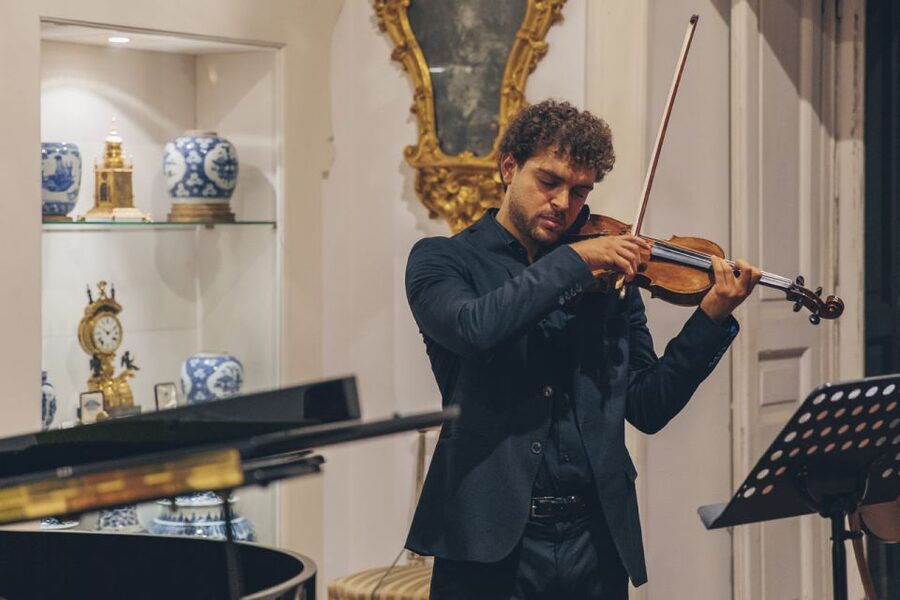
The opening piece is Massenet’s Meditation from Thaïs, a graceful instrumental work that gives the violin an early chance to shape the mood. Andrea Montella’s violin is an important part of the evening, and the strings do more than simply fill gaps between vocal numbers.
Leoncavallo’s Vesti la giubba brings a sharper, more dramatic feeling. It is followed by Ernesto De Curtis’s Non ti scordar di me, a song of memory and longing that helps bridge the formal opera selections and the romantic style of southern Italian song.
Puccini’s E lucevan le stelle from Tosca is one of the emotional centerpieces. The piece calls for a tenor who can handle both strength and vulnerability, and it shows why the intimate room matters. In a large hall, the voice can feel distant. Here, the scale keeps the performance close to the audience.
Mascagni’s Intermezzo from Cavalleria Rusticana gives the singers a rest while the musicians take the lead. This is a useful change of texture, and it lets you hear the piano, violin, and cello as a real ensemble rather than mere accompaniment.
The first half then moves through Lara’s Granada, Verdi’s La donna è mobile from Rigoletto, and Puccini’s Nessun dorma from Turandot. These are the pieces many people come hoping to hear. La donna è mobile is brisk and instantly recognizable, while Nessun dorma provides the big, ringing finish that has become one of opera’s best-known tenor moments.
The first half closes with Libiam nei lieti calici from Verdi’s La Traviata. It brings energy and a sense of celebration before the break. If you are new to opera, this sequence gives you a useful sampler of the Italian repertoire without asking you to sit through an entire three-hour production.
The Second Half: Songs from Naples and Beyond
After a 10-minute break, the concert changes direction. The second half is built around a medley of Neapolitan songs, with a few famous Italian and international favorites mixed in.
You hear ’O paese d’ ’o sole, Parlami d’amore Mariù, and ’O surdato ’nnamurato. These songs are closely tied to the musical tradition of Naples, where singing is often direct, expressive, and full of longing. Even without understanding every word, you can follow the feeling.
Eduardo di Capua’s ’O sole mio is the obvious crowd favorite. It is familiar, cheerful, and built for a strong tenor voice. The song also helps explain why this concert suits people who are not regular opera fans. The melodies are often already part of your cultural memory.
The program continues with Domenico Modugno’s Nel blu dipinto di blu, known widely as Volare, and Andrea Bocelli’s Con te partirò. Lucio Dalla’s Caruso adds a more reflective note, while Torna a Surriento ties the evening directly to the town around you.
The closing selection is Funiculì funiculà, a lively song that sends the audience out on an upbeat note. This progression is smart. The concert begins with the grandeur of opera, then relaxes into music that feels closer to a social celebration in Campania.
I would not choose this event expecting a scholarly introduction to Neapolitan music. The focus is performance and enjoyment, not lectures. But you do get a clear sense of the local tradition through the songs, the language, the melodies, and the emotional style.
Same city, an entirely different afternoon:
- From Sorrento/Nerano: Amalfi and Positano Boat Tour
★ 4.6 · 2,440 reviews - Day Trip to Positano, Amalfi & Ravello from Sorrento
★ 4.5 · 2,371 reviews - Capri & Blue Grotto Semi Private Boat Day Trip from Sorrento
★ 5.0 · 2,053 reviews - Sorrento: Skip-the-Line Pompeii Express Tour by Train
★ 4.8 · 2,038 reviews
The Voices and the Musicians
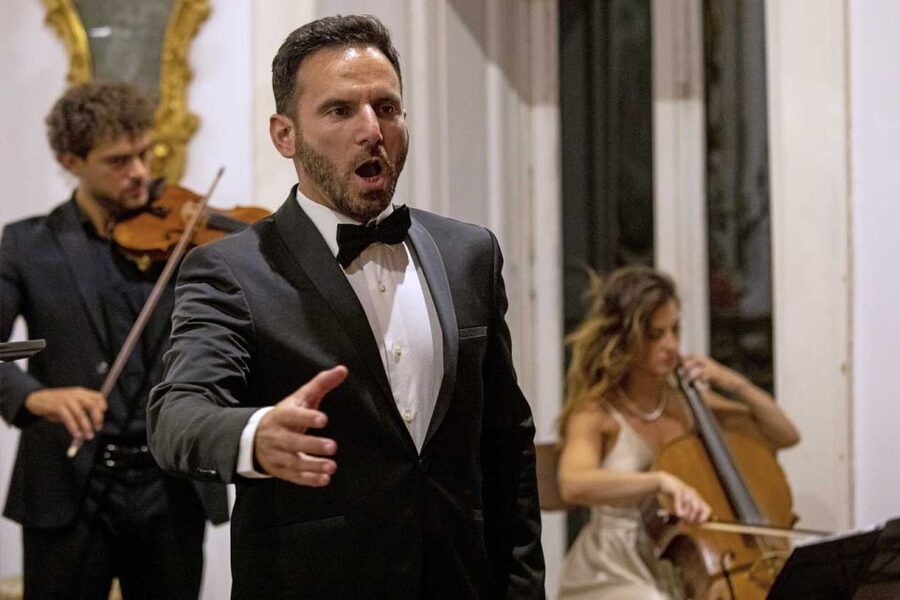
The three tenors are Francesco Fortes, Alessandro Fortunato, and Stefano Sorrentino. Their shared performance gives the concert variety. At times the focus is on one singer, while other moments use the sound and visual effect of all three voices together.
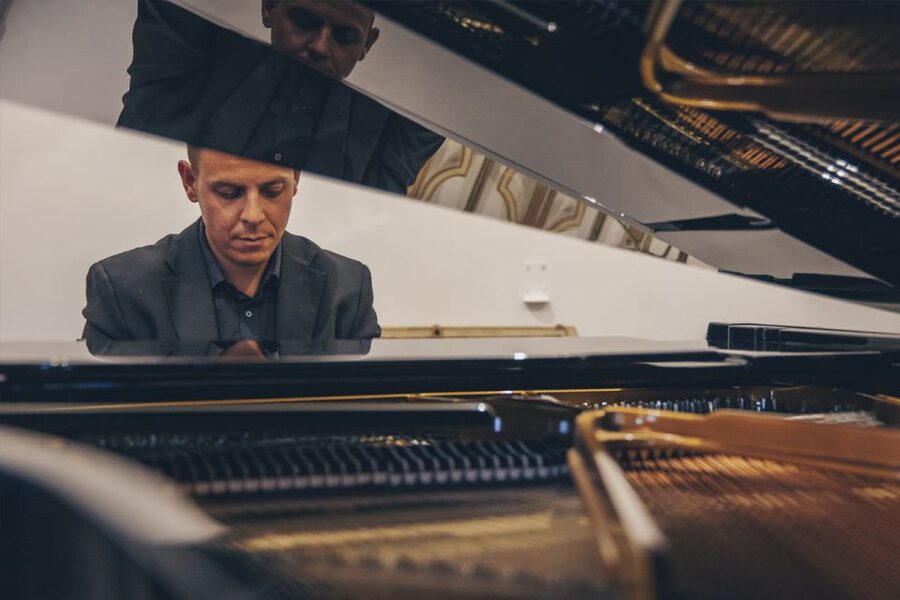
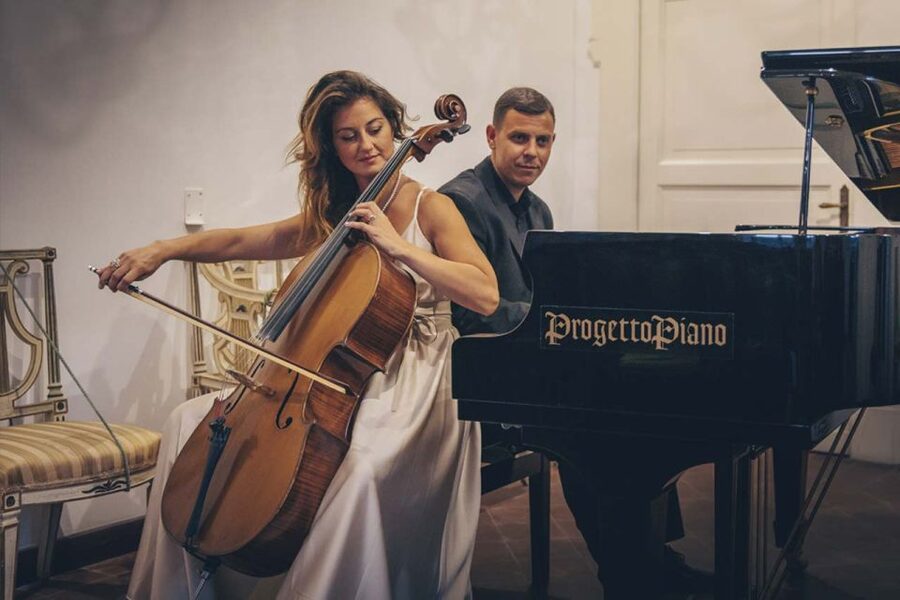
The musicians are Davide Cesaranovi on piano, Andrea Montella on violin, and Norma Ciervo on cello. The trio matters. The piano supplies much of the structure, while the violin and cello add warmth, contrast, and dramatic lift.
Some people leave with a special appreciation for the instrumentalists, especially the violinist. That is worth keeping in mind when you take your seat. The show is titled around the tenors, but the music would be much thinner without the supporting ensemble.
The intimate layout also lets you hear details that can disappear in a large theater. You may notice the change from a full, ringing vocal passage to a quieter phrase, or the way the cello colors a romantic song. The acoustics are one of the most praised features of the evening.
The performance style is not strictly formal. The singers use humor and audience interaction, and some songs invite participation. That can produce a few funny moments and gives the performers a chance to connect with the room. If you prefer a silent, highly formal recital, this may feel a little loose. If you want an entertaining Italian evening, it is a good fit.
How Much Value Do You Get for $71?
At $71 per person, this is not the cheapest evening activity in Sorrento. You are paying more than the price of a casual drink or a simple local meal. The question is what the ticket replaces and what it includes.
You get entry to an 80-minute concert, the museum setting, the garden and halls before the show, three tenors, piano, violin, cello, and a 10-minute break. Food and drinks cost extra, and there is no meal attached to the ticket.
I consider the price reasonable for a special-occasion evening, especially if you appreciate live music or want something different from another restaurant meal. Several people have used the concert to mark an anniversary or make their final night in Sorrento feel memorable.
The value is strongest because of the small room. You are not paying for a giant production with scenery and a full orchestra. You are paying for close access to skilled singers and musicians in a distinctive venue. If you prefer large-scale opera, this may feel modest. If you enjoy the immediacy of a small performance, the price makes more sense.
The one common reservation is length. Eighty minutes is enough for a satisfying program, but a few people wished it continued longer. I would plan your dinner afterward rather than expect the concert to fill an entire night.
Comfort, Timing, and Small Practical Details
The concert lasts about 80 minutes and includes a 10-minute break. The show is designed as one evening performance, with starting times available according to the date you select.
The museum and concert area have toilets and air conditioning. Still, summer conditions can be warm, and some people found the hall hot or humid. I would dress for comfort rather than wear heavy formal clothing. The garden may feel cooler while you wait, but indoor conditions can vary.
The event is wheelchair accessible. Pets are not allowed. Since food and drinks are not included, plan to eat before or after, and do not assume refreshments are part of the ticket.
Phone use deserves a note. In a small room, a bright screen can be surprisingly distracting, even if the person filming is trying to be quiet. You will enjoy the acoustics more if you keep your own phone away and sit where an illuminated screen in front of you will not spoil the view.
You can cancel up to two days in advance for a full refund. That gives you some flexibility if your Sorrento plans change, but you should still check the available time before booking.
Who Will Enjoy This Most?
I would recommend this concert to anyone who wants a polished evening of Italian music without committing to a full opera production. The familiar selections make it approachable, and the humor keeps it from feeling like a test of musical knowledge.
It also works well for couples. The romantic songs, museum setting, and short evening format make it a natural anniversary or birthday plan. Families with older children may enjoy it too, especially if they already recognize ’O sole mio, Volare, or Nessun dorma.
Opera fans will appreciate hearing the famous arias in a close setting, but they should set expectations correctly. This is a concert of selections, not a complete opera with acting and staging.
I would think twice if you dislike vocal music, formal concert settings, or audience participation. The performance includes light comedy and direct engagement, so it is not a purely serious recital. I would also choose another activity if you need a full evening of entertainment lasting several hours.
My Booking Advice
Book this if you want one memorable cultural night in Sorrento and like the idea of hearing big voices in a small room. Arrive early enough to enjoy the garden and museum halls, and consider having dinner afterward so the 80-minute schedule fits neatly into your evening.
The best reasons to choose it are the intimate acoustics, the mix of opera and Neapolitan songs, and the quality of the supporting musicians. The main cautions are the extra cost of refreshments, possible summer heat, bright phone screens, and the fact that the show may feel short for the price.
For me, the concert earns its place on a Sorrento itinerary because it connects the music to the place. You hear Verdi and Puccini, then turn toward the songs of Naples and Sorrento itself. If that sounds like your kind of night, this is an easy booking to justify.
FAQ
Where does the Three Tenors concert take place?
The concert takes place at the Museo Correale di Sorrento, also called the Correale Museum of Terranova, at Via Correale 50 in Sorrento.
How long does the concert last?
The approximate duration is 80 minutes, including a 10-minute break.
Who performs in the concert?
The tenors are Francesco Fortes, Alessandro Fortunato, and Stefano Sorrentino. The accompanying musicians are Davide Cesaranovi on piano, Andrea Montella on violin, and Norma Ciervo on cello.
What music is included?
The program includes opera selections from works such as Tosca, Rigoletto, Turandot, Cavalleria Rusticana, and La Traviata. The second half features Neapolitan songs and Italian favorites including ’O sole mio, Torna a Surriento, Caruso, Volare, and Funiculì funiculà.
Are food and drinks included?
No. Food and drinks are not included in the ticket. Drinks may be available to purchase before the concert in the museum garden.
Is the venue wheelchair accessible, and are pets allowed?
The activity is wheelchair accessible. Pets are not allowed.
Fresh on the Sorrento list
- Sorrento: Positano & Amalfi Coast Small-Group Boat Tour★ 4.7 · 194 reviews
- Shared Cooking Class with Fresh Garden Ingredients in Sorrento★ 5.0 · 194 reviews
- Amalfi Coast Private Boat Tour★ 5.0 · 194 reviews
- Bella Sorrento Evening ‘Progressive Dinner’ Experience★ 5.0 · 196 reviews
- From Sorrento : Private Capri Island Daily Boat Tour★ 5.0 · 198 reviews
- From Sorrento: Pompeii and Vesuvius Tour★ 4.5 · 201 reviews
- SORRENTO: Pizza School Mastering Neapolitan Delights★ 4.9 · 201 reviews
- Full-Day Capri, Anacapri and Blue Grotto Tour from Sorrento★ 5.0 · 204 reviews
Sorrento Tours, compared.

Exclusive Capri Boat Tour and Optional Blue Grotto
Read our review →
Sorrento Farm and Food Experience including Olive Oil, Limoncello, Wine tasting
Read our review →
Capri Blue Grotto Small-Group Boat Day Tour From Sorrento
Read our review →
From Sorrento/Nerano: Amalfi and Positano Boat Tour
Read our review →
Day Trip to Positano, Amalfi & Ravello from Sorrento
Read our review →
Capri & Blue Grotto Semi Private Boat Day Trip from Sorrento
Read our review →
Browse the lists this tour appears in