
Reviewed · MUSEUMS
Bologna: Lamborghini Museum Entrance Ticket
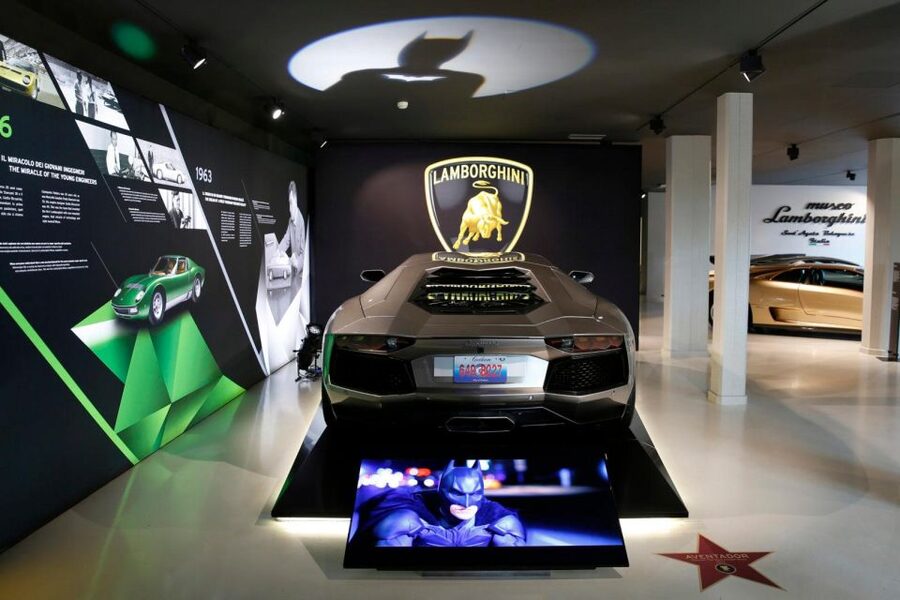
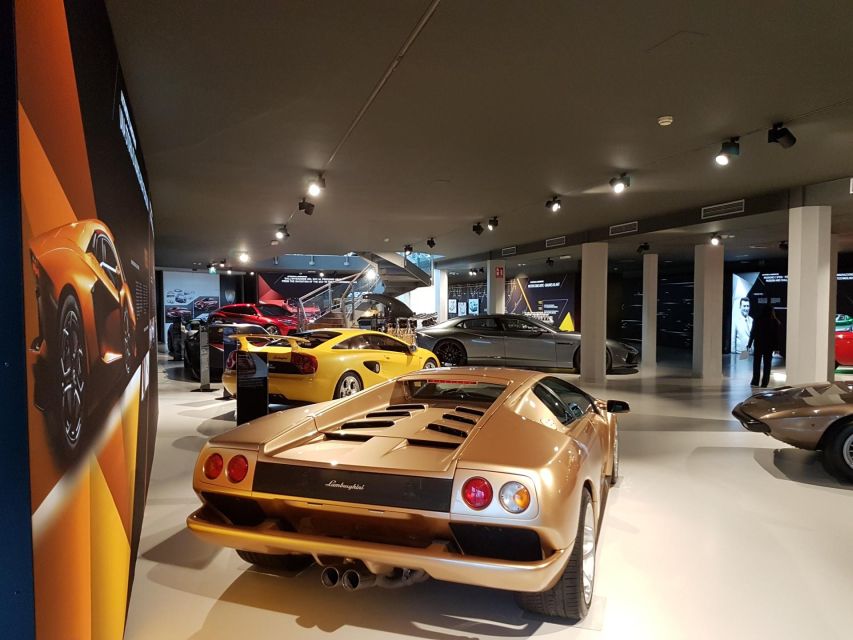
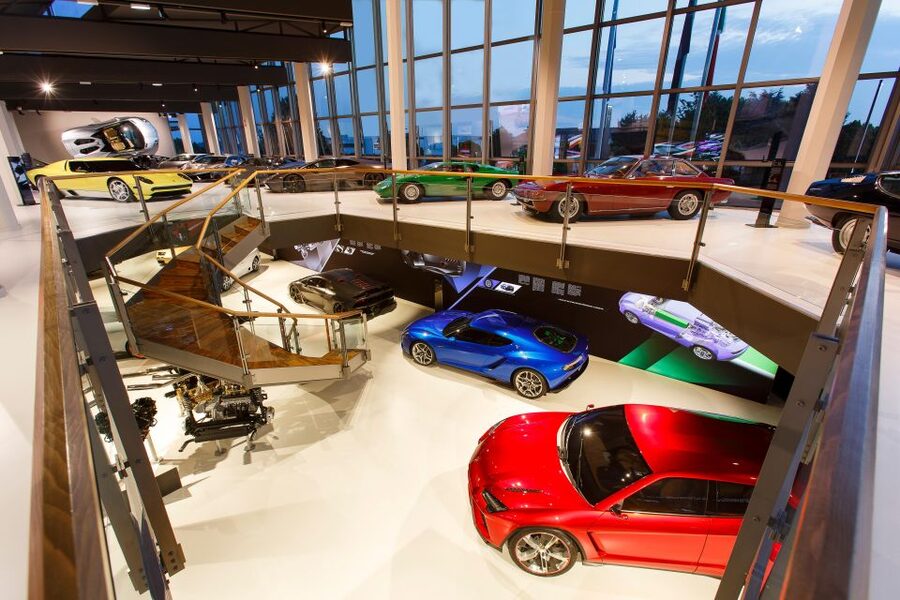
Lamborghini’s museum brings the marque’s first bold ideas and newest supercars into one polished display. You’ll see the Miura and Countach alongside the Veneno, Sesto Elemento, Centenario, and hybrid Sián, making this a quick lesson in how Lamborghini turned excess into a design language.
I like the mix of classic and current cars, and I like that the displays connect each model to the company’s story rather than showing a row of expensive metal with no context. The main drawback is scale: the museum is not enormous, so you may finish in about an hour, especially if you hoped for a large collection or a full factory visit.
Key points to know before you go
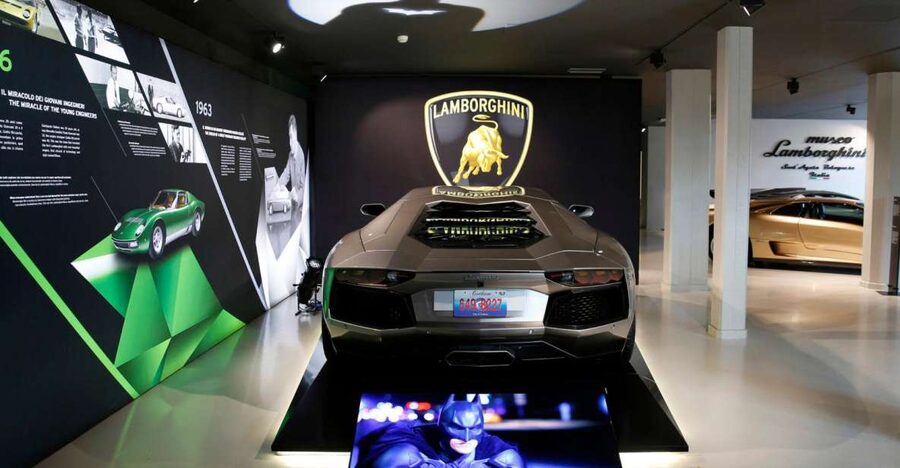
- Ferruccio Lamborghini’s vision gives the cars a human starting point, from early creations to the company’s modern supercars.
- The Miura and Countach offer the strongest look at Lamborghini’s classic design era.
- Rare cars such as the Centenario, Sesto Elemento, and Veneno add real appeal for serious fans.
- Hybrid models including the Siàn and Countach LPI 800-4 show where the marque is heading.
- The museum ticket costs $20 per person and includes entry for one day, but not the Lamborghini Factory Tour.
- Plan on roughly an hour inside, with flexible booking, wheelchair access, and adult supervision required for ages 6 to 18.
From Ferruccio Lamborghini to the first supercars
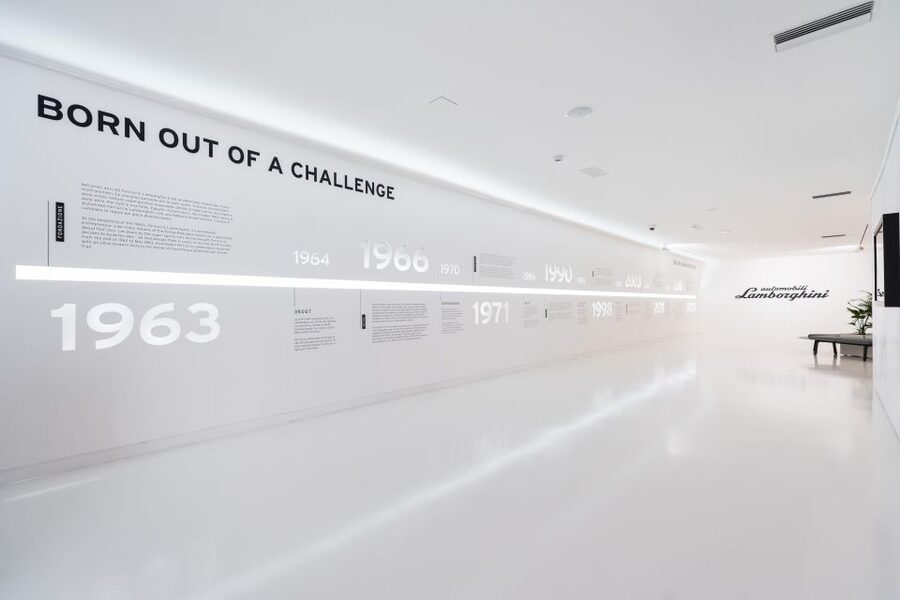
The most useful way to approach this museum is as a story about one man’s ambition. Ferruccio Lamborghini began with visionary creations that helped define the company’s identity, and the display follows that idea through the cars that made the name famous.
You are not simply looking at polished bodywork. The museum gives you a chance to connect the cars with the work of Lamborghini Ferruccio, the brand’s founder. That matters because Lamborghini’s appeal is tied as much to its daring choices as to speed or price.
The early models form the foundation of the visit. You might find yourself spending the most time with the Miura, a car often treated as one of the great turning points in Lamborghini design. The museum also presents the Countach, whose sharp shape and dramatic proportions helped make the marque instantly recognizable.
For anyone who knows little about the company, this early section gives the visit a clear purpose. You can see how the first creations moved away from ordinary grand touring cars and toward the low, theatrical sports cars that became Lamborghini’s signature.
More museums in Italy:
- Vatican: Museums & Sistine Chapel Entrance Ticket
★ 4.5 · 144,003 reviews - Vatican Museums & Sistine Chapel Tour with Optional Basilica
★ 4.3 · 67,413 reviews - Vatican Museums, Sistine Chapel & St Peter’s Basilica Guided Tour
★ 4.5 · 39,149 reviews
Why the Miura and Countach matter
The Miura is one of the main reasons many people make the trip. It is not just another classic in the collection. It represents the period when Lamborghini was testing ideas that would change the look of high-performance cars.
The Countach takes the story in a more angular direction. Its shape feels less restrained and more confrontational, which helps explain why it became such a powerful symbol of the brand. If you have admired Lamborghini posters, models, or photographs for years, seeing the real car gives those familiar lines more weight.
I would give these two classics extra time. Modern cars may have more electronic power and greater performance, but the Miura and Countach explain why Lamborghini became a household name among car fans.
The museum is a good choice for visitors who want more than the newest model. The classic cars supply the emotional center of the display, while the later models show how the company kept changing its formula.
From Huracán Performante to Aventador SVJ
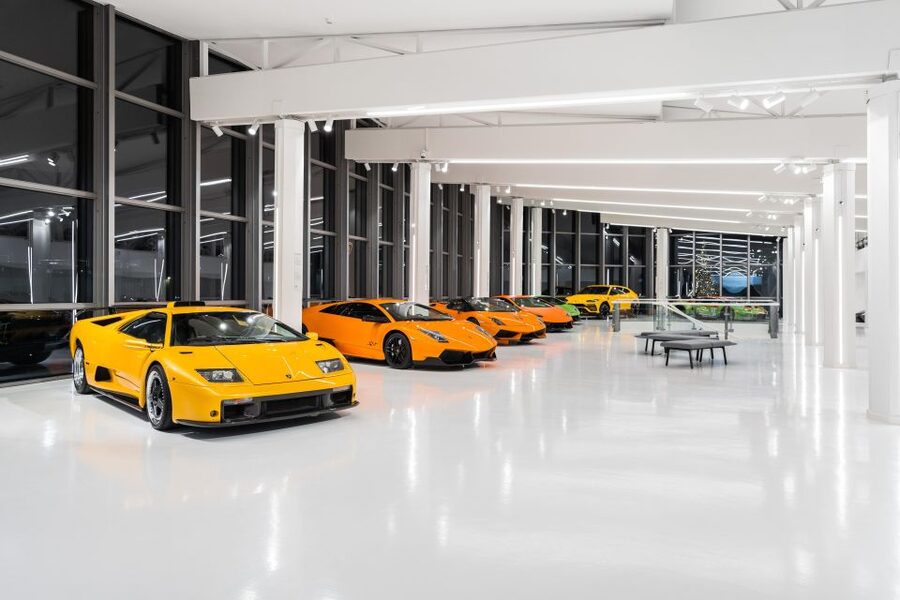
After the early cars, the collection moves toward Lamborghini’s more recent supercars. The Huracán Performante and Aventador SVJ represent the brand’s modern performance era, with aggressive shapes and a clear focus on speed.
The value of seeing these cars in person is scale and detail. Photographs can show the broad outline, but they do not always communicate the low stance, sharp edges, or visual drama of a Lamborghini. In the museum, you can study how the design changed from the softer curves of earlier models to more complex modern forms.
The Huracán Performante is part of the regular production story, while the Aventador SVJ helps show the company’s high-performance ambitions. Together, they make a useful pair. One gives you a sense of the current range, and the other pushes the same idea toward a more extreme form.
Do not expect a long guided presentation or a hands-on driving activity. This is a museum entrance ticket, not a track session or factory experience. You set your own pace and look closely at the cars on display.
The rare few-offs bring the drama
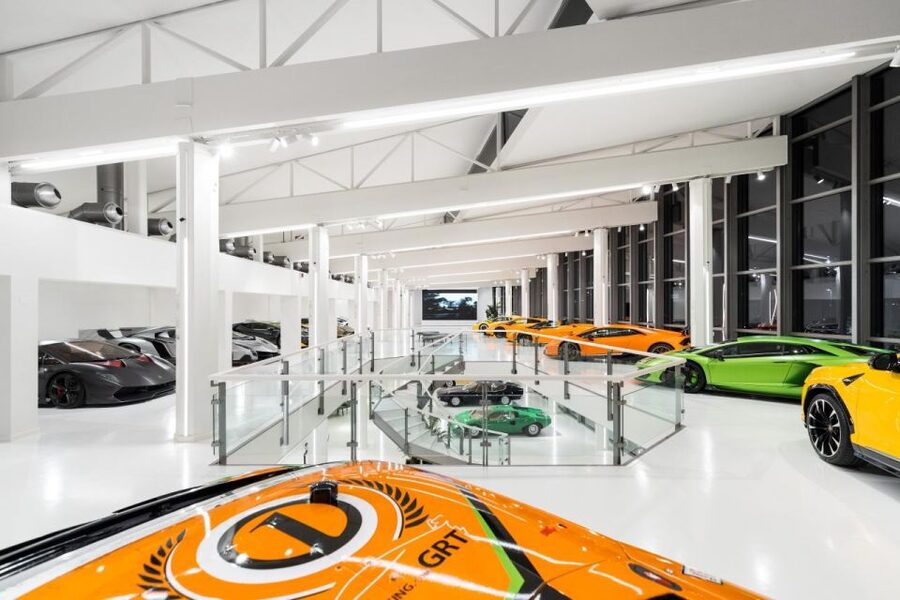
The Centenario, Sesto Elemento, and Veneno add a different kind of interest. These are not simply newer versions of familiar models. They show Lamborghini using limited-production cars to test unusual design ideas and make a strong statement about what the brand can do.
For a dedicated fan, this may be the highlight of the museum. Few-off cars are hard to encounter in ordinary settings, and seeing several in the same place gives you a better sense of Lamborghini’s willingness to take risks.
The Veneno is especially suited to the museum setting because its shape is so extreme. The Sesto Elemento carries the same sense of technical ambition, while the Centenario marks the company’s taste for celebrating major moments with highly exclusive cars.
There is a practical point here. The museum’s appeal does not depend on having dozens of vehicles. A smaller selection of important cars can make the visit worthwhile if the examples are well chosen. At $20, the question is less about the number of cars and more about whether these specific models matter to you.
If your interest is limited to seeing a huge quantity of vehicles, you may find the museum modest. If you want to see major Lamborghini milestones, the rare cars help make the ticket easier to justify.
A few other Italy mornings to weigh against this
- Milan: Cathedral and Duomo’s Terraces Entrance Ticket
★ 4.6 · 61,054 reviews - Venice: Doge’s Palace Reserved Entry Ticket
★ 4.6 · 42,716 reviews - Florence: Skip-The-Line Uffizi Gallery Timed Entry Ticket
★ 4.5 · 27,832 reviews - Naples: Naples Underground Entry Ticket and Guided Tour
★ 4.4 · 21,781 reviews
The hybrid future arrives in the same room
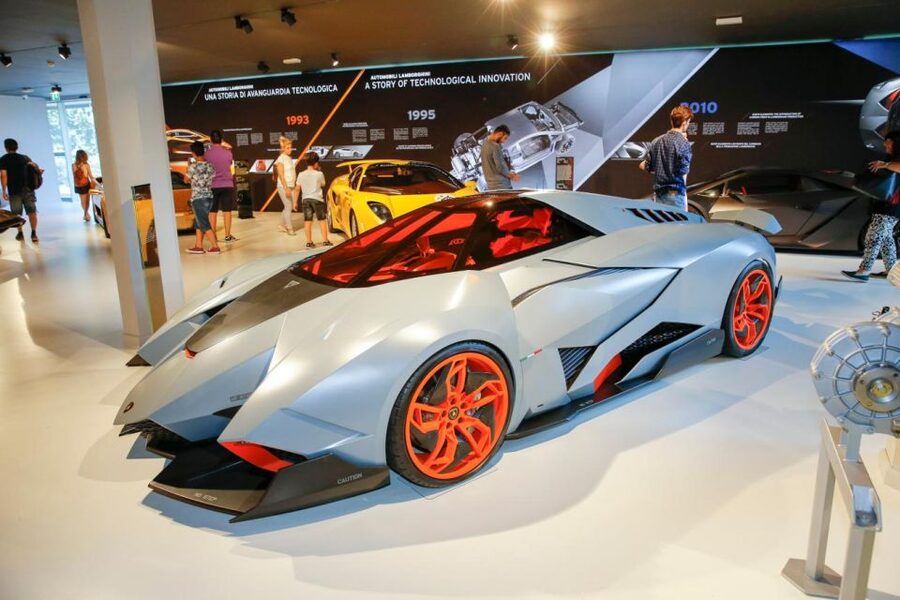
The final part of the story reaches Lamborghini’s hybrid technology. The Siàn and Countach LPI 800-4 show how the company is trying to carry its dramatic design and high-performance image into a new technical era.
This is a useful ending because it prevents the museum from becoming only a tribute to the past. You begin with Ferruccio Lamborghini’s first ideas, pass through the Miura and Countach, and finish with cars that point toward a different automotive future.
The hybrid models also let you compare two kinds of Lamborghini drama. The classics rely on shape, proportion, and reputation. The newer cars add advanced technology and rare production status. Seeing both together makes the company’s development easier to understand.
You do not need to be an expert in hybrid systems to enjoy this section. The basic point is clear: Lamborghini is keeping its visual identity while adapting its engineering for a changing car industry.
How long should you spend inside?
The official ticket is valid for one day, but the museum is best treated as a focused stop rather than an all-day attraction. Plan for about an hour if you want to see the main collection carefully.
That short visit can work well in a busy Emilia-Romagna itinerary. You can fit the museum between other stops without giving up half a day. It is also a sensible option for families, since the cars offer an immediate visual draw even for people who do not follow automotive history closely.
If you are a serious Lamborghini fan, you may want longer. Take time with the classic models, compare the shapes of the older and newer cars, and read whatever background material is available around the displays. One visitor wished for more video content and a fuller biography of Ferruccio, so anyone seeking a detailed museum narrative should keep expectations measured.
The museum’s compact size is both its strength and its weakness. You can see the collection without fatigue, but you may wish for more cars, more film, or more explanation before leaving.
What the $20 ticket includes
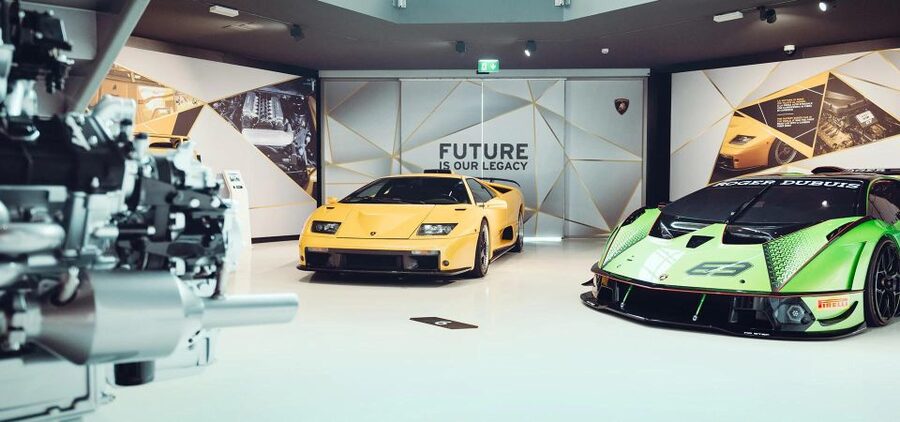
At $20 per person, the ticket is reasonably priced for a specialist museum built around famous cars. A single visit gives you access to the Lamborghini collection, including classics, modern supercars, rare few-offs, and hybrid models.
The ticket does not include the Lamborghini Factory Tour. This distinction matters. If your main goal is to see how the cars are built or to enter production areas, museum admission alone will not provide that experience.
For casual fans, the ticket offers a straightforward way to see the brand’s best-known cars without paying for a broader package. For devoted fans, the price is easier to defend because of the Miura, Countach, and rare models.
I would think of the ticket as good value for a targeted visit, not as a full-day bargain. The museum may keep you occupied for about an hour, and its display is not described as a large hall packed with cars. You are paying for access to important Lamborghini examples, not sheer volume.
Who will enjoy this museum most?
This visit suits you best if you fall into one of these groups:
- Classic-car fans who want to see the Miura and Countach.
- Lamborghini enthusiasts interested in rare cars such as the Veneno and Sesto Elemento.
- Families with older children who want a clear, visually exciting museum stop.
- Visitors interested in design who enjoy comparing Lamborghini’s changing shapes.
- People planning an Emilia-Romagna car itinerary and looking for a short museum visit.
Children aged 6 to 18 must be accompanied by an adult family member, and unaccompanied minors are not allowed. That rule is simple, but it is worth checking before booking if a young person would be arriving separately.
The museum is wheelchair accessible, which makes it a practical choice for many visitors who need step-free access. The supplied information does not detail every facility inside, so you should confirm any specific access needs before arrival.
Booking flexibility and timing
You can reserve now and pay later, which helps if your Bologna plans are still shifting. The ticket is valid for one day, and you should check availability for the starting times offered on your chosen date.
Free cancellation is available up to 24 hours in advance for a full refund. That gives you useful protection if weather, transport, or a change in your wider Emilia-Romagna plans affects the day.
Since no guide is included, you should expect to explore independently. This suits you if you prefer to pause at the cars that interest you and move quickly through the models that do not. It is less suitable if you want a specialist guide explaining every engineering detail.
What is missing from the experience?
The biggest limitation is the museum’s size. One hour may be enough for a satisfying visit, but the collection may feel brief if you have traveled a long way solely for Lamborghini.
The display could also use more interpretation for some visitors. A stronger biography of Ferruccio Lamborghini and more video material would help explain the people and decisions behind the cars. Without that extra context, part of the experience depends on your own interest in the models.
The factory tour is another important omission. The museum lets you see the finished products and follow the company’s broad story, but it does not provide the behind-the-scenes production experience that some car fans expect.
Still, these drawbacks are easy to weigh against the price and the quality of the featured cars. You should not book this expecting a giant transport museum or a factory workshop. Book it for a concentrated look at Lamborghini’s most important designs.
Should you book the Lamborghini Museum?
I would book this $20 ticket if the Miura, Countach, modern Lamborghini supercars, or rare few-off models are high on your list. The combination of classic design, current performance cars, and hybrid models gives the visit a clear beginning, middle, and future.
I would skip it only if you need a large museum, a guided technical explanation, or a factory tour. For everyone else, it is a compact and worthwhile stop, especially when you want to see the cars in person rather than through a screen.
Allow about an hour, focus on the Miura and Countach, make time for the Centenario, Sesto Elemento, and Veneno, and finish with the Siàn and Countach LPI 800-4. That approach gives you the strongest sense of Lamborghini’s past and direction without expecting more than the ticket provides.
FAQ
How much does the Lamborghini Museum ticket cost?
The entrance ticket costs $20 per person.
How long is the ticket valid?
The ticket is valid for one day. Check availability to see the starting times offered for your chosen date.
What does the ticket include?
It includes entrance to the Lamborghini Cars Museum.
Does the ticket include the Lamborghini Factory Tour?
No. The Lamborghini Factory Tour is not included.
Can I cancel the booking?
Yes. You can cancel up to 24 hours in advance for a full refund.
Can I reserve now and pay later?
Yes. You can reserve your place and pay later.
Are children allowed to visit alone?
No. Unaccompanied minors are not allowed. Anyone aged 6 to 18 must be accompanied by an adult family member.
Fresh on the Italy list
- Rome: Guided Catacombs Tour & Capuchin Crypt (Audio Guide)★ 4.3 · 191 reviews
- Guided tour of the Colosseum, Roman Forum and Palatine in Spanish★ 4.5 · 191 reviews
- Bolgheri: Winery Tour with Wine Tasting★ 4.7 · 191 reviews
- Stories of Pompeii: Small Group tour with archeology expert guide★ 5.0 · 191 reviews
- Palinuro: Costa del Mito Boat Tour★ 4.9 · 191 reviews
- From Palau/La Maddalena: All inclusive Yacht Tour★ 4.8 · 191 reviews
- Small-Group Cooking Class in Positano: Gnocchi, Tiramisù & Drinks★ 5.0 · 191 reviews
- Semi Private Deep Wine Chianti and San Gimignano from Florence★ 5.0 · 191 reviews
Museums, compared.
Vatican: Museums & Sistine Chapel Entrance Ticket
Read our review →
Vatican Museums & Sistine Chapel Tour with Optional Basilica
Read our review →
Vatican Museums, Sistine Chapel & St Peter’s Basilica Guided Tour
Read our review →
Skip-The-Line Uffizi Gallery Timed Entry Ticket
Read our review →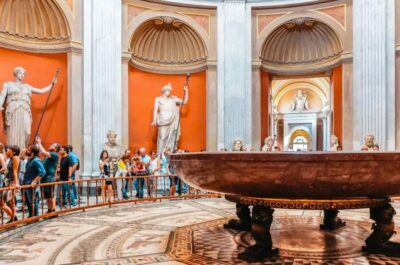
Vatican Museums, Sistine Chapel & Basilica Tour
Read our review →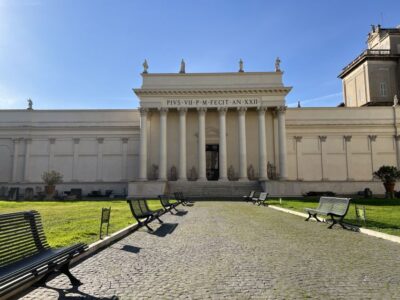
Vatican Museums & Sistine Chapel Skip-the-Line Entry Ticket
Read our review →Vatican Museums, Sistine Chapel & Basilica Tour
Read our review →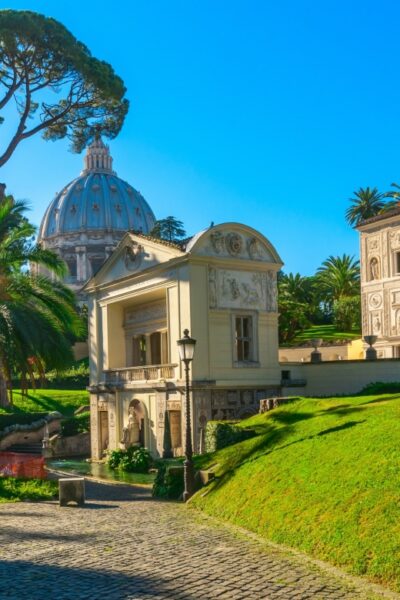
Vatican Museums & Sistine Chapel Guided Tour
Read our review →Browse the lists this tour appears in