
Reviewed · MILAN TOURS
Milan: Last Supper and Sforza Castle Guided Tour
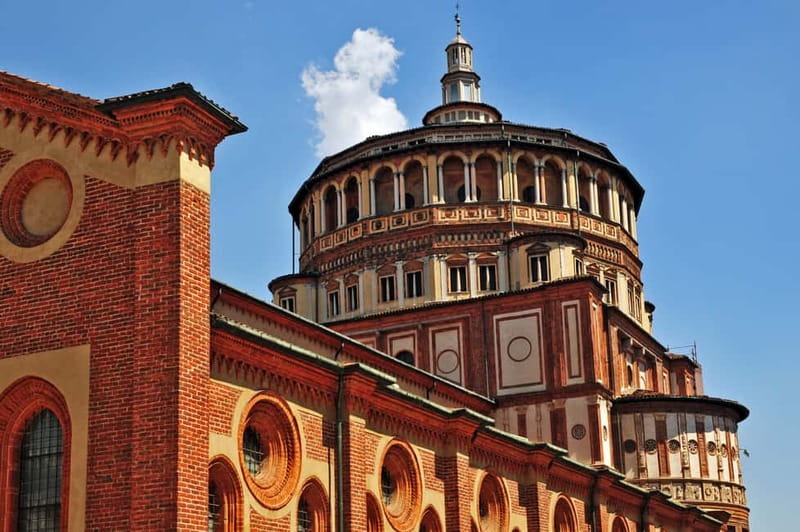
The real prize here is Leonardo da Vinci’s Last Supper, seen inside the refectory of Santa Maria delle Grazie with a guide who can explain what your eyes might miss. The timed visit lasts only 15 minutes, but that is enough for a careful look, several photographs, and a clear explanation of the painting’s fragile condition.
I like two things especially: the skip-the-line entry, which matters when museum tickets sell out well ahead, and the walk to Sforza Castle, which gives the famous mural a wider Milanese setting. Guides such as Sara, Silvana, Maura, and Gabriella have been praised for making art, architecture, and city history easy to follow.
The main consideration is the price, $112.15 per person, for a two-hour experience. You are paying a premium for a hard-to-get Last Supper ticket and a live guide, not for food, transport, or a full castle museum visit. The castle portion is chiefly an outdoor guided walk.
Key points to know before booking
- The Last Supper visit is limited to 15 minutes, so arrive ready to look closely and listen.
- Skip-the-line access is the tour’s biggest practical advantage, especially when regular tickets are sold out.
- The guide explains Leonardo’s methods, gestures, perspective, and Milanese context, rather than simply pointing at the mural.
- Sforza Castle adds a second period of Milanese history, from Visconti fortress to Sforza ducal residence and military citadel.
- The tour is in English and uses headsets, though one report noted that reception could be weak when standing far from the guide.
- You must provide every traveler’s name and bring a passport or identity card for entry.
Why the Last Supper ticket matters so much
Milan is not short on grand sights, but the Last Supper is the one that demands planning. Entry is controlled, timed, and limited. Regular museum tickets can disappear well before your visit, making this kind of guided booking useful if your dates are close or your Milan schedule is firm.
The tour begins at Piazza di Santa Maria delle Grazie, 2. Meet outside the museum entrance, at the only door in the square with flags above it. Your guide carries a GetYourGuide sign, which helps in a busy square where several doors and church entrances can cause confusion.
Bring your passport or identity card. The museum requires the names of every person in the booking, and an incorrect or incomplete list can result in denied entry. This is not the sort of attraction where you can casually swap names at the last minute.
Large bags and luggage are not allowed. Pack lightly, with only what you need for the visit. This rule is easy to overlook if you are arriving with suitcases between hotels or trains, so plan to leave them elsewhere before meeting the guide.
A few other Milan mornings to weigh against this
- Milan: Da Vinci’s Last Supper Guided Tour
★ 4.7 · 10,143 reviews - Milan: City Sightseeing Hop-On Hop-Off Bus with Audio Guide
★ 4.0 · 6,256 reviews - Milan: Guided Walking Tour & Last Supper Visit with Ticket
★ 4.7 · 5,409 reviews
Entering Santa Maria delle Grazie and the refectory
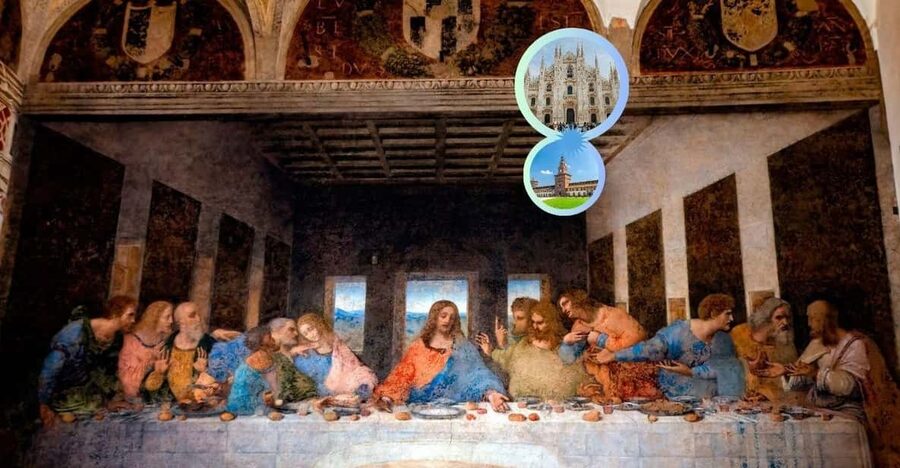
The Last Supper is painted on the wall of the former dining hall, or refectory, at Santa Maria delle Grazie. Leonardo worked on it between 1494 and 1498, creating a scene that has become one of the most studied images in Western art.
You do not simply walk in and wander around at your own pace. Groups enter at set times, and each group receives 15 minutes in the room. That may sound brief, but the time limit protects the mural and keeps the room from filling with people.
I recommend using the first minute to take in the whole composition. Leonardo arranged Christ at the center, with the apostles reacting in groups around him. After that, look at individual hands, faces, and gestures. The drama comes less from grand movement than from the way each figure responds to Christ’s announcement.
Your guide helps you read this arrangement. The explanation covers the painting’s subject, the expressive gestures of Christ and the apostles, Leonardo’s use of perspective, and the techniques that made the work unusual in its day. This is where the tour earns its keep. A quick unaided look can leave you admiring a famous wall without understanding how it works.
You can take photographs during the allotted visit, and the short session still gives you time to make several attempts. Keep your attention on the original, though. The mural has suffered greatly over the centuries, and its surface is more delicate than the word masterpiece might suggest.
The Last Supper is a painting on dry plaster rather than a traditional fresco painted into wet plaster. That choice allowed Leonardo more time to work and experiment, but it also made the image especially vulnerable. A guide’s explanation of this decision gives you a better sense of why the work has required so much care.
What the guide adds to Leonardo’s painting
The strongest part of this experience is the quality of the explanation. The guides assigned to different departures vary, but several names connected with highly praised tours include Sara, Silvana, Maura, and Gabriella. They have been described as art historians, archaeologists, or guides with advanced art history training.
That background matters because the Last Supper is full of details that can disappear in a general city tour. A good guide can connect the figures’ gestures with the scene’s emotional tension, explain Leonardo’s perspective, and place the commission within Milan under the Sforza family.
The most useful explanations do not stop at identifying Jesus and the apostles. They show you how Leonardo organized the room, how the lines of the painted architecture guide your eye, and how the figures’ reactions create a sense of movement around the still central figure of Christ.
Guides also bring different strengths. Sara is repeatedly praised for combining archaeology, Milanese history, and humor. Silvana is described as strong on both the painting and the city. Maura is noted for offering plenty of extra information and time for questions, while Gabriella is praised for linking the Last Supper with Milan’s major landmarks and cultural life.
You should not expect the exact same personality or route on every departure. That is normal for a tour with several guides. The shared advantage is having someone interpret the painting in real time instead of leaving you with a wall label and a crowded viewing slot.
Headsets are included. They help you hear while standing in a group, though keep close enough to the guide for the receiver to work well. One account noted poor reception when the listener moved too far away. That is a small issue, but it can matter if you drift toward the back of the group.
Walking from the mural to Sforza Castle
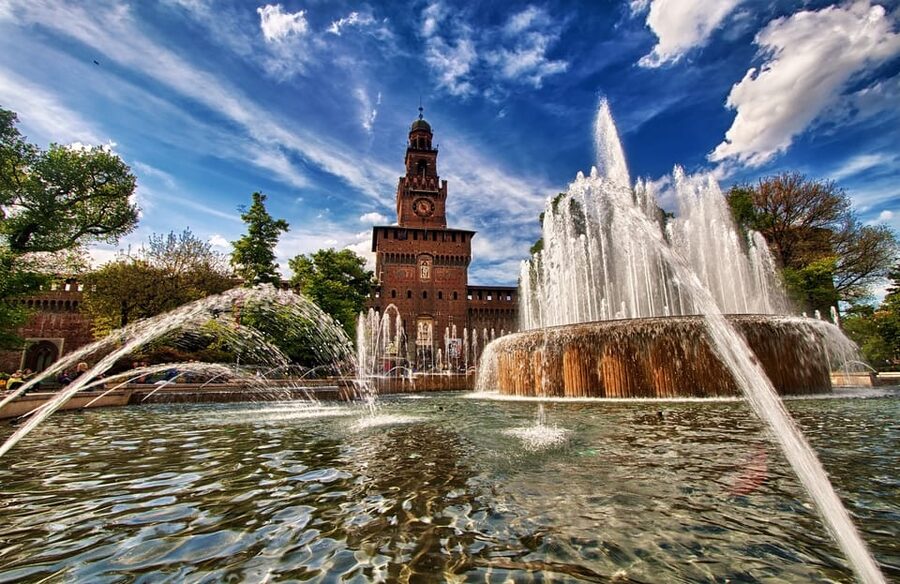
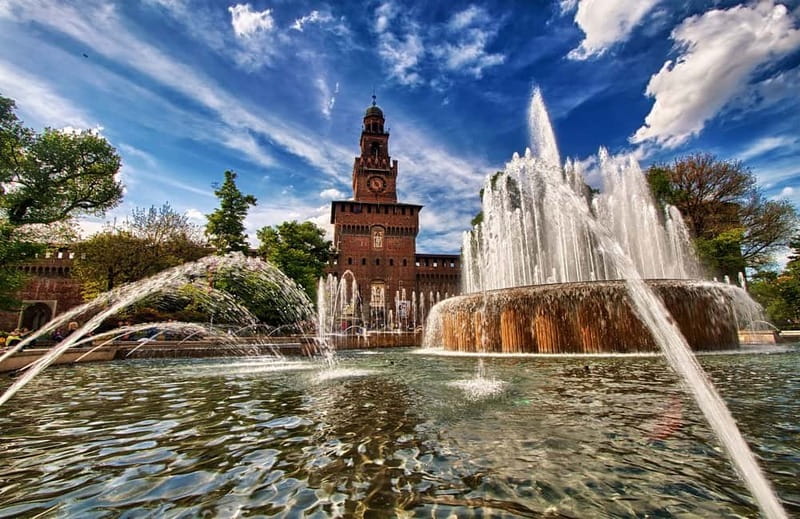
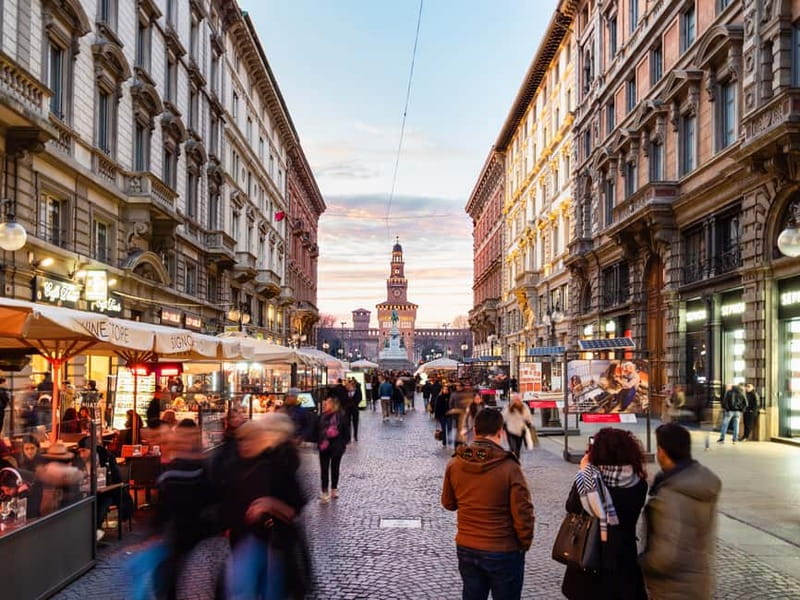
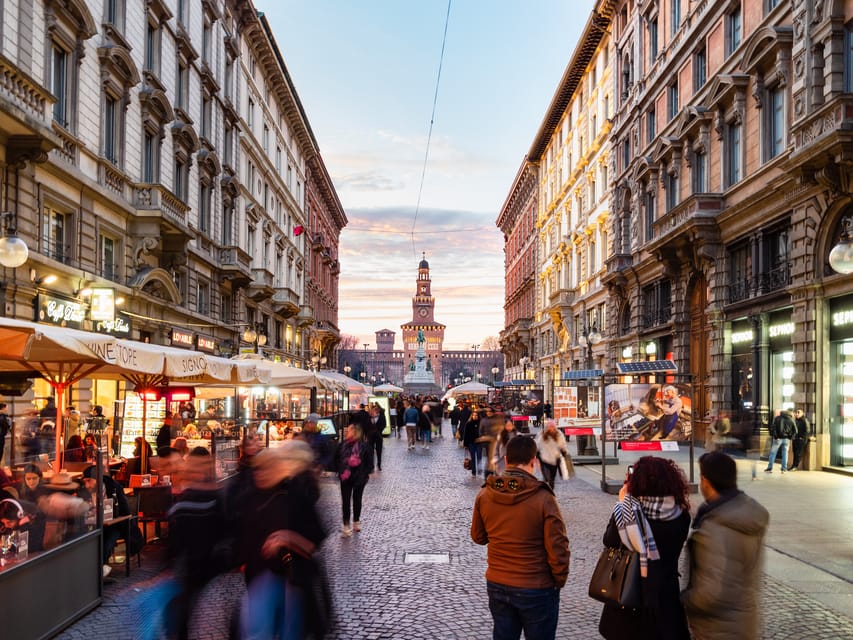
After Santa Maria delle Grazie, the tour continues on foot toward Sforza Castle. The walk changes the pace from a tightly managed museum visit to a city experience. You get to see Milan as a place shaped by rulers, fortifications, art, and changing political power.
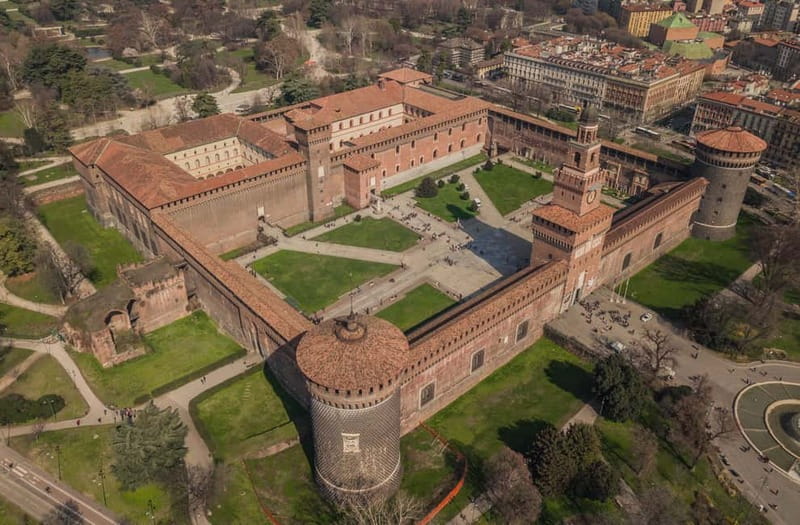
The castle was built in the 15th century by Francesco Sforza on the ruins of an earlier Visconti fortress. It became a ducal residence and a public symbol of the Sforza dynasty. Later, it served as a military citadel and went through repeated renovations.
That sequence is important. Sforza Castle is not just an attractive brick fortress. It reflects Milan’s shift from Visconti rule to Sforza power, then from courtly residence to military stronghold. The guide’s job is to help you see those changes in the walls and courtyards rather than treating the castle as a single frozen monument.
The tour finishes at Castello Sforzesco according to the stated route. The castle portion is described as a guided walk, so do not book this experience expecting a detailed visit to every museum collection inside the complex. The value lies in the outside architecture, the story of the fortress, and the connection between Milan’s ruling families and Leonardo’s time in the city.
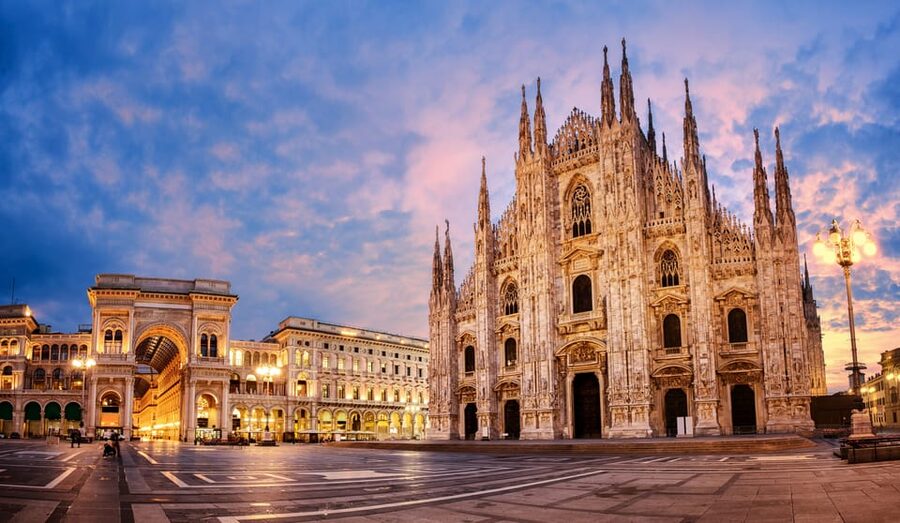
Some guided departures have included a longer Milan walk with additional landmarks, but the dependable structure here is Santa Maria delle Grazie followed by Sforza Castle. If reaching the Duomo or La Scala is essential to your plan, check the exact departure details rather than assuming those sights are included.
Same city, an entirely different afternoon:
- Milan: Cathedral and Duomo’s Terraces Entrance Ticket
★ 4.6 · 61,054 reviews - Milan Cathedral: Duomo Terraces Ticket (No Church Access)
★ 4.6 · 6,111 reviews - Milan: Milan Cathedral Direct Entrance – Terrace Excluded
★ 4.5 · 5,782 reviews - Milan: Fast-Track Milan Cathedral and Terraces Guided Tour
★ 4.7 · 5,240 reviews
Two hours, or possibly longer in practice
The advertised duration is two hours, with starting times varying by date. That makes this a useful morning or afternoon anchor in a Milan itinerary. You can place it between other plans, but leave yourself breathing room for meeting the guide and walking between the two sites.
A few accounts describe tours that lasted closer to three hours or included a broader city walk. That may reflect a particular guide, traffic, questions, or an expanded route. Treat two hours as the planning figure, then allow extra time if you prefer not to rush into your next reservation.
The walking itself is not the whole tour, but it shapes the experience. Wear comfortable shoes, especially if you want to continue exploring after the castle. The tour is wheelchair accessible, though the exact ease of the route can depend on street conditions and the group’s pace.
Rain does not necessarily stop the tour. One departure continued successfully in wet weather, with the guide adjusting the route because of construction. Still, Milan’s weather can affect how pleasant the outdoor portion feels, so bring suitable clothing when the forecast is uncertain.
Is $112.15 a fair price?
At $112.15 per person, this is not a budget sightseeing outing. The price makes more sense if you place a high value on seeing the Last Supper and could not obtain a museum ticket independently.
You are paying for three useful things: a guaranteed timed entry when availability is tight, a professional English-speaking guide, and a short history walk to Sforza Castle. Headsets are included, and the guide can make the 15-minute museum slot far more meaningful.
The value is weaker if you already have a Last Supper ticket, speak confidently about Renaissance art, or mainly want to explore Sforza Castle’s interior museums on your own. In that case, the guided package may cover ground you would rather visit independently.
I would think of the price as an access fee with interpretation attached. The ticket is the hard part. The guide and castle walk turn that scarce booking into a compact introduction to Milan’s Renaissance center.
Who will get the most from this tour?
This tour suits a first visit to Milan, especially if you want a clear orientation without spending half a day on a large group excursion. It is also a strong choice for anyone booking late, when the official Last Supper museum website has no remaining tickets.
Art lovers will appreciate the focused explanation of Leonardo’s technique and composition. History-minded visitors will like the connection between Leonardo, the Sforza court, the Visconti fortress, and Milan’s changing political role.
Families can book children under two without a Last Supper ticket, but young children must be in a stroller or held by an adult inside the museum. The 15-minute limit helps keep the visit short, though the walking and listening afterward may suit older children better.
This is less suitable for visitors who dislike scheduled entry, group pacing, or outdoor walking. It is also not the right choice if you need to carry luggage or large bags during the visit.
Small practical details that make a big difference
Use the full 15 minutes inside the refectory. Take your first photograph early, then put the camera down for a moment and study the whole wall. The guide’s explanation will make more sense once you have first formed your own impression.
Stay near the guide when using the headset. If you fall far behind, the audio may become unclear, and you may miss the small details that make the explanation useful.
Enter every traveler’s name exactly as required at booking. Carry the same identity document used for the reservation. This is a strict museum-entry rule, not a minor suggestion.
Keep your day flexible after the tour. The stated schedule is two hours, but some guides may spend longer answering questions or extending the city walk. Free cancellation up to 24 hours before the experience and the reserve-now-pay-later option also help if your Milan plans are still shifting.
Should you book the Last Supper and Sforza Castle tour?
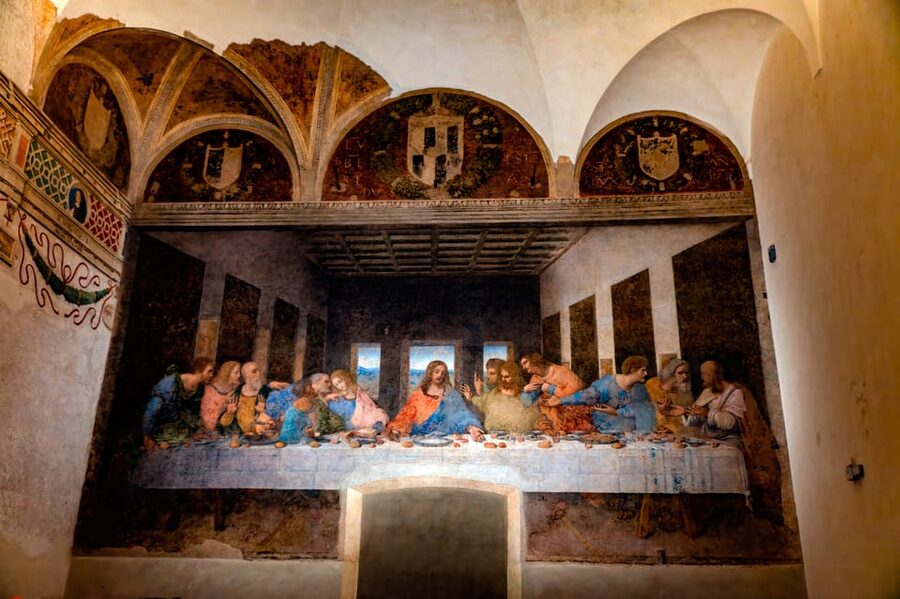
I would book it if seeing Leonardo’s mural is a priority and independent tickets are gone. The short viewing window is handled well, and a strong guide can turn a famous image into an understandable work of art rather than a quick photograph.
The Sforza Castle walk is a useful second act, but it should not be mistaken for a full castle museum tour. Book this for access, explanation, and a compact introduction to Milan’s Renaissance story.
Skip it if the $112.15 price feels high for a two-hour outing, if you already have Last Supper admission, or if you want a long, unhurried visit inside the castle. For everyone else, especially first-time visitors and late planners, it offers a practical way to secure Milan’s most difficult cultural ticket and make the most of it.
FAQ
Where does the tour start?
Meet outside the museum entrance at Piazza di Santa Maria delle Grazie, 2. It is the only door in the square with flags above it, and the guide carries a GetYourGuide sign.
Where does the tour finish?
The stated route finishes at Castello Sforzesco, or Sforza Castle.
How long does the tour last?
The listed duration is two hours. Starting times vary, so check availability for your chosen date.
What language is the tour in?
The live guided tour is conducted in English.
Is entry to the Last Supper included?
Yes. The package includes a skip-the-line ticket to Leonardo da Vinci’s Last Supper.
How long can I stay inside the Last Supper room?
All visitors are allowed 15 minutes inside the room where the Last Supper is displayed.
Do I need identification?
Yes. Bring a passport or identity card. You must also enter the names of every traveler, or the museum may deny entry.
Can I bring luggage or a large bag?
No. Luggage and large bags are not allowed.
Are children under two required to have a ticket?
Children up to two years old do not need a Last Supper ticket. They must be taken into the museum in a stroller or held by an adult.
Is the tour wheelchair accessible?
Yes, the activity is listed as wheelchair accessible.
Fresh on the Milan list
- Milan: San Sepolcro Crypt Skip-the-Line Entry Ticket★ 4.2 · 512 reviews
- Milan: Sunset Navigli Food & Drinks Tour by Do Eat Better★ 4.5 · 517 reviews
- Milan Duomo Cathedral and Rooftop Terrace Guided Tour★ 4.8 · 531 reviews
- Small-Group Lake Como – Bellagio, Varenna & Hidden Waterfall★ 5.0 · 541 reviews
- Milan: Leonardo’s Last Supper and Michelangelo’s Pietà Tour★ 4.6 · 559 reviews
- From Milan: Cinque Terre Guided Full-Day Trip With Cruise★ 4.0 · 559 reviews
- Milan: Skip-the-Line Guided Walk and “The Last Supper”★ 4.5 · 606 reviews
- Milan: The Last Supper & Sforza Castle Guided Tour★ 4.6 · 610 reviews
Milan Tours, compared.
Cathedral and Duomo’s Terraces Entrance Ticket
Read our review →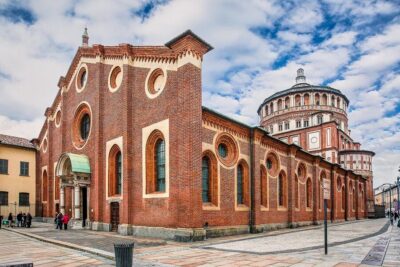
City Sightseeing Hop-On Hop-Off Bus with Audio Guide
Read our review →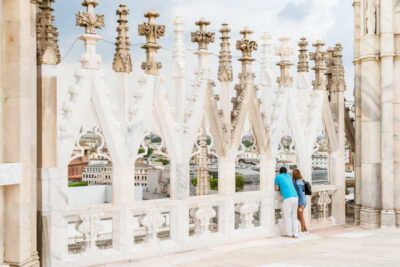
Milan Cathedral: Duomo Terraces Ticket (No Church Access)
Read our review →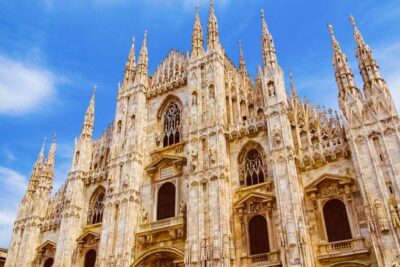
Milan Cathedral Direct Entrance – Terrace Excluded
Read our review →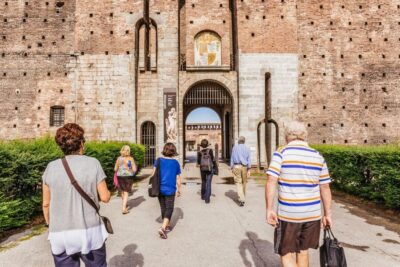
Guided Walking Tour & Last Supper Visit with Ticket
Read our review →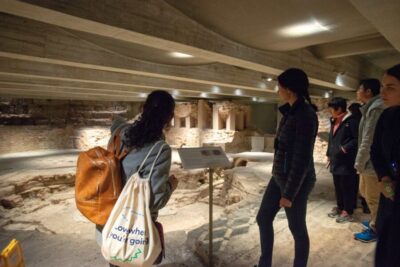
Fast-Track Milan Cathedral and Terraces Guided Tour
Read our review →
Browse the lists this tour appears in