
Reviewed · MUSEUMS
Milan: Entrance Ticket to La Scala Theatre Museum
La Scala is more than a famous opera name. It is a working theatre with a grand auditorium, a long list of celebrated performers, and a museum that explains how productions come together. The best part is the chance to look into the theatre itself, sometimes while a rehearsal is underway.
I like the mix of visual history and practical theatre detail. Costumes, set designs, instruments, old posters, portraits, and video displays give you plenty to see beyond a single impressive room. I also like the location, just steps from Milan Cathedral and the Galleria Vittorio Emanuele II.
The main catch is that your view of the auditorium can depend on the day. A rehearsal or theatre setup may limit access to the main seating area, so check the theatre visibility notice before you go. Large bags must also be left in the cloakroom.
Key points about visiting La Scala
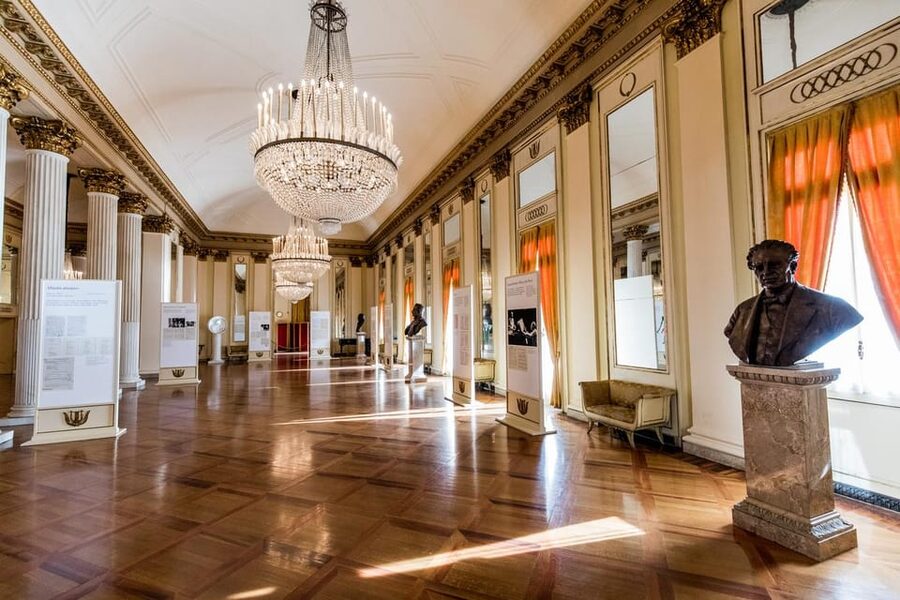
- The auditorium view is the main prize: Check ahead to see if the theatre lights will be on and how much of the interior will be visible.
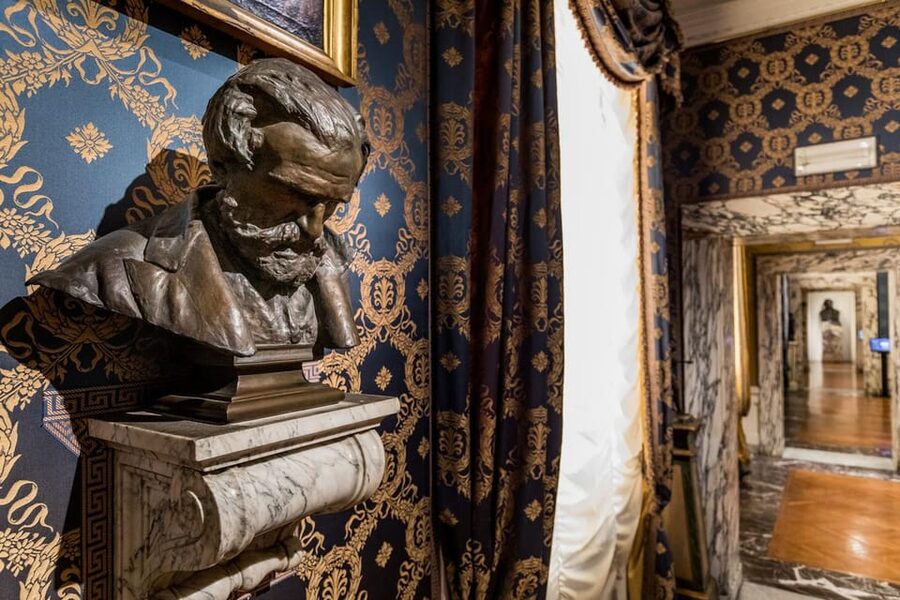
- The museum goes beyond costumes: You will find set designs, musical instruments, portraits, busts, posters, and video material.
- A useful stop beside Milan Cathedral: La Scala fits neatly into a central Milan sightseeing day.
- The audio guide is included: Download the app at the museum in one of seven languages.
- Rehearsals can add a special glimpse: You might see ballet or opera work in progress, though rehearsals can also restrict access.
- Plan around the cloakroom: Large bags and backpacks are not allowed inside the museum galleries.
Why La Scala is worth your time in Milan
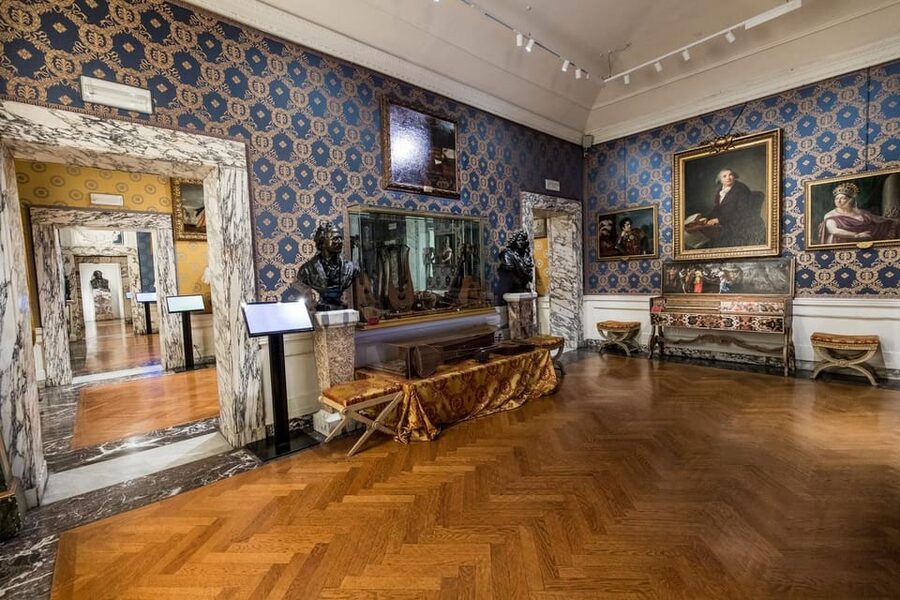
La Scala has the kind of name that can feel larger than the visit itself. You may arrive expecting only a quick look at a famous opera house, but the museum adds useful context. It shows you the people, objects, and production work behind performances associated with Giuseppe Verdi, Gioachino Rossini, Luciano Pavarotti, and Maria Callas.
The visit works best if you have even a passing interest in music, theatre, design, or Milanese culture. You do not need to know opera beforehand. The displays help explain why La Scala matters, while the auditorium gives you the visual moment that most people come for.
At $17 per person, this is not an all-day attraction. It is a focused cultural stop, usually best paired with other sights in central Milan. The value depends heavily on the theatre view. If you get a clear look into the auditorium, the ticket feels well judged. If access is limited to a higher section or partial view, the museum needs to carry more of the visit, and it helps to know that before booking.
More Museums in Milan
- Official San Siro Stadium and Museum Guided Tour
★ 4.4 · 3,573 reviews - Milan: Leonardo3 The World of Leonardo Museum Entry Ticket
★ 4.4 · 3,241 reviews - Milan: La Scala Theater & Museum Guided Experience
★ 4.1 · 2,931 reviews
Entering the theatre beside Milan Cathedral
La Scala is easy to add to a walking route through central Milan. The theatre and museum are only steps from the Duomo and the Galleria Vittorio Emanuele II, so you can visit before or after the cathedral, shopping arcade, or nearby city sights.
The entrance experience is fairly direct, and the ticket includes skip-the-ticket-line access. Still, pay attention at the door. One visitor found the instructions about how to use the skip-the-line arrangement unclear, so it is sensible to show your ticket to staff and ask where ticket holders should go rather than simply joining the first queue you see.
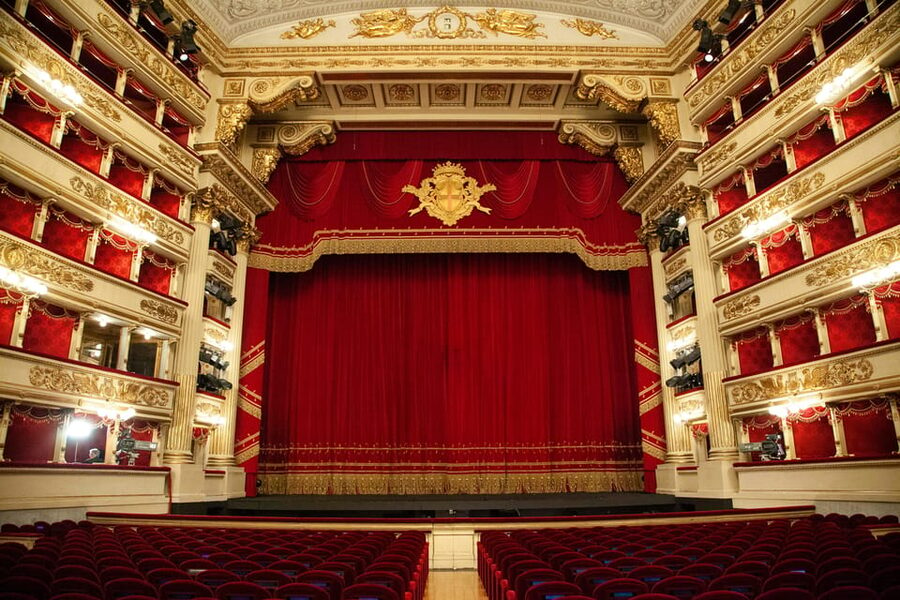
Once inside, the building’s formal interior gives you an immediate sense of La Scala’s role in Milan. This is not a modern museum fitted into a plain gallery. The theatre itself is part of the attraction, and the design helps you understand why an evening here has long been treated as a major social and artistic event.
The museum is wheelchair and stroller accessible. Large bags and backpacks must go into the cloakroom, so arrive with only what you need. That rule matters if La Scala is one stop in a full day of sightseeing and you are carrying shopping bags or a large daypack.
The auditorium view is the part to plan carefully
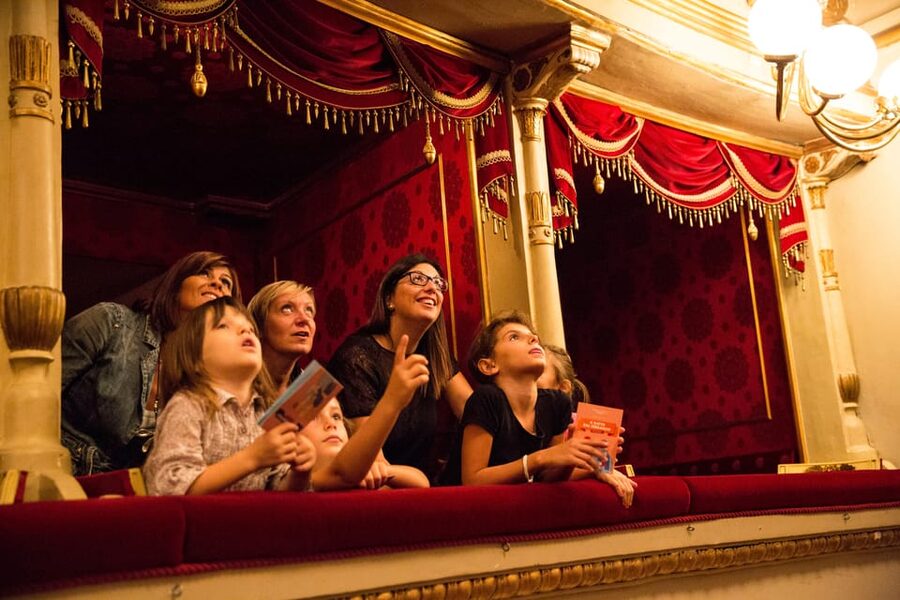
The museum visit can include a view into La Scala’s auditorium, but access is not identical every day. Theatre activity, rehearsals, and lighting conditions can affect what you see.
Before setting out, check the theatre visibility information on the museum’s website. The notice tells you if the lights are on, which matters because a dark auditorium can turn the visit into a partial glimpse rather than the clear interior view most people hope for.
The boxes and upper seating areas are especially important. A clear view from one of the boxes can make the $17 ticket feel like excellent value. If you can see the auditorium properly, take a moment to study its layout and decoration rather than rushing straight through. This is the visual heart of the visit.
A rehearsal can be a bonus. Visitors have encountered ballet rehearsals and other preparations, and watching performers work in the actual theatre gives you a sense of La Scala as a living venue rather than a preserved monument. Staff have been described as helpful and respectful during these moments.
The tradeoff is simple: a rehearsal may block access to the main part of the auditorium. In that case, you might see the interior through higher seats or another restricted viewpoint. That is still worthwhile, but it is not the same as getting a broad, well-lit look across the theatre.
For this reason, I would not treat the auditorium view as guaranteed in the same way as the museum exhibits. Think of it as the most exciting part of the visit, with conditions that can change.
What you see in the La Scala Theatre Museum
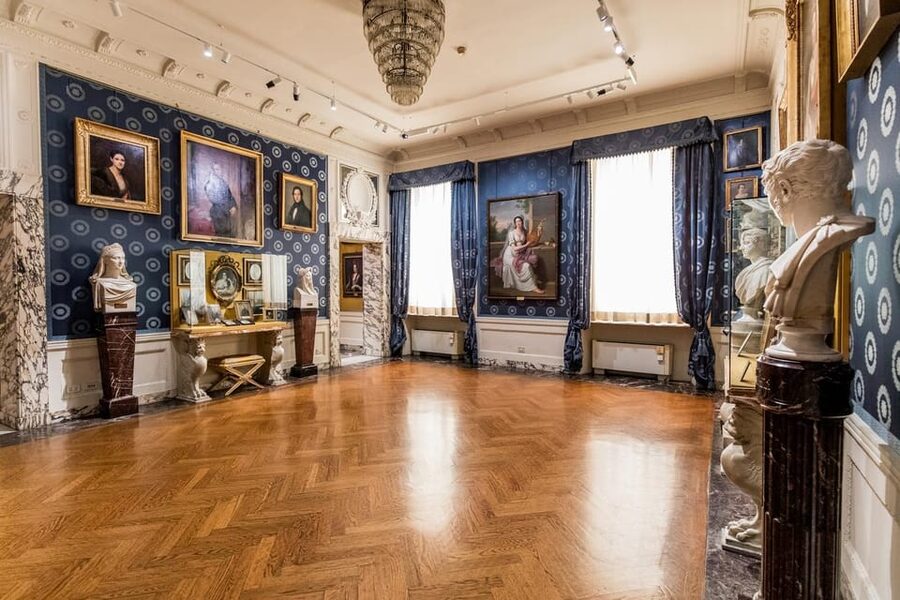
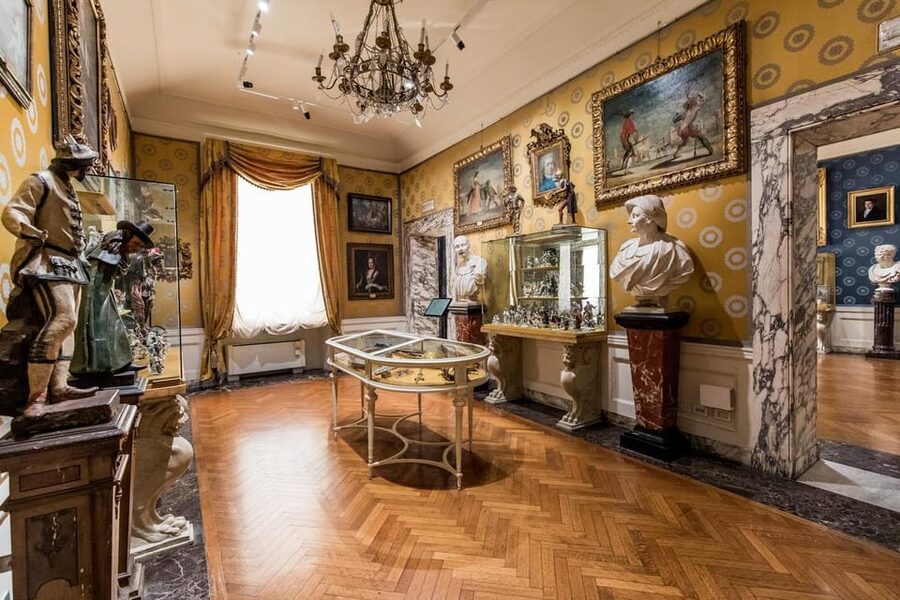
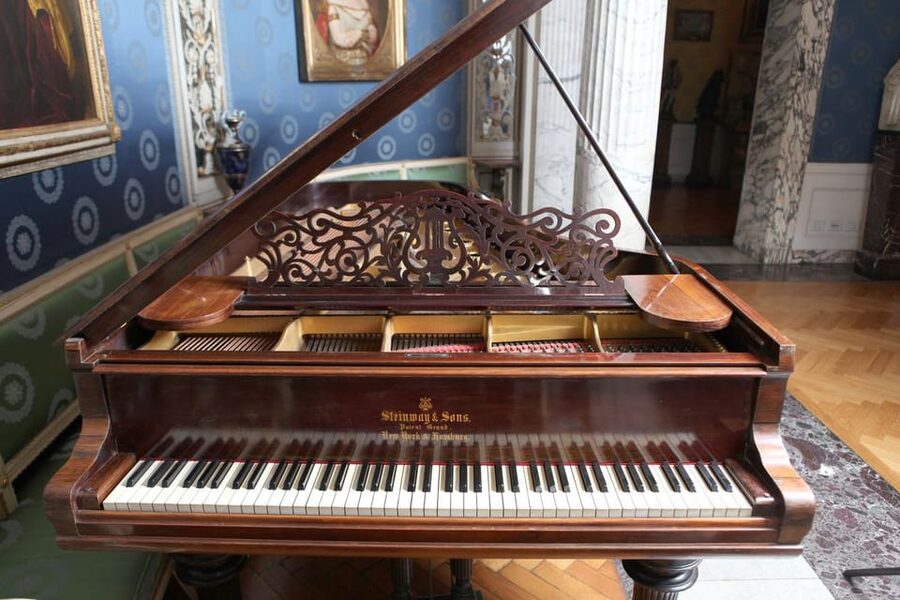
The museum gives you a look at the machinery of opera without requiring you to attend a performance. Costumes show the visual side of major productions. Set designs reveal how directors and designers imagined different worlds on stage. Musical instruments connect the theatre to the musicians who made those performances possible.
Old posters are especially useful because they turn the theatre’s past into a sequence of actual events. You can trace the changing styles of productions and see the names that helped shape La Scala’s public identity.
Portraits and busts honor the musicians and performers linked to the theatre. These displays can feel formal, but they help place the better-known names in a wider story. Verdi and Rossini are part of that story, as are Pavarotti and Callas. You are not just seeing famous faces. You are seeing the people through whom La Scala became an important stage for Italian and international opera.
Video and visual material help if you have never attended an opera. One visitor found the media displays useful because they suggested what it feels like to watch a full performance inside the auditorium. That is a real strength of the museum. A collection of costumes and portraits can seem static, while footage gives movement, sound, and performance energy to the objects around you.
The museum also covers La Scala’s early years and notable performances. The information is most valuable when you pause to connect the displays: the theatre’s design, the performers, the music, the costumes, and the audience all work together. You come away with a better idea of how much planning sits behind a single night on stage.
Same city, an entirely different afternoon:
- Milan: Cathedral and Duomo’s Terraces Entrance Ticket
★ 4.6 · 61,054 reviews - Milan: Da Vinci’s Last Supper Guided Tour
★ 4.7 · 10,143 reviews - Milan: City Sightseeing Hop-On Hop-Off Bus with Audio Guide
★ 4.0 · 6,256 reviews - Milan Cathedral: Duomo Terraces Ticket (No Church Access)
★ 4.6 · 6,111 reviews
An audio guide in seven languages
Your ticket includes access to an app audio guide, downloadable at the museum in seven languages. That makes the visit more flexible than a fixed guided tour. You can move at your own speed, stop for photographs where permitted, and spend longer with displays that interest you.
The guide is useful for giving names and background to objects that might otherwise pass without much meaning. If you know little about opera, it can help you understand why a costume, portrait, or instrument deserves attention.
The drawback is that an app guide depends on your phone and your willingness to listen as you walk. It does not replace a live guide who can respond to questions or adapt the explanation. One named staff member, Simona, received especially warm praise for her local-history knowledge and explanations, but this is a museum ticket rather than a guaranteed private tour with her.
I would download the app promptly once inside and bring headphones if you prefer not to hold your phone to your ear. The supplied information confirms the language choice, but not the exact length or format of each commentary, so treat it as a useful aid rather than a full guided lecture.
How long to allow and how to fit it into your day
The ticket is valid for one day, with the available starting times shown when you book. That gives you room to place La Scala around a cathedral visit or another central Milan stop.
The museum is not presented as a full-day attraction. I would plan it as a compact cultural visit, leaving enough time to look carefully at the displays and wait briefly if the theatre view is being managed around a rehearsal. The exact time needed will depend on how closely you follow the audio guide and how much you enjoy the visual collection.
Its location makes the timing easy. You can visit the Duomo in the morning, walk through the Galleria, and then come to La Scala without crossing the city. Or you can use the theatre as a quieter change of pace after the busy cathedral area.
The one-day validity is practical, but it does not mean you can freely enter at any time without checking availability. Starting times matter, so look at the schedule before you build the rest of your afternoon around the visit.
The $17 price and what you receive
The $17 admission includes the La Scala Theatre Museum, its exhibits, and the seven-language app audio guide. It also includes skip-the-ticket-line access, which can matter in a central Milan attraction where a few minutes saved helps keep your day on track.
The ticket is good value for three kinds of visitors. First, it suits people who want to see the inside of La Scala without buying a performance ticket. Second, it works for anyone interested in opera history, costume, or stage design. Third, it is a sensible choice for a central Milan itinerary because you can combine it with nearby sights.
The value is weaker if you are paying mainly for a guaranteed, unrestricted auditorium tour. That is not promised. Theatre lights, rehearsals, and access rules can change the view, and one visit may offer only a partial look from higher seats.
Free cancellation up to 24 hours before the visit and the reserve now, pay later option reduce the risk of fitting this into a changing itinerary. These terms are helpful, especially if you are still arranging cathedral entry times or other Milan bookings.
Who should book La Scala Museum
I would recommend this visit to:
- Anyone curious about opera but not ready to attend a full performance
- Music lovers who want to see objects linked to major Italian performers
- Visitors interested in costumes, theatre design, and stage production
- First-time visitors building a walking day around the Duomo
- Families who prefer a short indoor cultural stop, especially since the museum is stroller accessible
- People looking for a structured museum visit with an audio guide rather than a long live tour
It may be less satisfying if you want a broad behind-the-scenes tour of the theatre or a guaranteed view of every section of the auditorium. It is also not the right substitute for seeing an opera or ballet there. The museum can show you the setting and explain the tradition, but a performance remains a separate experience.
Practical advice before you go
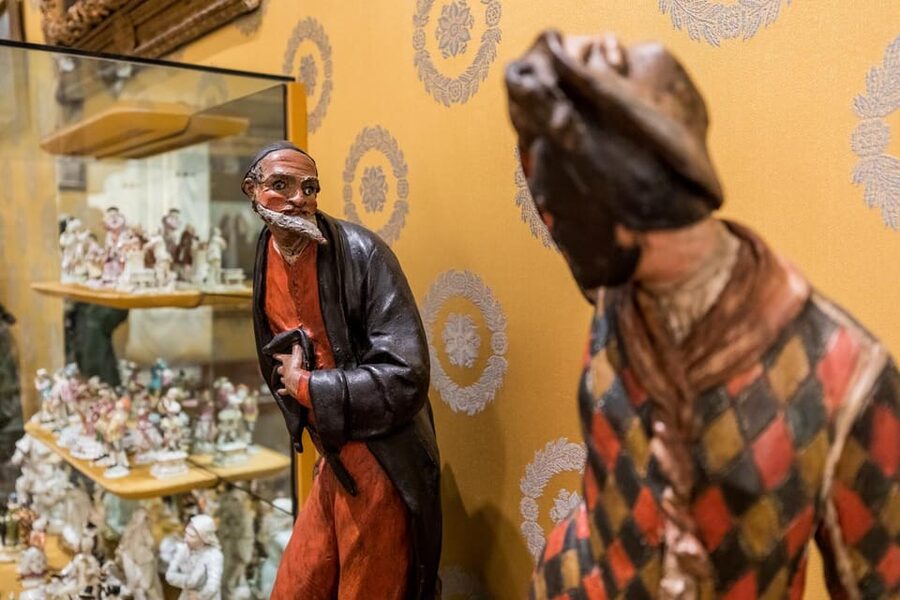
Check the theatre visibility page on the day you plan to visit. This is the single most useful tip because it tells you if the lights are on and helps set realistic expectations for the auditorium.
Keep your bag small. Large luggage and backpacks must be checked, and you do not want to arrive with a suitcase when the museum is meant to be a quick stop between central Milan sights.
Give staff a moment to explain the entrance procedure if the skip-the-line arrangement is not obvious. The ticket should help you avoid the standard ticket queue, but clear directions at the door are worth asking for.
If you see a rehearsal, be pleased, but understand that it may alter the route or limit access to the main theatre area. Follow staff instructions and take the available view rather than treating the restriction as a failure. You may gain a rare glimpse of the theatre in use.
Finally, allow time for both the museum and the auditorium. It is easy to hurry toward the famous interior and overlook the posters, instruments, costumes, portraits, and videos that explain what happens on stage.
Should you book the La Scala Theatre Museum ticket?
Book it if you want a reasonably priced look at one of Milan’s great cultural institutions and you are happy to treat the auditorium view as a highlight that depends on conditions. The museum gives you enough material to justify the stop, especially if you like music, performance, design, or local history.
Before paying, check theatre visibility and choose a time that fits your day. If the auditorium lights are on, the visit becomes an especially strong value. If access is restricted by rehearsal activity, you will still have a well-organized museum, but the experience will lean more toward exhibits than architecture.
For a first Milan visit, La Scala works best as part of a central walking route rather than as your only scheduled attraction. Pair it with the cathedral and Galleria, bring a small bag, use the audio guide, and you will get the most from this compact ticket.
FAQ
What does the La Scala Theatre Museum ticket include?
The ticket includes entrance to the La Scala Theatre Museum, access to its exhibits, and an app audio guide available in seven languages for download at the museum.
How much does admission cost?
The listed price is $17 per person.
How long is the ticket valid?
The ticket is valid for one day. You should check availability for the available starting times.
Can I see the main La Scala auditorium?
You may be able to look into the auditorium, but access and visibility can change. Check the museum’s theatre visibility information to see if the lights are on. Rehearsals may limit access to the main area.
Is La Scala Theatre Museum wheelchair accessible?
Yes. The theatre and museum are accessible to wheelchairs and strollers.
Can I bring luggage or a large backpack?
No. Large bags and luggage are not allowed in the museum galleries and must be checked in the cloakroom.
Fresh on the Milan list
- Milan: Last Supper and Sforza Castle Guided Tour★ 4.6 · 498 reviews
- Milan: San Sepolcro Crypt Skip-the-Line Entry Ticket★ 4.2 · 512 reviews
- Milan: Sunset Navigli Food & Drinks Tour by Do Eat Better★ 4.5 · 517 reviews
- Milan Duomo Cathedral and Rooftop Terrace Guided Tour★ 4.8 · 531 reviews
- Small-Group Lake Como – Bellagio, Varenna & Hidden Waterfall★ 5.0 · 541 reviews
- Milan: Leonardo’s Last Supper and Michelangelo’s Pietà Tour★ 4.6 · 559 reviews
- From Milan: Cinque Terre Guided Full-Day Trip With Cruise★ 4.0 · 559 reviews
- Milan: Skip-the-Line Guided Walk and “The Last Supper”★ 4.5 · 606 reviews
Museums, compared.
Vatican: Museums & Sistine Chapel Entrance Ticket
Read our review →
Vatican Museums & Sistine Chapel Tour with Optional Basilica
Read our review →
Vatican Museums, Sistine Chapel & St Peter’s Basilica Guided Tour
Read our review →
Skip-The-Line Uffizi Gallery Timed Entry Ticket
Read our review →
Vatican Museums, Sistine Chapel & Basilica Tour
Read our review →
Vatican Museums & Sistine Chapel Skip-the-Line Entry Ticket
Read our review →Vatican Museums, Sistine Chapel & Basilica Tour
Read our review →
Vatican Museums & Sistine Chapel Guided Tour
Read our review →Browse the lists this tour appears in