
Reviewed · MILAN TOURS
Milan: Da Vinci’s Last Supper Guided Tour
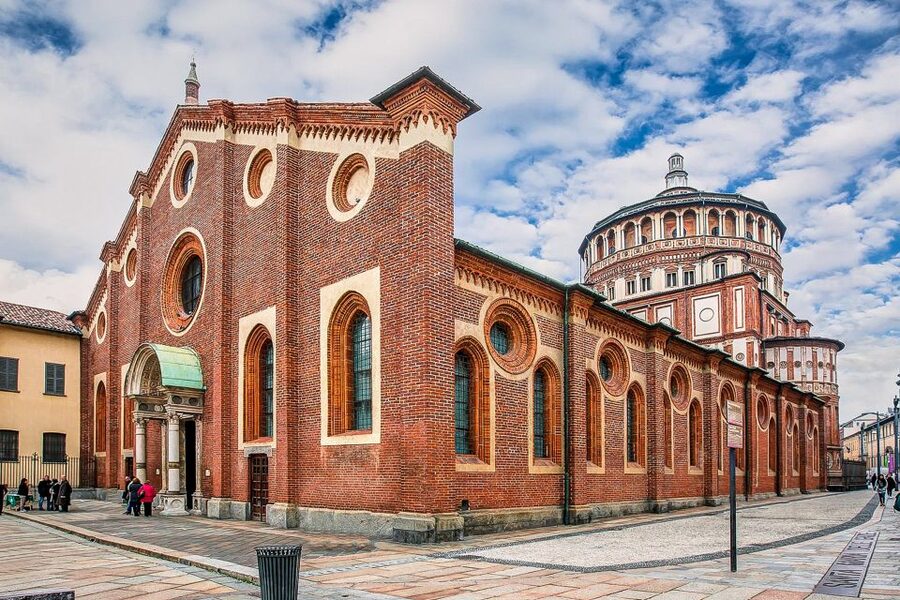
Leonardo’s Last Supper is not in a museum gallery. It covers a wall inside the former refectory of Santa Maria delle Grazie, an ancient Dominican monastery in Milan. This 15-minute viewing is brief but tightly controlled, giving you time to stand before one of the Renaissance’s most famous images without a noisy crowd pressing around you.
I like two things here: the guide turns a familiar picture into a scene full of human drama, and the audio headset helps you follow every word in the room. Guides such as Marco Antonio, Elisabetta, Serena, and Luciana have been praised for clear storytelling, humor, and strong command of Leonardo’s methods. The main drawback is the price, $75 per person, for a one-hour activity with only 15 minutes in front of the painting.
Key points to know before booking
- Only 15 minutes inside the refectory: The short viewing is strictly limited, so the guide must make every minute count.
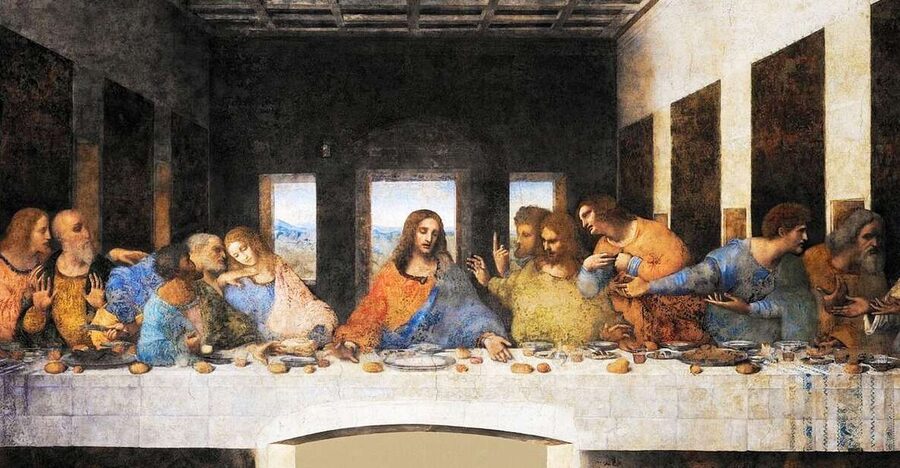
- A wall painting, not a portable canvas: You see the Last Supper in its original setting, inside the old monastery dining hall.
- Guide-led viewing adds real value: Expect explanations of perspective, composition, technique, Leonardo’s work for Ludovico Sforza, and the site’s past.
- English audio equipment is included: Headsets make it easier to hear the guide, even when the group is not tiny.
- Strict entry rules matter: Bring the passport or ID used for the booking, and leave food, drinks, large bags, backpacks, and flash photography behind.
- The church visit is not guaranteed: Religious events can affect access to Santa Maria delle Grazie itself.
Why the Last Supper feels different in its original room

The first thing to understand is that you are not simply going to see an image by Leonardo da Vinci. You are entering the room for which the image was made.
The Last Supper fills one end wall of the refectory, the dining hall used by the Dominican monks. That setting matters. The painting was designed as part of the room, not as an isolated artwork meant to be viewed under museum lights from every angle.
Santa Maria delle Grazie and the refectory were added to the UNESCO World Heritage list in 1980. The designation gives useful context, but the real reward is more direct: you can connect the famous scene with the monastery that housed it and understand why the work has such a powerful sense of place.
The experience also has a carefully managed rhythm. You meet outside, pass through the entry process, and move toward the refectory as doors open and close between sections. That gradual approach builds anticipation. It also explains why you cannot simply wander in, take a quick photograph, and linger as long as you like.
A few other Milan mornings to weigh against this
- Milan: City Sightseeing Hop-On Hop-Off Bus with Audio Guide
★ 4.0 · 6,256 reviews - Milan: Guided Walking Tour & Last Supper Visit with Ticket
★ 4.7 · 5,409 reviews - Milan: Fast-Track Milan Cathedral and Terraces Guided Tour
★ 4.7 · 5,240 reviews
Meeting your guide at Santa Maria delle Grazie
The meeting point is Piazza di Santa Maria delle Grazie, in front of the ticket office. Look for the guide and the tour sign. Clear directions and an easy-to-spot meeting point are especially useful here because your admission is tied to a timed entry.
I would arrive early rather than treat the start time casually. One person managed to join after arriving about a minute late, but that is not a strategy I would copy. The Last Supper operates on fixed admissions, and a small delay can create needless stress.
You must provide the first and last name of each participant for identification at the site. The same name cannot be entered more than once on a reservation. Bring the passport or identity card connected with the booking, since this is not a casual walk-in visit.
The tour is offered in English, with an English-speaking live guide and English audio headsets. Several guides have received particular praise for their delivery. Marco Antonio is often described as a passionate storyteller, while Elisabetta has been singled out for her art knowledge and calm explanations. Serena, Luciana, and Zenopizzo have also been praised for clear, friendly presentations. Your assigned guide may differ, but the format is designed around a live explanation rather than a silent admission.
The former Dominican refectory and the approach to the painting
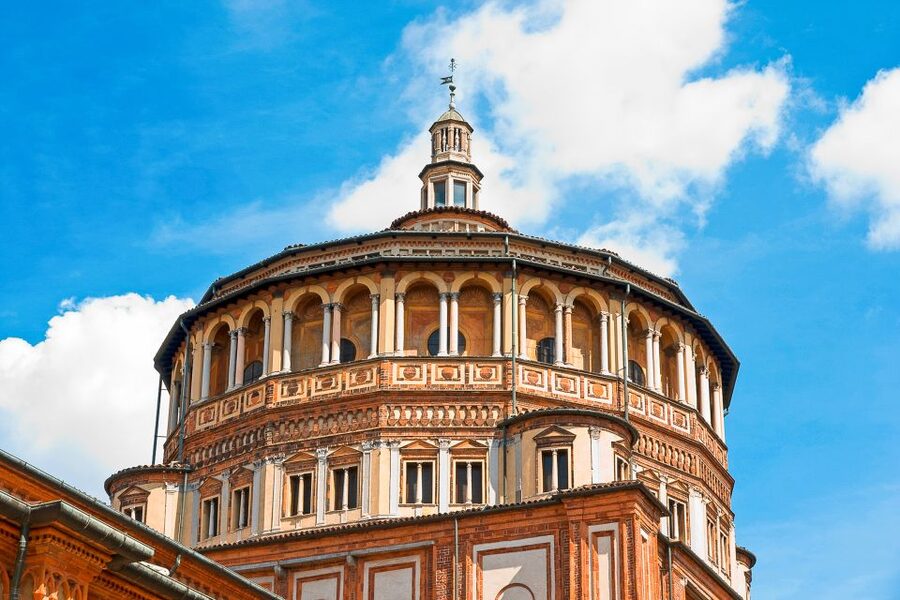
Before the Last Supper comes into full view, your guide explains the setting. Santa Maria delle Grazie belonged to the Dominican monks, and the refectory was part of their larger monastic complex.
This is not filler before the main event. It helps you see the painting as a working part of a religious community. The meal in Leonardo’s scene echoes the purpose of the room, creating a connection between the painted table and the monks who once ate nearby.
Your guide also explains why the visit is organized in controlled stages. The Last Supper is fragile, and the room cannot handle unlimited foot traffic. The system of doors, timed access, and limited numbers protects the artwork while allowing you to see it in person.
The waiting and movement can feel a little formal, but I think it improves the arrival. You do not walk straight from a busy Milan street into a room full of people taking pictures. The sequence gives the painting a moment of silence and attention.
Fifteen minutes with Leonardo’s Last Supper
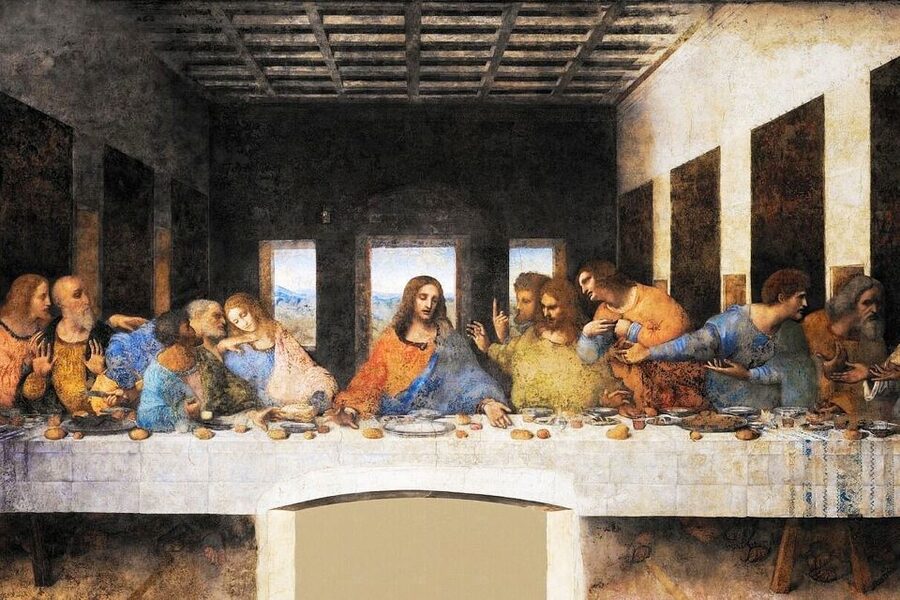
Once inside the refectory, you have 15 minutes to look at the painting. That sounds short, and it is. The good news is that the guide uses the time for focused explanation, so you are not left wondering what to notice first.
You will hear about the painting’s perspective and composition, including how Leonardo arranged the apostles and directed the eye toward the central figure of Christ. The guide points out details that are easy to miss when you only know the image from books or screens.
The presentation also covers Leonardo’s technique and the painting’s history. This is important because the work is famous partly for its unusual condition and survival. The guide helps separate what you are actually seeing from the many stories and assumptions that have collected around the image.
The best guides make the scene feel active. The apostles are not arranged as a row of calm portraits. Their gestures and expressions respond to the announcement at the table, creating a burst of movement across the wall. Look for the way bodies, hands, and faces carry the drama from one group to the next.
You should also prepare for a visual surprise. The Last Supper is enormous in reputation, but the physical painting may feel less dazzling than expected because centuries of damage and restoration have affected its surface. One guide put this well by explaining that the meaning of being in the room can be greater than the first visual impact.
That is not a reason to skip it. It is a reason to arrive with the right expectation. You are seeing a fragile surviving wall painting in its intended setting, not a perfectly bright modern canvas.
Same city, an entirely different afternoon:
- Milan: Cathedral and Duomo’s Terraces Entrance Ticket
★ 4.6 · 61,054 reviews - Milan Cathedral: Duomo Terraces Ticket (No Church Access)
★ 4.6 · 6,111 reviews - Milan: Milan Cathedral Direct Entrance – Terrace Excluded
★ 4.5 · 5,782 reviews - Milan: Navigli Canal Boat Cruise
★ 3.3 · 4,502 reviews
What the guide adds to the experience
I would choose the guided format over trying to see the Last Supper without interpretation. The wall is packed with visual decisions, and 15 minutes passes too quickly for casual looking.
A strong guide explains Leonardo’s relationship with Ludovico Sforza and the circumstances in Milan at the time. You also get a clearer sense of Leonardo’s working process, the demands placed on the artist, and the unusual choices that shaped the final image.
The delivery matters. Several guides have been praised for speaking at a steady pace, using humor without turning the visit into a comedy routine, and answering questions clearly. Marco Antonio, in particular, has been described as theatrical in the best sense, presenting the story with the timing of a stage performer.
That style helps because art history can become a list of dates and names. Here, the best presentation connects the building, the monks, Leonardo, Sforza, the apostles, and the painting method into one readable story.
The headset is a practical bonus. You can keep your eyes on the wall instead of trying to stand close to the guide. One particularly useful detail is that the equipment has been praised for working well, which is not always something you can take for granted on a group tour.
Is $75 a fair price for one hour?
At $75 per person, this is not a bargain admission. You are paying for the timed Last Supper ticket, a licensed guide, and audio equipment, with a total duration of about one hour.
The price makes more sense if you value context and could not secure a ticket through a cheaper route. Last Supper admissions are tightly controlled, and access at a convenient time can be difficult to arrange. In that situation, the tour combines the ticket and explanation in one booking.
The value is also stronger for first-time visitors who want to understand the painting rather than simply photograph it. The guide fills in the visual details, explains the site, and helps you use the short viewing period well.
The calculation is less favorable if you want a long, unhurried art visit. You will not spend an hour staring at the painting. Most of the hour includes meeting, entry, orientation, and explanation, while the actual time in the refectory is capped at 15 minutes.
I would see the cost as a convenience and interpretation fee, not just an entry ticket. If the Last Supper is one of your main reasons for visiting Milan, that added structure is easier to justify. If it is a minor stop on a tight budget, you may find the price hard to swallow.
Practical rules that can affect your visit
The restrictions are strict, so plan around them rather than hoping for an exception.
- Bring your passport or ID card.
- Do not bring food or drinks into the visit.
- Large bags, luggage, and backpacks are not allowed.
- Flash photography is forbidden.
- Small lockers are available at the ticket office for items that cannot enter.
You may take photographs only within the stated rules, and flash use is specifically prohibited. Since the viewing lasts just 15 minutes, I would spend most of that time looking rather than fussing with a camera.
The attraction is wheelchair accessible. Children aged 12 months and older require an adult ticket. Religious events can also affect access to the church, so the church portion is not guaranteed even though the Last Supper visit remains the central purpose of the booking.
If you hope to see the church as well, dress and plan with that possibility in mind. The church is a religious site, and access may change because of services or other events.
Who will get the most from this tour?
This tour suits you if you want a short, organized introduction to Leonardo and the Last Supper. It is particularly useful for first-time visitors, families who need a focused activity, and anyone who prefers hearing a clear explanation rather than reading wall text alone.
Art lovers will appreciate the discussion of perspective, composition, technique, and restoration. You do not need a background in Renaissance art. The guide’s job is to make the details understandable while keeping the pace lively.
It also works well in a packed Milan schedule. One hour is manageable between other sights, though you should allow extra time to reach the meeting point and comply with the entry process.
You may want another option if you dislike timed visits or feel disappointed by artworks that show their age. The Last Supper is not a bright, flawless fresco, and the 15-minute limit leaves little time for quiet reflection after the guide has finished speaking.
Booking and timing advice
Free cancellation is available up to 24 hours before the scheduled visit, and you can reserve now while paying later. Those terms help if your Milan plans are still shifting, but the identity requirements still deserve attention. Enter each participant’s name exactly and bring the matching ID.
Starting times vary, so check availability for your preferred day. The activity lasts one hour, but the most important time is the fixed entry into the refectory. I would not book a distant attraction immediately afterward.
The tour is in English only. If you want an explanation in another language, this particular option will not meet that need.
Should you book the Milan Last Supper guided tour?
Book it if seeing Leonardo’s Last Supper is high on your Milan list and you want the painting explained in its original setting. The guide, headset, controlled access, and carefully planned 15-minute viewing turn a brief visit into a useful art lesson.
I would hesitate only if $75 feels too high for a one-hour activity or if you expect the painting to look as fresh as a poster. Go for the setting, the history, and the chance to understand what you are seeing. For most first-time visitors, a good guide makes the difference between glancing at a famous wall and truly paying attention to it.
FAQ
How long does the Last Supper tour last?
The activity lasts one hour. Your time inside the refectory with the painting is limited to 15 minutes.
How much does the tour cost?
The listed price is $75 per person. It includes entry to the Last Supper, a licensed guide, and audio headsets.
Where do I meet the guide?
Meet at Piazza di Santa Maria delle Grazie, in front of the ticket office.
What language is the tour offered in?
The live tour guide and included audio headset are in English.
Do I need to bring identification?
Yes. Bring a passport or ID card. You must also provide each participant’s first and last name for identification at the site.
Can I bring a backpack or large bag?
No. Luggage, large bags, and backpacks are not allowed. Small lockers are available at the ticket office.
Is the church visit included and guaranteed?
Access to the church cannot always be guaranteed because religious events may affect visiting arrangements. The Last Supper visit inside the refectory is the central part of the activity.
Fresh on the Milan list
- Milan: Last Supper and Sforza Castle Guided Tour★ 4.6 · 498 reviews
- Milan: San Sepolcro Crypt Skip-the-Line Entry Ticket★ 4.2 · 512 reviews
- Milan: Sunset Navigli Food & Drinks Tour by Do Eat Better★ 4.5 · 517 reviews
- Milan Duomo Cathedral and Rooftop Terrace Guided Tour★ 4.8 · 531 reviews
- Small-Group Lake Como – Bellagio, Varenna & Hidden Waterfall★ 5.0 · 541 reviews
- Milan: Leonardo’s Last Supper and Michelangelo’s Pietà Tour★ 4.6 · 559 reviews
- From Milan: Cinque Terre Guided Full-Day Trip With Cruise★ 4.0 · 559 reviews
- Milan: Skip-the-Line Guided Walk and “The Last Supper”★ 4.5 · 606 reviews
Milan Tours, compared.
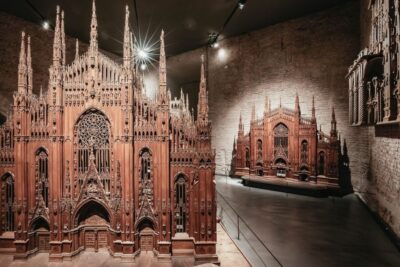
Cathedral and Duomo’s Terraces Entrance Ticket
Read our review →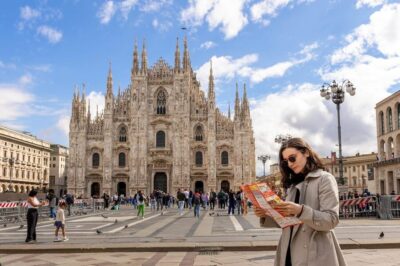
City Sightseeing Hop-On Hop-Off Bus with Audio Guide
Read our review →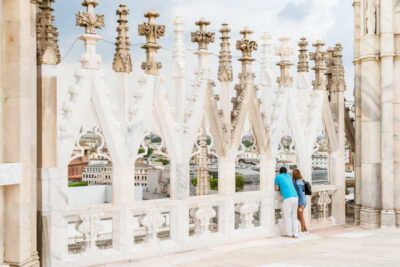
Milan Cathedral: Duomo Terraces Ticket (No Church Access)
Read our review →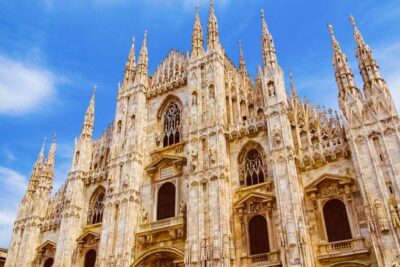
Milan Cathedral Direct Entrance – Terrace Excluded
Read our review →
Guided Walking Tour & Last Supper Visit with Ticket
Read our review →
Fast-Track Milan Cathedral and Terraces Guided Tour
Read our review →
Serravalle Designer Outlet Roundtrip Bus Transfer
Read our review →Browse the lists this tour appears in