
Reviewed · MILAN TOURS
Leonardo Da Vinci’s Last Supper Guided Tour
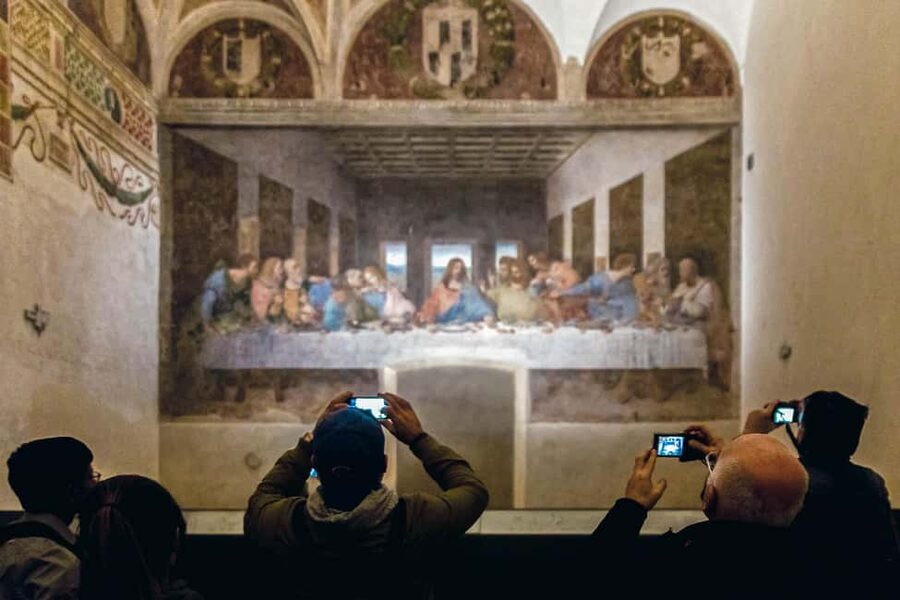
Leonardo’s Last Supper is not a painting you simply wander up to. It is a carefully protected mural in the refectory of Santa Maria delle Grazie, and your visit is limited to 15 minutes inside the room. That short window makes a guide useful: you arrive ready to look, rather than spending your precious time figuring out what matters.
I like the tour’s clear focus and its access to a work that can be difficult to see independently. I also like the guides’ attention to small details, from the disciples’ gestures to Leonardo’s use of perspective and the mural’s long series of restorations. Guides such as Anton, Valentina, Fiamma, Irene, and Marcella have been singled out for lively explanations and strong English.
The main drawback is price. At $81 per person, this is a costly one-hour outing for a single artwork, especially when the standard museum ticket is much cheaper. You are paying for a timed reservation, help with the entry process, and interpretation, not simply for the wall painting itself.
Key points to know before you book
- The 15-minute viewing limit matters: Your time with The Last Supper is strictly controlled, so listen and look efficiently.
- The guide adds real context: Expect explanations of Leonardo’s methods, the disciples, perspective, symbolism, and conservation.
- The meeting point is specific: Find the Crown Tours guide at the corner of Piazza di Santa Maria delle Grazie and Corso Magenta.
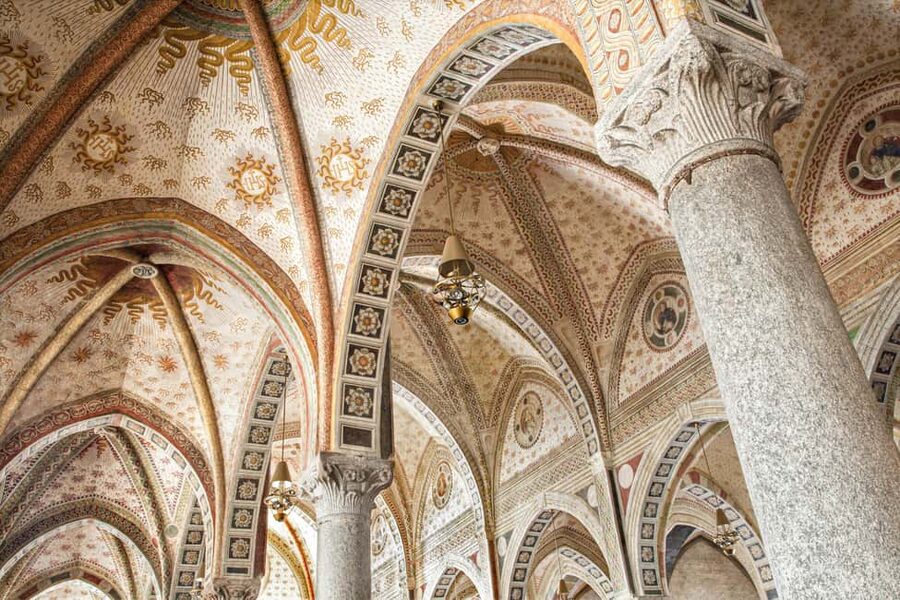
- The building deserves attention too: Santa Maria delle Grazie offers an important setting for the mural, though a church visit is not always guaranteed.
- The price buys convenience: At $81, the tour makes most sense if regular tickets are sold out or you want help navigating the timed entry.
- Bring identification and travel light: You need a passport or ID card, and large bags, backpacks, food, and drinks are not allowed.
Why The Last Supper is worth making time for
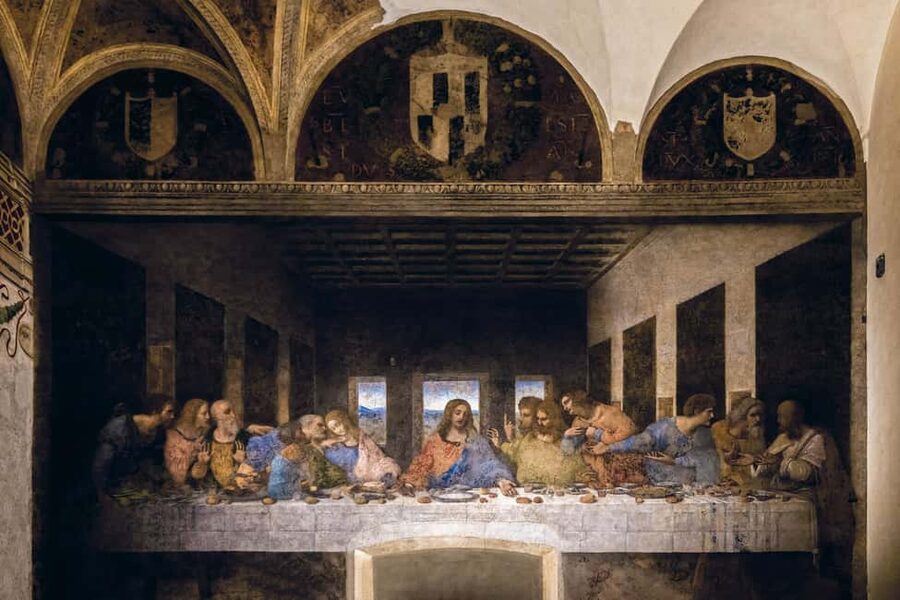
Milan has grand churches, polished shopping streets, and a cathedral that can fill half a day. Still, Leonardo’s Last Supper is one of the city’s most concentrated artistic experiences. You enter a former convent refectory, look across the room, and see the moment when Christ announces that one disciple will betray him.
The image is familiar from books, films, and souvenirs. In person, it feels different. The work is large enough to command the wall, yet its force comes from human reactions: surprise, doubt, anger, fear, and confusion spread across the table.
Leonardo painted the scene in the late 15th century while Milan prospered under Ludovico Sforza. Your guide uses that setting to explain why Leonardo was in Milan, how the convent functioned, and why the work was part of a larger religious and political world.
The painting also has an unusual physical story. Leonardo did not use a traditional fresco method in the strict sense. He experimented with materials that allowed more time for detail, but the surface proved fragile. Centuries of damage and repeated restoration have shaped what you see today.
That conservation story is not a side note. It explains why the mural looks pale and worn in places, why some features are clearer than others, and why access is so carefully managed. The work survived, but it did not survive unchanged.
A few other Milan mornings to weigh against this
- Milan: Da Vinci’s Last Supper Guided Tour
★ 4.7 · 10,143 reviews - Milan: City Sightseeing Hop-On Hop-Off Bus with Audio Guide
★ 4.0 · 6,256 reviews - Milan: Guided Walking Tour & Last Supper Visit with Ticket
★ 4.7 · 5,409 reviews
Meeting the Crown Tours guide in Milan
The meeting point is Piazza di Santa Maria delle Grazie, at the corner where it meets Corso Magenta. Look for a guide holding a flag with the Crown Tours logo. This is much easier than trying to identify a stranger in a busy Milanese square, but I would still arrive early and keep your booking details handy.
The starting address is Via Bernardino Zenale, 1a. The published meeting instructions point you toward the piazza and the corner by Corso Magenta, so pay attention to the exact directions sent before the tour. One past booking had a late guide and no visible flag, which caused needless worry. That appears to be an exception, but it is a good reason not to arrive at the last second.
Communication before the visit has generally been clear, including reminders about the time, meeting place, clothing, and required identification. Check those messages carefully, since the entry process is tightly scheduled.
You must bring a passport or ID card. This is not a casual suggestion. Identification is checked as part of the ticket process, and one family had an issue involving a child’s ticket at the entrance. Confirm the ticket details for every member of your party before you go.
Walking into Santa Maria delle Grazie
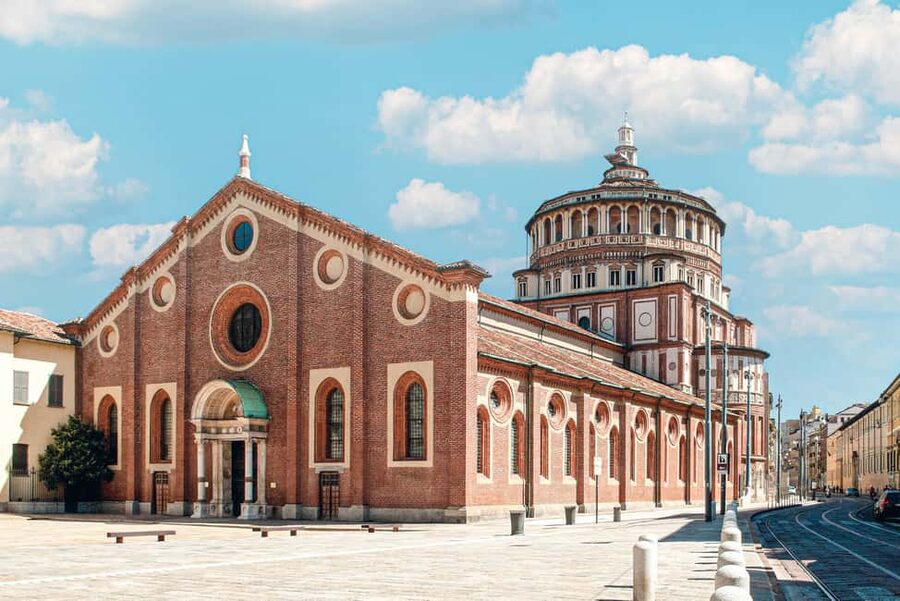
The first part of the visit takes place around the church and convent of Santa Maria delle Grazie. The architecture gives you a useful frame for Leonardo’s mural. You are not viewing an isolated museum object. You are entering a religious complex where the refectory, or dining hall, once served the Dominican community.
The building itself is worth noticing, especially if you care about architecture. Guides have discussed the site’s design, its religious purpose, and its place in Milan’s history before leading the group toward The Last Supper.
The church visit is not always guaranteed because religious events can change access. Treat the church as a welcome extra, not as the main reason to book. The essential part of the experience is entry to the refectory and the mural.
You may wait outside or near the entrance before your timed admission. One person found the initial wait longer than expected, while others found the process orderly and efficient. Conditions can vary with the day and the entry schedule, so bring patience, especially if the tour begins early.
Facing Leonardo’s mural in the refectory
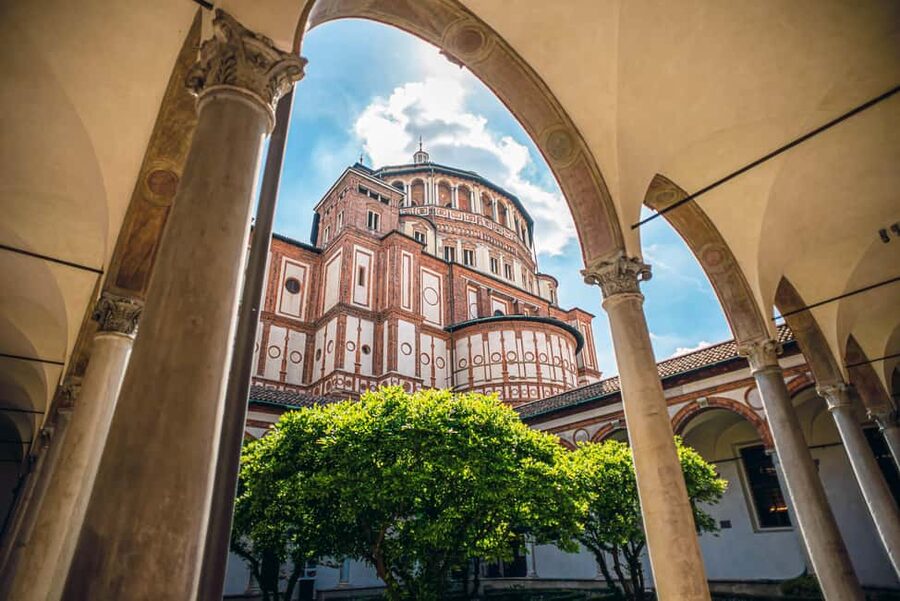
When you enter the refectory, your group has a maximum of 15 minutes with The Last Supper. The room is monitored, and the number of people inside is controlled. That is good for the artwork and much better than being pushed through a packed gallery.
Fifteen minutes sounds brief, but it is enough to study the composition if your guide has prepared you. You can first take in the whole wall, then look at the central figure, the groups of disciples, the architectural lines, and the smaller details that create movement across the scene.
The guide may use a tablet or visual material to show details that are difficult to see from the floor. This is particularly helpful for facial expressions, hand gestures, and parts of the composition affected by age and restoration.
You should not expect a quiet, private meditation for an hour. The actual viewing time is short, and the guide will be speaking while you look. For most people, that is a fair trade. The painting is easier to understand when someone points out what Leonardo was trying to do, rather than leaving you to search for meaning through the glass barrier.
Flash photography is forbidden. Large bags and backpacks are also not allowed, and food and drinks cannot enter. Small lockers are available at the ticket office for items that need to be stored. Pack lightly and keep your phone ready for ordinary, non-flash photography only if the site permits it at the time.
Same city, an entirely different afternoon:
- Milan: Cathedral and Duomo’s Terraces Entrance Ticket
★ 4.6 · 61,054 reviews - Milan Cathedral: Duomo Terraces Ticket (No Church Access)
★ 4.6 · 6,111 reviews - Milan: Milan Cathedral Direct Entrance – Terrace Excluded
★ 4.5 · 5,782 reviews - Milan: Fast-Track Milan Cathedral and Terraces Guided Tour
★ 4.7 · 5,240 reviews
The details your guide brings to life
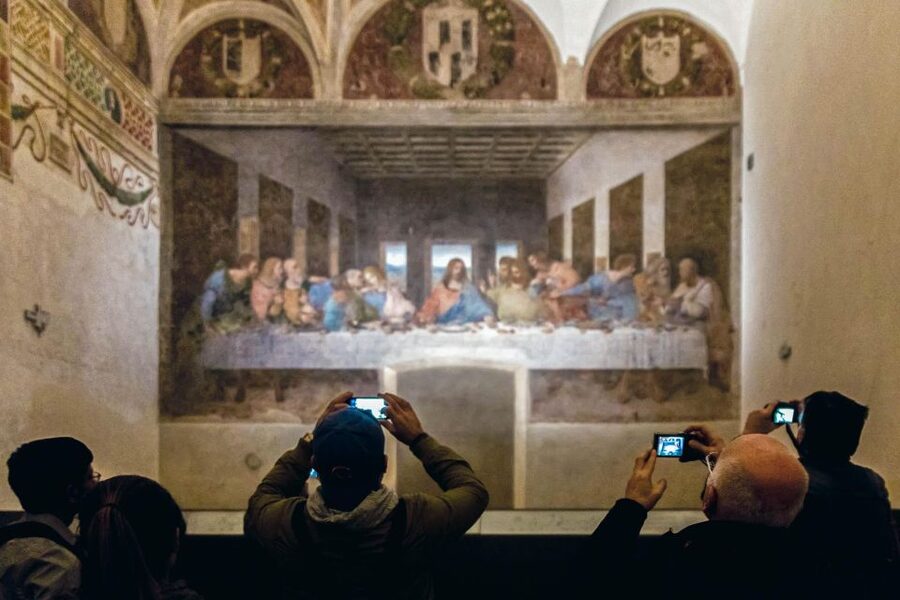
The strongest part of this tour is the interpretation. Good guides move beyond the basic fact that Leonardo painted Jesus and the Twelve Apostles. They explain how the figures are arranged and why the scene feels so active despite being fixed on a wall.
You will hear about Leonardo’s use of perspective. The painted room extends the real architecture of the refectory, directing your eye toward Christ. The arrangement creates order at the center while the disciples react in clusters on either side.
The disciples are not presented as twelve identical figures. Their poses and expressions create a chain of responses to Christ’s announcement. Guides have focused on the identity and character of each person, helping you read the scene as a group of individuals rather than a row of decorative figures.
You may also hear about symbolism and the hidden meanings attached to details in the composition. The guide can clarify which points are grounded in art history and which belong more to later interpretation. That distinction is useful, since The Last Supper has attracted centuries of speculation.
The best guides also connect Leonardo to his wider work. Anton was praised for discussing Leonardo’s other projects, while Irene and Valentina were noted for strong English and polished delivery. Marcella was especially effective at explaining the figures and their place in the composition. Names and assignments can change, but the experience depends heavily on who leads your group.
Spanish and English tours are available. Small-group and private formats can also be offered, giving you a better chance to ask questions than you would on a large coach-style outing. If asking about art, architecture, or conservation is important to you, a smaller group is worth considering.
Conservation explains the worn surface
You may be surprised when you first see the mural. The Last Supper is famous, but it is not a fresh, sharply colored wall painting. Areas have faded, and much of what you see has been shaped by restoration.
That does not make the experience disappointing. It makes the work more delicate and more human. Leonardo wanted time to refine his ideas, but the materials did not hold up like a traditional fresco. Moisture, neglect, alterations to the building, and later damage all played a part in the mural’s difficult survival.
Several guides have devoted a good portion of the tour to the restoration process. This adds value because it changes how you look at the surface. You begin to notice what remains of Leonardo’s design, what has been repaired, and why conservation specialists limit exposure.
One of the most useful lessons is that you are not seeing a simple untouched original. You are seeing a surviving work that has passed through centuries of risk. The guide’s explanation helps you appreciate both Leonardo’s skill and the work required to keep the image available to the public.
Is $81 a fair price?
The listed price is $81 per person. That is high for a one-hour activity, and I would not pretend otherwise. A standard ticket can cost far less, but access is released in limited batches and can sell out quickly.
The value depends on what you need. If you are comfortable finding tickets early, navigating the timed entry, and learning about the mural on your own, the premium may feel excessive. One person specifically felt frustrated by the large difference between the regular ticket price and the guided-tour cost.
If regular tickets are gone, though, this tour can be a practical way to secure entry. The guide also handles the meeting process, brings an audio system, and gives you a focused explanation during a very limited visit. For a once-only Milan trip, that convenience may justify the cost.
I would book it for a first visit if The Last Supper is high on your list and your schedule is fixed. I would hesitate if you are watching every euro or already have strong art-history knowledge. This is not a cheap filler activity. It is a premium way to see one major work.
The reserve-now-and-pay-later option can help if your Milan plans are still moving. You can also cancel up to 24 hours before the start time for a full refund, according to the stated terms.
Who will enjoy this short Milan tour
You will get the most from the experience if you want a clear explanation of what you are seeing. It suits first-time visitors, art students, architecture fans, and anyone who has always wanted to see the mural in person but does not want to manage the ticket system alone.
Families can enjoy it, but remember that the format is short and focused. Very young children may not follow a detailed discussion of perspective, restoration, and Renaissance patronage. Check the ticket rules for children carefully, since every person may need the correct admission arrangements.
The tour is wheelchair accessible. An audio system helps you hear the guide, and one guide took special care to make sure a visitor with cochlear implants could follow the explanation. If hearing support matters to you, mention it when booking or meeting the guide.
The experience also works well for a tight Milan schedule. At one hour, it can fit between other central sights. Just do not assume the entire hour will be spent looking directly at the mural. You may spend part of the time meeting, waiting, receiving instructions, and moving through the complex.
Practical rules that can affect your visit
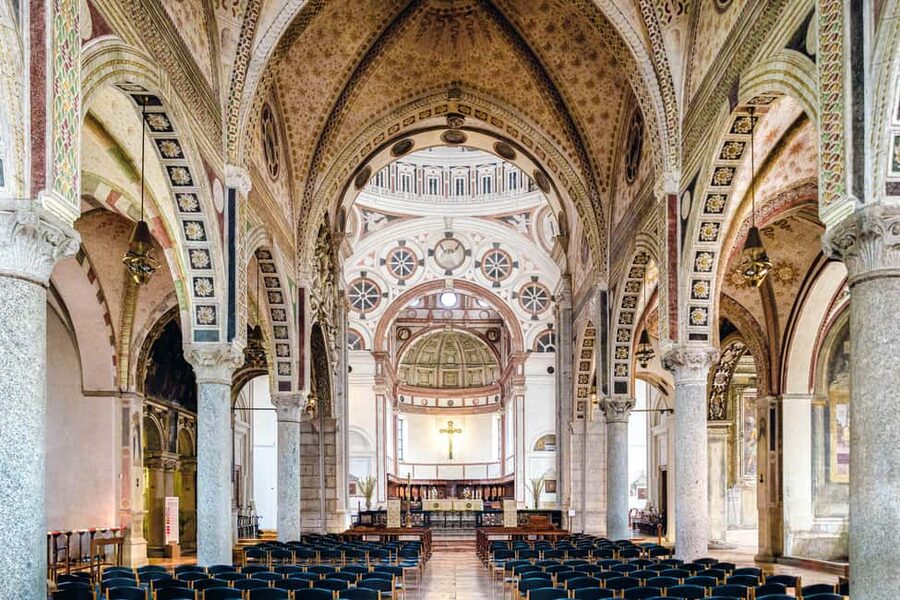
Dress with the religious setting in mind. Short skirts and sleeveless shirts are listed as not allowed. Weapons and sharp objects are forbidden, as are food, drinks, luggage, and backpacks.
A small locker is available at the ticket office, but storage space is limited. I would leave large bags at your accommodation rather than depend on a locker.
The church may close or restrict access during religious events. The Last Supper visit remains the central purpose, but the wider church tour can change. Build your expectations around the refectory, not around a guaranteed tour of every part of the complex.
English and Spanish are the listed tour languages. The quality of communication depends partly on the individual guide. Most comments about the guides describe clear, energetic explanations, though one person found an accent difficult at times. If you have hearing concerns, stand where you can see the guide and use the provided audio equipment.
Should you book The Last Supper tour?
Book it if seeing Leonardo’s mural is one of your Milan priorities, especially if independent tickets are unavailable. The timed entry is carefully controlled, the guide adds useful information about the disciples and conservation, and the small-group option gives you room to ask questions.
Skip it if $81 feels too steep for a one-hour visit and you have another way to obtain a regular ticket. You will not get a long, leisurely gallery experience. You will get a short, highly managed encounter with a fragile masterpiece.
For most first-time visitors who care about art, I think the tour earns its place in a Milan itinerary. Go in knowing the limits: bring identification, dress appropriately, arrive early, pack light, and expect only 15 minutes in front of the mural. With those details handled, you can spend your brief viewing time looking at Leonardo’s work instead of worrying about the logistics.
FAQ
Where does the Last Supper tour meet?
Meet the Crown Tours guide at Piazza di Santa Maria delle Grazie, at the corner between the piazza and Corso Magenta. The guide will be holding a flag with the Crown Tours logo.
How long does the tour last?
The stated duration is one hour. Your time inside the refectory with The Last Supper is limited to a maximum of 15 minutes.
How much does the tour cost?
The listed price is $81 per person.
Is the Last Supper entry ticket included?
Yes. The Last Supper entry ticket, a tour guide, and an audio system are included.
What languages are available?
The live tour is available in English and Spanish.
Do I need identification?
Yes. Bring a passport or ID card for the visit.
Can I take photographs?
Flash photography of The Last Supper is not permitted. Large bags and backpacks are also not allowed inside.
Can I bring food or drinks?
No. Food and drinks are listed among the items not allowed.
Is the tour wheelchair accessible?
Yes. The activity is listed as wheelchair accessible.
Is a visit to the church guaranteed?
No. Religious events can prevent or limit access to the church. The visit to The Last Supper remains the main part of the experience.
Can I cancel the booking?
You can cancel up to 24 hours in advance for a full refund. A reserve-now-and-pay-later option is also available.
Fresh on the Milan list
- Walking Food Tour of Milan with Tastings★ 4.5 · 194 reviews
- Milan: Fresh Pasta and Tiramisù Class in A Historical Home★ 4.9 · 195 reviews
- Milan: City Highlights Walking Tour with The Last Supper★ 4.9 · 195 reviews
- Inside Milan’s Duomo: Cathedral Tour with Optional Rooftop★ 4.5 · 210 reviews
- Milan:Lake Como, Lugano & Bellagio Day-Trip with Boat Cruise★ 4.5 · 210 reviews
- Milan: San Siro Stadium Entry Ticket and Optional Bus Ticket★ 4.1 · 212 reviews
- Choose three recipes to cook from all the traditional cuisine★ 5.0 · 214 reviews
- Verona and Lake Garda Day Trip from Milan★ 4.5 · 214 reviews
Milan Tours, compared.
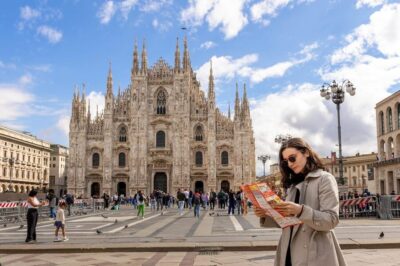
Cathedral and Duomo’s Terraces Entrance Ticket
Read our review →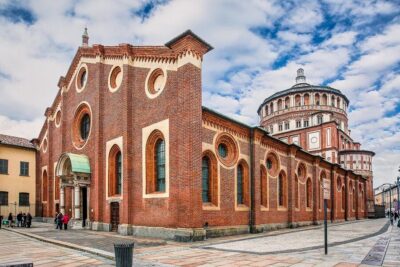
City Sightseeing Hop-On Hop-Off Bus with Audio Guide
Read our review →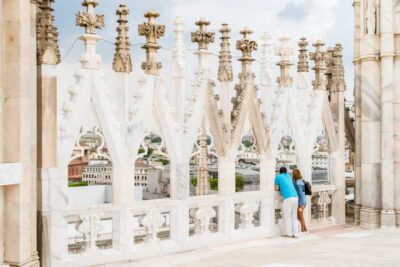
Milan Cathedral: Duomo Terraces Ticket (No Church Access)
Read our review →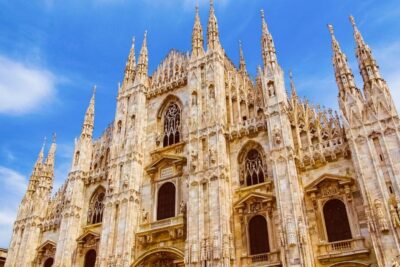
Milan Cathedral Direct Entrance – Terrace Excluded
Read our review →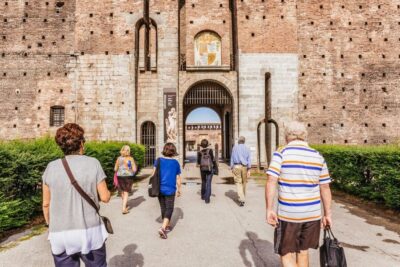
Guided Walking Tour & Last Supper Visit with Ticket
Read our review →
Fast-Track Milan Cathedral and Terraces Guided Tour
Read our review →
Browse the lists this tour appears in