
Reviewed · MUSEUMS
Milan: Pinacoteca Ambrosiana & da Vinci Codex Exhibition
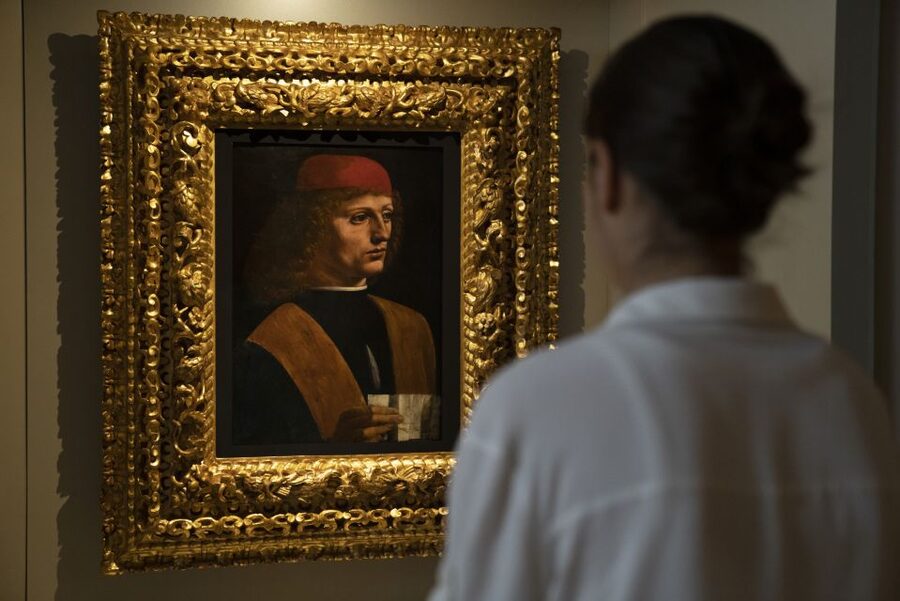
The most arresting part of Milan’s Pinacoteca Ambrosiana is not one single painting, but the way Leonardo da Vinci’s original Codex Atlanticus drawings share space with masterpieces by Raphael, Caravaggio, Botticelli, and Tiziano. You are looking at both finished art and the working minds behind it.
I like the museum’s manageable scale, which lets you see major works without the fatigue of a giant gallery. I also like the building itself, especially the historic library rooms and the chance to study Leonardo’s sketches at close range. The main drawback is navigation: the route can feel confusing, and some labels are difficult to read in the subdued lighting.
Key points before you go
- Leonardo’s original drawings: See pages from the Codex Atlanticus, the world’s largest collection of original Leonardo drawings.
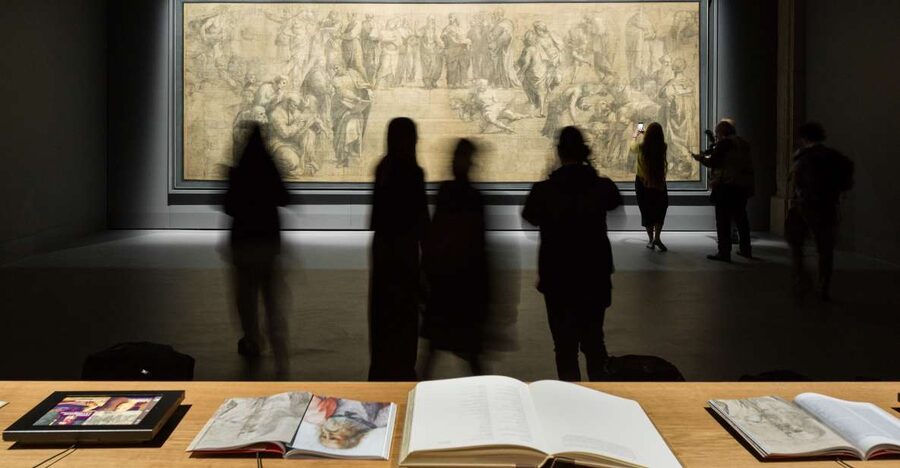
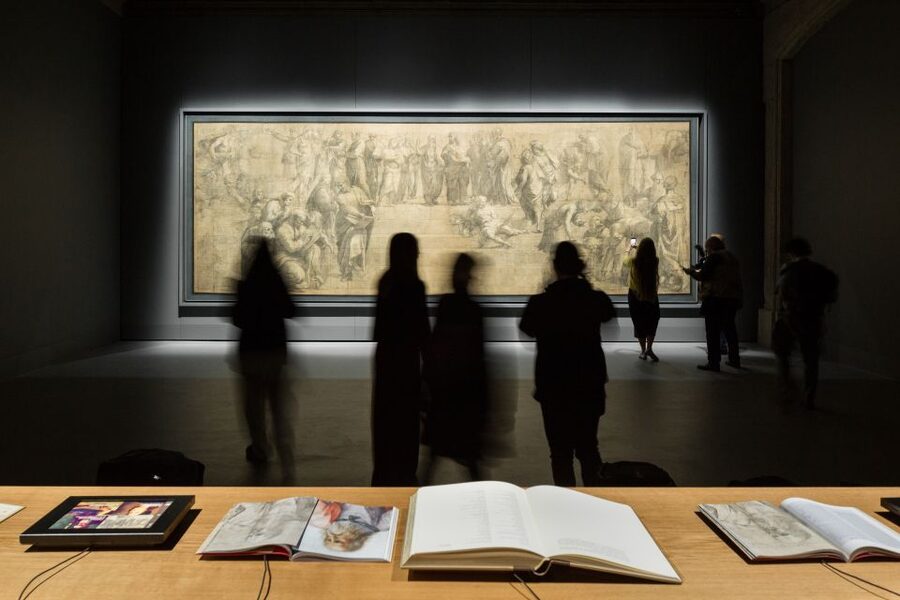
- Raphael’s School of Athens cartoon: This large preparatory drawing is one of the museum’s major highlights.
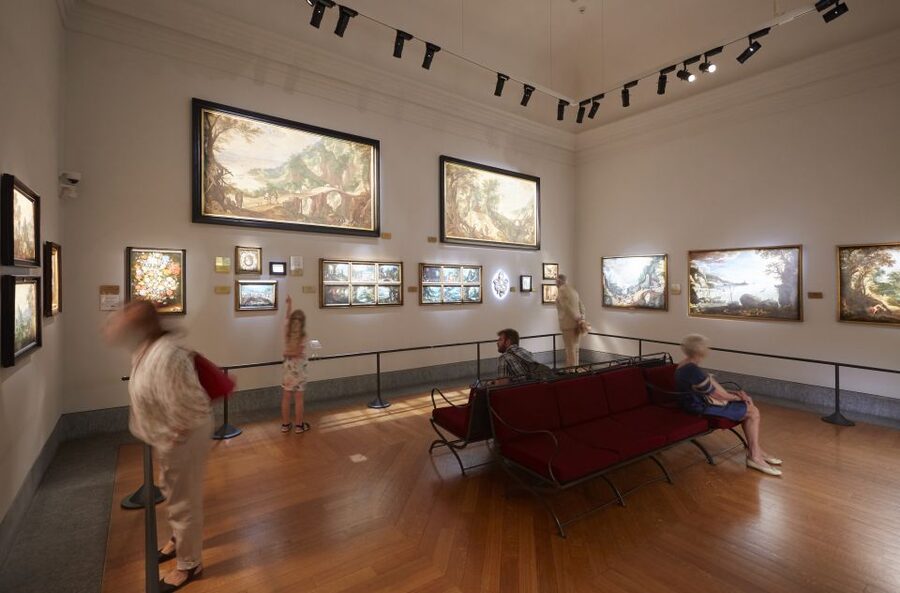
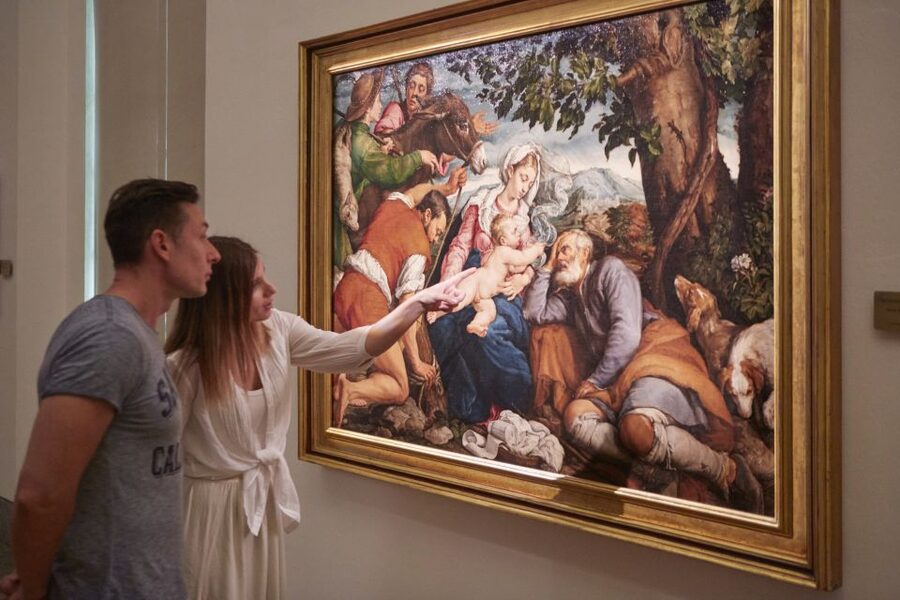
- Major Italian masters: The collection includes Botticelli, Tiziano, Caravaggio, and Raphael.
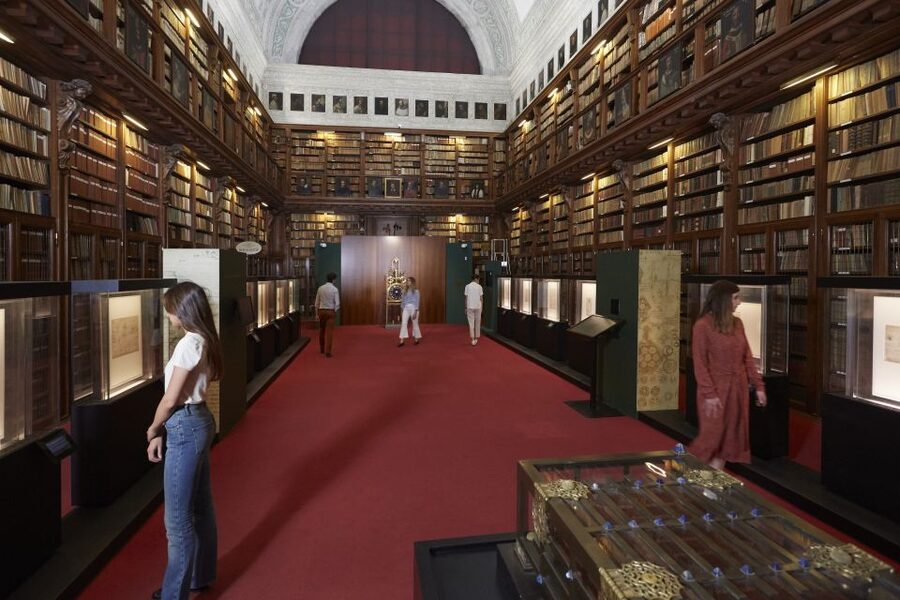
- A historic library setting: The Ambrosiana’s architecture and book collections are part of the experience.
- Optional audio guide: Add the guide for €4, available in six languages, and choose a longer visit setting if you plan to stay several hours.
- Good central location: The museum is close to Milan’s Duomo and Cordusio, making it easy to pair with a day in the city center.
Milan is best known for the Duomo, La Scala, fashion, and Leonardo’s Last Supper. Yet the Pinacoteca Ambrosiana gives you a different view of the city: quieter, more scholarly, and filled with works that reward close attention.
The museum sits inside the historic Ambrosiana complex at Piazza Pio XI 2. Your ticket covers the Ambrosiana collections and the Leonardo exhibition, so you are not simply entering a room devoted to one famous artist. You are following a route through paintings, drawings, sculpture, pottery, old books, and centuries-old objects.
At $21 per person, this is not Milan’s cheapest museum stop. Still, the price makes sense if you care about Renaissance art or Leonardo, since the ticket combines several collections in one visit. Plan on about two to three hours, although the ticket is valid for one day and you can move at your own pace.
Finding the Ambrosiana near the Duomo
The museum is easy to place on a central Milan itinerary. The nearest metro stops are Cordusio on the Red Line and Duomo on the Red and Yellow Lines. You can also use tram lines 12, 14, or 16 to Orefici Cantù, or lines 2 and 3 to Duomo.
From the Duomo area, the Ambrosiana is close enough to include before or after the cathedral. That location matters because you do not need to build a separate half-day around the visit. You can see the Duomo, walk through the center, and then step into the cooler, darker museum rooms for a change of pace.
At the entrance, pay attention to the map. The collection is spread through several rooms and levels, and it is easy to miss a section if you simply follow the first corridor you see. The route is not always obvious, so take a moment to understand where the Codex display, paintings, library rooms, and other collections fit together.
More Museums in Milan
- Official San Siro Stadium and Museum Guided Tour
★ 4.4 · 3,573 reviews - Milan: Leonardo3 The World of Leonardo Museum Entry Ticket
★ 4.4 · 3,241 reviews - Milan: La Scala Theater & Museum Guided Experience
★ 4.1 · 2,931 reviews
The Ambrosiana collections: more than a picture gallery
The Pinacoteca is often described as an art museum, but that label does not tell the whole story. You may encounter paintings alongside sculptures, pottery, architecture, old books, and other objects. The result feels closer to an old intellectual collection than a modern white-walled gallery.
That variety is one of the museum’s pleasures. You move between polished masterpieces and objects that show how art, scholarship, religion, science, and collecting once overlapped. The building provides a third layer of interest. Its design, library spaces, and displays are not merely a backdrop for the paintings.
The collection is large enough to feel substantial, but not so large that you need an entire day to see the best parts. I would not rush it in an hour unless your schedule is tight. An hour and a half gives you a basic look. Two to three hours lets you read labels, use the audio guide, and pause at the works that deserve more time.
The lighting receives mixed reactions for good reason. Paintings are generally displayed attractively, and the darker rooms can help you focus on the art. But some written descriptions are hard to read, especially when the room lighting is low. If labels matter to you, the audio guide becomes more useful.
Leonardo’s Codex Atlanticus and the value of seeing original drawings
The Leonardo section is the main reason many people book this visit. The Codex Atlanticus is a huge collection of Leonardo’s drawings and notes, covering ideas from more than 40 years of work. The pages reveal an artist who was also an engineer, designer, observer, and problem solver.
You will see original drawings rather than only enlarged reproductions or digital panels. That distinction matters. A small sketch can show how quickly Leonardo tested an idea, changed direction, or connected several subjects on the same page. The drawings let you look over his shoulder as he worked.
The material includes engineering drawings and sketches, offering a wider view of Leonardo than a standard painting-focused museum visit. You may find studies that point toward machines, architecture, construction, or other practical problems. The appeal is not only artistic beauty. It is the direct contact with a working mind that kept asking how things functioned.
Do not expect every page to be large or instantly readable. Some drawings are delicate and packed with detail. The exhibit works best when you slow down and accept that a few minutes with one page can be more rewarding than racing through the whole display.
The collection also includes a Leonardo painting surprise, according to the visit details, so the exhibition is not limited to technical sketches. The final section devoted to da Vinci is widely singled out as especially rewarding. If Leonardo is your main reason for coming, make sure you do not leave before reaching it.
Raphael’s School of Athens cartoon
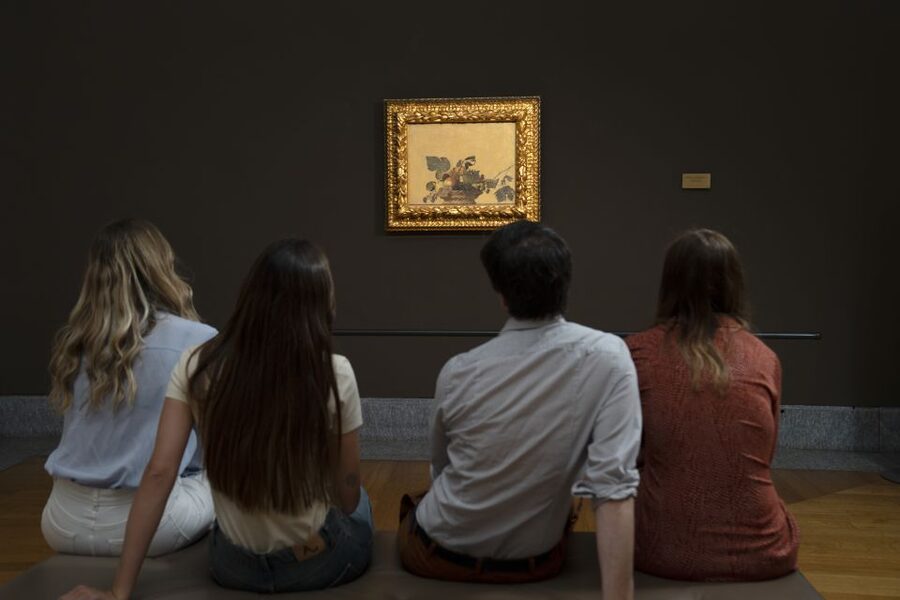
The other great stop is Raphael’s cartoon for the School of Athens. In Renaissance art, a cartoon is a full-size preparatory drawing used to plan a finished wall painting. This is not a casual preliminary sketch. It is a major working document that helps you understand how a monumental fresco was designed.
The drawing gives you a chance to study Raphael’s planning in a direct way. You can focus on the figures, arrangement, gestures, and architectural structure without the distance or surface effects of a finished fresco. The Ambrosiana presentation also includes a film explaining how the cartoon was created and transferred to the wall, along with an explanation of the figures represented.
That film adds real value because it turns the cartoon from a famous object into evidence of a complicated process. You see how an idea moved from design to finished painting. For many visitors, this becomes the museum’s single best moment, even if Leonardo was the original reason for booking.
If you have limited time, prioritize the Raphael cartoon and the Leonardo display. Then use the map to find the best-known paintings in the collection. The route can be confusing, and asking staff for help is sensible if you lose track of where you are.
Same city, an entirely different afternoon:
- Milan: Cathedral and Duomo’s Terraces Entrance Ticket
★ 4.6 · 61,054 reviews - Milan: Da Vinci’s Last Supper Guided Tour
★ 4.7 · 10,143 reviews - Milan: City Sightseeing Hop-On Hop-Off Bus with Audio Guide
★ 4.0 · 6,256 reviews - Milan Cathedral: Duomo Terraces Ticket (No Church Access)
★ 4.6 · 6,111 reviews
Botticelli, Tiziano, Caravaggio, and the wider collection
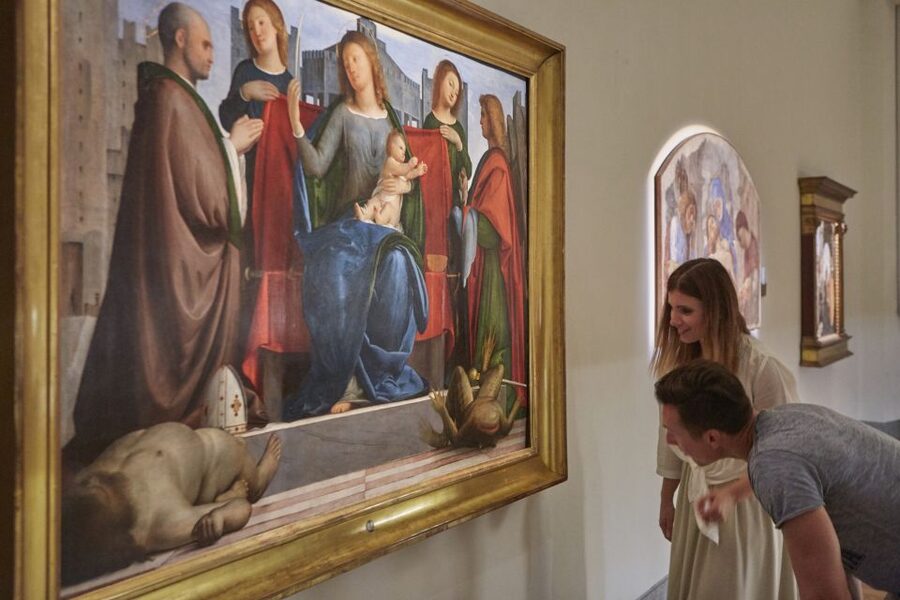
The Ambrosiana is not a one-artist museum. Its paintings give you a compact introduction to several major Italian masters and the different ways they handled color, drama, religious subjects, portraiture, and still life.
Botticelli brings the graceful line and elegant figures associated with Florentine Renaissance painting. Raphael shows the discipline and balance of High Renaissance composition. Tiziano represents the rich color and painterly force of Venetian art. Caravaggio’s still lifes provide a different kind of intensity, turning ordinary objects into studies of light, texture, and physical presence.
I like this mixture because it gives you comparisons. Instead of seeing one artist in isolation, you can move through different approaches to painting. A face, a fabric, a piece of fruit, or a religious figure changes meaning depending on the painter’s choices.
The collection is also pleasant for people who enjoy seeing how a museum grew over time. You are not only viewing isolated masterpieces. You are seeing the results of collecting, preservation, scholarship, and institutional care. That is especially clear in the library and Codex sections.
The museum is smaller than Milan’s Pinacoteca di Brera, so do not expect the same broad sweep or the same number of rooms. The advantage is that the Ambrosiana feels less exhausting. You can concentrate on a handful of important works instead of trying to absorb an enormous collection.
The library rooms and the building itself
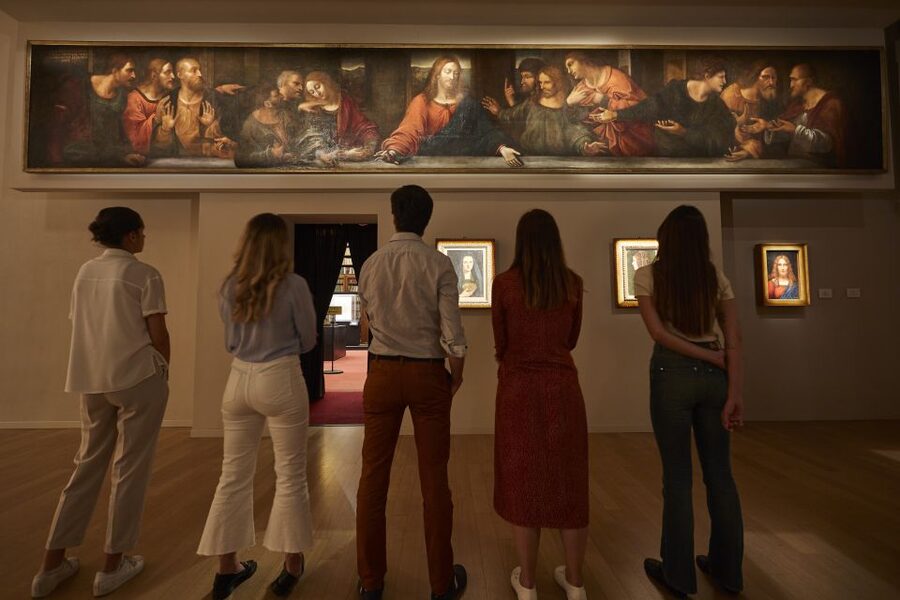
The Ambrosian Library is one of the reasons this experience feels different from a standard gallery visit. The historic rooms and old book collections create a strong sense of place. Even if you arrive mainly for Leonardo, allow time to look at the library displays and the architecture.
The building itself becomes part of the tour. You may find that the rooms are as memorable as some of the individual objects. Visitors often describe the library as impressive, and that reaction is understandable: old books, art, and the structure that houses them create a unified experience.
The quiet atmosphere helps. This is a good place to slow down after the crowds around Milan’s cathedral. Several rooms include places to sit, which makes a longer visit easier. In summer, the air-conditioned interior also offers a practical break from the heat.
There are a few restrictions worth knowing. Some areas may be difficult with a baby buggy, and a buggy may need to remain at the entrance. If you are visiting with young children, check this point with staff before setting out through the full route.
Should you pay for the audio guide?
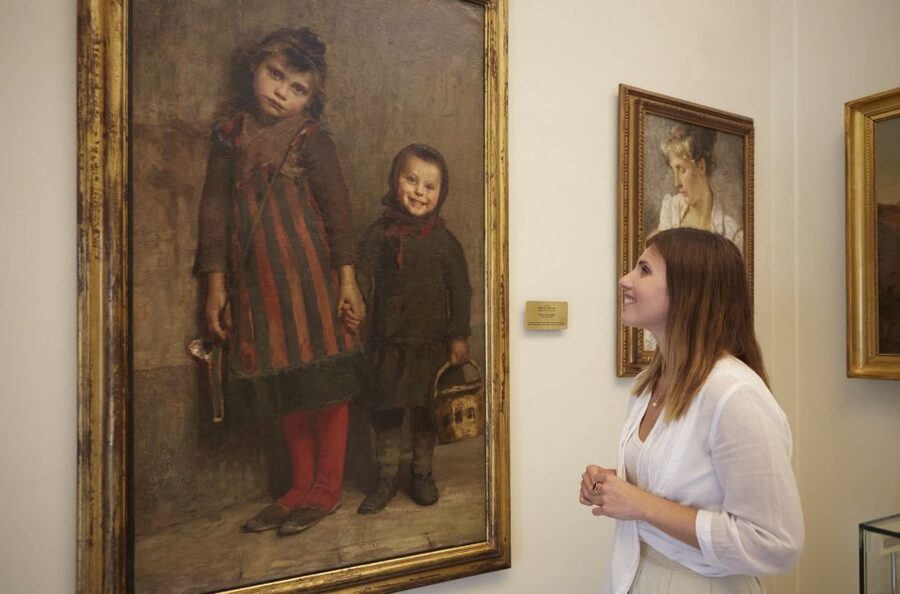
The audio guide costs €4 and can be purchased through GetYourGuide or at the ticket office. It is available in six languages. Since some labels are poorly lit or hard to read, I consider it worthwhile for most first-time visitors.
The guide helps you understand why the Codex drawings matter and gives context for the paintings. It is especially useful if Renaissance art is not already familiar to you. You can look at a work, hear the explanation, and then return to the details with a better sense of what you are seeing.
There is one practical catch. The audio guide may begin in a one-hour visit mode, with descriptions for only a selection of paintings. If you plan to stay two or three hours, switch it to the longer visit setting at the start. Otherwise, you may think you have reached the end when you have simply chosen the shorter route.
The audio guide is downloaded to your device and can be listened to after the visit. That is helpful if you want to revisit an explanation later, though you should make sure your phone is charged before entering.
You can certainly visit without it. The museum is well laid out in many areas, and information is available beside the displays. But the guide adds background that can make the difference between noticing a famous work and understanding why it matters.
Timing, pace, and practical comfort
The experience is sold as a one-day activity, but that refers to ticket validity rather than a full-day guided program. You are booking entry, not a scheduled tour with a guide. Once inside, you explore independently.
Allow at least 90 minutes for a brisk visit. Two hours is a better target, and three hours suits anyone who wants to use the audio guide, read the labels, and spend time with Leonardo’s drawings. The museum is compact enough to fit into a busy Milan day, but rushing will weaken the experience.
The galleries are generally well organized and well lit for viewing the art, although the written information may be less easy to read. Staff are described as welcoming and helpful, so ask for directions if the route becomes unclear.
The ticket includes the Ambrosiana collections and the Codex Atlanticus exhibition. A crypt may require a separate extra charge, so do not assume every part of the complex is included. Some people consider that additional area worthwhile, but it is not part of the basic admission described here.
Free cancellation is available up to 24 hours in advance, and you can reserve now and pay later. Those terms are useful if you are planning several Milan sights and want to keep your schedule flexible.
Who will enjoy this visit most?
I would recommend the Ambrosiana to anyone interested in Leonardo, Renaissance painting, old libraries, or smaller museums with a strong sense of place. It is also a good choice if you want major art without committing to a huge gallery.
Art students and serious museum fans should allow three hours and take the audio guide. The Codex pages and Raphael cartoon reward patient looking, especially when you want to understand technique rather than simply collect photographs.
It also works well for a mixed-interest group. One person can focus on Leonardo’s machines, another on Renaissance painting, and another on the architecture or old books. The variety keeps the visit from feeling like a single-subject exhibition.
You may want to skip it if you have only a few minutes in Milan and have not yet seen the Duomo or other top priorities. It is not a quick photo stop. You need time to follow the rooms, find the key displays, and let the material settle.
Is the $21 ticket good value?
At $21, the ticket is reasonably priced for the combination of collections, especially if you spend two or three hours inside. The value is strongest for visitors who would otherwise pay for a separate Leonardo exhibition and still want to see major Renaissance paintings.
The optional €4 audio guide is a small extra cost, and I would budget for it unless you strongly prefer reading labels on your own. It adds useful context and helps compensate for the dim lighting around some descriptions.
The best value comes from treating the Ambrosiana as more than a Codex stop. If you enter, look only at Leonardo’s drawings, and leave after 30 minutes, you will miss much of what makes the ticket worthwhile. Give equal attention to Raphael, Caravaggio, the library rooms, and the building.
Should you book the Pinacoteca Ambrosiana?
Yes, if you want Leonardo’s original drawings and a compact collection of major Italian art in central Milan. The Raphael cartoon, Codex Atlanticus display, old library, and varied collection make this a rewarding stop that does not require an entire day.
Book it with realistic expectations: this is a self-guided museum visit, not a hosted walking tour. Add the audio guide, study the map at the entrance, and allow two to three hours. If your Milan schedule already includes the Duomo, the Ambrosiana fits naturally nearby and gives you a quieter, more thoughtful art experience.
FAQ
Where is the Pinacoteca Ambrosiana?
The museum is at Piazza Pio XI 2 in Milan, near the Duomo and Cordusio areas.
Which metro stops are closest?
The nearest metro stop is Cordusio on the Red Line. Duomo, served by the Red and Yellow Lines, is also nearby.
Which tram lines stop near the museum?
Tram lines 12, 14, and 16 stop at Orefici Cantù. Tram lines 2 and 3 stop at Duomo.
What does the admission ticket include?
Admission includes the Ambrosiana collections and the exhibition of Leonardo’s original drawings from the Codex Atlanticus.
Is the audio guide included?
No. The audio guide costs €4 and is available through GetYourGuide or at the ticket office.
How many languages are available for the audio guide?
The audio guide is available in six languages.
How long should I plan for the visit?
Allow at least 90 minutes for a quick visit. Two to three hours gives you time for the paintings, library rooms, Leonardo drawings, and audio guide.
Is this a guided tour?
No. The experience provides exhibition admission for an independent visit. The audio guide is optional.
Is the ticket valid for one day?
Yes. The ticket is valid for one day, with starting times available according to the selected date.
Can I cancel my booking?
Yes. You can cancel up to 24 hours in advance for a full refund. You can also reserve now and pay later.
Fresh on the Milan list
- Milan: Last Supper and Sforza Castle Guided Tour★ 4.6 · 498 reviews
- Milan: San Sepolcro Crypt Skip-the-Line Entry Ticket★ 4.2 · 512 reviews
- Milan: Sunset Navigli Food & Drinks Tour by Do Eat Better★ 4.5 · 517 reviews
- Milan Duomo Cathedral and Rooftop Terrace Guided Tour★ 4.8 · 531 reviews
- Small-Group Lake Como – Bellagio, Varenna & Hidden Waterfall★ 5.0 · 541 reviews
- Milan: Leonardo’s Last Supper and Michelangelo’s Pietà Tour★ 4.6 · 559 reviews
- From Milan: Cinque Terre Guided Full-Day Trip With Cruise★ 4.0 · 559 reviews
- Milan: Skip-the-Line Guided Walk and “The Last Supper”★ 4.5 · 606 reviews
Museums, compared.
Vatican: Museums & Sistine Chapel Entrance Ticket
Read our review →
Vatican Museums & Sistine Chapel Tour with Optional Basilica
Read our review →
Vatican Museums, Sistine Chapel & St Peter’s Basilica Guided Tour
Read our review →
Skip-The-Line Uffizi Gallery Timed Entry Ticket
Read our review →
Vatican Museums, Sistine Chapel & Basilica Tour
Read our review →
Vatican Museums & Sistine Chapel Skip-the-Line Entry Ticket
Read our review →Vatican Museums, Sistine Chapel & Basilica Tour
Read our review →
Vatican Museums & Sistine Chapel Guided Tour
Read our review →Browse the lists this tour appears in