Reviewed · TICKETS
Genoa: Biosfera Entrance Ticket
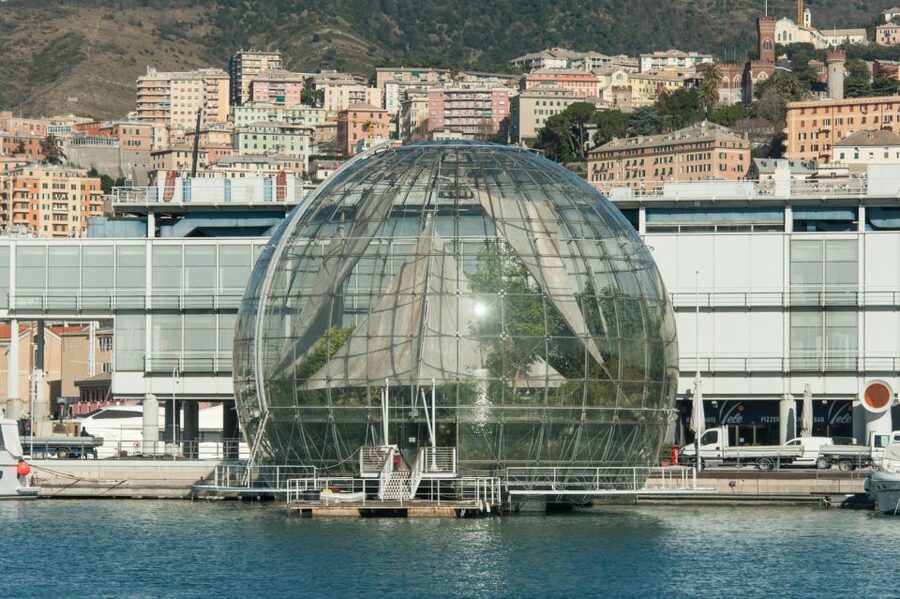
The most striking part of Genoa’s Biosfera comes before you enter. This round steel-and-glass structure by Renzo Piano sits in the Old Port, looking like a small futuristic greenhouse floating beside the water. Inside, tropical plants and animals create a sharp change from the city outside.
I like the close view of unusual plants, including tree ferns described as the tallest in the world, coffee, banana, cinnamon, and chewing gum trees. I also like that the visit links these species to conservation and human impact, rather than treating the forest as a simple display.
The main catch is size. The Biosfera is compact, and your visit may last anywhere from a few minutes to about 20 minutes, depending on how slowly you look around. At $7, it can be a worthwhile short stop, but it is not a full-day attraction despite the ticket being valid for one day.
Key points to know before entering
- Renzo Piano architecture: The Biosfera’s steel-and-glass design is one of its main attractions, especially from the outside at Genoa’s Old Port.
- More than 150 species: Expect tropical birds, animals, and plants in a small indoor setting.
- Rare tropical plants: Look for tree ferns, coffee, banana, cinnamon, and chewing gum plants.
- Very short visit: Some people finish in two minutes, while a slow circuit can take around 20 minutes.
- Useful for a city break: The indoor setting offers a quick nature stop close to Genoa’s waterfront sights.
- Simple access: The ticket includes entrance, skips the ticket line, and the site is wheelchair accessible.
Genoa’s glass dome beside the Old Port
The Biosfera is easy to recognize. Its curved steel frame and glass panels give it a light, airy shape, quite different from Genoa’s older stone buildings and harbor structures. The design comes from architect Renzo Piano, a Genoa native whose work is closely linked with the city.
I would take a moment to look at the building from outside before going in. At this scale, the architecture is not a grand museum building. It is a compact sphere, and that compact form helps explain both its charm and its limits.
Inside, the glass enclosure holds a tropical forest setting with more than 150 kinds of wildlife and plant life. You are not walking through a large botanical garden. Instead, you follow a short route through a tightly arranged indoor habitat, with birds, plants, and humid air sharing the same space.
That change in climate is part of the point. You leave the busy port and enter an environment designed to recall tropical forests, ecosystems under pressure from human use. The visit works best when you treat it as a close look at a small living display, not as a major zoo or a long nature excursion.
A few other Italy mornings to weigh against this
- Vatican: Museums & Sistine Chapel Entrance Ticket
★ 4.5 · 144,003 reviews - Milan: Cathedral and Duomo’s Terraces Entrance Ticket
★ 4.6 · 61,054 reviews - Venice: Doge’s Palace Reserved Entry Ticket
★ 4.6 · 42,716 reviews
What you see among the tropical plants
The plant collection gives the Biosfera much of its character. The focus is on tropical flora, including several specimens that many people will not see growing outdoors in Liguria.
The tree ferns are one of the most unusual sights. They are described as the tallest in the world, and their shape gives the interior a strong prehistoric feel. You might also find the chewing gum tree, coffee plants, banana trees, and cinnamon plants along the route.
These examples make the visit more useful than a display of anonymous greenery. You can connect familiar products, such as coffee, bananas, and cinnamon, with the plants that produce them. That simple link helps explain why tropical forests matter to everyday life.
The plants also show how delicate these environments can be. A banana plant or coffee plant may be familiar from shops and kitchens, but its place inside a controlled tropical habitat points to the climate and conditions it needs. The Biosfera uses this setting to encourage a closer look at how human choices affect forest ecosystems.
Because the space is small, you can usually see the plants at close range. I would slow down near the less familiar specimens instead of simply walking around the outer edge. If you are interested in botany, this may be the strongest reason to visit.
Birds, animals, and the compact indoor route
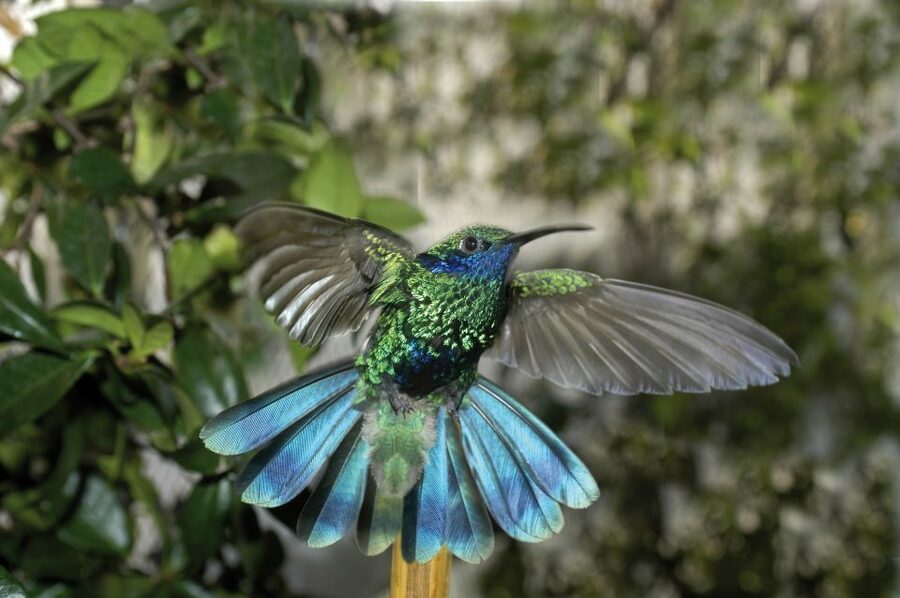
The Biosfera is home to more than 150 wildlife varieties, including tropical birds and other animals. The information provided does not identify every species, so you should arrive expecting variety rather than a fixed checklist of named creatures.
The small setting can be an advantage. You are close to the plants and animals, and you do not need to cover a large garden to see the display. Families may appreciate that the route is simple and manageable, while anyone with limited time can fit it between Old Port sights.
The same compact design can also frustrate you. Several people have found that the visit lasted only a few minutes. A very quick look may take two to ten minutes, while someone who walks slowly and repeats the short circuit may spend around 20 minutes.
That range matters when you plan your day. I would not travel across Genoa for the Biosfera alone unless the architecture, tropical plants, or conservation theme strongly interests you. I would pair it with other Old Port activities and use it as a short indoor stop.
The enclosed air is humid. One recent account describes the interior as very humid, so prepare for a noticeable change from the outdoor conditions. That may feel pleasant in cool weather but less comfortable if you are already warm or wearing heavy clothing.
Conservation lessons in a small space
The Biosfera presents tropical forests as fragile ecosystems threatened by human exploitation. This gives the visit a clear purpose beyond looking at attractive plants and animals.
You are encouraged to consider how the survival of these species depends on human behavior. The attraction also introduces conservation efforts and ways you can become involved. The supplied details do not name particular programs or organizations, so I would treat this as a general educational message rather than a detailed conservation workshop.
Still, the message fits the setting. A small glass habitat lets you see how many different forms of life can depend on the same warm, humid forest conditions. The coffee plant, cinnamon, banana tree, and chewing gum tree also make the lesson practical. These are not distant species with no connection to daily life.
I like this part of the visit because it gives the stop some weight. You can enjoy the colors and shapes, then think about why these habitats need protection. The lesson is brief, but it may be useful for families introducing children to conservation or for anyone who wants more meaning from a short attraction.
Do not expect a long lecture or a personal guide. No guide names or guided commentary are provided, and the ticket is for entry. You should plan on seeing the display at your own pace.
Same city, an entirely different afternoon:
- Vatican Museums & Sistine Chapel Tour with Optional Basilica
★ 4.3 · 67,413 reviews - Colosseum, Roman Forum & Palatine Guided Tour
★ 4.7 · 63,148 reviews - Vatican Museums, Sistine Chapel & St Peter’s Basilica Guided Tour
★ 4.5 · 39,149 reviews - Rome: Colosseum, Palatine Hill and Roman Forum Guided Tour
★ 4.8 · 32,814 reviews
Is $7 a fair price for the time?
At $7 per person, the Biosfera is priced like a modest add-on rather than a major Genoa attraction. The value depends almost entirely on how you use it.
If you spend only two or three minutes inside, the ticket can feel expensive for the amount of time. If you enjoy plant collections, take time to study the architecture, and make a slow circuit, the price becomes easier to justify. A 20-minute visit is still short, but it can fit neatly into a day at the Old Port.
The ticket also includes skip-the-ticket-line access, which can save a little time. That matters most when you have a full sightseeing schedule. The ticket is valid only on the date you select, so you need to choose a day that fits your Genoa plans.
I would judge the $7 price against the rest of your day, not against the length of a large aquarium or zoo visit. Think of the Biosfera as a small, focused attraction. It offers architecture, tropical plants, animals, and a conservation message in one short stop.
The overall rating is 3.9 from 283 reviews, which fits the experience well. The strongest points are the carefully presented tropical forest, the unusual plants, and the building itself. The main criticism is consistently about the limited size and short viewing time.
Planning your visit at the Old Port
The Biosfera is in Genoa’s Old Port, so it is best combined with nearby sightseeing. The activity information does not provide a detailed route, transport instructions, or a required visit length. You should check the available starting times and plan around the selected date.
The ticket is valid for one day, but that does not mean you can return on different dates. Your ticket works only on the date chosen at booking.
You can cancel up to 24 hours before the activity for a full refund. A reserve-now-and-pay-later option is also available, which helps if your Genoa schedule is not fixed. These terms are useful because the attraction is short and you may want to wait until your harbor plans are clear.
The site is wheelchair accessible. Pets are not allowed, so leave animals elsewhere before you arrive.
Since the route is short, I would avoid carrying an overpacked schedule into the visit. Give yourself enough time to enter, adjust to the humid air, look closely at the plants and animals, and spend a few minutes outside admiring the dome.
Who will enjoy the Biosfera most?
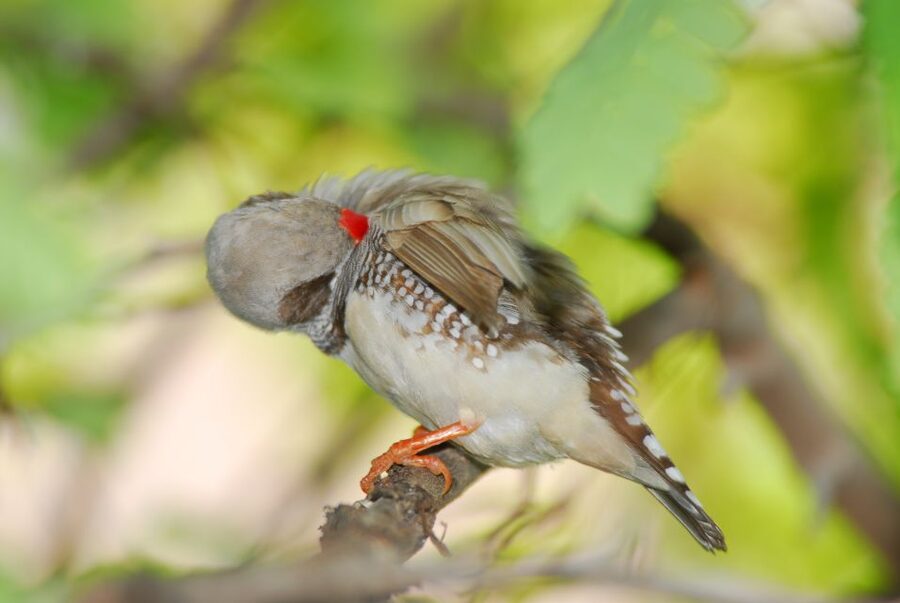
I think the Biosfera suits several types of visitors particularly well:
- Plant lovers: The rare tropical specimens and tree ferns are the best reason to go.
- Architecture fans: Renzo Piano’s structure is worth seeing as part of a walk through the Old Port.
- Families: The compact route is easier to manage than a large zoo or botanical garden.
- Short-stay visitors: You can fit the stop into a busy day without giving up several hours.
- Conservation-minded visitors: The display connects tropical species with habitat loss and human responsibility.
- Rainy-day planners: The enclosed setting offers a nature stop when outdoor sightseeing is less appealing.
I would be more cautious if you expect a large greenhouse, a long animal encounter, or a full afternoon activity. The Biosfera cannot provide that scale. Its strength is the concentrated setting, not the number of rooms or the length of the route.
Should you book the Genoa Biosfera?
Book it if you are already visiting the Old Port and want a short look at tropical plants, small wildlife habitats, and distinctive architecture. At $7, it is easiest to justify as one stop in a larger Genoa day.
Skip it if you want a large botanical garden or a substantial zoo visit. You may be back outside in a few minutes, especially if you walk quickly.
My practical advice is simple: go for the Renzo Piano dome and unusual plants, not for an all-day outing. Slow down, look for the tree ferns and familiar food plants, and connect the display with its conservation message. If those details interest you, the Biosfera earns its place in your itinerary. If not, admire the building from the Old Port and spend your time elsewhere.
FAQ
Where is the Genoa Biosfera located?
The Biosfera is located in the Old Port of Genoa, in Liguria, Italy.
How much does admission cost?
The listed price is $7 per person.
How long is the ticket valid?
The ticket is valid for one day, on the date selected when booking.
How long does a visit usually take?
The visit can be very short. Some people finish in two to ten minutes, while a slow circuit may take around 20 minutes.
Who designed the Biosfera?
The steel-and-glass structure was designed by architect Renzo Piano.
How many species can I see?
The Biosfera is home to more than 150 varieties of wildlife and plants.
Which plants are inside the Biosfera?
The collection includes tree ferns, a chewing gum tree, coffee plants, banana trees, and cinnamon plants.
Is the Biosfera wheelchair accessible?
Yes, the attraction is wheelchair accessible.
Can I bring a pet?
No. Pets are not allowed inside the Biosfera.
Fresh on the Italy list
- Rome: Guided Catacombs Tour & Capuchin Crypt (Audio Guide)★ 4.3 · 191 reviews
- Guided tour of the Colosseum, Roman Forum and Palatine in Spanish★ 4.5 · 191 reviews
- Bolgheri: Winery Tour with Wine Tasting★ 4.7 · 191 reviews
- Stories of Pompeii: Small Group tour with archeology expert guide★ 5.0 · 191 reviews
- Palinuro: Costa del Mito Boat Tour★ 4.9 · 191 reviews
- From Palau/La Maddalena: All inclusive Yacht Tour★ 4.8 · 191 reviews
- Small-Group Cooking Class in Positano: Gnocchi, Tiramisù & Drinks★ 5.0 · 191 reviews
- Semi Private Deep Wine Chianti and San Gimignano from Florence★ 5.0 · 191 reviews
Tickets, compared.
Vatican: Museums & Sistine Chapel Entrance Ticket
Read our review →
Cathedral and Duomo’s Terraces Entrance Ticket
Read our review →

Skip-The-Line Uffizi Gallery Timed Entry Ticket
Read our review →
Naples Underground Entry Ticket and Guided Tour
Read our review →
Pantheon Fast-Track Ticket and Official Audio Guide
Read our review →
Entry Ticket and Guided Tour with an Archaeologist
Read our review →